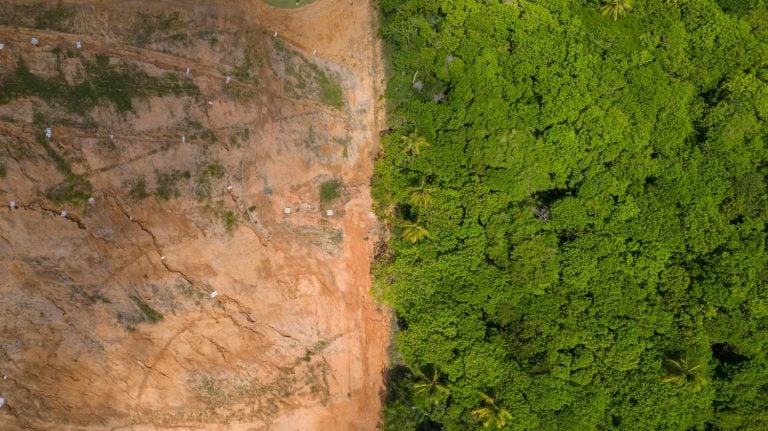
As global temperatures continue to climb, extreme heatwaves are becoming one of the most pressing threats to wildlife survival. Unlike gradual shifts in climate, these sudden and sweltering events can devastate animal populations in a matter of days. In one Mexican village, locals recently reported witnessing the disturbing sight of howler monkeys falling from trees as they suffered from heat stress and dehydration. Similarly, in Australia, flying foxes have succumbed to record-breaking heat, while along Canada’s coastline, billions of mussels, barnacles, and other shellfish baked in tide pools, unable to escape the scorching sun.
Scientists warn that these are not isolated events; they reflect a wider trend of biodiversity decline. Research shows tropical bird populations, already living at the edge of their heat tolerance, have fallen by up to 38% over the last 7 decades as heatwaves ramp up. Small mammals like rodents also suffer steep fertility losses during extreme temperatures, further affecting population numbers. Relentless heat is driving species closer to extinction, even in protected habitats.
The consequences of heat affecting even just one species creates a ripple effect; dwindling prey disrupt predator food sources, pollination networks suffer, and food chains destabilize. Experts now say extreme heat is a leading driver of biodiversity loss, alongside classic culprits like deforestation and habitat destruction. While some species show signs of resilience, the overall trajectory is alarming. As heatwaves grow longer, more frequent, and more intense, they are reshaping ecosystems at a pace far faster than any species’ ability to adapt.
Heatwaves and Wildlife Crisis

©Ed Connor/Shutterstock.com
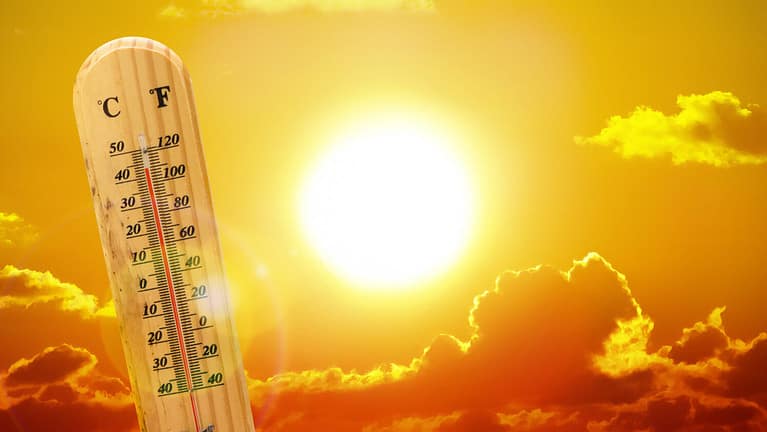
- Extreme heat events are becoming more frequent worldwide.
- Wildlife is suffering mass die-offs as temperatures soar.
- Scientists warn heat is now a major driver of biodiversity loss.
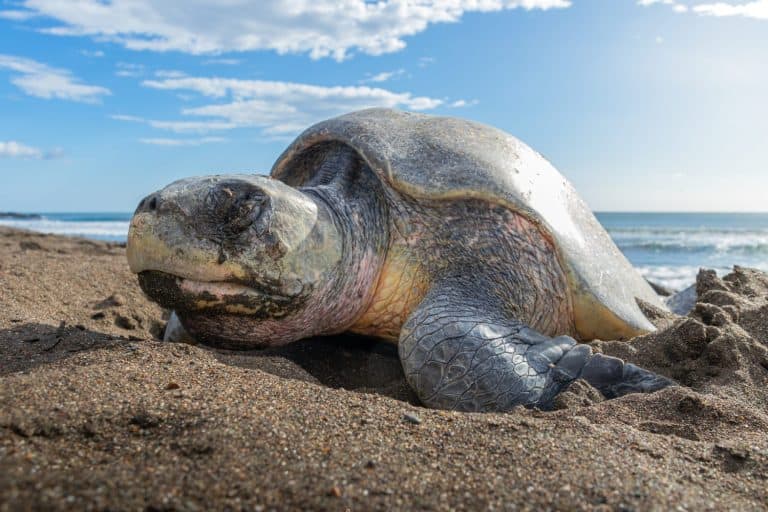
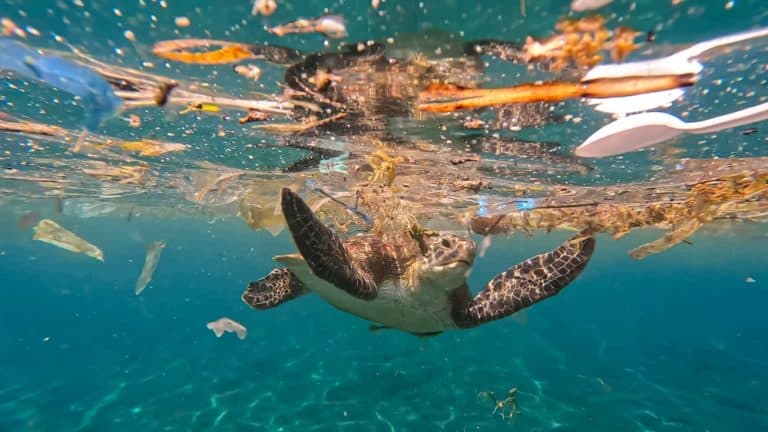
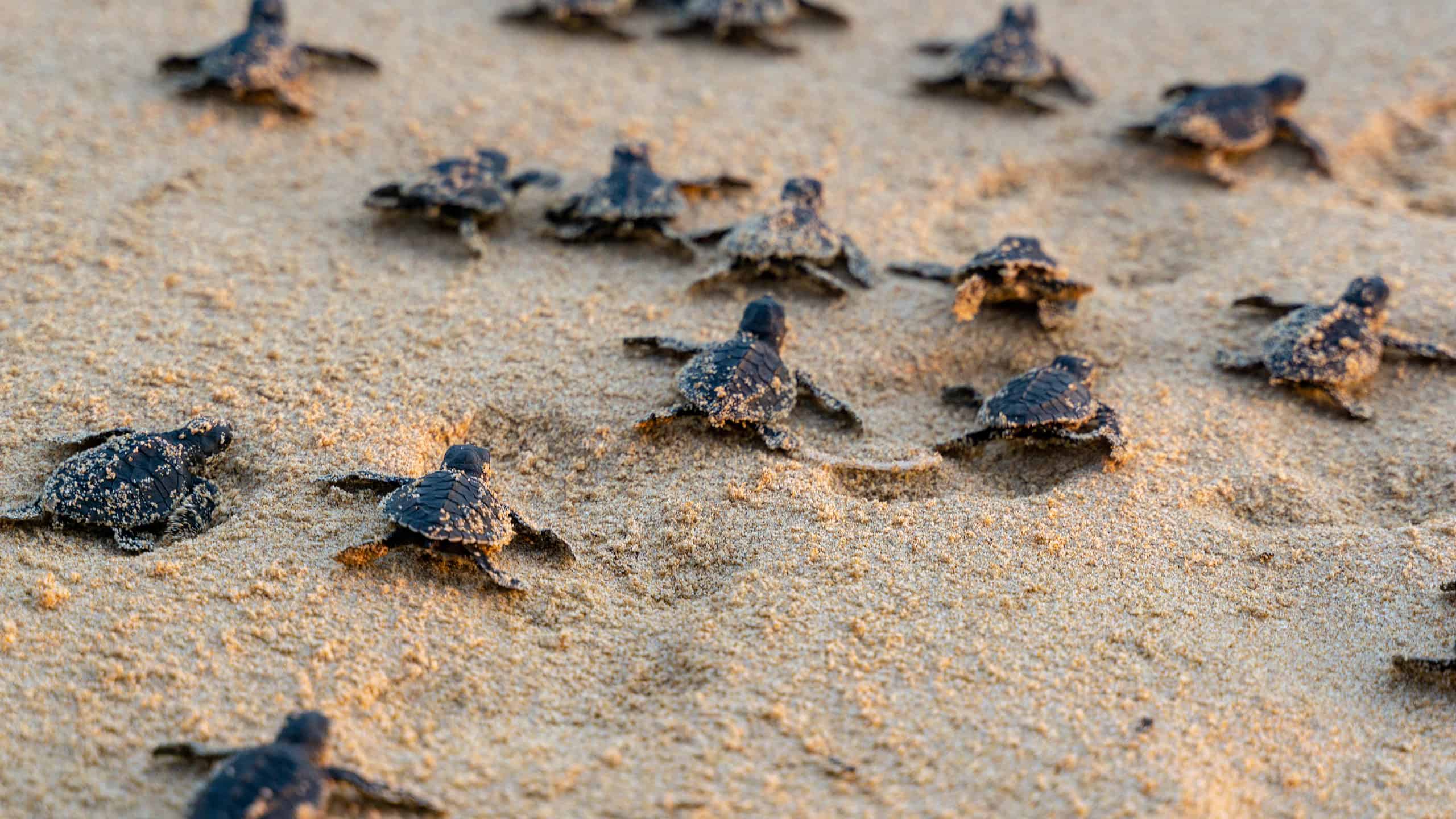
Sea Turtles
©Julian Wiskemann/Shutterstock.com
- Since high temperatures affect sex, rising sand temperatures at nesting beaches skew hatchling toward females, threatening future balance.
- Sea-level rise and stronger storms erode or flood nesting sites, reducing safe areas for egg-laying.
- Warming oceans alter currents and food availability.
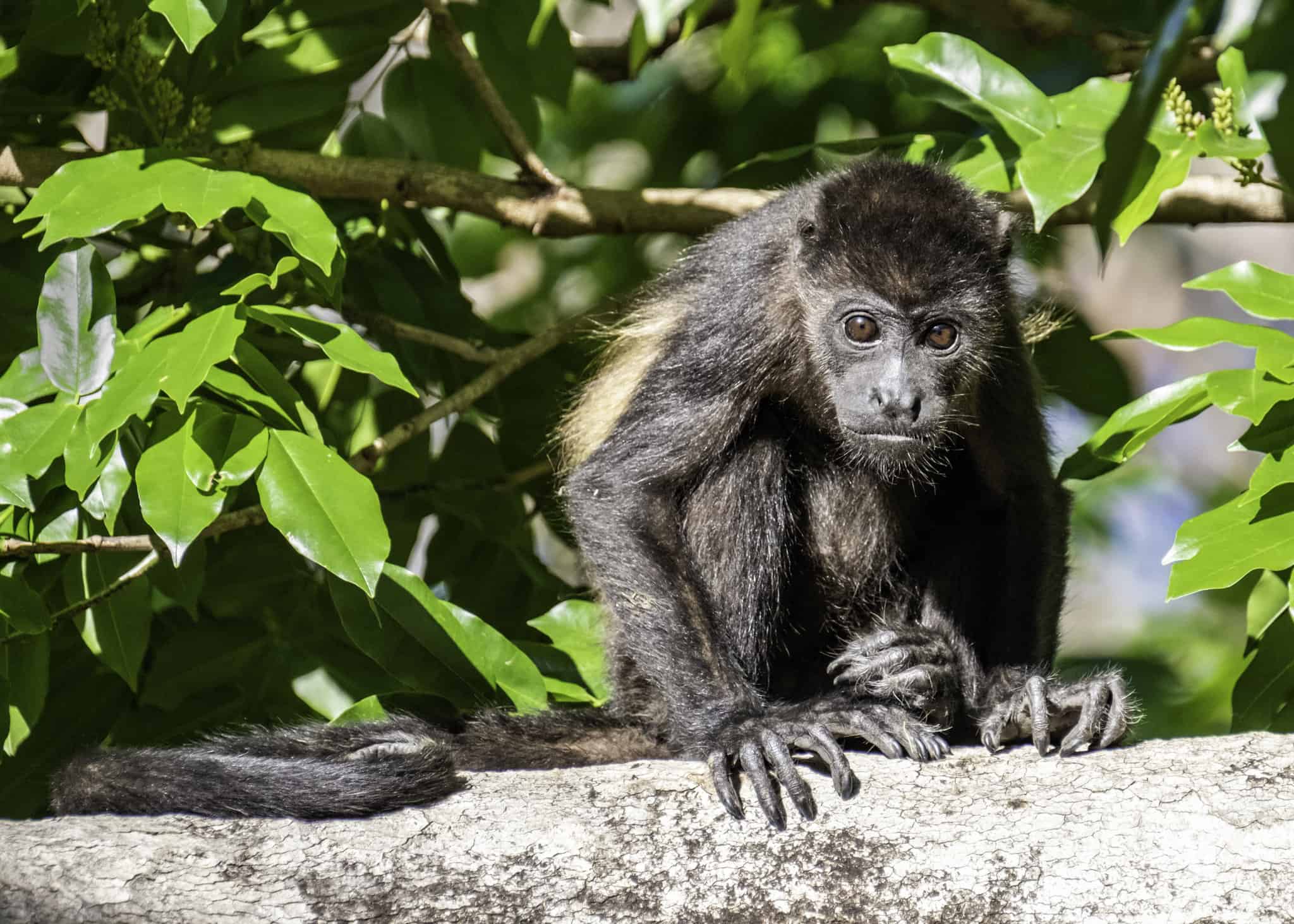
Howler Monkeys in Mexico
©iStock.com/John Fader
- In Tecolutilla, Mexico, monkeys fell from trees due to heat stress.
- At least 83 howler monkeys were found dead.
- Rescuers tried saving survivors with ice and fluids.
Flying Foxes in Australia
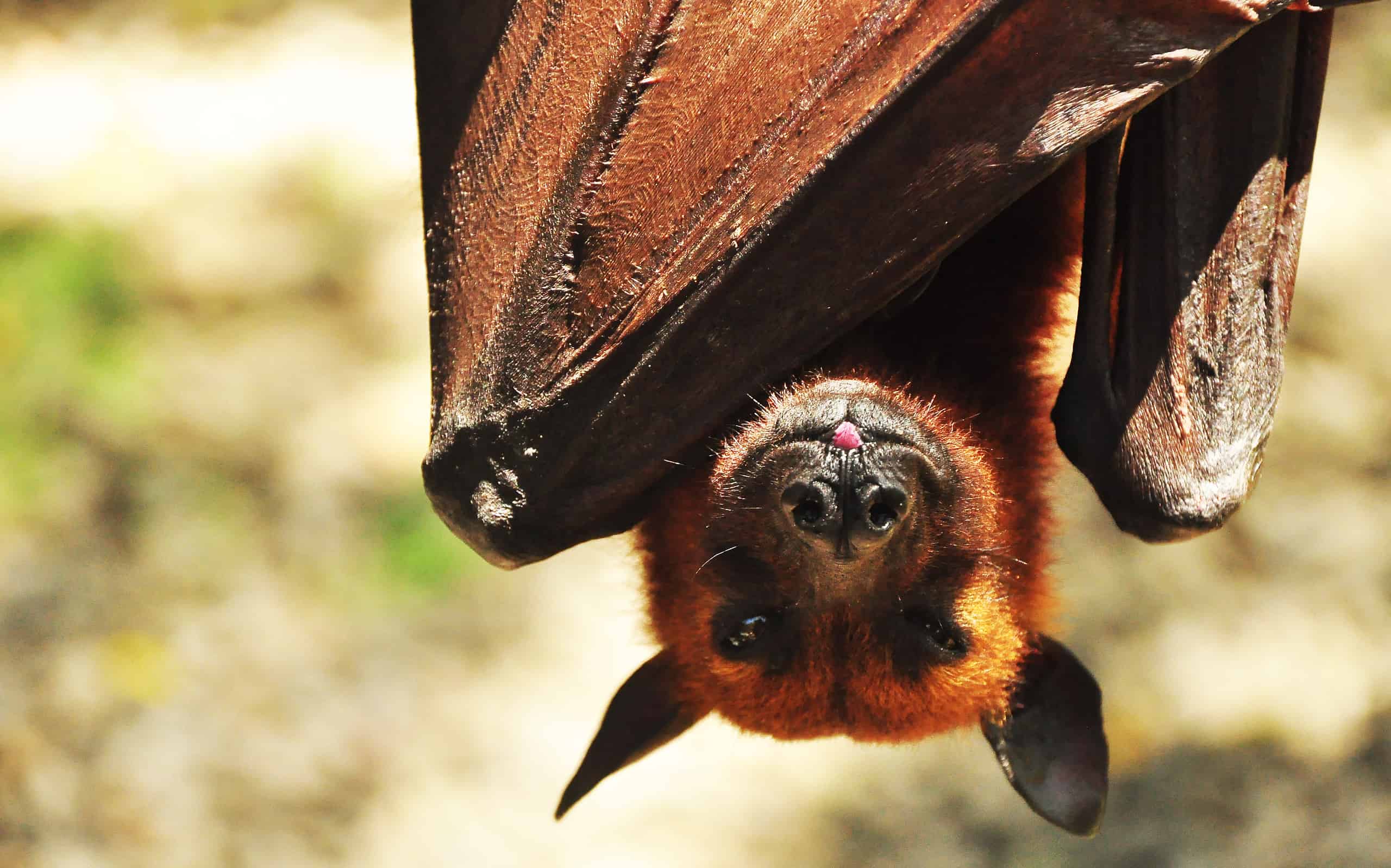
©I Wayan Suarnaya/iStock via Getty Images
- Flying foxes collapsed during record-breaking 42C heat.
- Thousands perished, leaving orphans in rescue shelters.
- Extreme heat has devastated this threatened species.
Bird Populations in Tropics
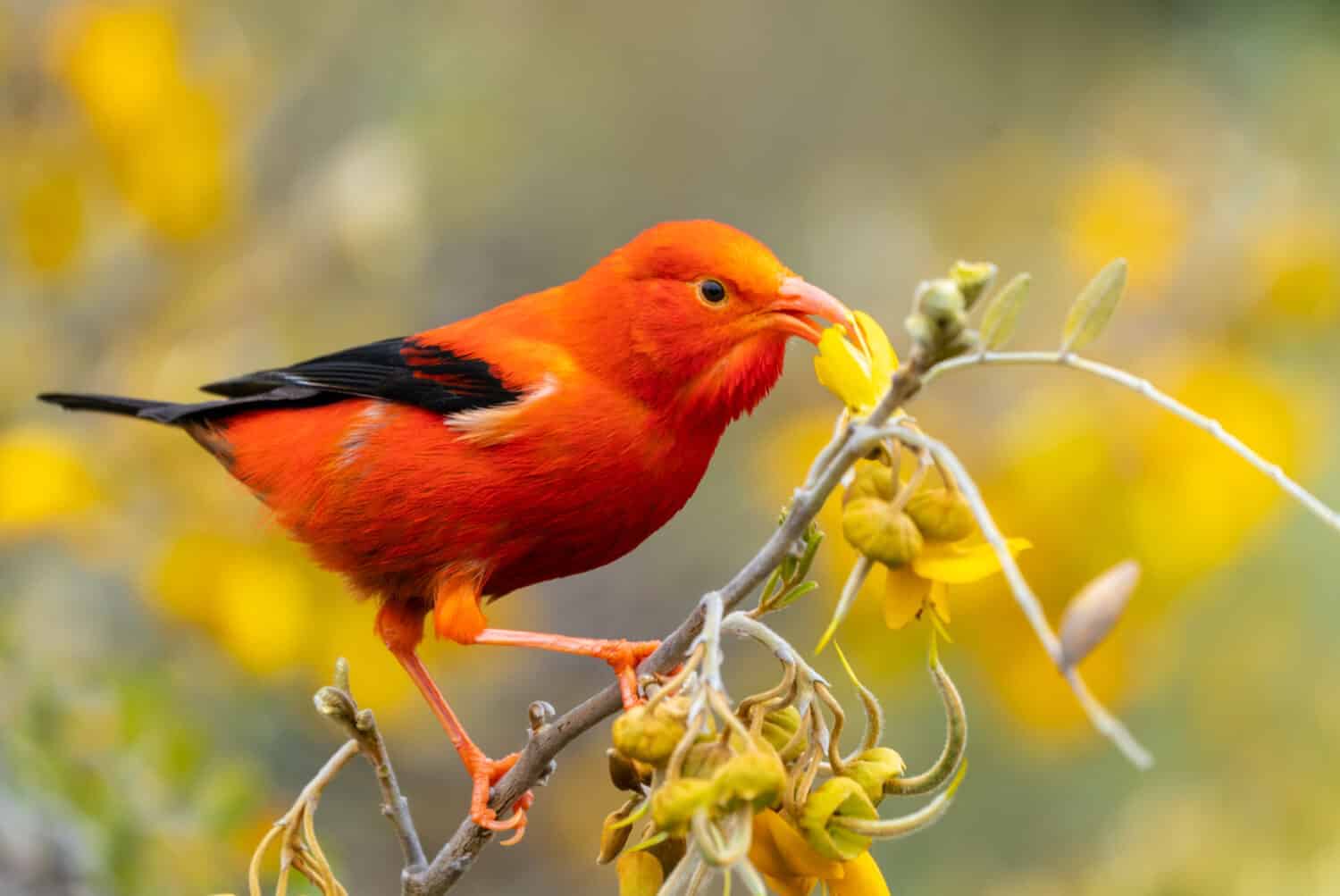
©Charles Bergman/Shutterstock.com
- Studies show tropical birds are most vulnerable to heat.
- Populations declined 25–38% over 70 years due to heatwaves.
- Tropical species already live near heat tolerance limits.
Toco Toucan Decline

©SJ Travel Photo and Video/Shutterstock.com
- Iconic tropical birds like the toucan are heavily affected.
- Dangerous hot days now occur ten times more often.
- Heat extremes are more damaging than deforestation in some cases.
Mass Marine Deaths in Canada
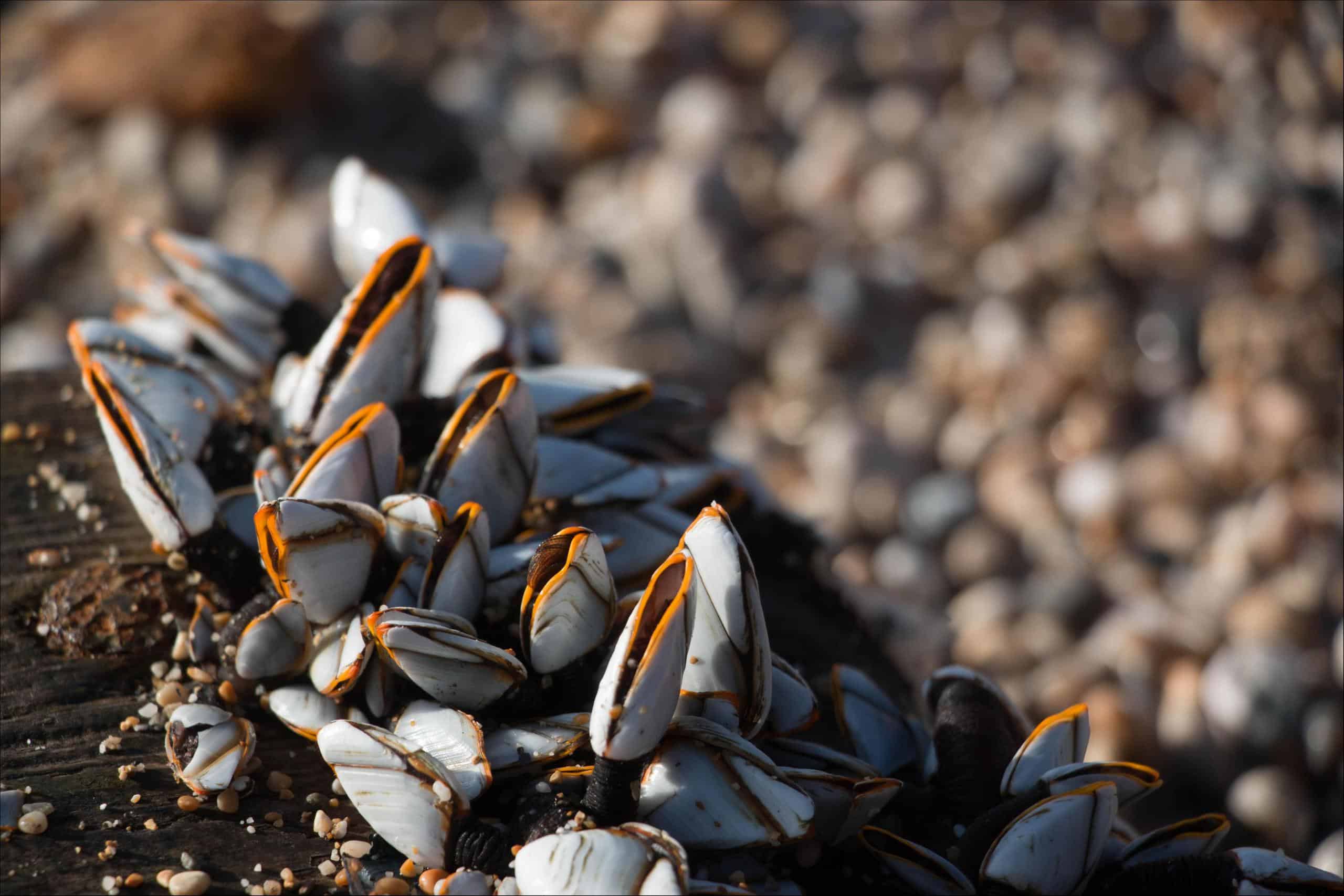
©Malt House Photography/Shutterstock.com
- A 2021 heatwave killed billions of shellfish in British Columbia.
- Barnacles and mussels baked in tide pools at 46C.
- Scientists estimate 10 billion barnacles and 3 billion mussels died.
Insect Populations Under Stress
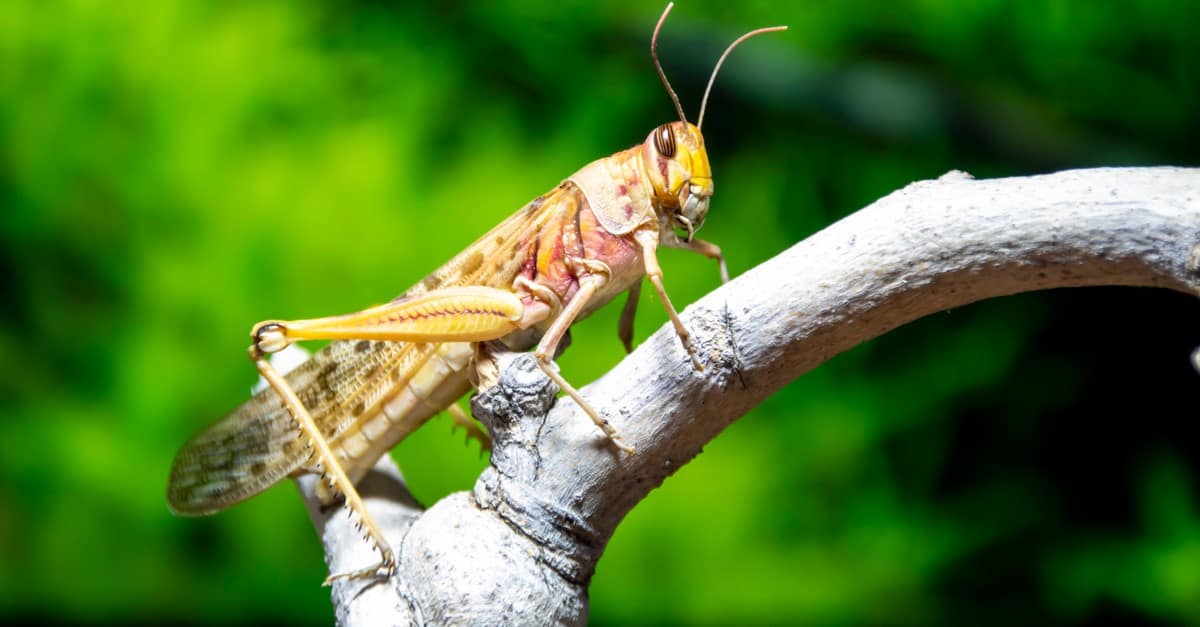
©SubAtomicScope/Shutterstock.com
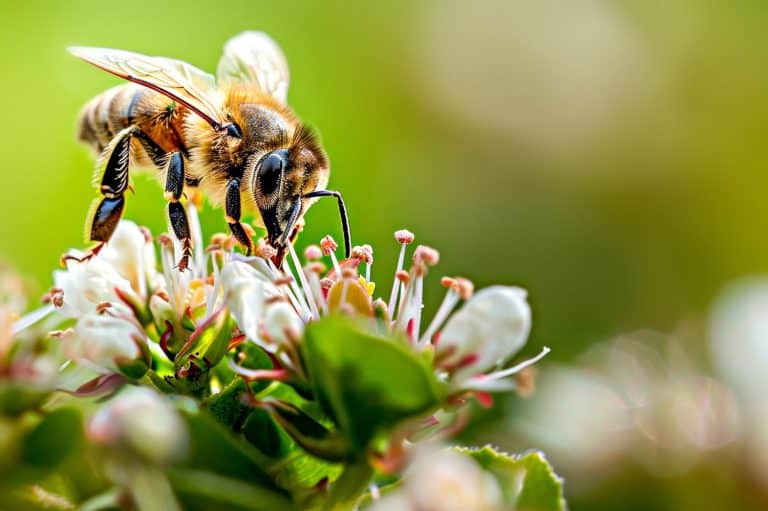
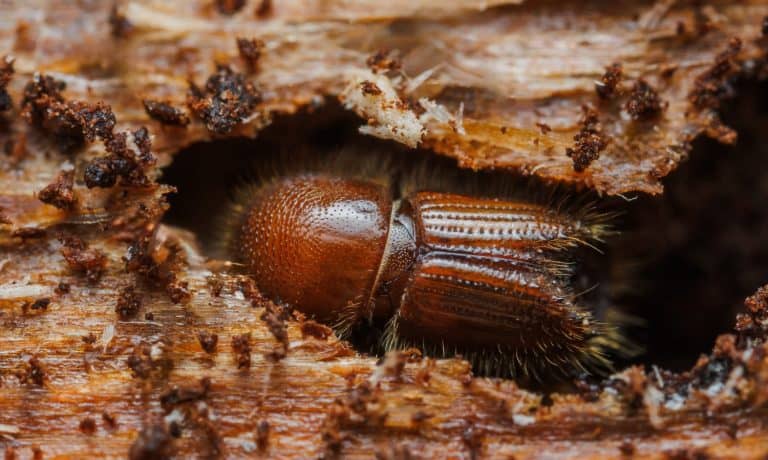
- Insects cannot regulate body heat during heatwaves.
- Some species collapse, while others see temporary outbreaks.
- Extreme heat threatens insects critical to ecosystems.
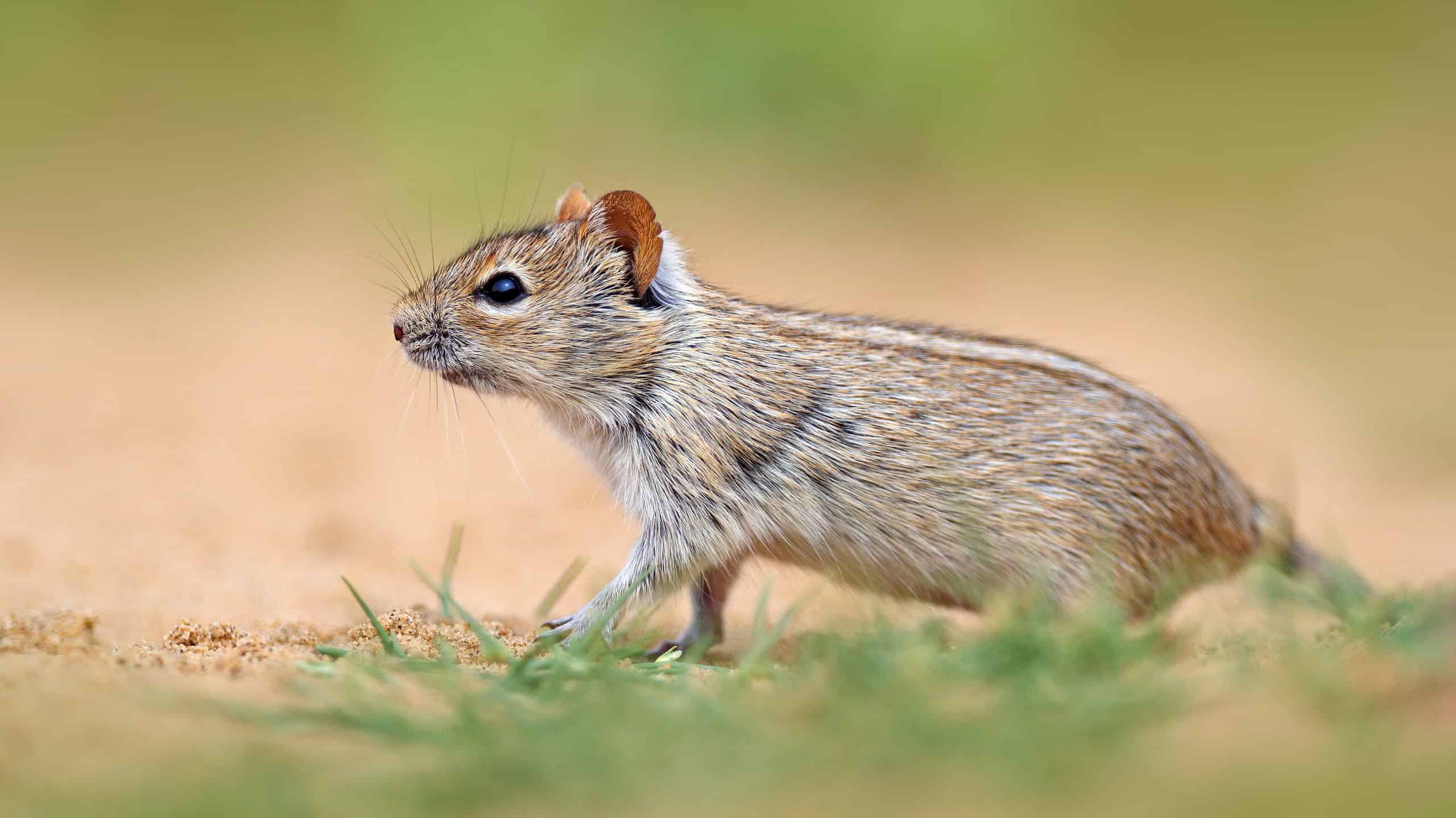
Rodents in Africa
©iStock.com/Ondrej Prosicky
- Heatwaves lower fertility in small mammals.
- African field and rock mice showed testosterone collapse.
- Reproduction could be severely reduced in hotter climates.
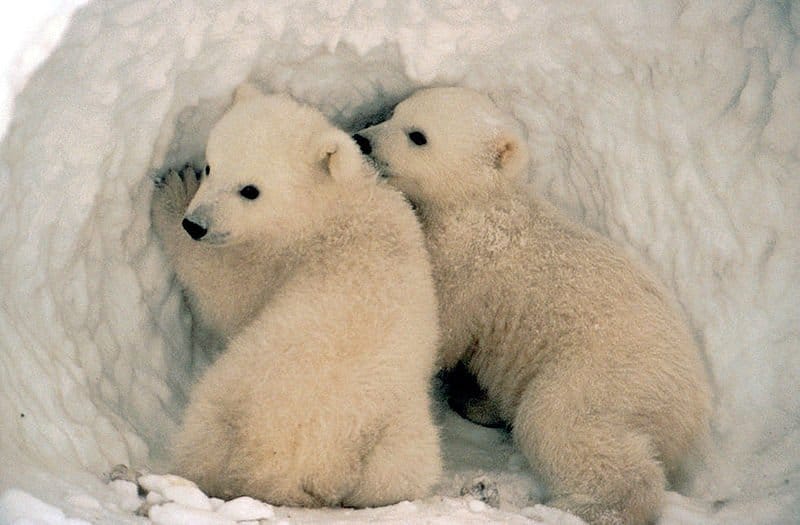
Polar Bears
©U.S. Fish and Wildlife Service - Public Domain
- Though temperatures do not reach extremes in polar bear habitats, rising temperatures are still negatively affecting them
- Melting sea ice shortens hunting seasons, leaving polar bears with less access to food
- Thinner ice makes it harder for mothers to build dens, threatening cub survival and overall reproduction rates.
Behavioral Limits to Survival
©leolintang/Shutterstock.com
- Animals avoid activity during extreme heat to survive.
- This reduces time for feeding and reproduction.
- Dehydration and brain stress can still cause collapse.
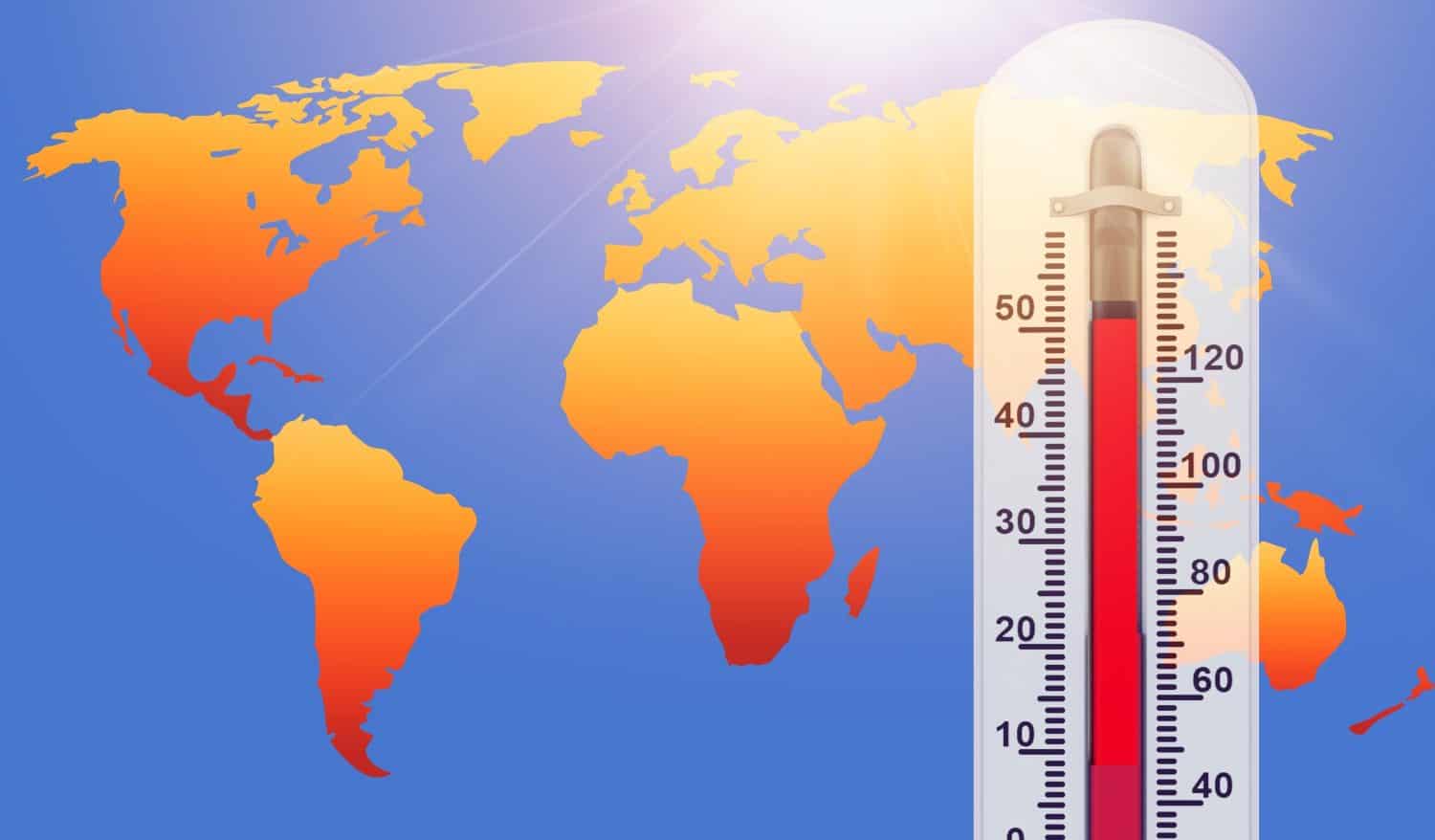
Future of Wildlife in a Hotter World
©Billion Photos/Shutterstock.com
- Heatwaves are intensifying faster than predicted in the tropics.
- Even protected habitats cannot shield species from heat extremes.
- Adaptation may occur, but many species face extinction, as they are unable to adapt quickly enough.