
Quick Take
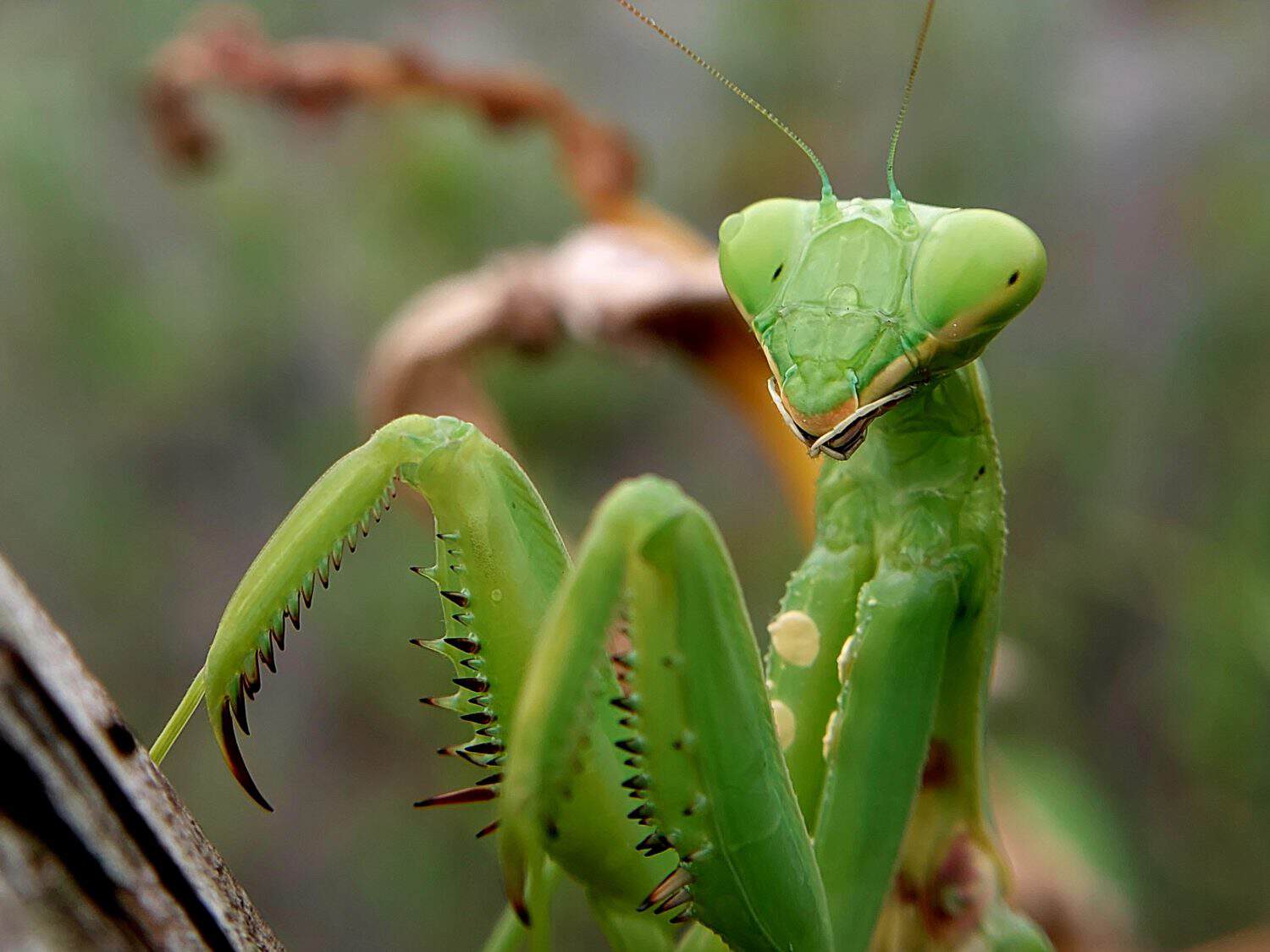
- A mantis doesn't just rely on speed to trap prey. A physical feature on its arms makes escape nearly impossible. See the spined grip →
- Flies are famous for their quick reactions, yet a mantis closes the gap in a way most people wouldn't predict. See the strike speed →
- The mantis's hunting strategy begins long before it ever moves a limb. How stalking works →
- What a mantis chooses to eat depends on its size, and the upper end of that menu is genuinely surprising. Explore their prey range →
Nature is a brutal eat-or-get-eaten world. Praying mantis are one of the many amazing predators that hunt small insects like flies. Using their quick reflexes, they easily pounce on prey in the blink of an eye. This Instagram post by @murphy_guy_brenden catching a meal.
Mantises use their strong and quick arms to grab their prey into a grip before they use their mouth eat.
©SemilirBanyu/Shutterstock.com
How Mantises Hunt
Praying mantises are some of nature’s best hunters. In the video above, a mantis, most likely a praying mantis, is seen hunting a fly. It sits patiently and waits for the prey to wander within striking distance. It then swiftly snatches it into its mandibles. The video is a great look at how quick and efficient these hunters are. Praying mantises’ forelegs are incredibly quick, and some species are able to strike in about .3 seconds. These insects seem almost specifically built for hunting. Their coloring often lets them blend into leaves, flowers, and tree bark, allowing them to sit undetected or sneak up on smaller insects.
Mantises eat many different insects, depending on the species. Smaller species eat similar-sized insects like flies, mosquitoes, and small crickets. Larger species eat insects as large as beetles and cicadas. Exceptionally large species can even feed on lizards and frogs! They do this by holding onto their prey with an extremely strong grip before tearing them apart with their mouth. When prey tries to escape, the mantis relies on more than just strength to maintain their grip. Their arms have small spines that hold onto victims tightly.