
You’ve just gotten a pet hamster and you couldn’t be more excited. It’s fuzzy, tiny, and adorable. Playing with it is a must. While that feeling is understandable, hamsters are delicate, prey animals, so it’s important to understand their needs. Luckily, there are several surefire ways to soothe your hamster.
They require plenty of enrichment, but they also need enough space to feel comfortable. Let’s explore six essential ways to achieve the right balance to keep your hamster safe, comfortable, and happy.
Give Them Space
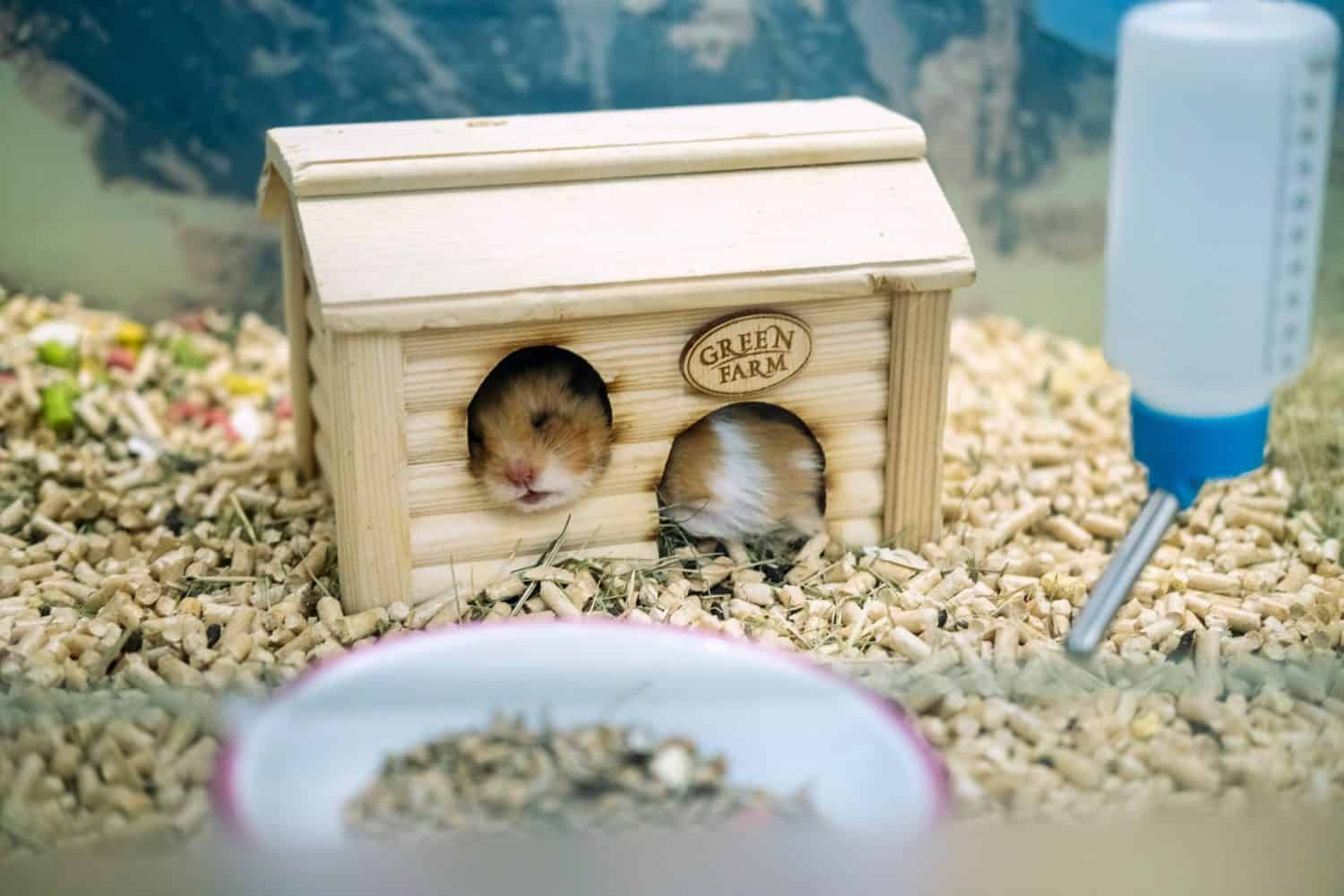
Hamsters need time to adjust to new surroundings, even if your home is safe.
©Natalya_Maisheva/Shutterstock.com
You know the feeling—the big day has come. There’s a new pet in your house, and you can’t help but watch them closely, cuddle with them, and play with them as much as you want. While this is understandable behavior when getting to know your new furry companion, hamsters have social batteries, too. That’s why it’s important to give them time to adjust to their new home.
Moving environments can be stressful for any animal, especially prey animals like hamsters. Your home may be safe, but it will initially seem like a threat to them. Give them some space, and if possible, leave a bit of their old nesting materials around so they have something familiar to help them adjust. Give them a day alone before you introduce yourself, but don’t handle them yet. Provide a treat and be patient.
Activities and Enrichment
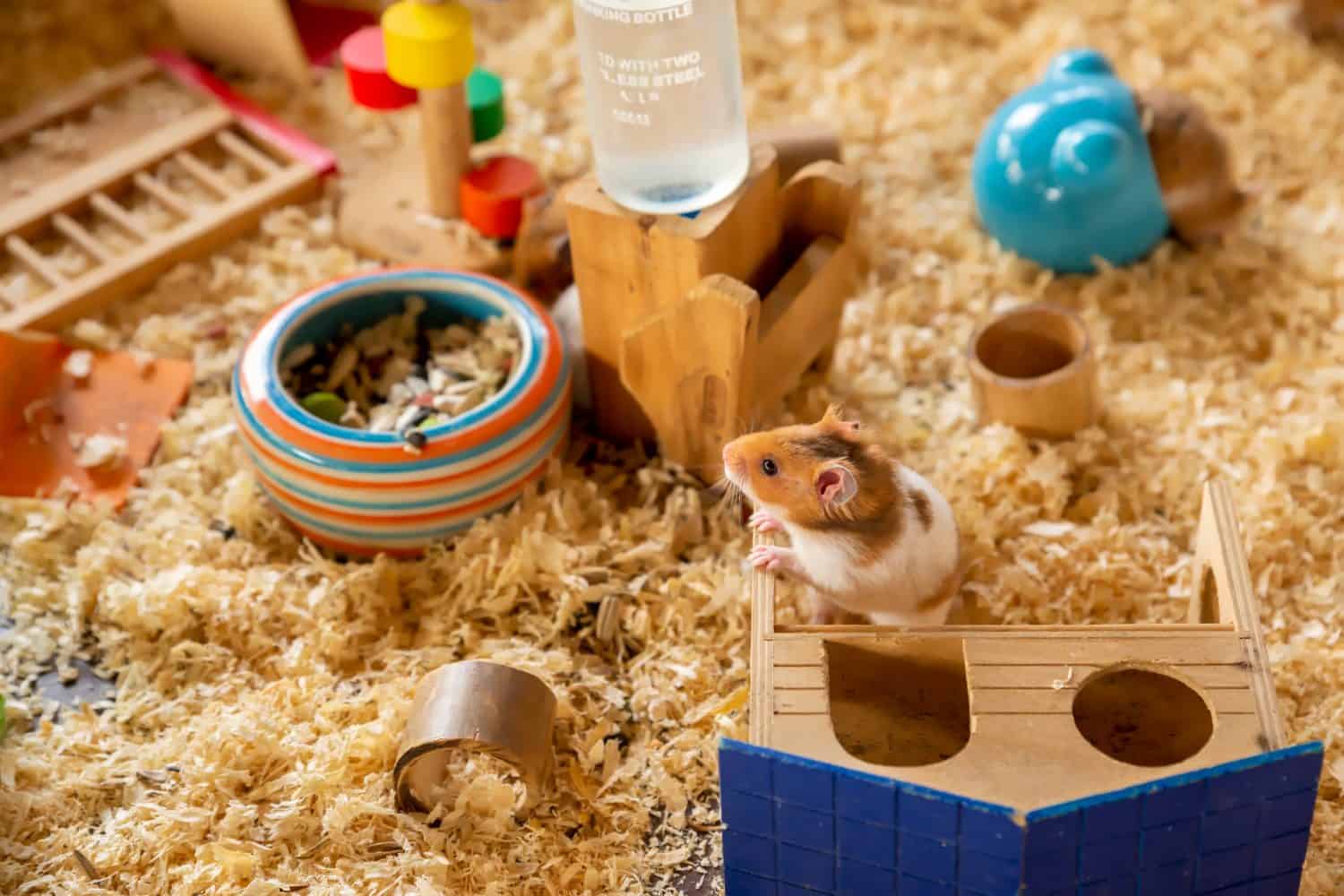
As prey animals, hamsters thrive with plenty of stimulation and bedding for digging burrows.
©FUN FUN PHOTO/Shutterstock.com
Like any creature in a cage, hamsters can get bored without stuff to do. That’s why it’s important to provide their cage with a variety of enrichment activities. Things like cardboard, sand, seed sticks, exercise wheels, and little wooden or plastic hideouts should do the trick. Since hamsters are prey animals, they actually prefer a cage full of stimulation.
Materials like cardboard or fiber bedding provide them with a way to hide and dig tunnels. The more bedding, the better—six to ten inches of bedding gives them ample space to build hideouts. Hamsters feel safer when they can burrow and hide under paper bedding. If they have wheels, platforms, and tunnels, they won’t get bored as easily.
(Not-So-Regular) Cleaning
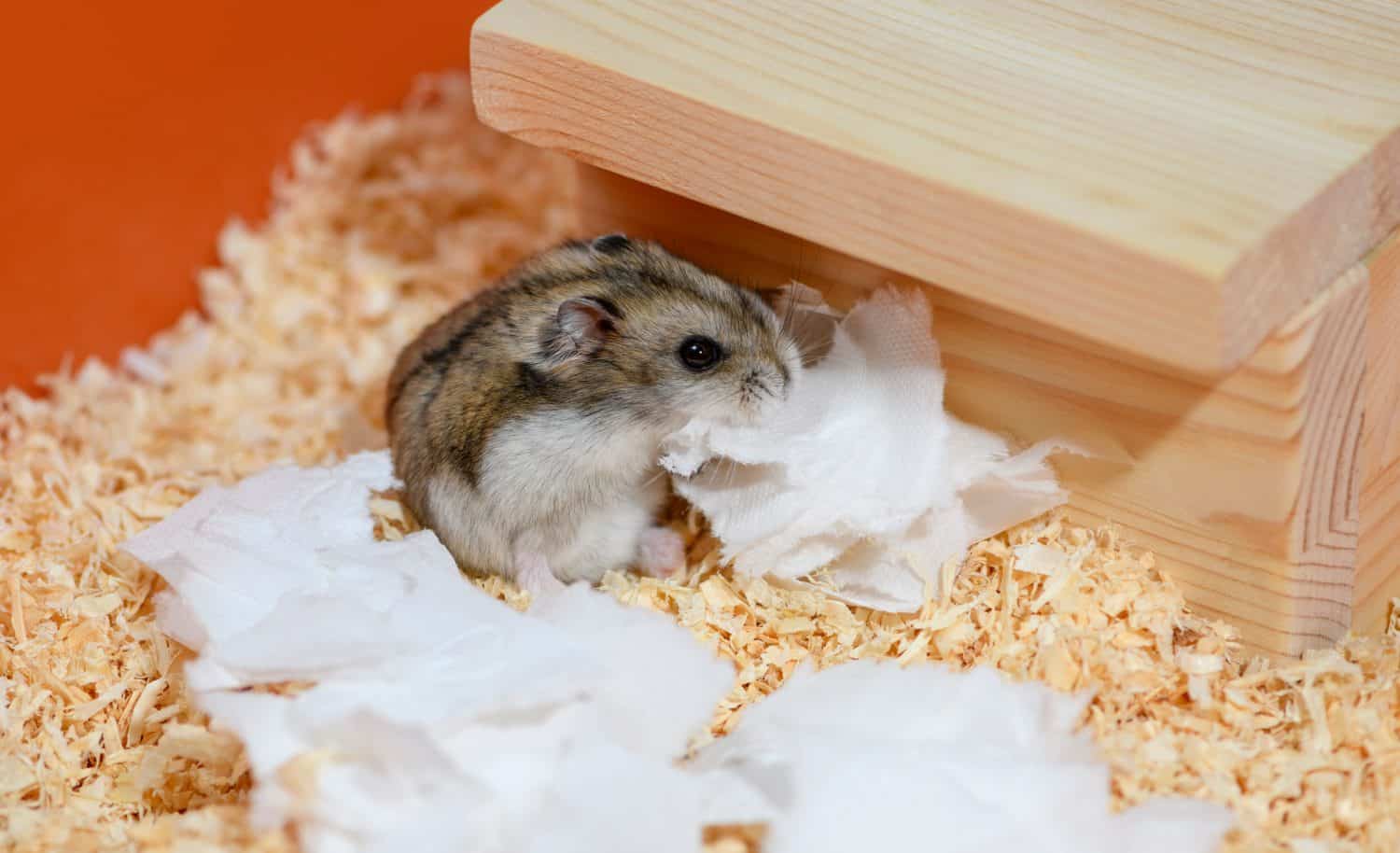
Hamsters may like clean cages, but they also rely on familiar scents.
©IRINA ORLOVA/Shutterstock.com
You may be saying to yourself, why wouldn’t you want to clean your hamster’s cage as much as possible? While it may seem like the hygienic thing to do, hamsters need familiarity to function well. If you clean their cage too much, you rob them of familiar scents. Hamsters don’t have great eyesight, so they rely heavily on their sense of smell.
If anything, it’s better to spot clean their cage. You can start by cleaning their hideouts, water bowl, and toilet area, but be careful not to overdo it. Consider doing a full clean every two to four weeks, depending on cage size and soiling, with regular spot cleans in between. When you embark on a full cage clean, be sure to keep some old nesting or bedding material around so they feel comfortable in their newly cleaned cage. Hamsters need familiar scents to function.
Field Trips
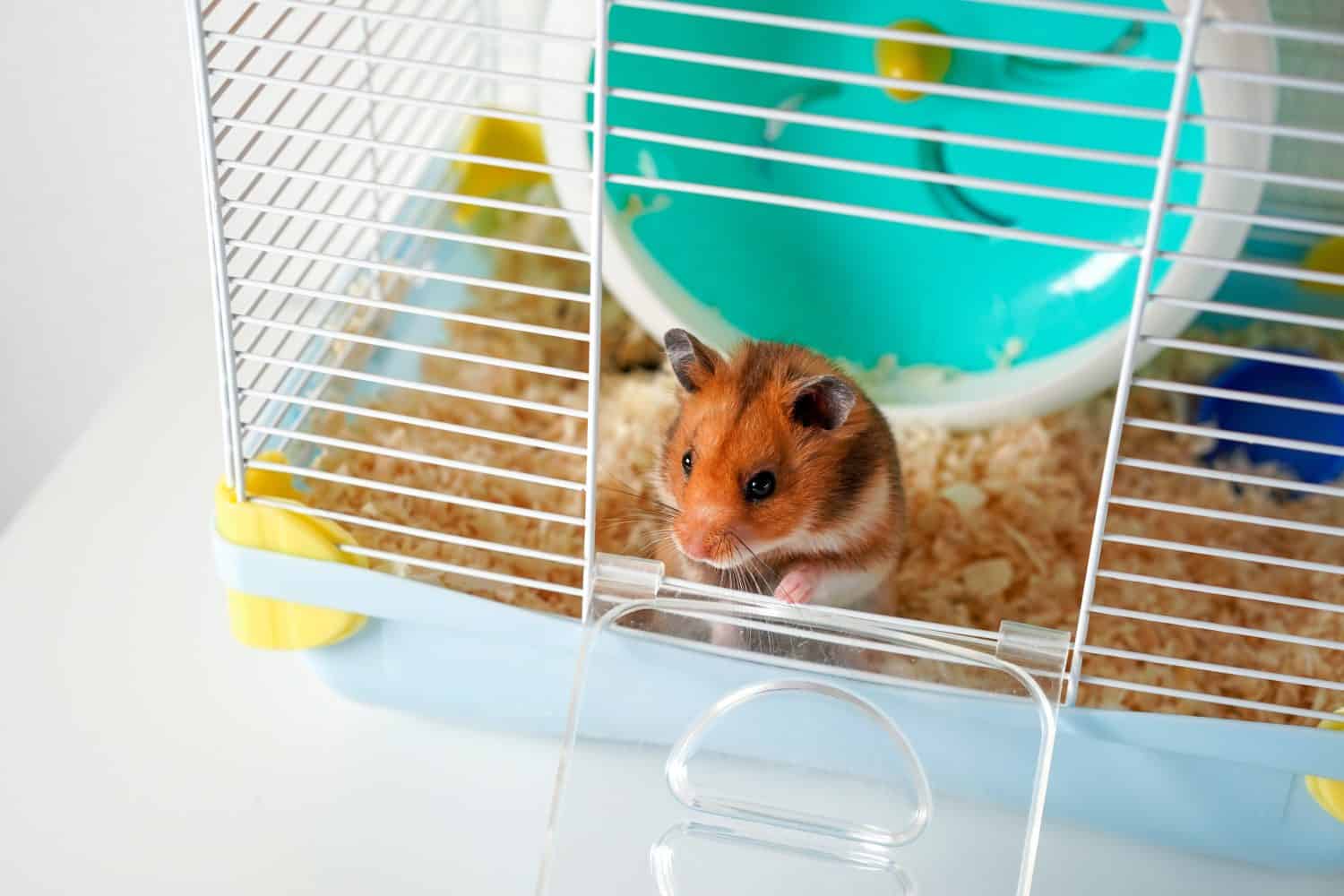
Hamsters love confined spaces, but crave some space to stretch their legs every so often.
©AlexandrinaZ/Shutterstock.com
Hamsters feel safe in confined spaces, but that doesn’t mean they don’t get cabin fever once in a while. Even if they are equipped with the most exciting, breathable, and enriching cage in existence, they still need to stretch their legs. A telltale sign that they want a field trip is if they wait by their cage door or even try to open it themselves.
While it’s important to give them time outside of their cage, be sure they are comfortable with you first. You shouldn’t take them out of their cage on the day you two meet. Once they know you well, be calm and patient while taking them out for some playtime. If they seem nervous about the process, give them more time before encouraging them to explore outside their cage.
Structure
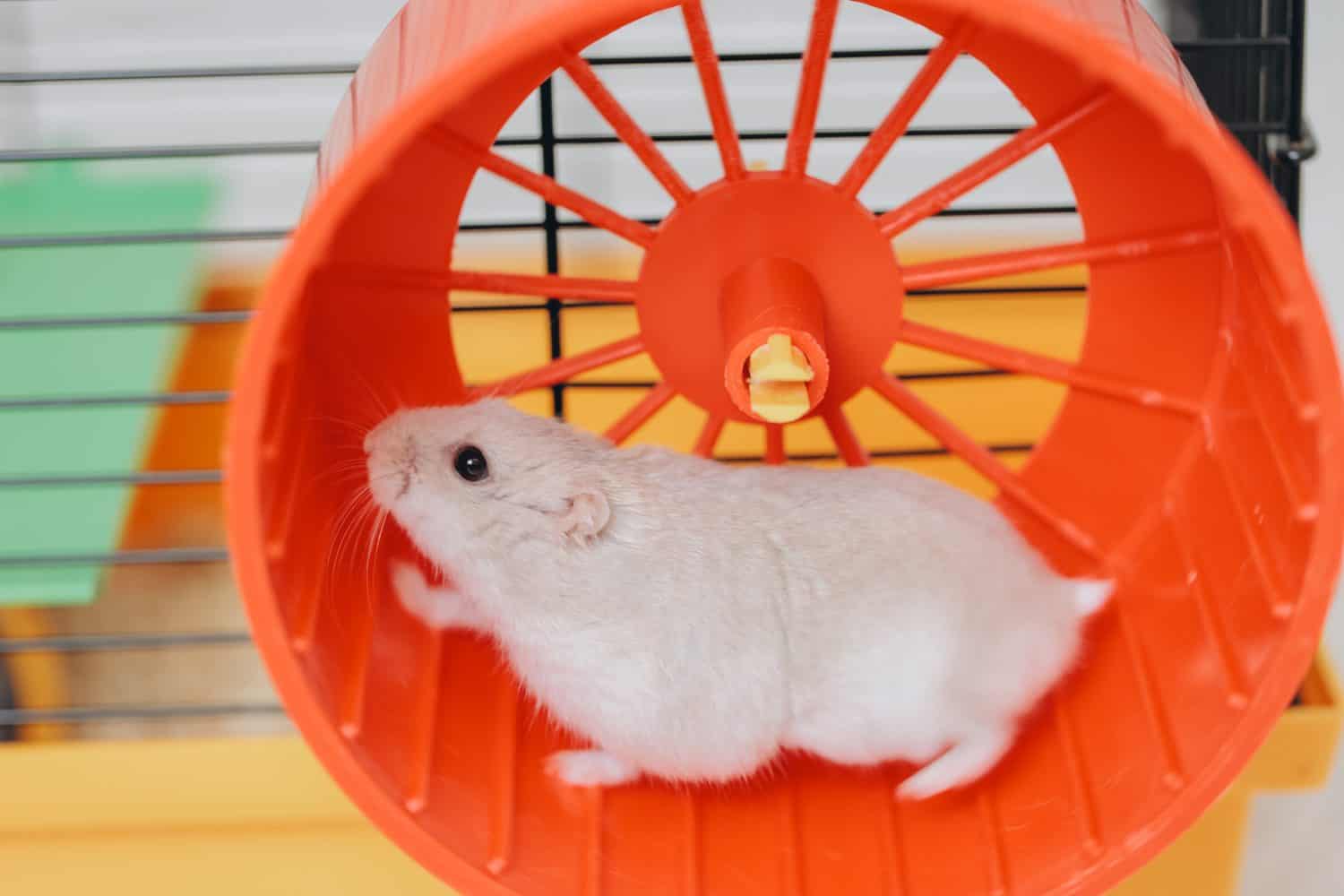
Hamsters need routine and visiting them should fit into their schedule instead of throwing it out of wack.
©Anatoliy Cherkas/Shutterstock.com
Like any creature, including humans, hamsters thrive when following a regular routine. They may seem to move around randomly, but that’s not the case. Upon closer inspection, you’ll notice that your hamster has a regular routine; they likely wake up, groom themselves, get some breakfast, and even get some exercise.
While this may not be the exact order, observing your hamster’s daily movements will give you a good idea of their routine.That’s why it’s important to fit yourself into their routine. Try to visit them around the same time every day so you don’t throw their pattern all out of whack. You’ll know you’re fitting into their schedule if you find them waiting for you at your usual visiting time.
Room to Breath
©Wang Sing/Shutterstock.com
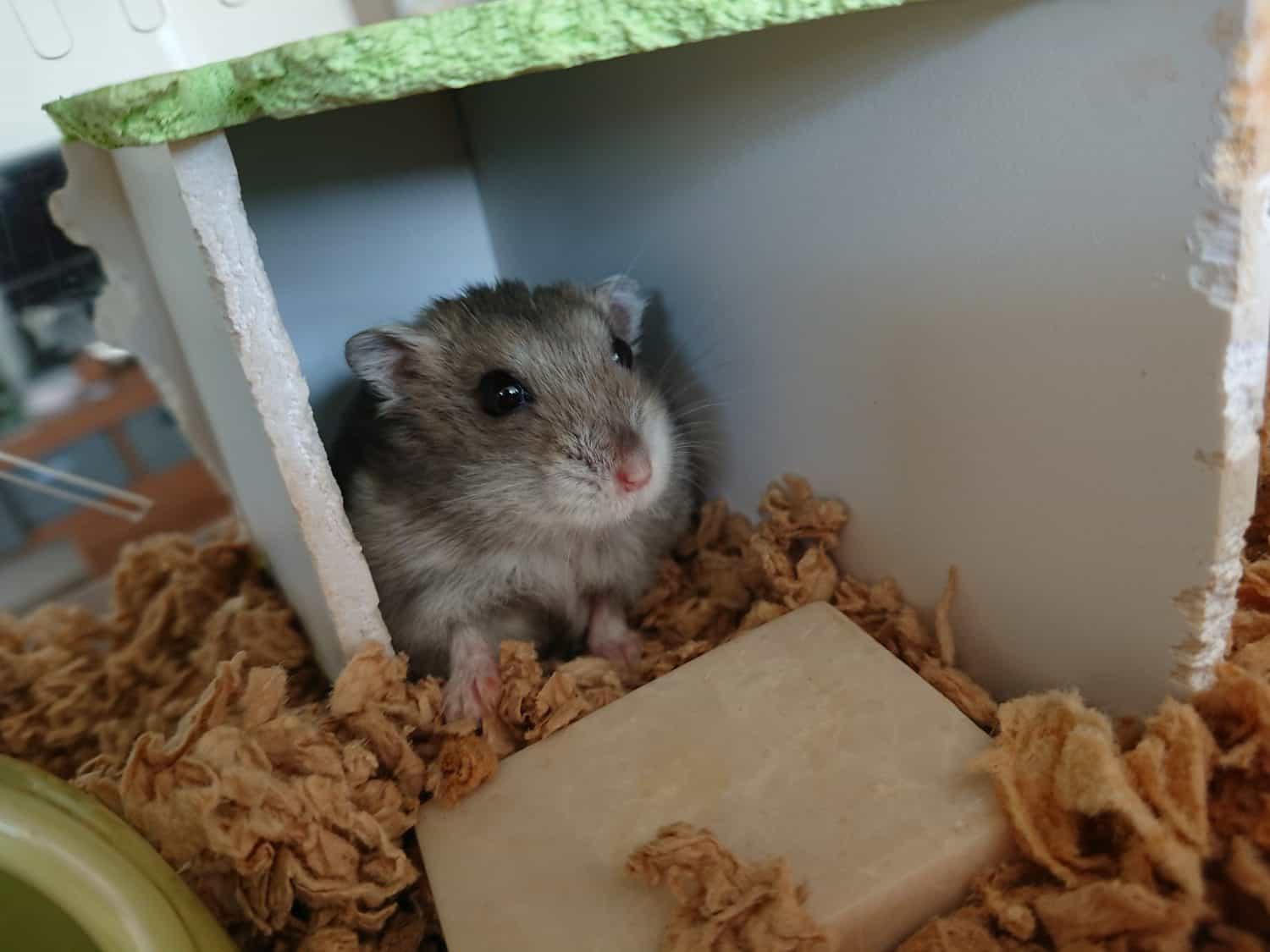
Hamsters may love plenty of bedding material for digging burrows, but that doesn’t mean their cage should be tiny. Quite the opposite, in fact; hamsters should have at least 775 square inches (about 5000 cm²) of unbroken floor space in their cages, with more space always being better for their well-being.
You will know that their cage is too small if they start exhibiting behavioral problems. Behaviors like hyperactivity, aggression, and chewing their cage bars are signs that they need more room. It’s all about finding a balance between bedding depth/density and floor space for hamsters so they can thrive.