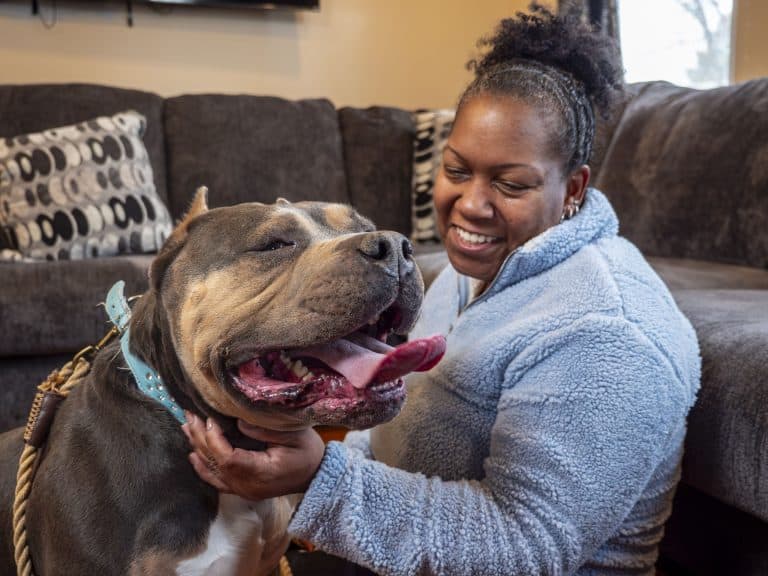

Pet abandonment is a growing issue in the U.S., driven by rising living costs, economic and housing instability, and impulse adopters who either do not consider the long-term responsibilities or cannot afford the financial obligations of pet guardianship. National data show that animal shelters are seeing more surrendered and stray animals, with some organizations reporting significantly more owner surrenders than in previous years. With that in mind, A-Z-Animals has created a list of seven ways you can help your local animal shelters and rescue organizations this holiday season.
Donate Money
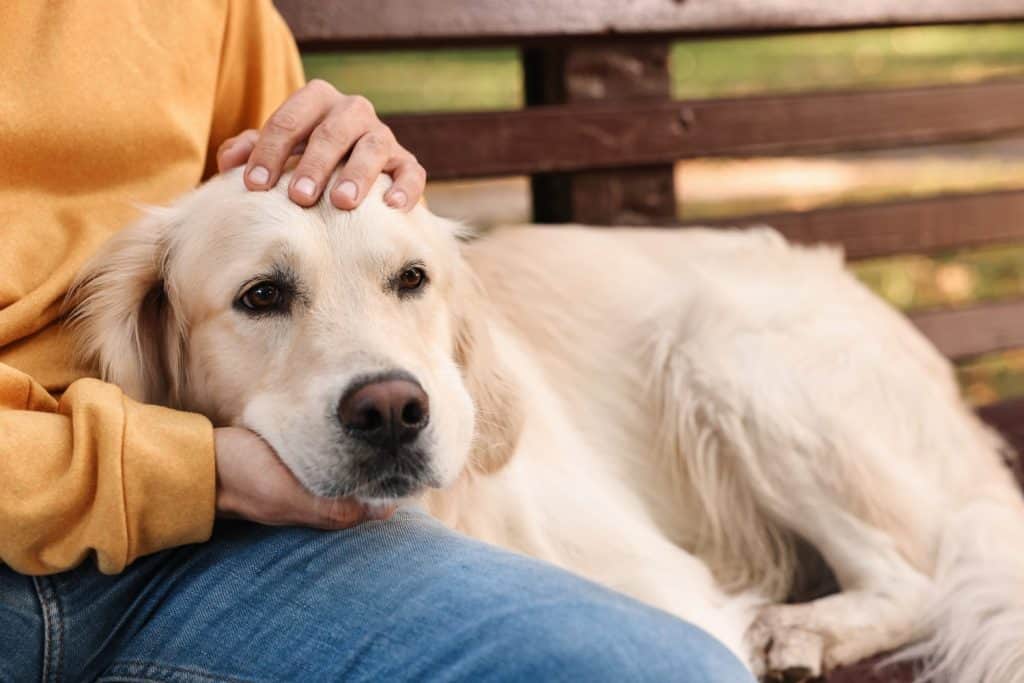
Approximately 3.1 million dogs and 3.2 million cats enter U.S. shelters annually.
©New Africa/Shutterstock.com
If you’re strapped for time but flush with cash, consider a monetary donation to your local animal shelter. Cash donations offer maximum flexibility to cover costs such as emergency medical treatments, operational expenses, and staffing, helping shelters fulfill their mission of caring for animals in transition. While shelters often have wishlists, monetary donations allow them to purchase specific items as needed. Money also helps cover the costs of maintaining clean, safe, and comfortable facilities for the animals.
Donate Supplies

Cleaning supplies and paper towels are two items that shelters almost always need.
©iStock.com/golibtolibov
Supplies like food, blankets, cleaning products, and toys directly support an animal’s health and well-being, while also saving the shelter money that can be reallocated to services like spay/neuter programs. The most requested items on animal shelter wishlists include food and treats, cleaning supplies, linens, toys, and cat litter. Shelters also frequently need donations of new or gently used items, such as collars, leashes, and small animal carriers.
Always contact your local animal shelter before donating supplies. Calling or checking their website ensures your donation is something they need and can use. This saves the shelter from having to sort, store, or dispose of unwanted items. Many animal shelters now use online wishlists, making it simple to donate supplies.
Volunteer Walker

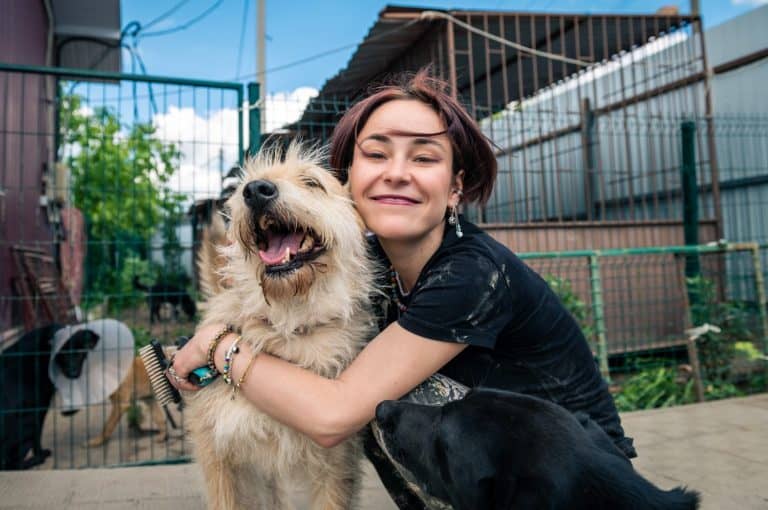
Routine walks provide shelter dogs with a much-needed breath of fresh air.
©BCFC/Shutterstock.com
Volunteering as a dog walker at an animal shelter provides dogs with exercise, socialization, and training. Regular walks improve the dogs’ physical and mental health, increasing their chances of finding a forever home. These walks offer opportunities for dogs to interact with people and other dogs, which is critical to their mental and emotional well-being.
Volunteering offers the walker both physical and emotional benefits, such as improved physical health from exercise and reduced stress from interacting with animals, which has been proven to boost your mood.
Volunteer dog walkers must be physically able to handle the demands of walking dogs. They must also commit to training, follow a consistent schedule, and be reliable. Volunteer dog walkers must be able to handle various breeds and temperaments in all weather conditions. Most animal shelters require volunteers to be at least 16 years old to walk dogs independently. Some shelters allow younger teens (typically 13-15) to walk dogs with a parent or guardian present, while others require volunteers to be 18 or older.
Volunteer Transportation
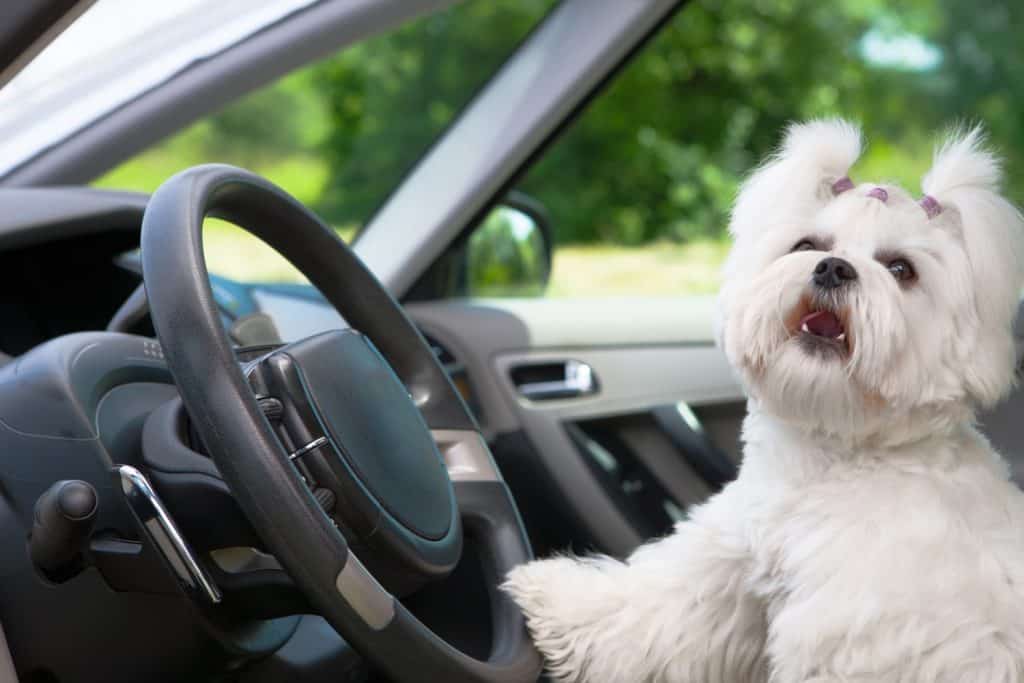
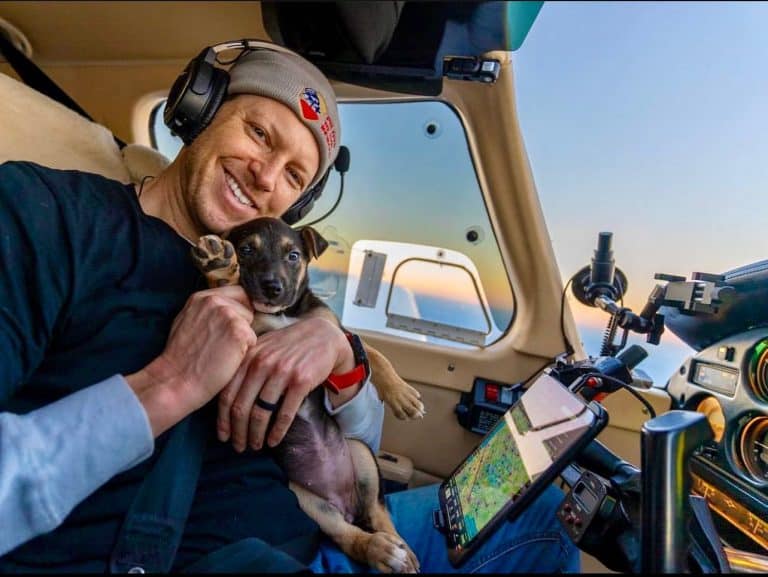
Enjoy driving and love animals? Volunteering your time as a pet chauffeur might be for you.
©Monika Wisniewska/Shutterstock.com
Animal shelters use volunteer drivers for tasks such as transporting animals to and from veterinary appointments, other shelters, and foster homes. Requirements typically include having a valid driver’s license, proof of insurance, and passing a background check. Most shelters require volunteer drivers to be at least 18 years old. Drivers may also need to be able to lift animals and comply with other specific shelter policies. A volunteer driver for an animal shelter may drive across town to a vet appointment or travel across state lines to deliver animals to their forever families.
Donation Drive

Donation drives can pool resources for maximum effect.
©zamrznutitonovi/iStock via Getty Images
Spearheading an animal shelter donation drive doesn’t have to be taxing or time-consuming. Start by contacting the shelter to determine its most pressing needs, such as food, bedding, or medical supplies. Next, promote your drive using social media, email, and community partnerships. Secure a central location and/or satellite locations to serve as physical drop-off sites for donated goods. Sharing an online wishlist or gift registry allows donors to send items directly to the shelter.
Fundraiser (Restaurant/Happy Hour)

Locally owned restaurants and coffee shops are great places to hold fundraisers.
©PeopleImages.com – Yuri A/Shutterstock.com
Partnering with a restaurant or coffee shop to donate a specific percentage of their proceeds during a designated time is a mutually beneficial fundraising strategy. These dine-to-donate events help animal shelters raise funds, increase community engagement, and expand their donor base. For the business, it generates increased traffic, positive publicity, and customer loyalty.
Locally owned businesses are typically happy to host these events, which require minimal organization. Establish your location, the percentage to be donated, and the timeframe for the event, then share the details online. Consider asking the venue if they would be willing to sponsor quarterly fundraisers, which would provide the shelter with a recurring income stream.
Professional Skills
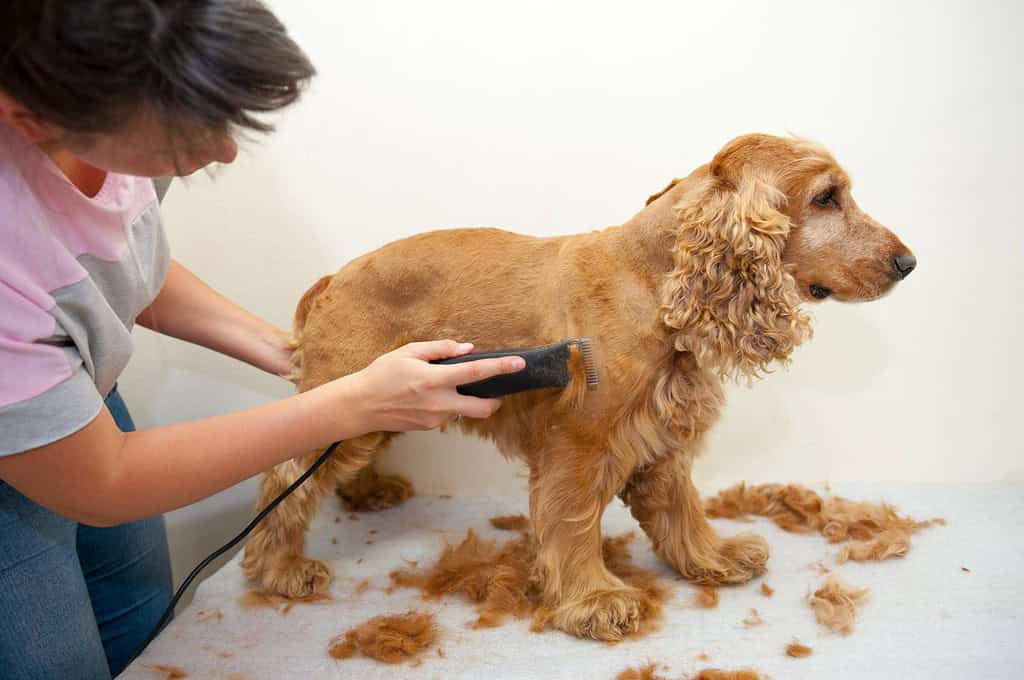
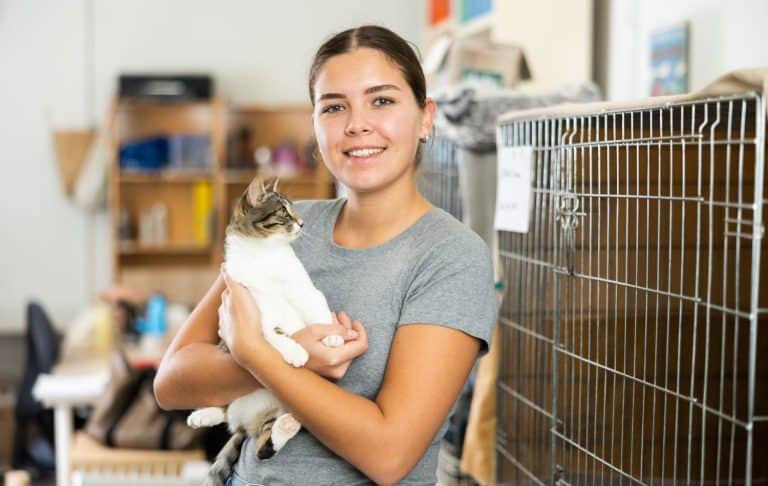
Shelters can always use extra helping hands.
©Anton Gvozdikov/Shutterstock.com
Many shelters would struggle to operate and provide adequate care without the help of dedicated volunteers. Volunteers are the lifeblood of animal shelters, offering support that ranges from hands-on animal care to legal aid. Whatever your expertise, offering your services can make a real difference, as shelters need a wide range of professional skills. Your talents can help in unexpected ways, such as public relations or designing promotional materials. If you have a skill or service to offer, reach out to your local animal shelter. Volunteering with animals is a great way to get into the holiday spirit, boost your mood, reduce stress, and make a positive contribution to your community.