Quick Take
- Camera traps recorded 45 mammal species in Laos' Nam Ha National Protected Area, but significantly more species were found away from tourist routes.
- Large mammals, including Asian elephants and sun bears, appeared to avoid areas frequented by tourists.
- Animals may associate the presence of people with the threat of hunting, even when tourists pose no direct danger.
- Ecotourism can still help protect wildlife by supporting local communities, preserving forest habitats and funding conservation efforts.
Ecotourism is often regarded as a positive way to protect wildlife by encouraging people to visit natural habitats while providing local communities with income. However, though tourists might be helping the local area, their presence could also be having an unexpected effect on the animals that live there. New data has revealed that animals in Laos might be avoiding areas people regularly frequent. This has raised an interesting question: is ecotourism making habitats less attractive to the animals that it is intended to protect?
Ecotourism in Laos
Nam Ha National Protected Area is the fourth-largest national protected area in Laos, spanning approximately 860 square miles. The area consists mostly of forests. However, it also has three important rivers in it, which all drain into the Mekong River. Nam Ha is home to a variety of wildlife, including clouded leopards, Asian elephants, tigers, and munjac deer. Unfortunately, the area has also experienced major pressure from hunting as well as the loss of trees through slash-and-burn agriculture.
The Nam Ha National Protected Area is home to thousands of people across many small villages and communities. Therefore, an ecotourism initiative was developed in the area in 1999 to support the local economy. Several of the local villages become hosts to lodges and camps for tourists, while community members also became guides.

Clouded leopards are an endangered species living in the Nam Ha Protected Area.
©jdross75/Shutterstock.com
Another aim of Laos’ ecotourism initiative is to help wildlife by creating safe areas for them where hunting is less likely to take place. Illegal hunters are less likely to target animals in areas where there are more tourists and guides for fear of being reported. Additionally, these hunters may be less willing to kill the animals if they can see the local community is benefitting from them.
Do Wild Animals Avoid Tourists?
Researchers wanted to discover whether tourism really has been helping wildlife. A recent paper has now revealed the results of the study, which took place using camera traps at 59 different spots across Nam Ha between 2013 and 2019. The results are quite surprising. The study recorded 45 species of mammals across Nam Ha, with 37 directly recorded by the camera traps. The results showed a clear difference between the areas closest to tourist routes and those in quieter parts of the forest. Sites closer to tourist trails had an average of 4.58 species in the vicinity, while those further away had an average of 8.39 species.
4.6
average species recorded per site
- Sites further from tourist trails
- 8.4
- Sites closer to tourist trails
- 4.6
- Change
- down 45%
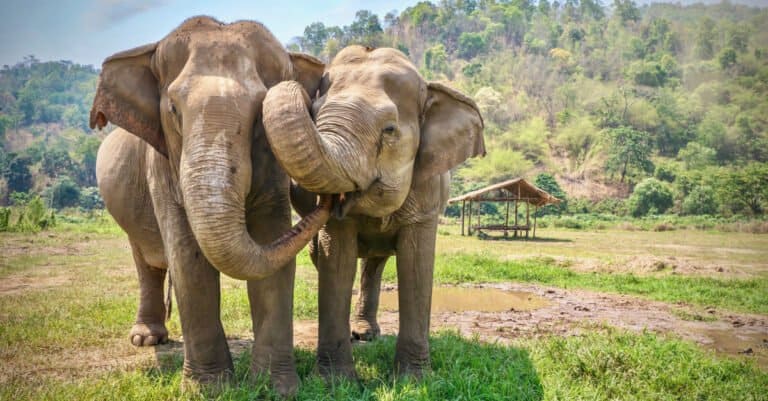
There were six species that were only detected close to trekking or tourist routes. However, there were eleven species that were only recorded in areas without any nearby tourism, including Asian elephants and sun bears. This suggests that they might be actively avoiding people. They may associate tourists with danger as they can’t distinguish between a tourist and a hunter.
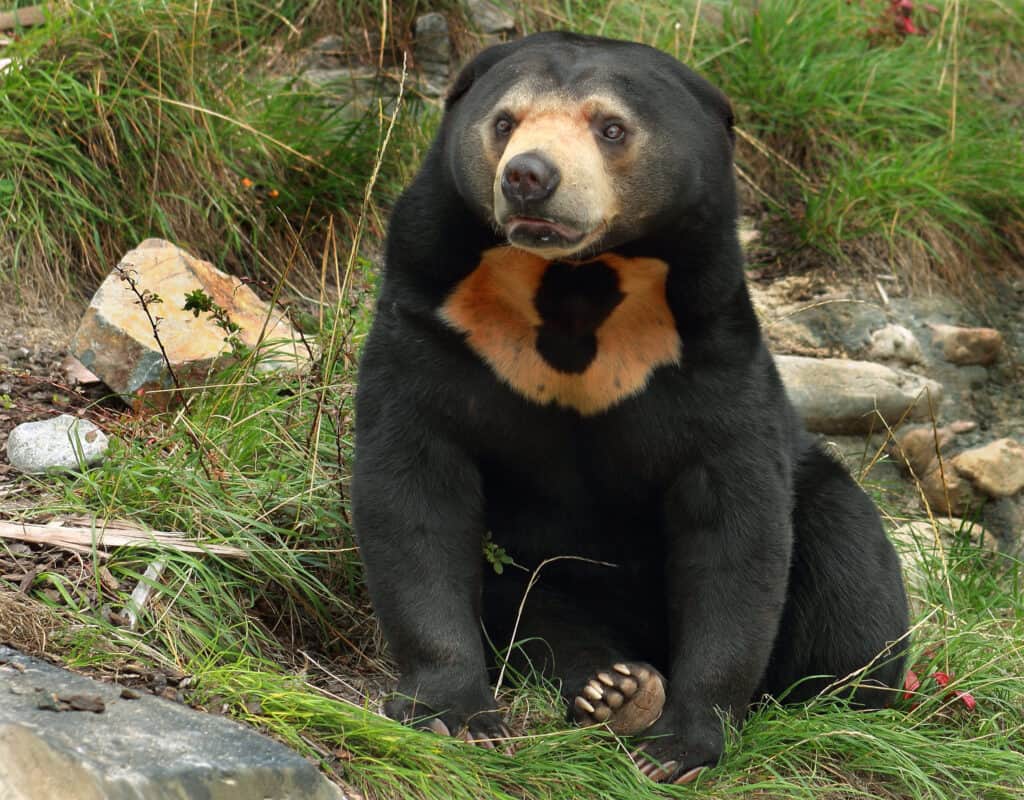
The study found that sun bears tended to avoid areas where there were tourists.
©Molly NZ/Shutterstock.com
Interestingly, the species detected closest to the tourist areas were mainly small mammals, such as treeshrews and squirrels. One theory for this is that they might be taking advantage of the lack of larger predators and the reduced competition for food.
This isn’t just happening in Laos, though. A similar study in Suriname found that most large mammals avoided tourist spots. Jaguars and pumas even changed their behavior and became more active at night to avoid tourists during the day.
Why Wildlife Need More Protection
The suggestion that animals remain wary of people even when they are not being hunted shows the lasting effects that hunting has on wildlife. Conservation organizations are already taking steps to prevent animals from being poached or hunted. However, more rangers and more patrols are likely needed to provide further protection.
Tackling the illegal wildlife trade is also a vital part of protecting animals, as every year thousands of animals are caught and trafficked to other countries. Some are captured alive and sold, while others are killed for their valuable body parts. Elephants are at great risk from ivory poachers who kill them for their tusks. Meanwhile, animals such as tigers and clouded leopards are killed so they can be used in traditional medicine.
Can Ecotourism Still Help Protect Wildlife?
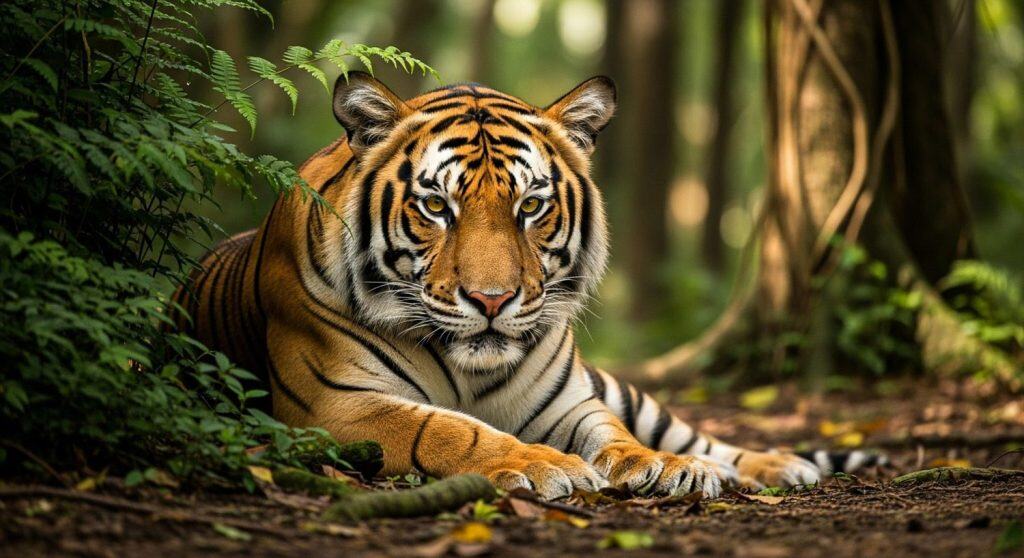
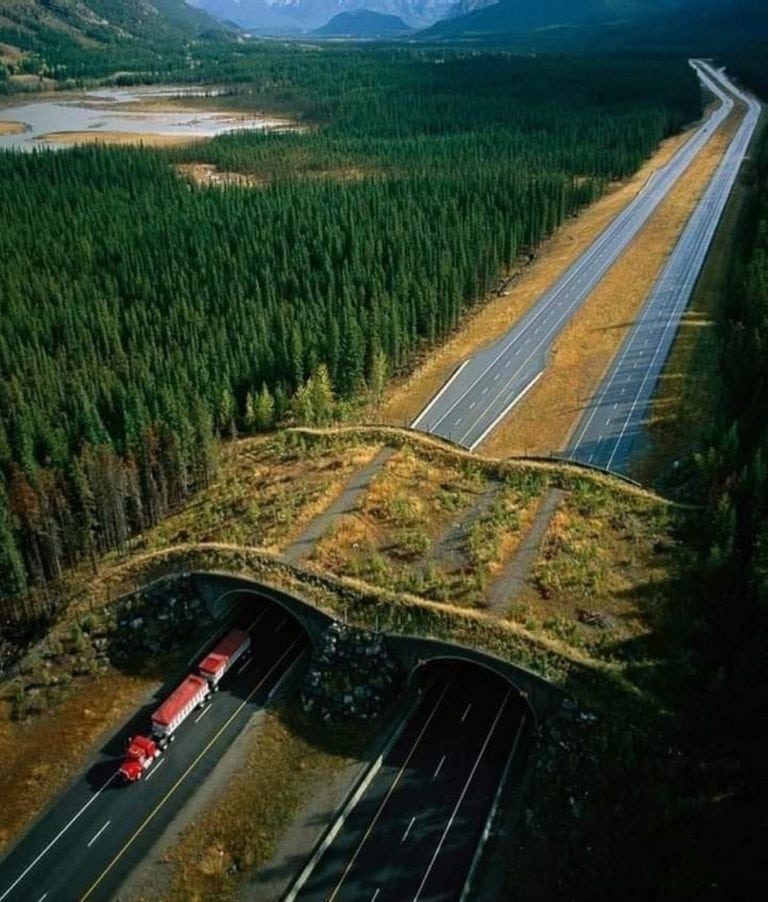
Ecotourism can protect animals by creating areas where hunters are less likely to go.
©Savanking/Shutterstock.com
Although the results of the study are surprising, they don’t mean that ecotourism is bad for animals. Tourism can provide local people with a vital income, which can help prevent the need for clearing for agriculture or crops. In turn, this protects the vital habitat that wildlife relies on.
The income from tourism can also help to support further conservation work. Fees from visitors or guided tours can pay for more protection for the wildlife and their habitat. The money can go toward increased patrols or better habitat management.
The study also showed that fewer hunters were present near the more popular tourist areas than in more remote locations of the park, suggesting that ecotourism is creating safer areas for the animals where there is less risk of being hunted. Tourism has a similar effect in the Brownsberg Nature Park in Suriname, where there is less gold mining activity in areas where there are more people.