
Quick Take
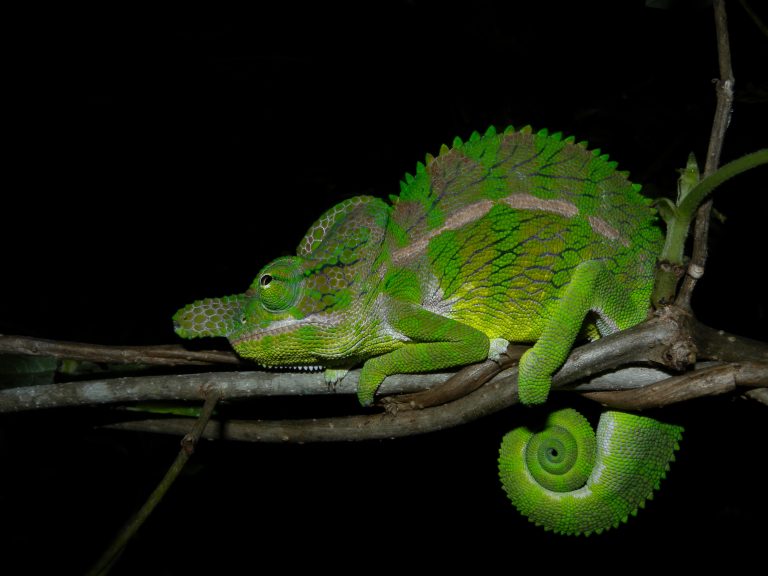
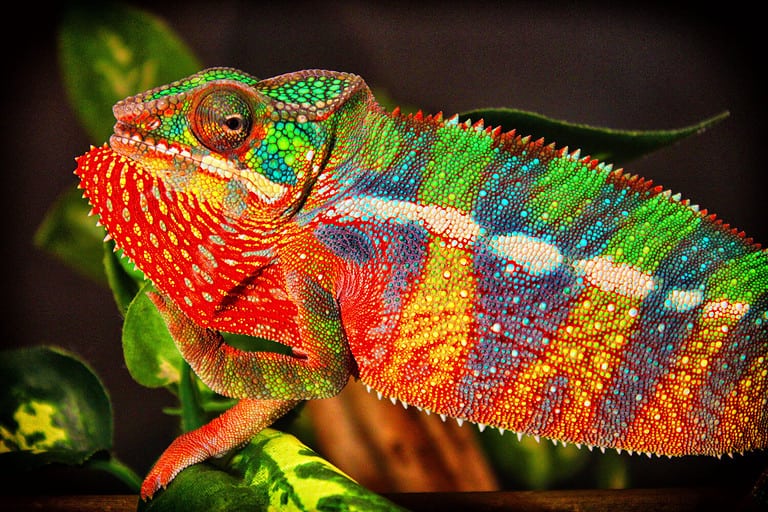
- Labord’s chameleons explodes with beautiful, bright colors directly before death.
- Specific chromatophore cells are responsible for the animal’s color-changing ability.
- Females die within hours after the egg-laying stage.
- The vivid colors are due to uncontrolled shifts that signal the animal’s physiological collapse.
The end of a pet’s life is always a sad event. Seeing them get older can be hard to watch, but there is beauty in the long lives they live. By the time our pets reach their last moments, many of them show signs of aging, like greying fur and cloudy eyes. However, one animal in particular actually enhances its beauty right before death. The Labord’s chameleon experiences a colorful end of life, as seen in this Instagram post by @scienceexplored. Read here to learn more about why these chameleons exhibit such vivid shades at the end of their lives.

Labord chameleons have some of the shortest lifespans out of all vertebrates.
What Happens When Labord Chameleons Die?
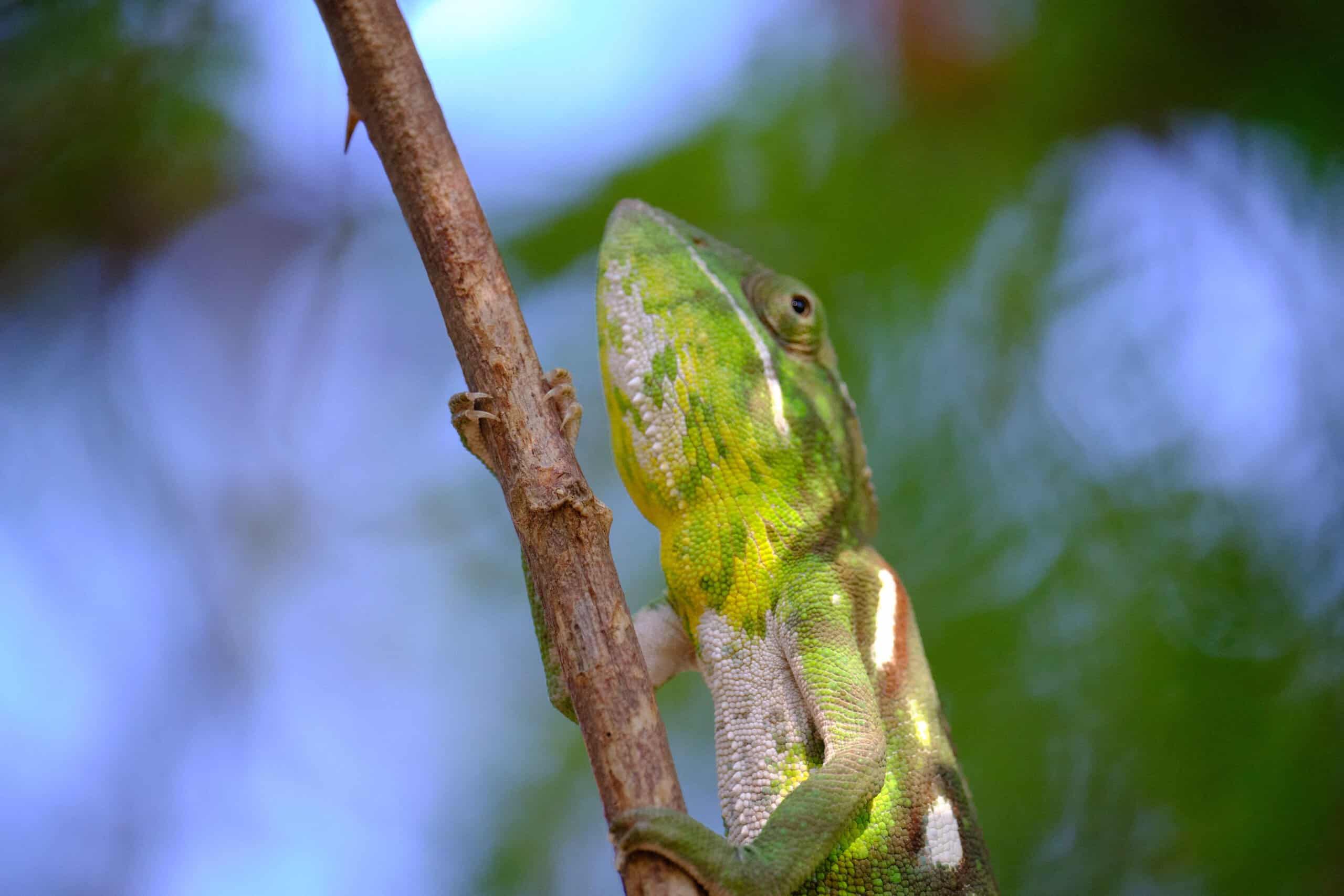
The video above shows the final moments of a Labord’s chameleon. While sad, the moment is also beautiful, thanks to the chameleon’s array of colors. In the video, the chameleon’s scales burst with color, erupting in a psychedelic pattern. The changing hues are vivid and dramatic. There is a biological explanation for this amazing occurrence. Chameleons change colors due to their specialized skin cells called chromatophore cells, which contain pigment that can rapidly alter. They also have iridophores that can reflect light. These processes allow the reptiles to blend in with their environment by mimicking their surroundings. However, the way these chameleons change colors while dying is not necessarily intentional.
Labord’s chameleons have a relatively short lifespan compared to other vertebrates. After laying eggs, female Labord’s chameleons typically die within hours due to the strain of reproducing. As her body begins to shut down, her nervous system continues to function, though irregularly. These irregularities are part of the reason the chromatophores begin to change colors so rapidly. The lack of control over her nervous system leads to continuous shifts in pigment, as seen in the video above. Though these special chameleons do not intentionally offer spectacular colors as a final farewell to the world, the display is beautiful to witness, nonetheless.