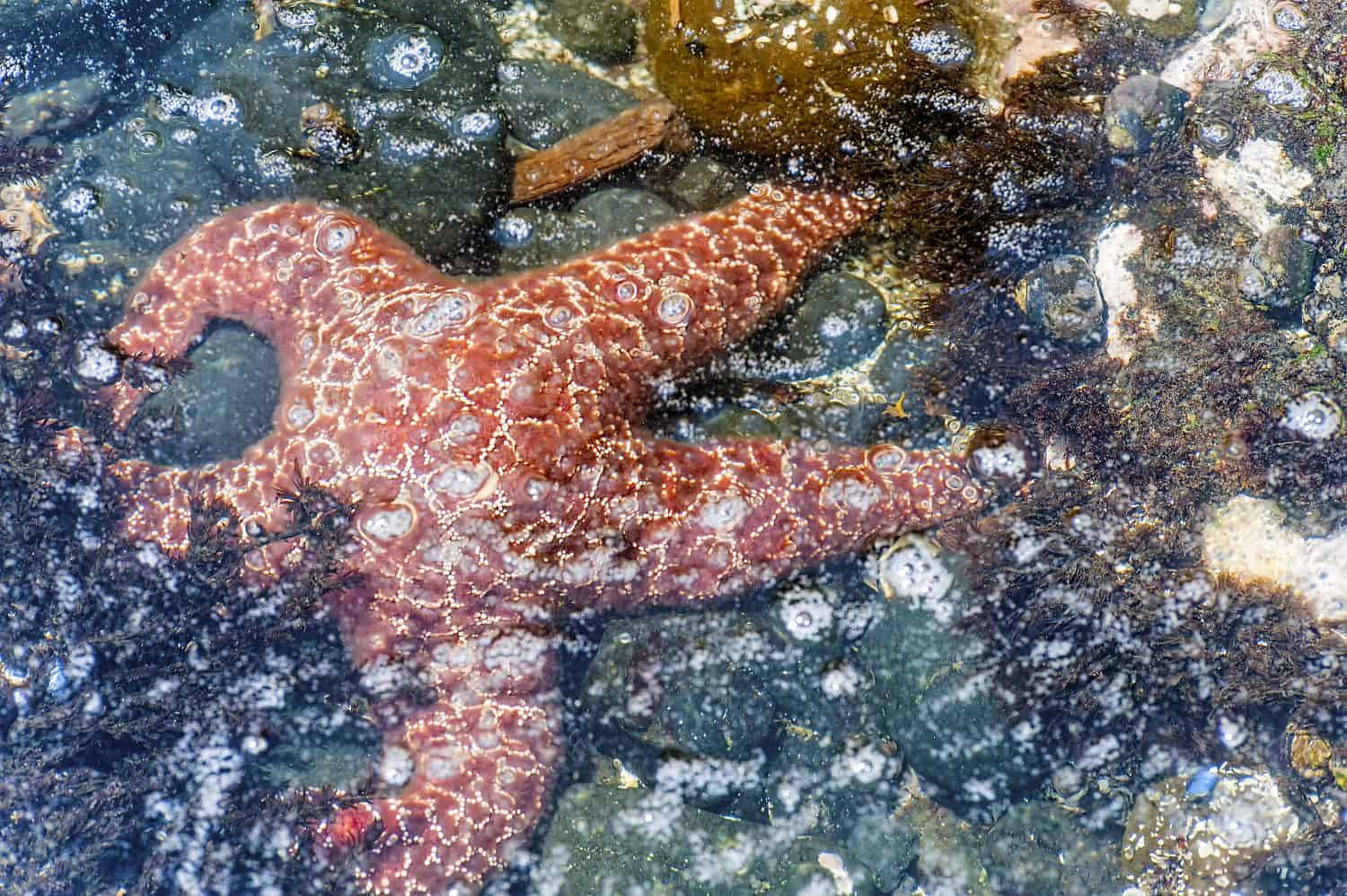

Starfish are usually abundant in the Pacific Ocean. If you go snorkeling on the west coast of North America, you may be surprised by how few starfish you see. The low numbers are due to a wasting disease that is threatening to drive West Coast starfish populations to extinction. In this YouTube video, viewers get a glimpse at the stark reality that starfish face due to this invisible killer.
Without proper context or background, one might assume that pollution is responsible for the drastic decline in starfish numbers. Instead, it is now known to be caused by a bacterium called Vibrio pectenicida, which was definitively identified as the culprit in 2025. This bacterium has killed over five billion starfish in the last decade, with more sure to follow. Let’s learn more about the symptoms of starfish wasting disease, the bacteria causing it, and what can be done to stop its spread.
Effects of Vibrio Pectenicida
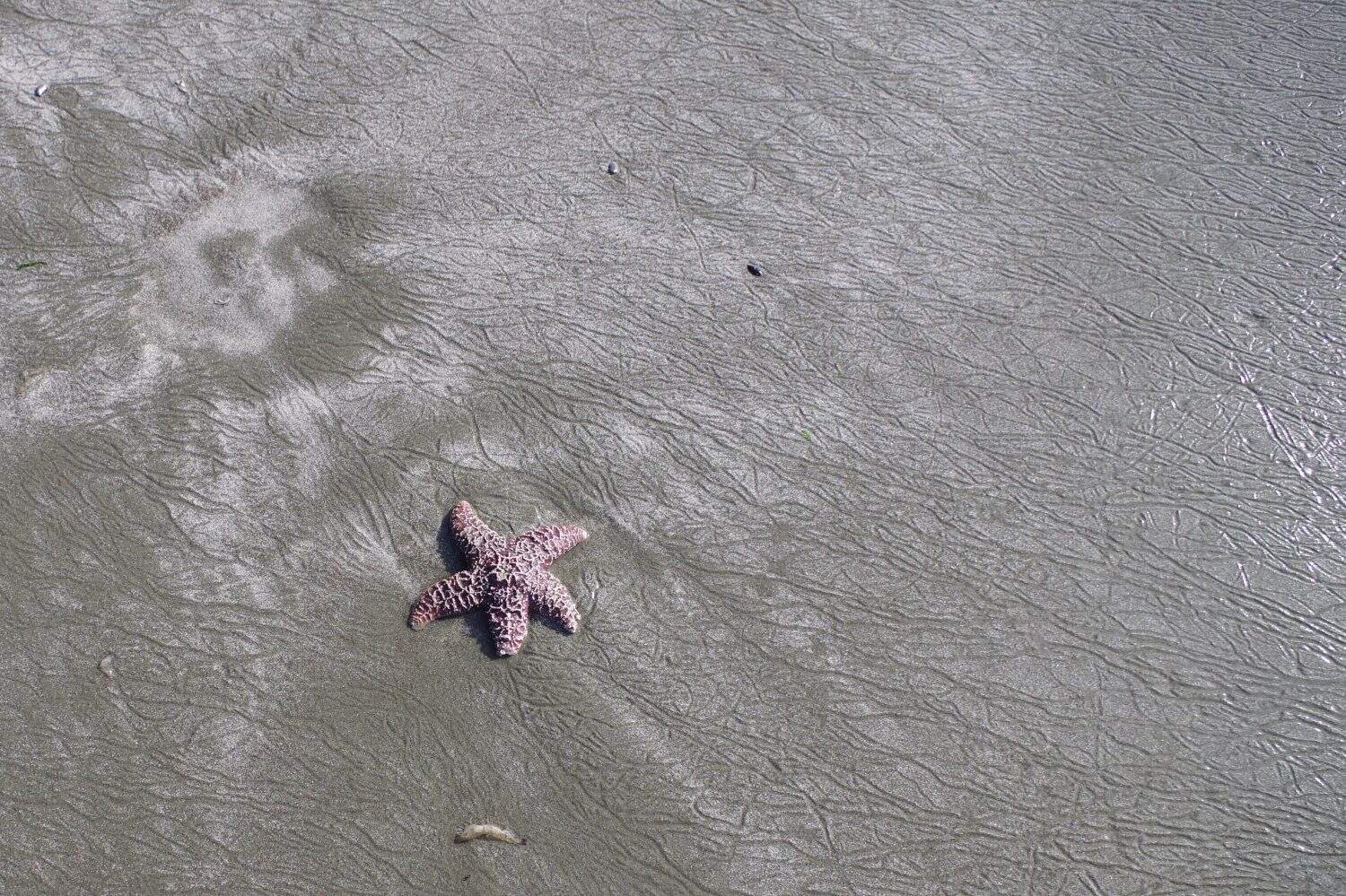
Sea star wasting disease is caused by a bacterium called Vibrio pectenicida.
©Chelsea Bassanese/Shutterstock.com
Sometimes abbreviated as V. pec, Vibrio pectenicida is a species of bacterium with several known strains. Strain A365 is associated with a disease in scallop larvae. However, starfish are affected by strain FHCF-3. V. pec seems to respond to enrichment with organic matter along the starfish body surfaces.
When a starfish is stricken with sea star wasting disease, several things happen. At first, the starfish starts refusing food, which is followed by increasing listlessness. Over the next few weeks, the affected starfish develops lesions on its body surface, which spread. This decays the surrounding tissue. The starfish grows limp, fails to maintain its internal hydrostatic balance, and loses its grip. Its arms curl inwards. As the wasting disease progresses, body composition goes from bad to worse.
The starfish’s entire body structure breaks down, and its arms begin to fall off. Remarkably, even after the starfish dies, its arms may continue to move for several days. While it often takes weeks for this process to meet its bitter end, it can also be rapid. Some starfish go from normal to dead within just a few short days. All that is left is a cloudy white blob.
What makes this list of symptoms tricky to use for diagnosis is that unhealthy starfish often exhibit similar symptoms even without the disease. Usually, scientists can only conclusively deem wasting disease if other starfish in the same area are affected.
Historical Evidence
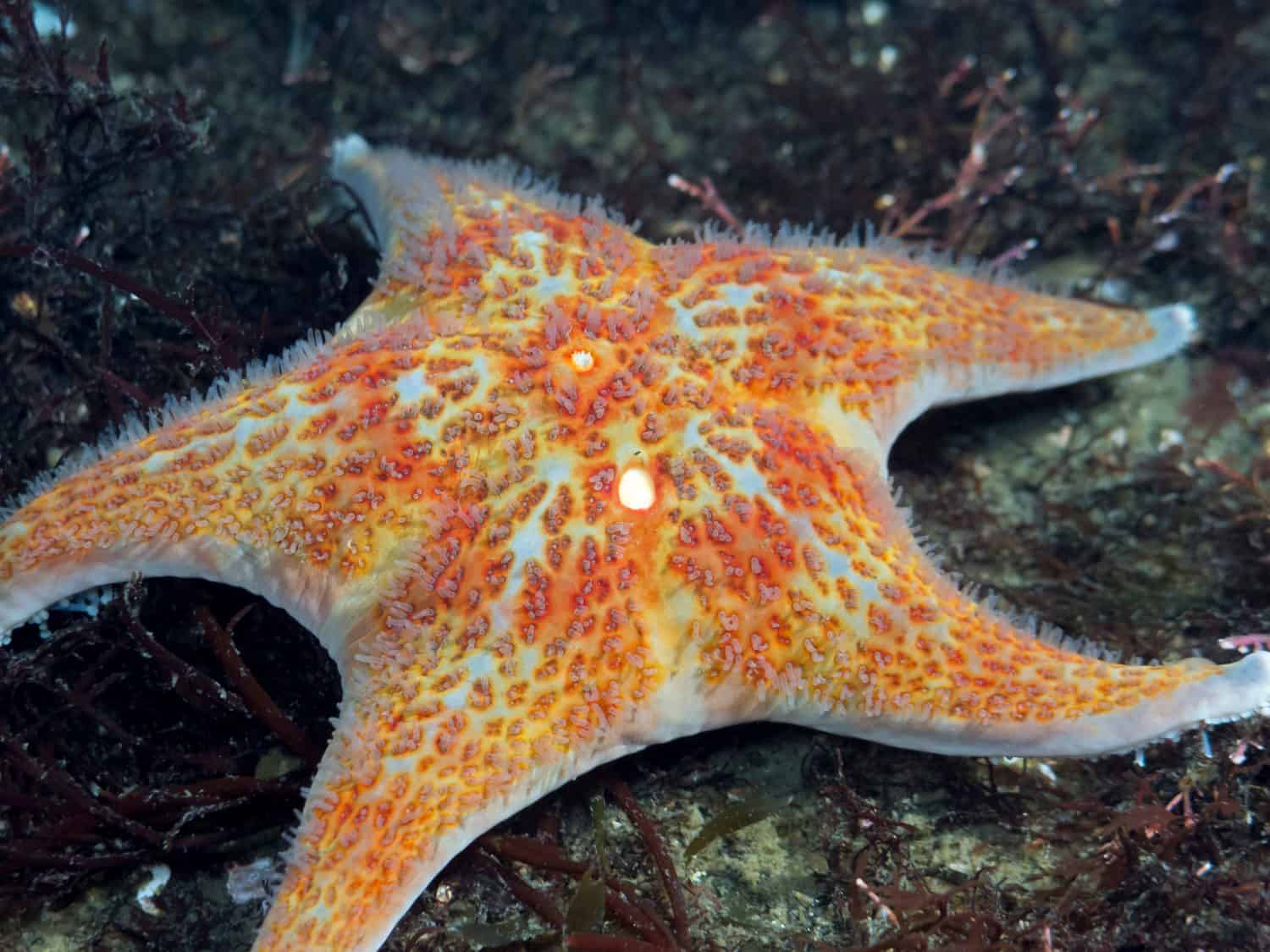
Starfish plagues have been recorded since the 1970s, though they seem to be increasing in severity.
©NatureDiver/Shutterstock.com
The likely culprit of sea star wasting disease, Vibrio pectenicida, was first discovered in the early 1990s at a scallop farm. There is evidence of previous sea star wasting disease plagues, however, going back as far as the early 1970s.
Indeed, the first recorded starfish plague occurred in 1972, after scientists noticed common starfish (Asterias rubens) dying off rapidly on the east coast of the United States. Five years later, Gulf sun stars (Heliaster kubiniji) began dying off in large numbers in the Gulf of California. At that time, scientists suspected high water temperatures as the cause. Regardless, it had profound effects on the local ecosystem, as starfish are top-level predators. Besides affecting many starfish species, including morning sun stars, leather stars, and blood stars, it also seems to affect sea urchin and sea cucumber populations.
From 2013 through 2025, starfish populations have continued to decline across North America, particularly on the west coast, with over 5 billion sea stars lost and some species experiencing declines of more than 90%. It has even caused mass die-offs of isolated populations, such as one that was located in a marine laboratory seawater tank in California.
Further Study
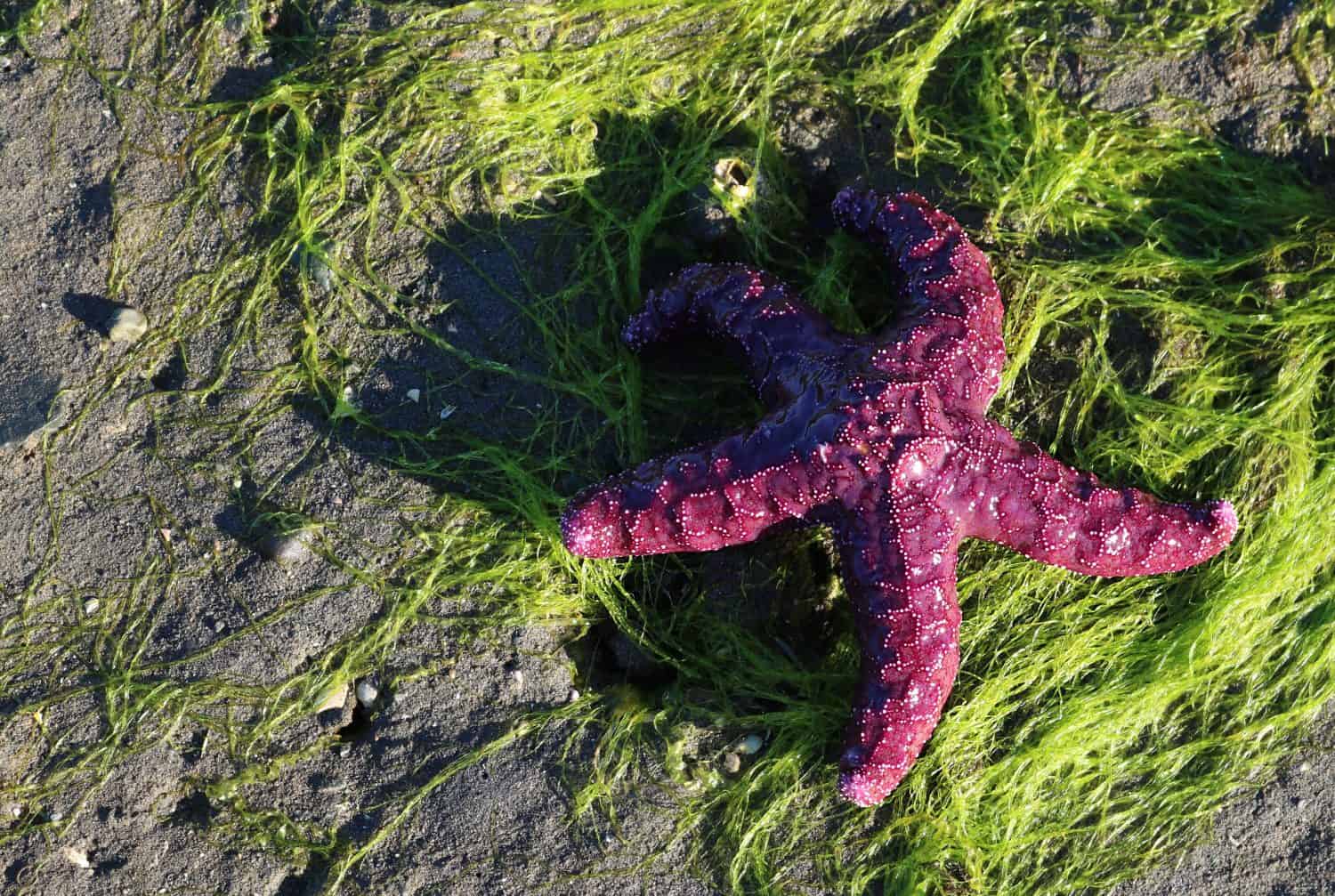
Though sea star wasting disease seems out of control, one aquarium effectively treated it with antibiotics in 2014.
©Diane Kuhl/Shutterstock.com
Scientists go back and forth on the causes of this deadly disease. At first, the bacterium was identified. Later, sea star-associated densovirus (SSaDV) was treated as a potential cause. Subsequent research, however, found that SSaDV was not associated with sea star wasting disease. While Vibrio pectenicida has been shown to likely cause this wasting disease, other factors are at play.
Microorganisms, or bacteria like Vibrio pectenicida, can live in the boundary layer around sea star tissue. When temperatures rise or more organic matter is in the water, these bacteria can deplete oxygen levels. This makes it harder and harder for the starfish to breathe. Recent research suggests a possible link between elevated water temperatures and increased severity of sea star wasting syndrome, since Vibrio species are known to proliferate in warmer conditions. However, this relationship is still being studied. Furthermore, the disease appears more frequently in regions with calmer waters compared to the open ocean. More mysteriously, however, no link has been established between the density of sea stars in a location and “severity of population decline.“
As shown in this YouTube video, it continues to wreak havoc along the west coast of the United States. The decline of sea stars has led to a boom in sea urchin populations, which in turn has caused significant loss of kelp forests along the west coast. There may be a glimmer of hope, however. After the Point Defiance Zoo and Aquarium lost hundreds of sea stars, staff treated affected individuals with antibiotics. This proved effective, and may be a strategy that can help stop the spread of sea star wasting disease before it’s too late.