
Quick Take
- Oyster Heaven is a Rotterdam startup and nature conservation organization founded in 2021.
- After successfully restoring an oyster reef in the Netherlands, they are now working on a project off the coast of Norfolk.
- The reef is being restored using ‘Mother reefs’, which are specially designed clay structures seeded with oyster larvae.
Fishing for European native oysters (Ostrea edulis) has been part of UK coastal heritage since Roman times and has supported many coastal communities. These bivalve molluscs with rounded, rough shells are also part of wider British culture. They get a mention in Shakespeare’s The Merry Wives of Windsor, from which the phrase, ‘The world is your oyster’ evolved. In Victorian Britain, they were a cheap and plentiful source of protein for the working class, summed up in the classic line from Dickens’ The Pickwick Papers: ‘Poverty and oysters always seem to go together’.
These days, ‘plentiful’ is the last word that you’d use to describe them. Oysters have not only disappeared from our dinner tables, where they now feature only as a luxurious treat, but have also become rare in the wild. The good news is that there is a concerted effort underway to reverse this trend. A Rotterdam startup and nature conservation organization founded in 2021 by George Birch, called Oyster Heaven, has a modern solution for the problems of this old friend of the UK coastline.
Mother Reefs to the Rescue
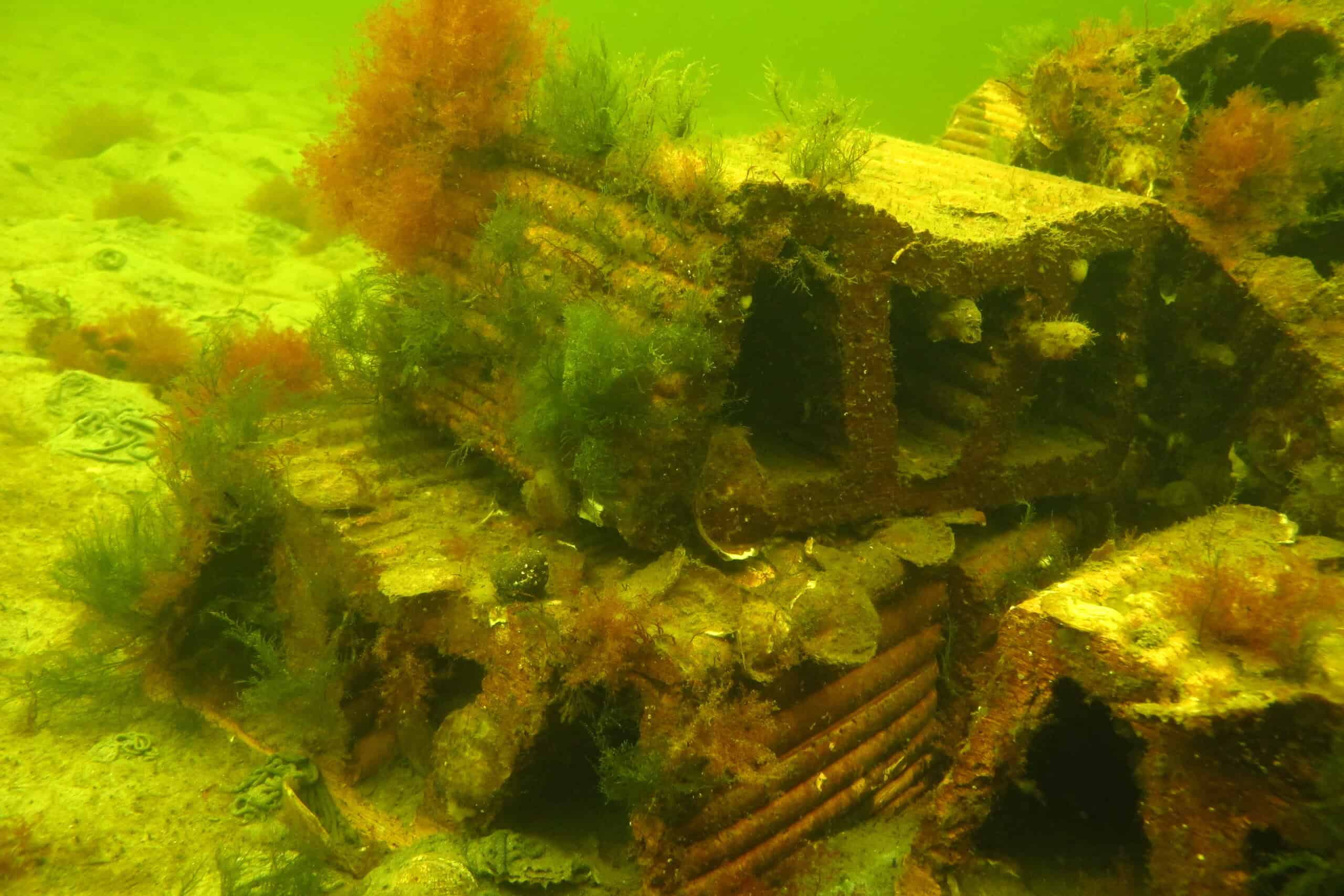
Specially designed clay structures, called Mother Reefs, are seeded with oyster larvae in a controlled environment to ensure maximum settlement rates. On average, between 100 and 200 spat (juvenile oysters) settle on each Mother Reef.
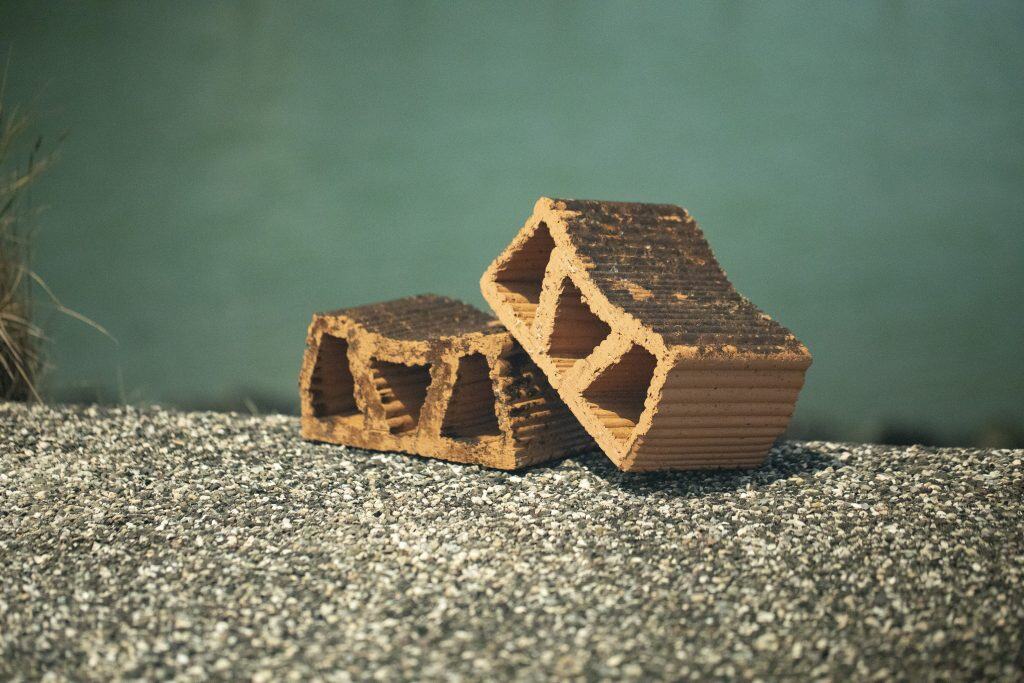
Mother reefs are clay structures.
Their survival and growth are closely monitored, and once they reach a size and age that allow them to survive in the wild, they are installed at the reef site. For the deployments, Oyster Heaven works with local fishermen and contractors, who use their vessels and equipment and contribute their valuable local knowledge.
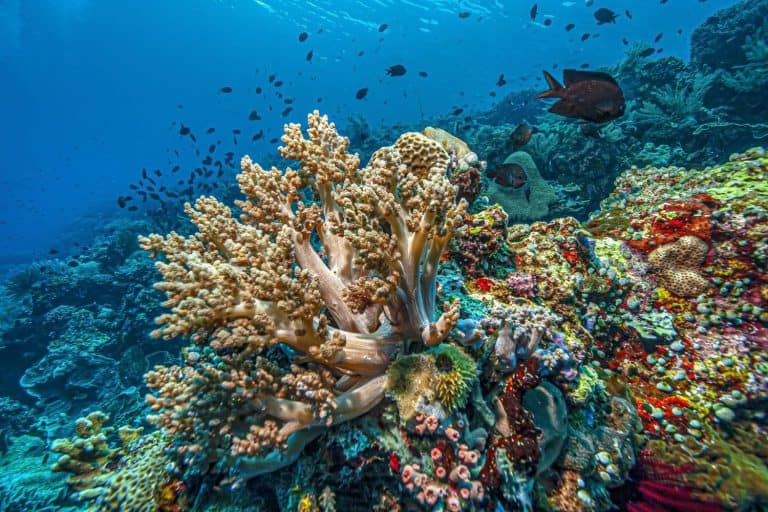
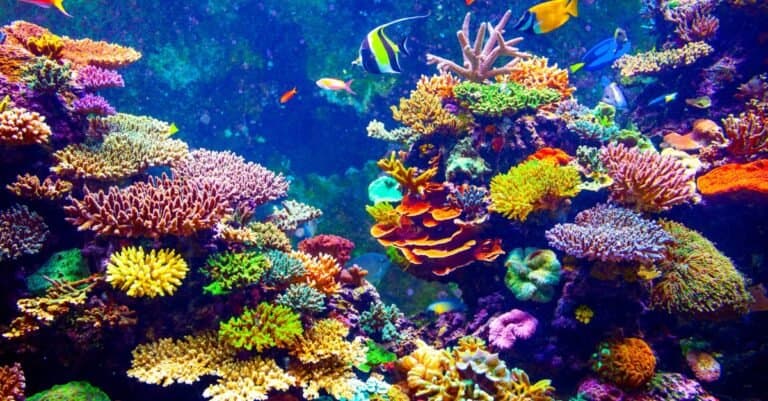
Over time, the oysters grow and form natural reef habitats, attracting and supporting a wide variety of marine species.
The Need for Mother Reefs
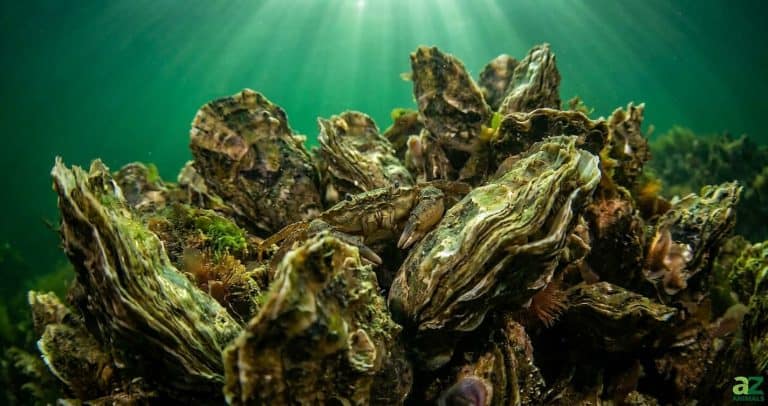
Native oysters live in shallow, subtidal coastal and estuarine habitats. They are filter feeders, meaning they use their hair-like gill structures to filter microscopic algae and other small organic particles from seawater. They grow slowly and live packed together in complex reef structures made up of living oysters and the shells of dead ones.
UK native oyster populations have declined by 95 percent since the mid-19th century. Oyster reefs are now one of the most threatened marine habitats in Europe. While it’s clear that they need to be replenished, you cannot simply dump young oysters on the deserted sea floor and expect them to survive. They ideally need other oyster shells to settle on and grow. It’s not possible, however, to obtain enough oyster shells for meaningful restoration, so Oyster Heaven came up with the next best plan. Mother reefs are individual clay bricks that act as scaffolding for the formation of a reef, which will eventually collapse and degrade as the reef becomes established.
“The three-dimensional form of the bricks has proven to protect young oysters, and their increased surface area, with many nooks and crevices, provides shelter and nursery grounds for other marine species,” says Veronika Labody, Marketing and Communications Lead for Oyster Heaven.
Why Was Norfolk Chosen as the Location?
Norfolk has a particularly rich history of oyster fishing. Between 1800 and 1900, Brancaster Harbour would have been alive with dredgers and their oyster hauls from the nearby Burnham Flats (large intertidal sandbanks and mudflats).
“Historically, North Norfolk had been home to oyster reefs, but around the end of the 19th century, these reefs disappeared due to overharvesting, and the rest were further decimated by disease. Today, their population has collapsed, and they are functionally extinct in the North Sea,” says Labody.
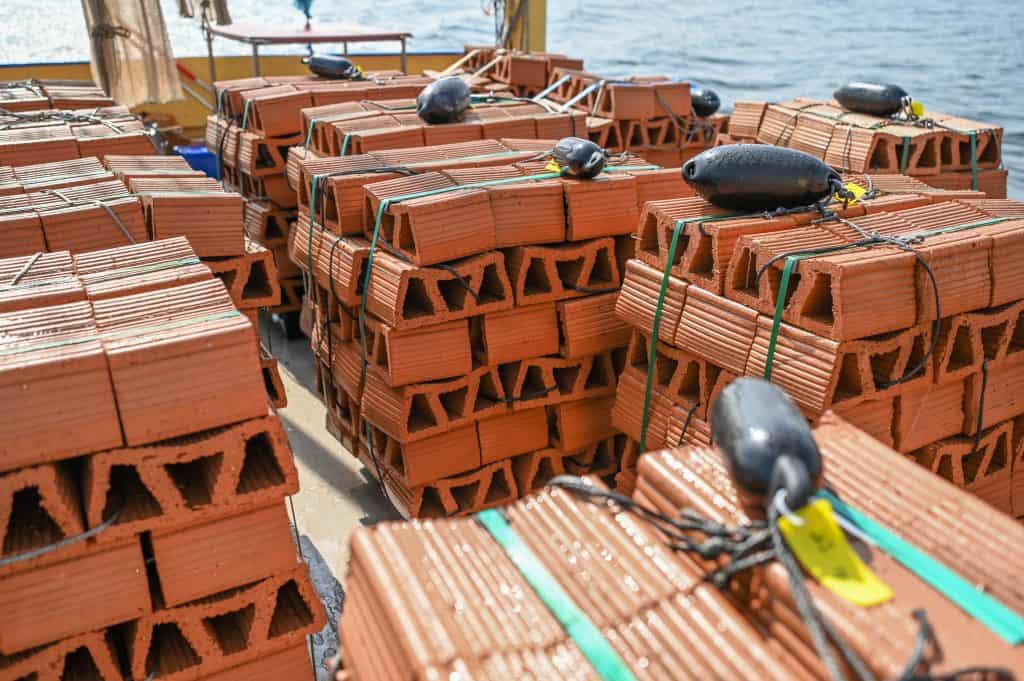
Mother reefs are being deployed off the Norfolk Coast.
The Norfolk coast was selected for this scheme, named Project Luna, thanks to a combination of scientific and logistical considerations, as well as local goodwill.
“In general, Oyster Heaven aims to work at locations where there is historic evidence of former oyster reefs and where ecological conditions (e.g. oxygen and nutrient levels, salinity, currents) and local realities (regulations, spatial alignment with marine users, such as the fishing industry) enable the development of a successful oyster reef restoration project that can be self-sustaining over time,” Labody explains.
New Challenges in Norfolk
This is not the first oyster restoration project for Oyster Heaven, which has already had considerable success in The Netherlands. where the organization deployed 4 million oysters. Labody says they are now using the same type of clay substrates for native oyster spat in Norfolk. However, every location is different.
“The tidal nature, changing weather conditions, and rougher sea along the English coast require a lot of flexibility and adaptation for oyster restoration work,” Labody says.
The oyster reef is constructed gradually, and it takes a few years for the oyster population to become established in their new home. The organization will introduce four million juvenile oysters to the area over time.
Oysters are known to be key species in the marine environment, forming habitats and reefs that improve the health of coastal ecosystems.
Veronika Labody, Marketing and Communications Lead for Oyster Heaven
Facing up to the Challenges
Despite the careful selection of the best location for the Norfolk oyster restoration project, UK coastal ecosystems remain under pressure from human activities, including agricultural run-off and sewage discharges. This is something that the experts at Oyster Heaven are very aware of.
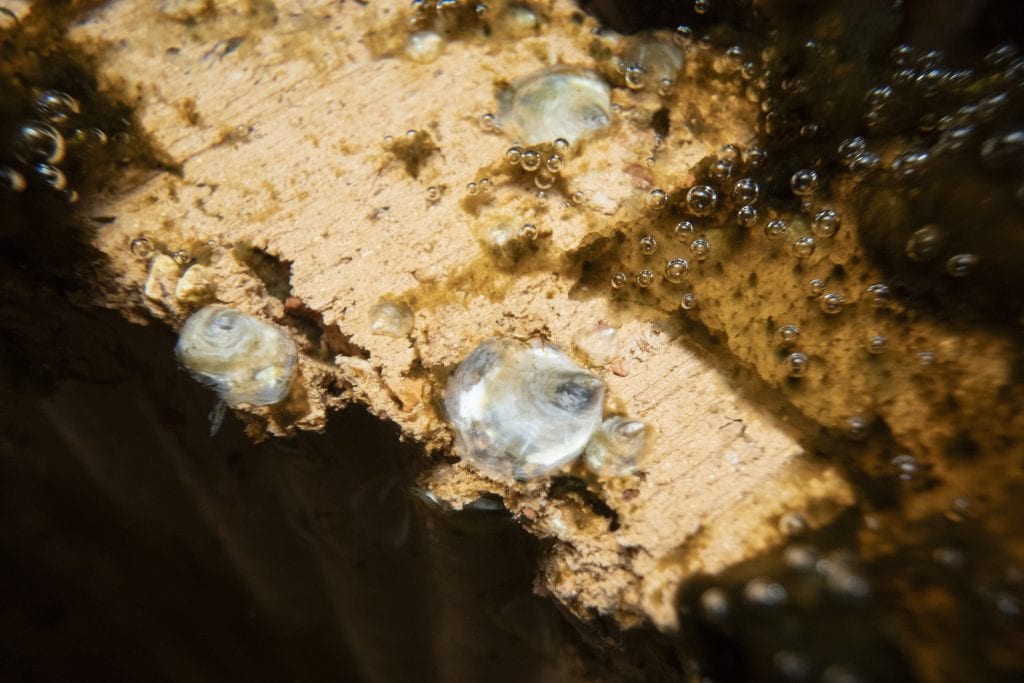
Juvenile oysters are more vulnerable to chemical pollution.
Chemical pollution and water turbidity (suspended solid particles such as silt and sand) can be harmful to the development of oyster reefs, Labody says.
Sharing the Success
The success of the restored oyster reefs will not just be good news for the oysters themselves. They are often referred to as ‘ecosystem engineers’ because they stabilize shorelines and create the conditions where other species can thrive.
A healthy oyster bed improves the biodiversity of an area by providing unique habitats for algae, tunicates, sponges, crabs, crustaceans, and ascidians. They also act as a protected nursery ground for juvenile fish, including commercially important species such as sea bass.
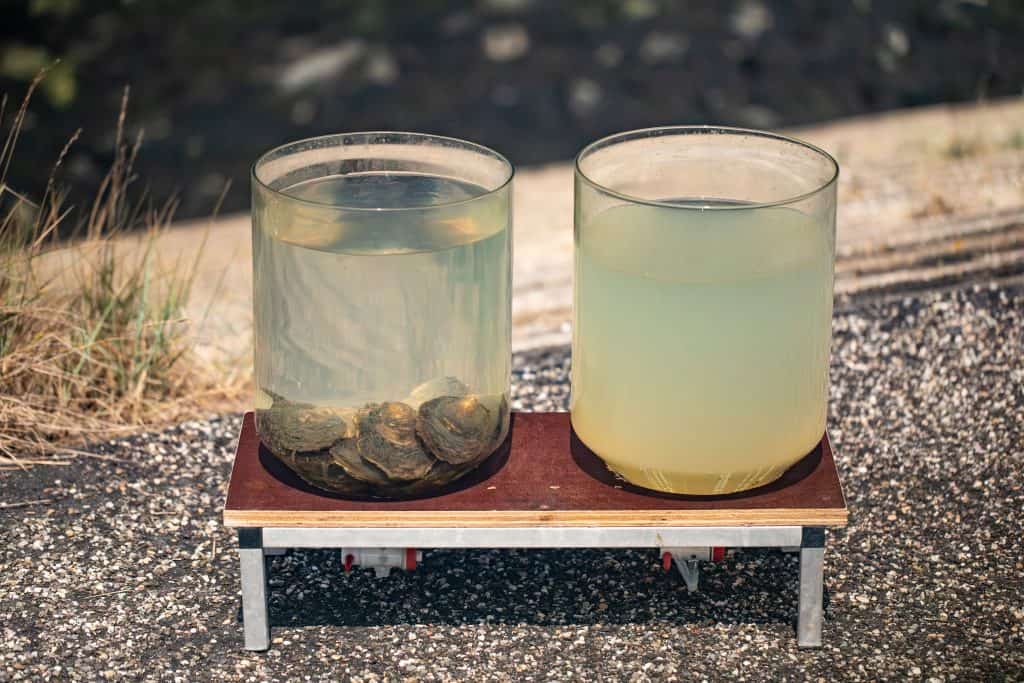
Oysters filter water naturally.
“Oysters are known to be key species in the marine environment, forming habitats and reefs that improve the health of coastal ecosystems,” Labody says. “In addition, due to their filtration capacity, oysters contribute to the management of organic pollution, as they feed on organic matter and break down excess nutrients.”
A single adult oyster can filter 30 gallons of water a day and bury carbon in the seabed!
Monitoring the Restored Reef
The project includes a comprehensive monitoring element that not only assesses the health of the oysters but also contributes to the body of research on oyster reefs.
“Through surveys, environmental measurements, sampling, and digital modelling, we track the ecological performance over time and learn about the recovery of the endangered native oyster species,” Labody says. “We often collaborate with academia and research institutes to continuously improve our methods and contribute to research on oyster reefs.”
We look forward to hearing about the success of the restored Norfolk reef for many years to come.