
Quick Take
- Britain holds a title most of its citizens don't know about, and that title is the very reason this oyster project is so urgent. Britain's seas in context →
- Native oyster reefs once stretched across a staggering area of British seabed, before something wiped them out almost entirely. How reefs were lost →
- One adult oyster performs a daily environmental task so efficiently it puts most water treatment systems to shame. See the filtration science →
- Fighting climate change wasn't the original goal of this rewilding project, but oysters may be doing it anyway. Carbon sequestration benefits →
The UK is waking up to the urgent need to restore its native oyster reefs. A new project is planned in which 15 million oysters will be released into the North Sea. This is one of the most ambitious rewilding projects in the UK, the most nature-depleted country in the world. With nearly 1 in 6 UK species threatened with extinction, action is needed both on land and at sea.
Which Oysters Live Around the UK?
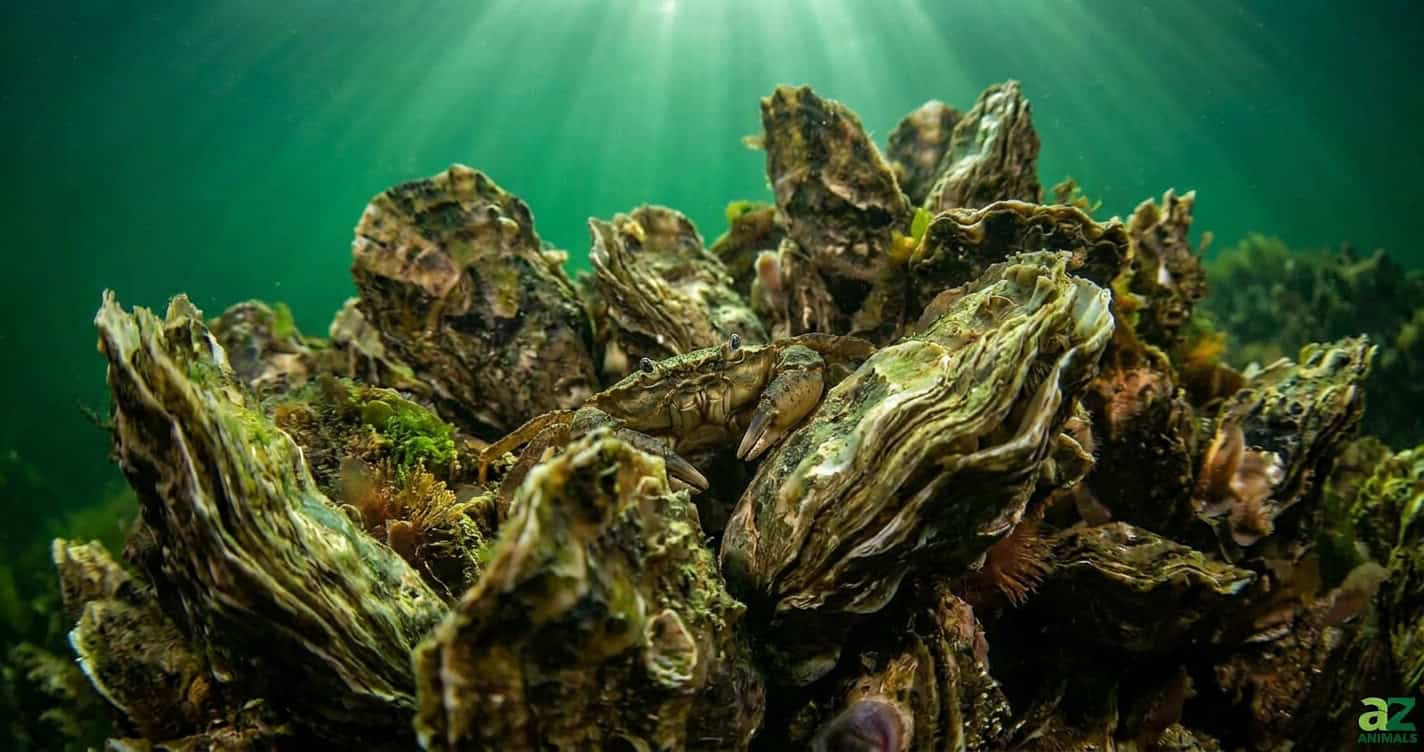
The European native oyster (Ostrea edulis) is a bivalve mollusk typically found in shallow, subtidal coastal and estuarine habitats. It has a rounded pale green, yellow, or brown shell that is rough to the touch. Once mature, they measure between 2 and 7 inches across.
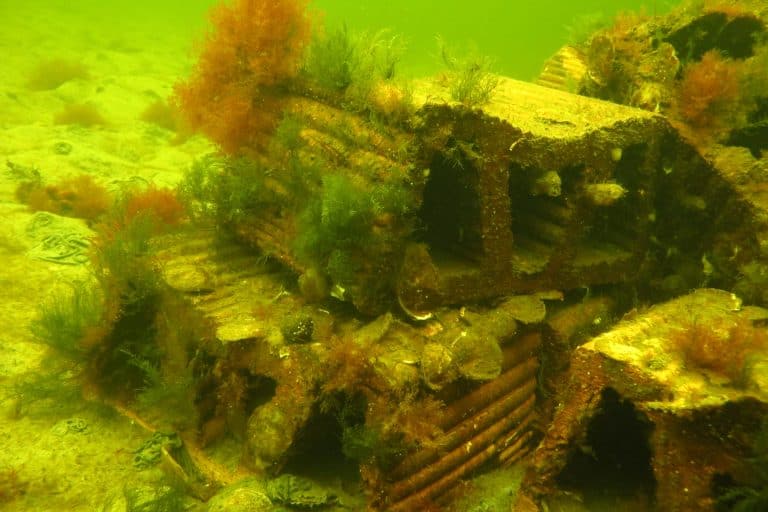
These oysters naturally form complex reef structures. Reefs consist of large numbers of oysters — both living and dead — accumulated on the sea floor. These are typically found at depths of around 32 feet, though they can be deeper. The oyster reefs are not just for oysters; they also provide habitats and hiding places for numerous other sea creatures, including young fish, crabs, sea snails, and sponges.
What Happened to UK Native Oysters?
An assessment carried out by the international conservation charity The Zoological Society of London and the University of Edinburgh, supported by European researchers, has reported “extreme decimation” of UK oysters. Using the IUCN Red List of Ecosystems Framework, they concluded that the European native oyster reef ecosystem type is collapsed. Only scattered individuals and a few isolated clumps remain. Reefs that once covered areas of the seabed the size of a football pitch and collectively covered an area of over 1.7 million hectares are largely gone. This one-time staple of the working-class diet in Victorian times is in serious trouble.
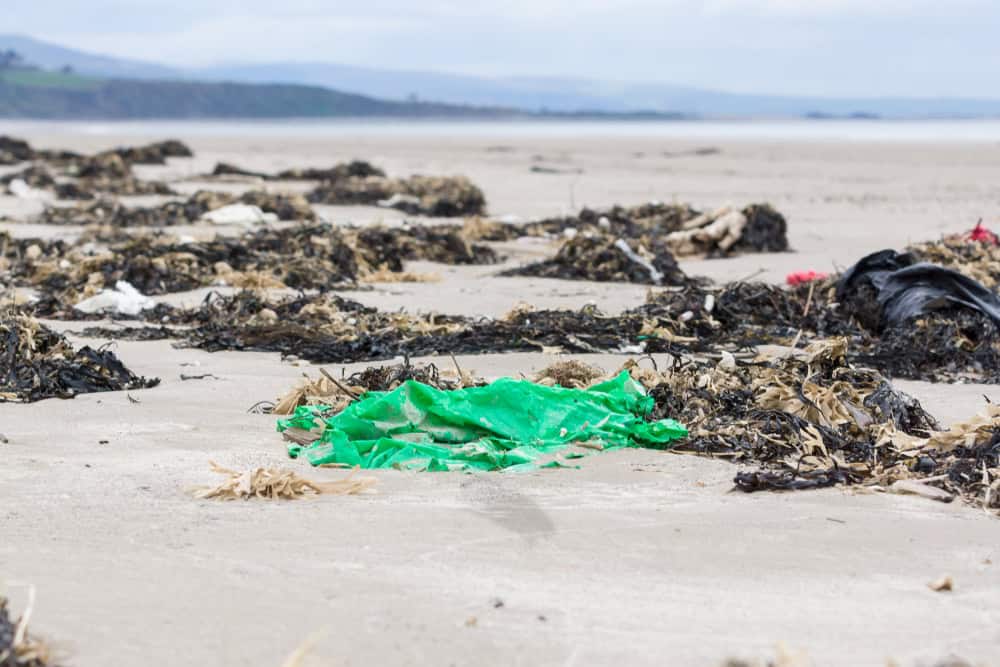
Marine pollution has contributed to the decline of oysters.
©DandsPhotography/Shutterstock.com
The primary cause of this drastic decline is overexploitation, compounded by poor water quality and disease. Many were deliberately cleared to provide channels for shipping. The fightback has begun, however, and several native oyster restoration projects are currently underway across the UK.
Native Oyster Restoration Project in Orkney
A pioneering initiative aims to revive native oyster beds in areas where they previously thrived across Scotland, the rest of the UK, and Europe. A partnership of the Green Britain Foundation, the Nature Restoration Fund, and Marine Fund Scotland has put together an ambitious program. This initiative is part of the Native Oyster Restoration Alliance (NORA), which has championed similar efforts for years.
The project will release 15 million juvenile oysters into the North Sea, making it one of the biggest rewilding projects in British waters. They will be cultivated onshore on special plates and then released into the sea on long lines that protect them from predators and give them the best chance of surviving.
Wider Benefits of Oyster Restoration
Oyster reef restoration provides benefits for the wider ecological health and biodiversity of Britain’s seas. They can also help in the fight against climate change.
Healthy oyster beds act as natural carbon sinks. It is estimated that each oyster can lock away 0.19 ounces of carbon per year. If an oyster reef contains 15 million oysters, that amounts to a significant quantity of carbon. By reducing the amount of carbon in the atmosphere, oyster beds can make a meaningful contribution to preventing global warming.
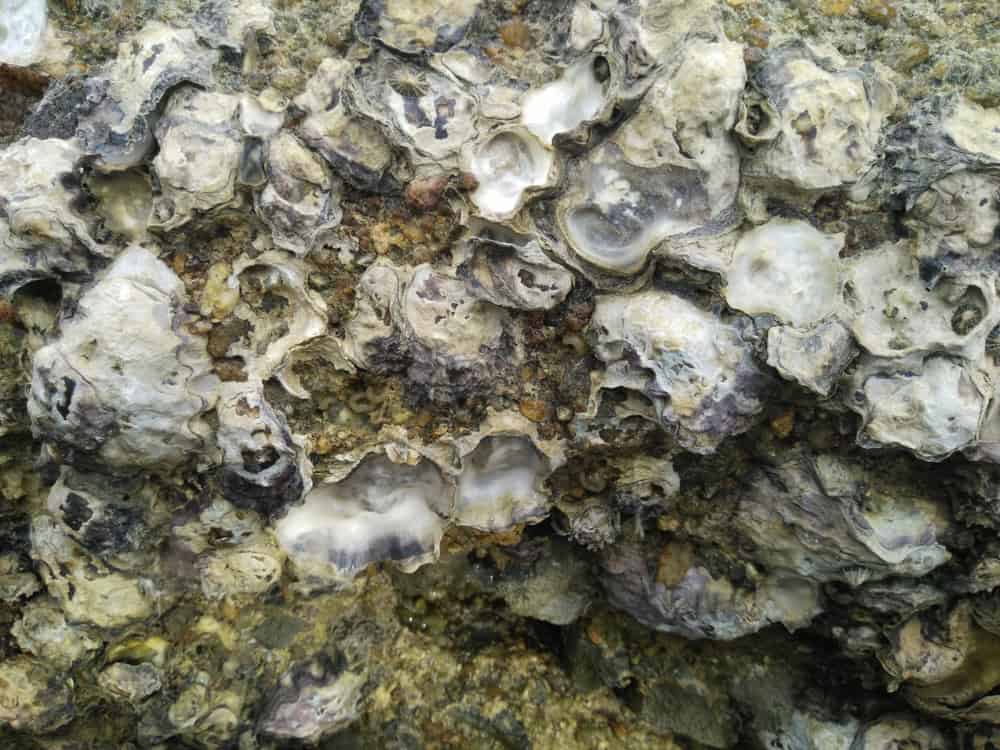
Oyster reefs capture carbon.
©toysafly/Shutterstock.com
Oysters are also experts at filtering water. They use special valves to pump water across hair-like structures to take out the small organic particles that they feed on. A single adult oyster can filter up to 50 gallons (about 400 pints) of water per day under optimal conditions. By removing algae and organic matter, they significantly improve the surrounding water quality by reducing water cloudiness (turbidity).
Oyster reefs provide a natural nursery for young fish, giving them a refuge from predators. Also, the three-dimensional structure of the reef supports local biodiversity. Algae, tunicates, sponges, crabs, crustaceans, and ascidians are just a few of the animals that benefit.
By removing excess nutrients like nitrogen from coastal water, oysters can help to prevent harmful algal blooms that deplete oxygen levels and threaten fish.
Sea-Wilding: Restoring Britain’s Seas
The oyster restoration projects are part of a wider movement to restore the biological health of the marine environment around Britain. The sea-wilding movement recognizes the importance of these habitats. For example, there is work underway to restore seagrass beds, which form underwater meadows that provide a vital habitat for marine wildlife and store significant amounts of carbon.
Kelp (seaweed) forests are one of the most biodiverse and productive ecosystems in the UK. New byelaws to prevent trawling are now protecting these vital habitats. With a growing recognition that healthy seas are vital for the health of the planet, there will hopefully be many more such projects in the future.