
Quick Take
- Those jaw-dropping colors should make the male an easy target for predators. So why does nature let him keep them? Discover the color paradox →
- Ancient cultures called this bird a symbol of eternal love, and modern science found something unexpected when it actually looked into the claim. Explore the love legend →
- Mandarin duck ducklings enter the world in a way that looks far more like a stunt than a survival strategy. See how ducklings survive →
- There's a version of this bird so different from the one at Lake Garda that most people mistake it for an entirely different species. Meet the white Mandarin →
A Vision in Color: Lake Garda’s Unexpected Visitor
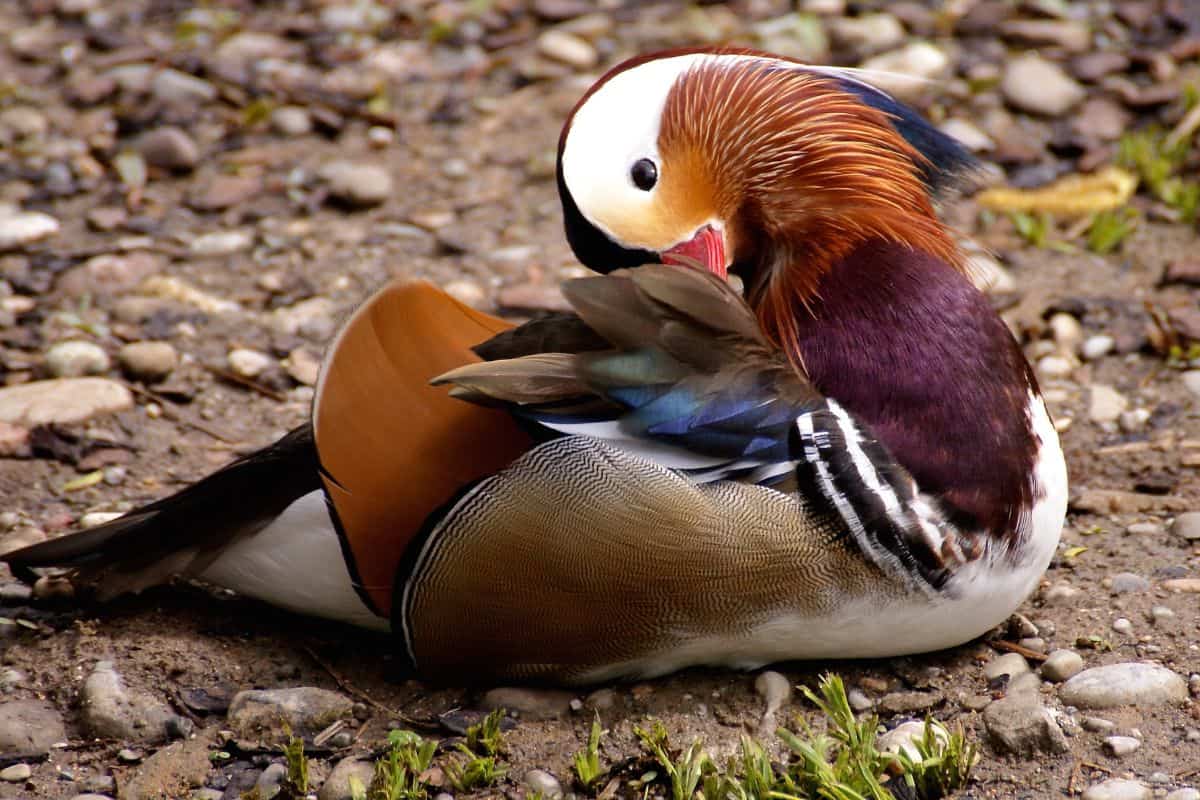
On a quiet morning at Lake Garda, a splash of impossible color slid across the water, drawing attention and surprise in equal measure. Locals and visitors alike paused along the shore: there, brighter than any native species, glided a Mandarin duck, its plumage an orchestration of orange, sapphire blue, and pearlescent white. For many, the sight felt like a moment borrowed from a dream or an ancient folk tale.
This bird, known as Aix galericulata, has a reputation that precedes its travels. In Asia, the Mandarin duck is celebrated for its flamboyant feathers and enigmatic courtship rituals. But for onlookers at Lake Garda, the magic lay in its unreal appearance, colors that seemed almost painted, and a presence that encouraged everyone to pause and wonder.
The Story Behind the Colors
The drama of the Mandarin duck begins with its striking differences between male and female, a phenomenon that biologists recognize as sexual dimorphism. The male, especially during breeding season, becomes living art: a chest painted deep violet, a bright coral-red bill, and fan-like coppery plumes raised in display. Alongside him, the female appears understated, her brown-and-white markings almost a camouflage against the wooded shoreline.
These showy feathers are more than decoration. For the Mandarin duck, brilliant colors are a silent language, advertising vitality and suitability as a mate. Yet nature balances attraction with survival. Outside mating season, the male molts into a more reserved look, swapping flamboyance for discreet safety, a strategy to reduce notice from predators.
A Symbol Carried Across Continents
Long before the Mandarin duck wowed European birders, it held a place of honor in Asian culture. In China and Japan, its image graces scrolls, screens, and even wedding gifts, symbolizing eternal love and marital harmony. Generations of poets and painters have found inspiration in the image of a Mandarin duck pair drifting together across still waters, so much so that in China, they’re still called yuanyang, icons of joyful, faithful unions.
Science supports part of the legend: unlike most birds, Mandarin ducks tend to form lasting bonds, with pairs reuniting season after season. Their mating rituals, complete with head-bobbing, wing beating, and gentle calls, reflect an enduring partnership. Here, myth and reality meet, turning the bird into both cultural symbol and marvel of the natural world.
From Eastern Forests to European Parks
The origins of the Mandarin duck trace back to the moist woodlands and calm rivers of East Asia, from China and Russia to Korea and Japan. Unlike many ducks, they nest not on the ground but high in hollow trees, favoring lakeshores rich with aquatic plants and natural cavities. The female chooses her nest site, sometimes perched several meters above the ground, and quietly lays a clutch of 9 to 12 creamy eggs.
Introduced to Europe in the 19th century, the Mandarin duck adapted well to park ponds and wooded lakes. Its adaptability isn’t just visual: its diet shifts with the seasons, mixing seeds and aquatic plants with insects, mollusks, and the occasional fruit. Whether in an Asian forest or a European urban oasis, the bird finds a way to thrive.
The birth of a Mandarin duck is as dramatic as its colors. After about a month of incubation, downy ducklings leap boldly from their high nest, responding to the mother’s calls. The spectacle, tiny bodies plunging fearlessly to the ground or straight into water, ranks among nature’s most surprising scenes. Instinct, it seems, equips them to survive from the very start.
Elegance, Rarity, and Lasting Fascination
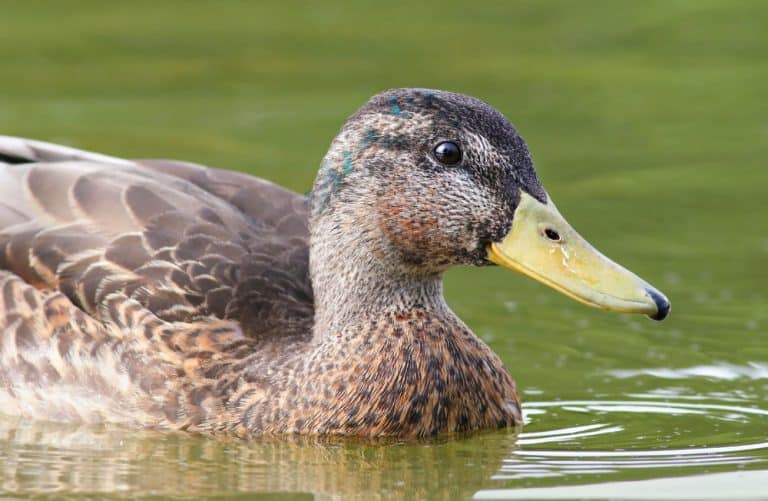
Occasionally, observant birdwatchers spot an even rarer version: the white Mandarin duck. This leucistic form, not a separate species but a genetic quirk, replaces the vibrant colors with creamy ivory and pale shades. Its near-ghostly elegance only deepens the fascination, though it can be mistaken for the more plainly dressed female, who sports a brown-gray coat with little ornament.
Despite their sociable tendencies, Mandarin ducks remain cautious, joining small groups, sometimes associating with other duck species, but quick to slip away at any sign of threat. Their courtship displays, though, are unabashed spectacles: males fan orange plumes, bow their heads, and fill the air with soft whistles. The cycle continues year after year, intense spring displays, the fragile arrival of ducklings, and a return to winter quiet. Through all seasons, the Mandarin duck endures as a living bridge between wonder and resilience.
It is stories such as these, when a flash of color draws us from our routines to witness something extraordinary, that remind us how nature’s mysteries cross cultures and continents. Answers may come slowly, but the questions, and the sense of awe, remain part of the enduring conversation between humans and the wild.