
Quick Take
- Almond groves can't survive on local pollinators alone, and the numbers needed will surprise you.
- Some of these bees ride farther than most people commute in a month, and the trip comes at a cost.
- A tiny parasite is quietly wrecking colonies, and one of its side effects grounds bees for good.
- One beekeeper loses nothing while another loses everything. The article explains what the averages hide.
Next time you are tucking into some trail mix or adding a splash of almond milk to your coffee, spare a thought for the animals that made it all possible. Without honey bees, almond crops would not exist. Because California almond growers are unable to rely on local pollinators to keep their crop thriving, millions of bees are trucked across the country to fulfil the vital role. That journey, however, is not without risk.
The California Almond Bloom
Almonds are big business in the US, with all commercially grown almonds grown in California. The state’s Mediterranean climate suits the trees perfectly, and the crop was worth $5.66 billion in 2024.
Having spent a period of dormancy from November through January, the trees burst into white and light-pink blooms in February, creating the famous California almond bloom. This is when the trees rely on foraging honey bees moving from tree to tree to spread their pollen. If the trees are not pollinated, there are no almonds!

Almond trees need pollinators.
©komkrit Preechachanwate/Shutterstock.com
Some almond growers maintain their own honey bee colonies. Some 600,000 of these colonies reside in California. However, California’s almond industry will utilize 2 to 2.5 million colonies during its bloom period. So, there is a need for commercial hive operators. The almond growers essentially rent a load of honey bees to provide this service for them.
Thanks to the Californian almond crop, the state generated $325.8 million in 2024 in pollination fees, or about 81 percent of total U.S. pollination service receipts.
What Are Honey Bees?
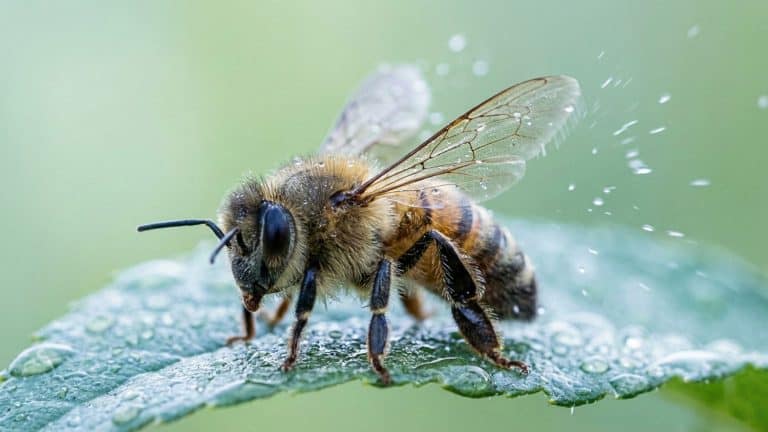
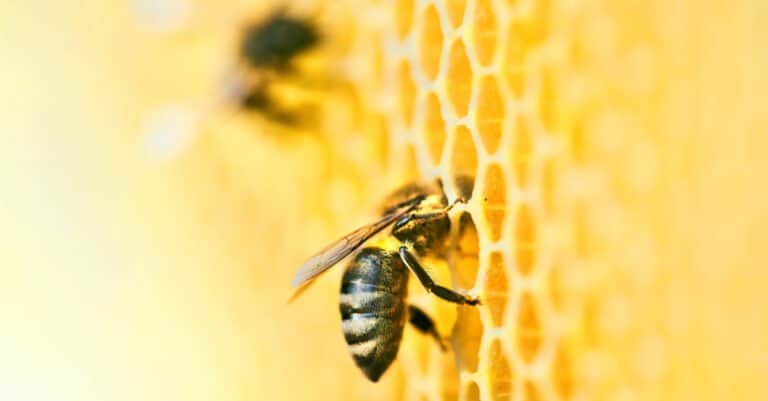
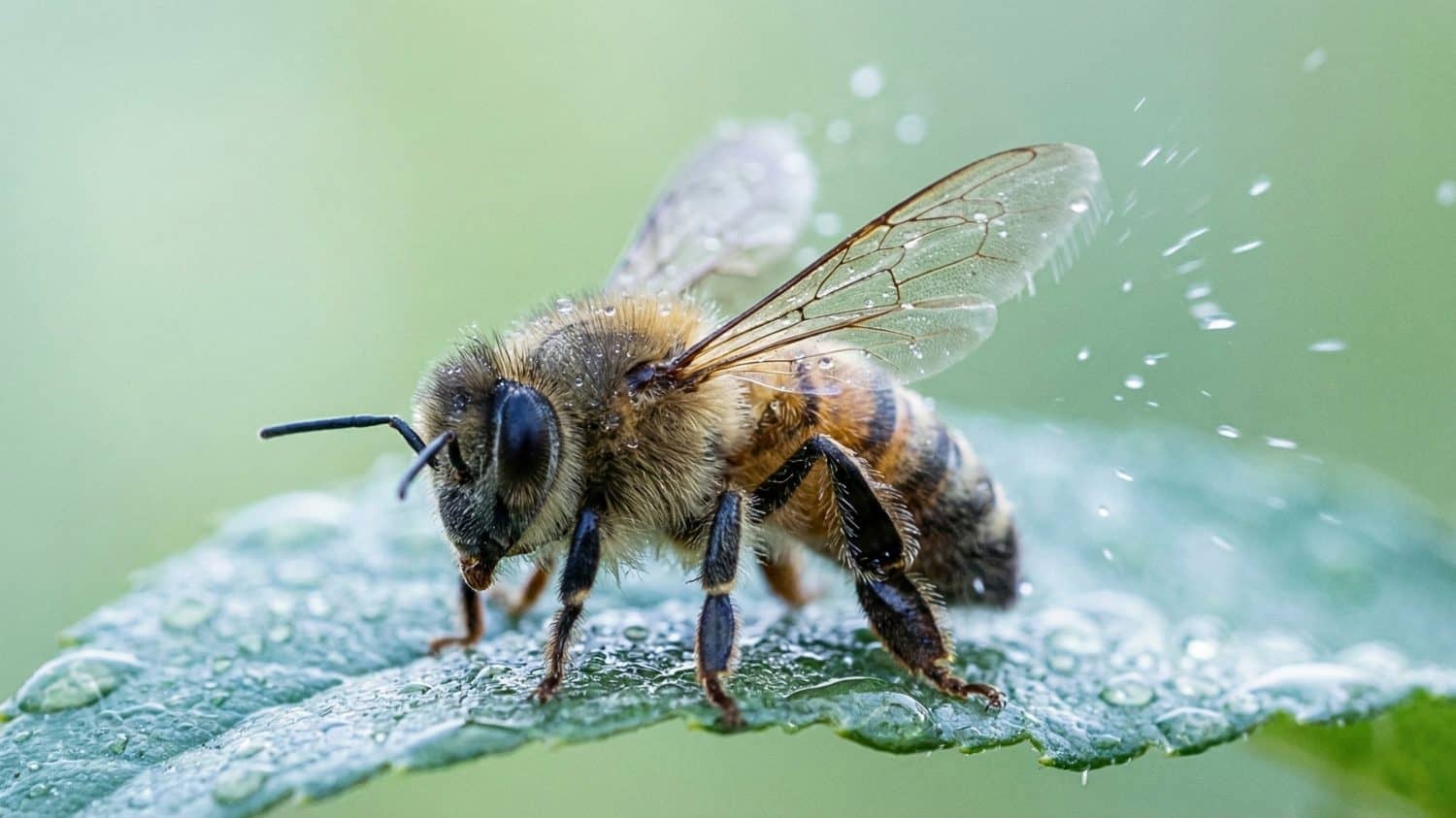
The species we are talking about here is the western honey bee (Apis mellifera), which is the most common of the worldwide honey bee species. They are native to Europe, western Asia, and Africa but are now found all over the world, including North America. These bees are generally red/brown with black bands and orange-yellow rings on their abdomen.
Honey bees feed on pollen and nectar that they collect from blooming flowers. They forage during daylight hours and act as the primary pollinator for many plants. That includes both wild plants and food crops.
How are Bee Colonies Managed?
There were an estimated 2.41 million managed honey-producing colonies in the country in 2025. This is big business, and the bees increase the value of US agricultural production by at least USD 18 billion.
The main crops that rely on the commercial bees for pollination are almonds, berries, tree fruits, vegetables, melons, and seed crops.
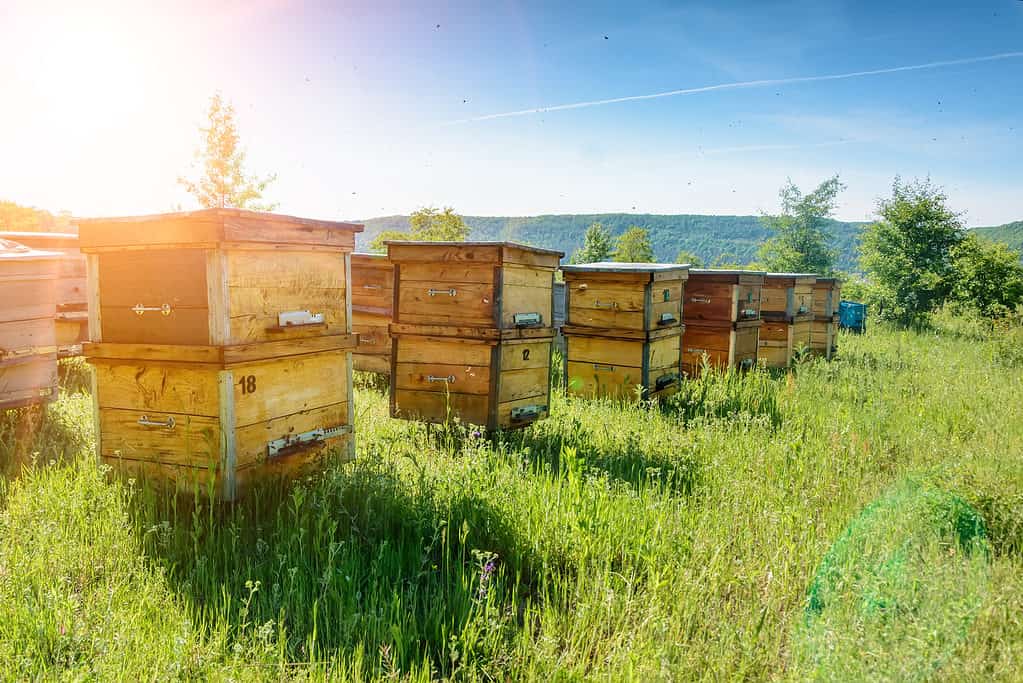
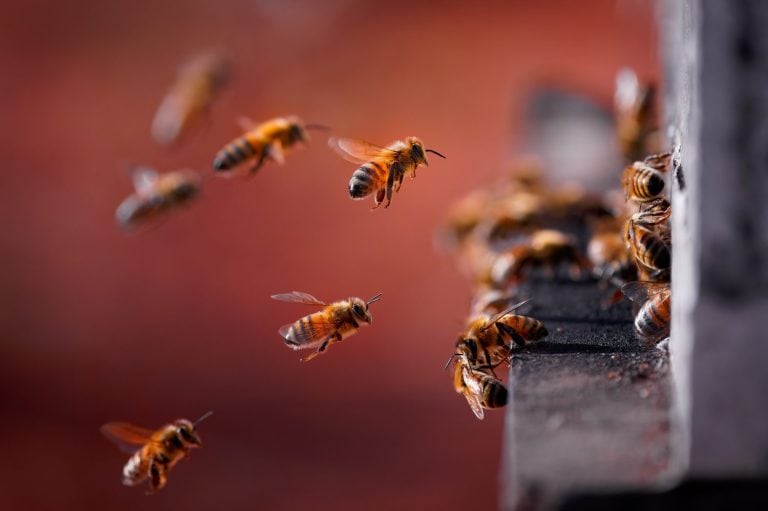
Commercial hives provide pollinating honey bees.
©kosolovskyy/Shutterstock.com
Honey bees begin their journey to California in the Northern Great Plains—which includes North and South Dakota, Montana, and Minnesota. Other colonies travel there from nearby areas of the West and Pacific Northwest. Some bees travel more than 2,000 miles to pollinate almonds. Then, many of them are returned to the Great Northern Plains to support colony recuperation and honey production.
Honey Bee Losses
Surveys are used to track the loss of managed honey bee colonies. It helps experts to identify both risk factors and factors that help keep the colony healthy. The 2025-2026 US Beekeeping Survey covered the period between April 1, 2025, and April 1, 2026. Over this entire period, beekeepers in the United States lost an estimated 39.9 percent of their managed honey bee colonies. That is actually lower than the losses last year, which were 55.6 percent and were the highest ever reported. A separate industry survey estimated that about 1.6 million colonies were lost between June 2024 and March 2025, with a damage bill of more than USD 600 million.
39.9%
%
of managed honey bee colonies lost by US beekeepers
- last year
- 55.6%
- April 2025 to April 2026
- 39.9%
- Change
- down 28%
These average figures disguise some individual experiences. Some beekeepers experienced no loss, but others lost all of their colonies! Commercial beekeepers routinely replace their lost colonies by dividing surviving hives, installing new queens, and purchasing packages or nucleus colonies. However, these new colonies are often smaller and less productive.
The honey bees die due to a combination of stress-inducing factors including parasites, viruses, insufficient nutrition, pesticide exposure, transportation, and extreme weather. That said, Varroa destructor mites remain one of the most serious threats to honey bees. The ectoparasites, which originated in Asia, puncture the bee’s cuticle and feed on its body fat. The mites also transmit viruses to bees. These include the deformed wing virus, which stops their wings from functioning and shortens their lifespan. The 2025 collapse was blamed on unusually high levels of this virus along with acute bee paralysis virus.
Looking After Native Bees
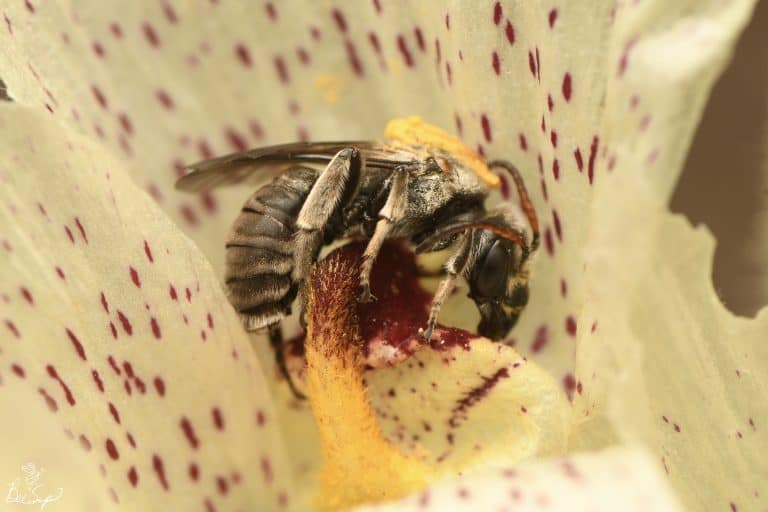
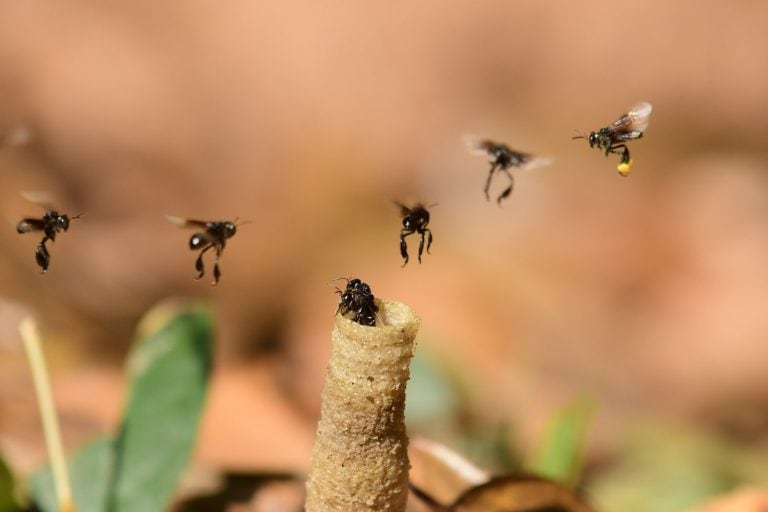
It’s also important to protect native bees and other pollinators in and around almond orchards. In 2021, the almond industry in California launched an initiative called the California Pollinator Coalition with the California Department of Food and Agriculture and international nonprofit Pollinator Partnership. Its goal is to provide enhanced habitats for pollinators.
Many farmers plant blooming cover crops near or within their orchards to provide additional food sources for pollinators. Additionally, building biodiversity on farms can improve soil health, water infiltration, and increase carbon capture.