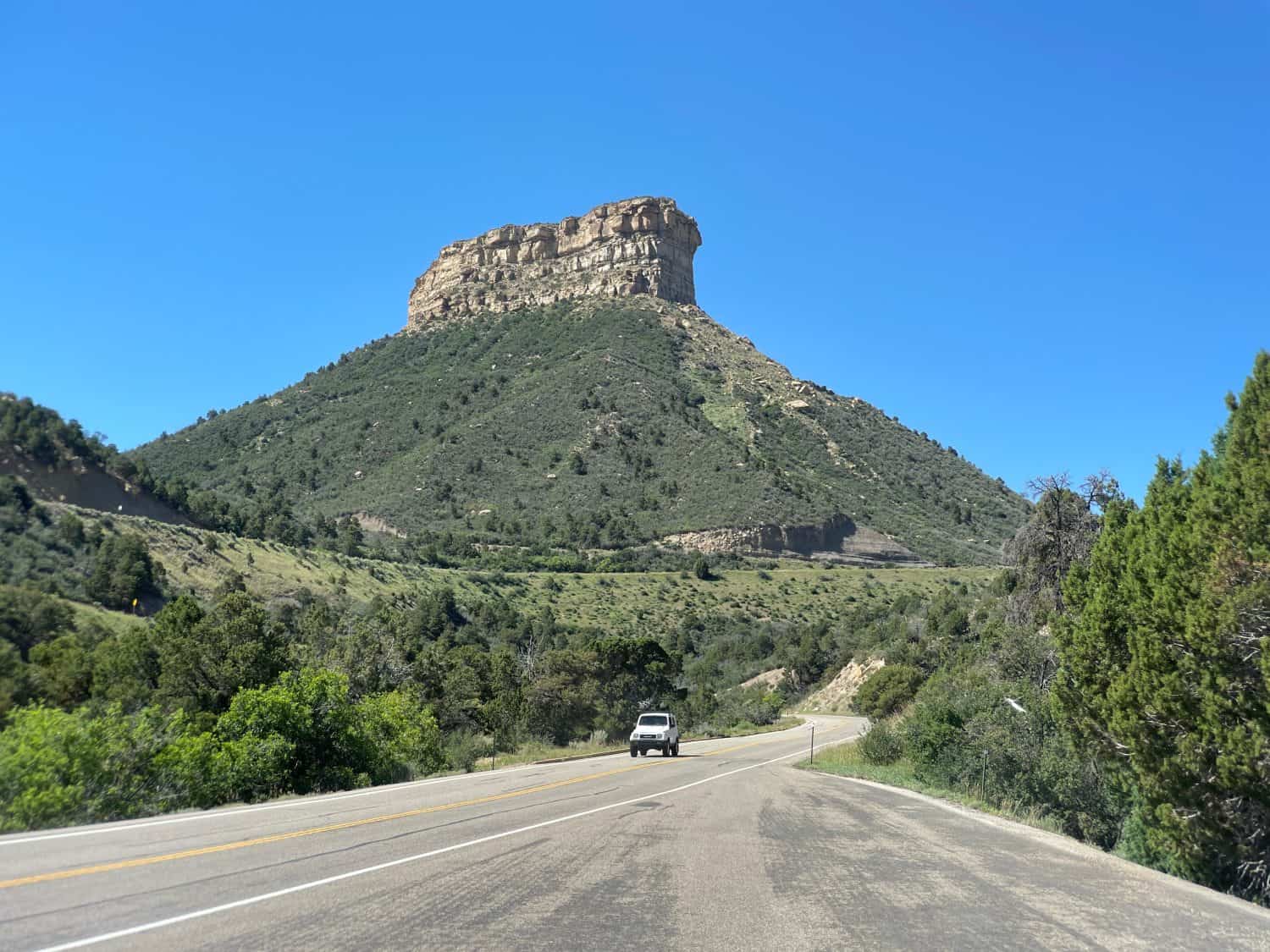

Mesa Verde National Park spreads over 52,485 acres of high plateau and rugged canyons on the southwest edge of Colorado’s Rocky Mountains. The park preserves nearly 600 ancient cliff dwellings and more than 4,000 archaeological sites, making it a cultural treasure and a haven for wildlife. Each year, Mesa Verde welcomes nearly half a million visitors who come to explore its remarkable history and diverse habitats. Its varied landscapes—pine forests, shrublands, and riparian corridors—support about 74 species of mammals, 200 species of birds, and numerous reptiles, fish, amphibians, and insects. Mesa Verde’s mosaic of ecosystems offers something extraordinary for every nature lover, from casual hikers to curious wildlife observers.
Mule Deer (Odocoileus hemionus)
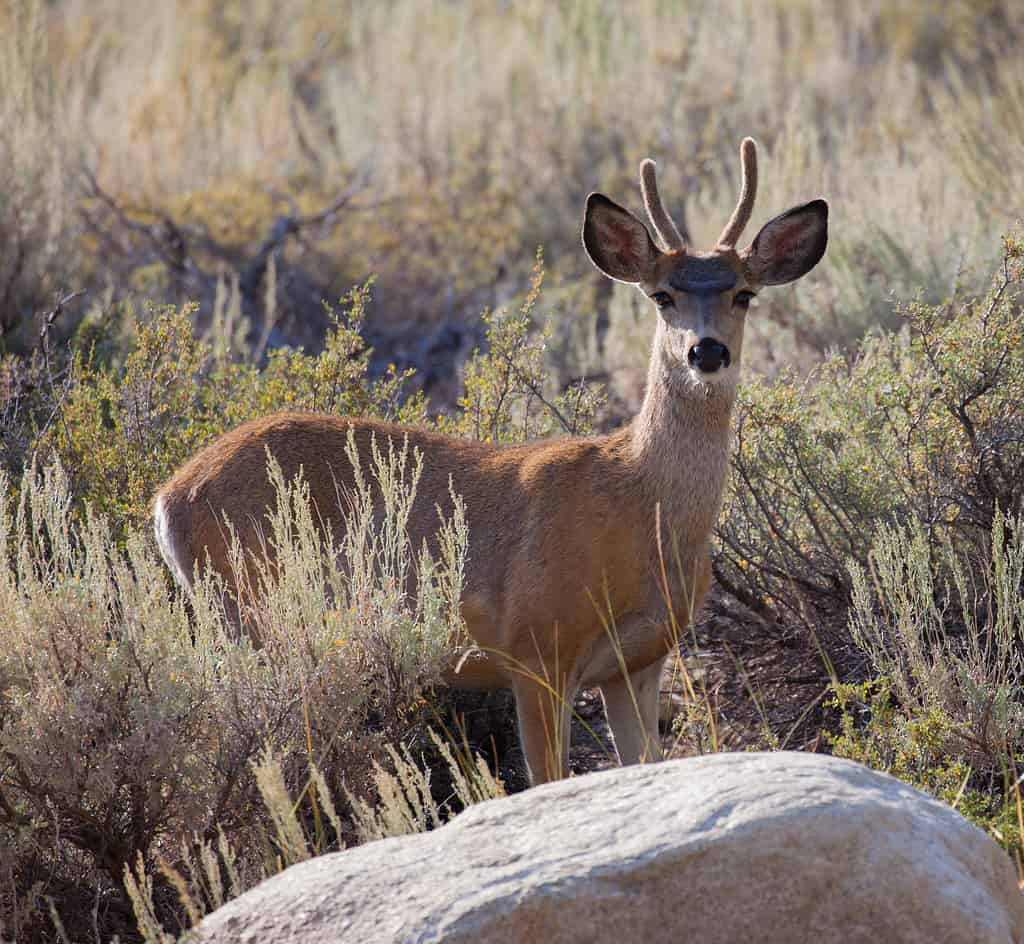
Mule Deer (Odocoileus hemionus)
©epantha/iStock via Getty Images
Mesa Verde’s mule deer are iconic residents, easily recognized by their oversized “mule-like” ears and gentle demeanor. They graze in open meadows and forest edges throughout the park and are most commonly spotted at dawn and dusk. Mule deer are primarily herbivores, feeding on leaves, shoots, and wildflowers. Visitors are likely to see them near roadsides or grassy slopes, especially in spring and early summer when new plant growth draws the herds out into the open. If you’re quiet and attentive, you might get rewarded by the sight of fawns following their mothers or bucks browsing quietly near ancient dwellings.
Turkey Vulture (Cathartes aura)
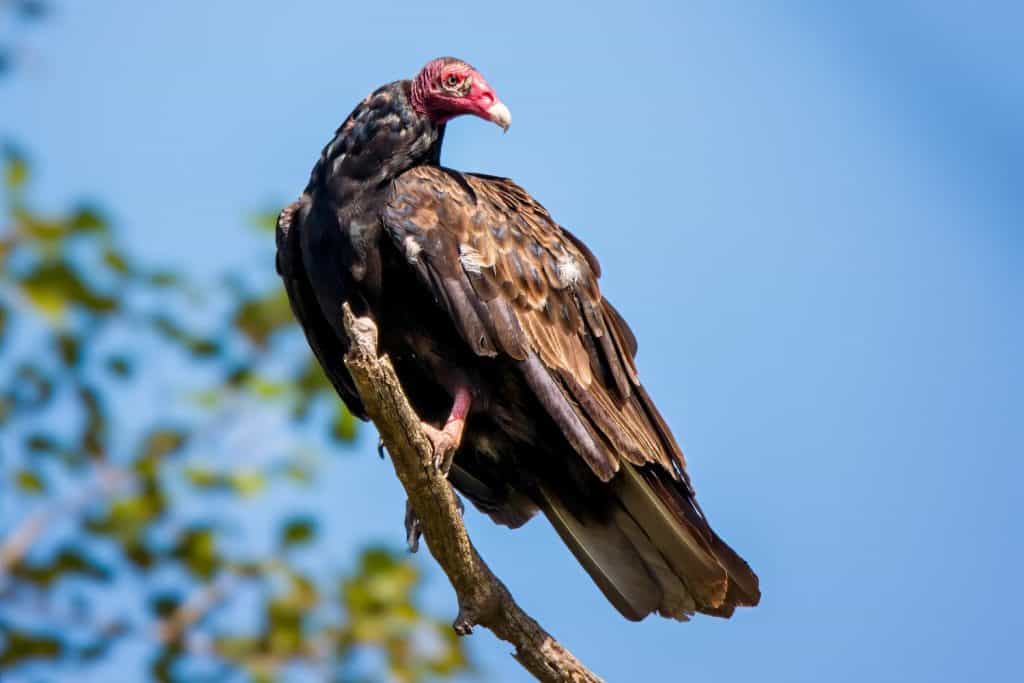
Turkey Vulture (Cathartes aura)
©Larry Eiden/Shutterstock.com
Soaring high above Chapin Mesa, the turkey vulture is one of the largest birds regularly seen in the park. With its impressive wingspan and distinctive red, bare head, this scavenger helps keep the environment clean by consuming carrion. Visitors can watch these graceful vultures circling on warm air currents during midday, especially from overlooks and open ridges. Their presence peaks in late spring and summer. Spotting turkey vultures gliding against the sky is a reminder of how every animal, even the humble scavenger, plays a crucial part in the Mesa Verde ecosystem.
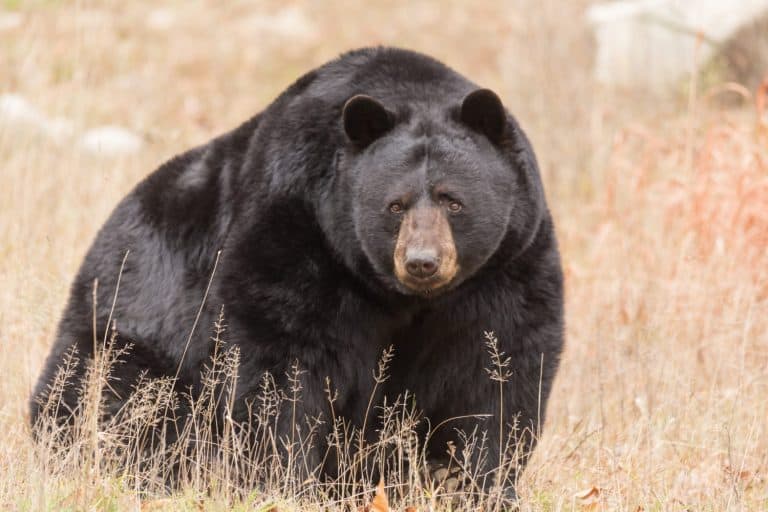
Black Bear (Ursus americanus)
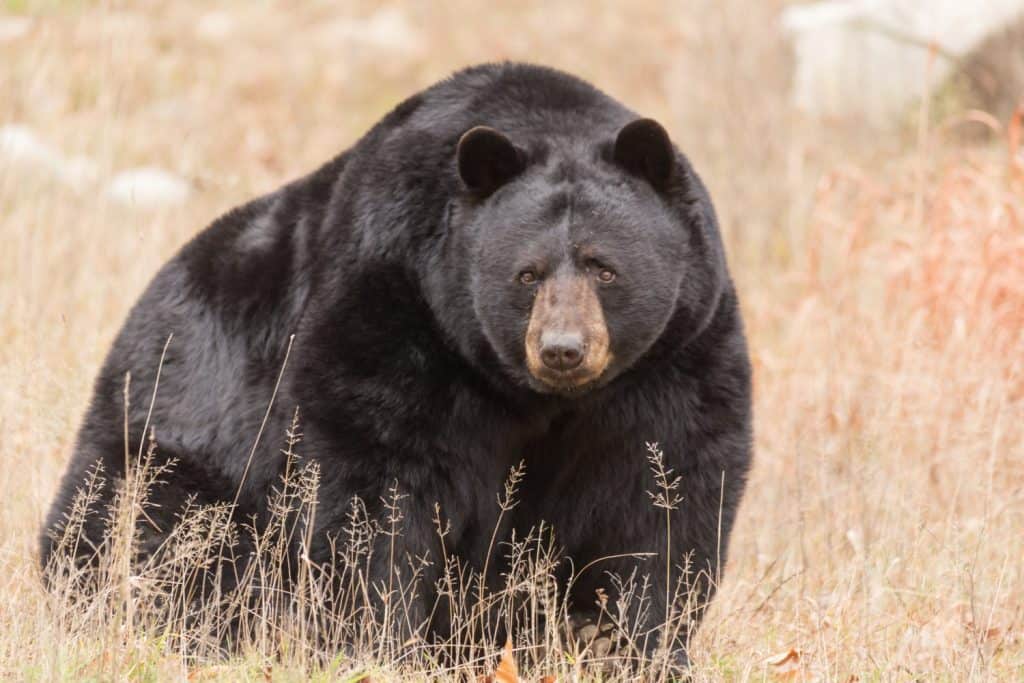
Black Bear (Ursus americanus)
©Josef Pittner/Shutterstock.com
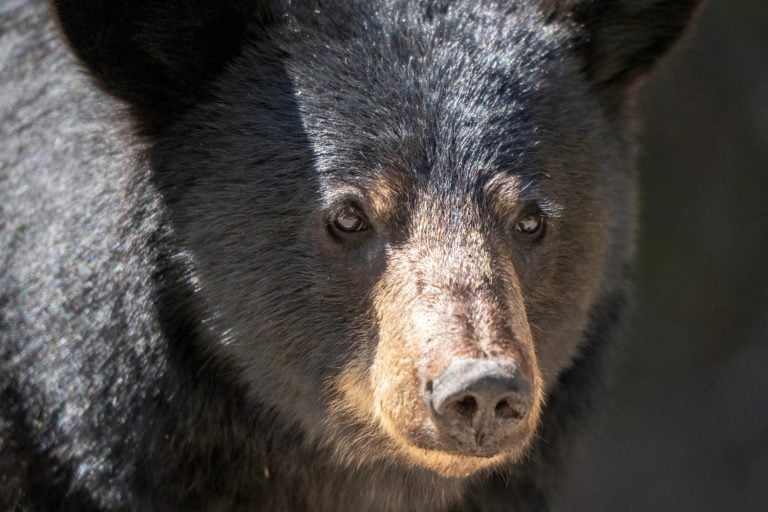
Though sightings are rare, the black bear inhabits Mesa Verde’s canyons and forests. Bears are most active between April and September, foraging for berries, nuts, insects, and occasionally scavenging animal remains. Early summer mornings or twilight hours are best for spotting bear activity, often around remote trails or thickly wooded areas. Human-bear encounters are infrequent, so always store food securely and respect closures in bear-active zones for everyone’s safety. While elusive, the bear’s role is vital for maintaining wildlife balance, dispersing seeds, and even controlling insect populations.
Western Rattlesnake (Crotalus viridis)
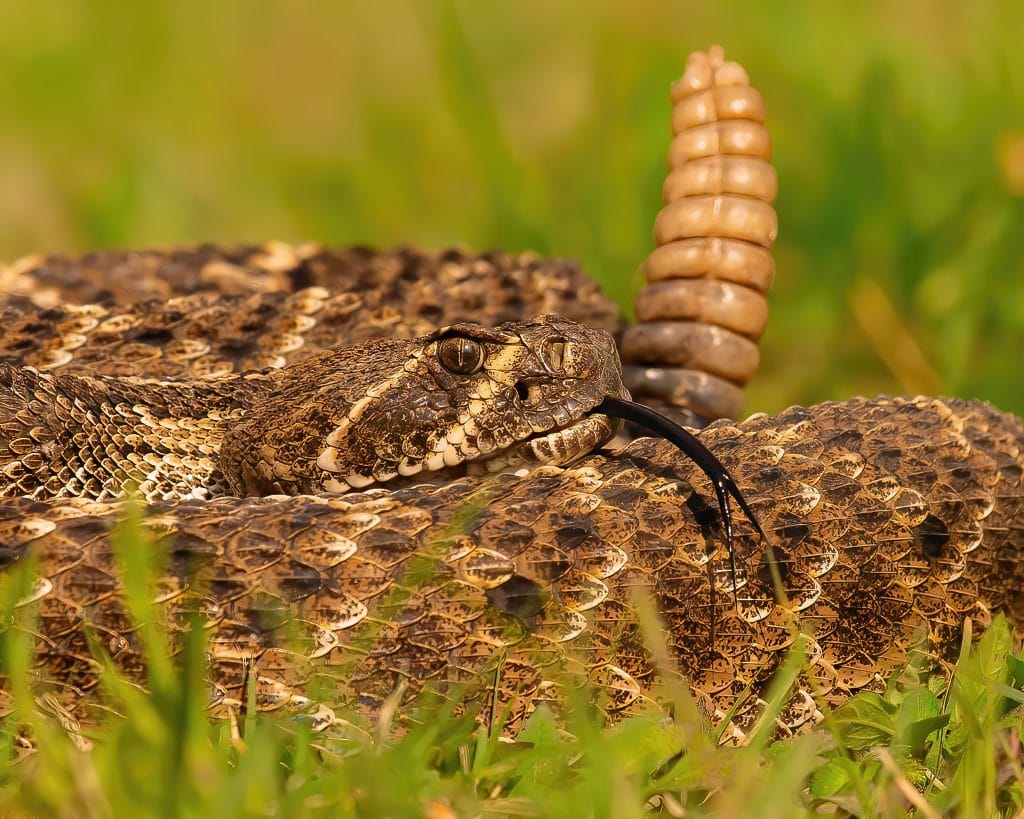
Western Rattlesnake (Crotalus viridis)
©Thomas Torget/Shutterstock.com
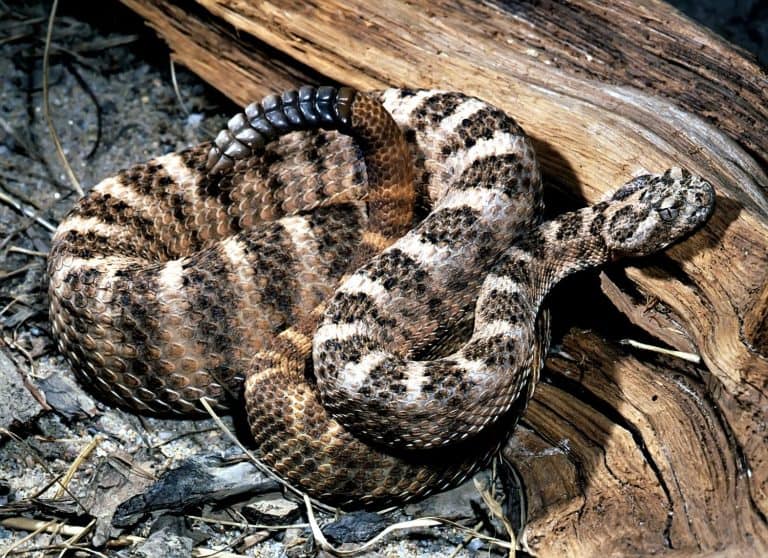
Mesa Verde is home to the western rattlesnake, a reptile universally known and feared for its rattling warning sound. These snakes prefer rocky ledges, sunny hillsides, and arid scrublands. Active from late spring through early fall, rattlesnakes help control rodent populations. Most sightings occur in the afternoon when they bask on exposed rocks, especially along little-traveled trails. Visitors should remain alert and give rattlesnakes a wide berth if encountered, though they rarely bite unless threatened. The venom can be fatal, but with timely medical treatment, most people fully recover.
Mountain Lion (Puma concolor)

Mountain Lion (Puma concolor)
©The Len/Shutterstock.com
Elusive and largely nocturnal, the mountain lion is the top predator at Mesa Verde. Its territory covers the park’s remote mesas and deep canyons, but actual sightings are extremely rare. Mountain lions prey on mule deer and smaller mammals, helping regulate wildlife populations. Tracks or scat may be found by experienced hikers, particularly after fresh snowfall. Although the chance of seeing a mountain lion is slim, signs of their silent presence inspire awe and caution, reminding guests to stay aware as they enjoy their hike.
Golden Eagle (Aquila chrysaetos)

Golden Eagle (Aquila chrysaetos)
©alberto clemares exposito/Shutterstock.com
The golden eagle, with its immense wingspan and powerful build, can be spotted hunting in the open grasslands and cliffs of Mesa Verde. These majestic birds use keen eyesight to scan for rabbits, prairie dogs, and other small animals. Spring and autumn migrations bring more eagles through the park, with the best viewing chances at sunrise or sunset. Eagles are especially active above canyon rims, and lucky visitors may witness their aerial acrobatics or hear their piercing calls echoing in open spaces. It’s part of nature’s soundtrack of the West.
Mexican Spotted Owl (Strix occidentalis lucida)
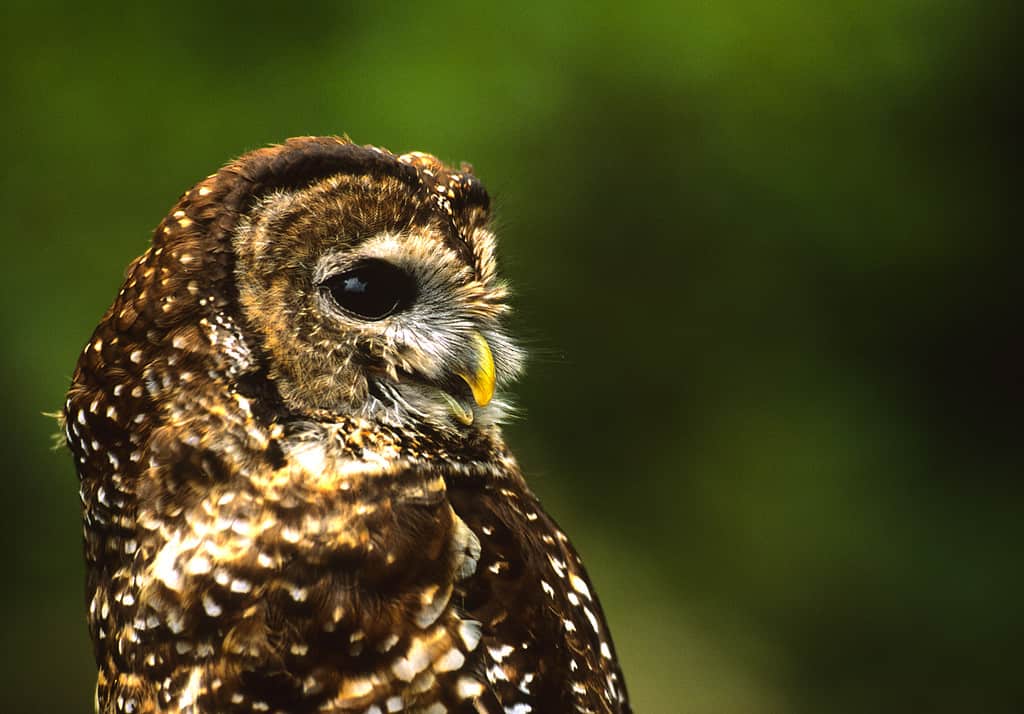
Mexican Spotted Owl (Strix occidentalis lucida)
©Images in the Wild/iStock via Getty Images
A special species under protection, the Mexican spotted owl roosts in remote old-growth forests within the park. Mesa Verde has protected activity centers and breeding core areas specifically for this threatened owl. Dusk and early night are the best times for listening to their haunting calls, though sightings are rare except on guided wildlife tours. The presence of the Mexican spotted owl signifies the park’s commitment to safeguarding rare animals and sensitive habitats.
Black-footed Ferret (Mustela nigripes)
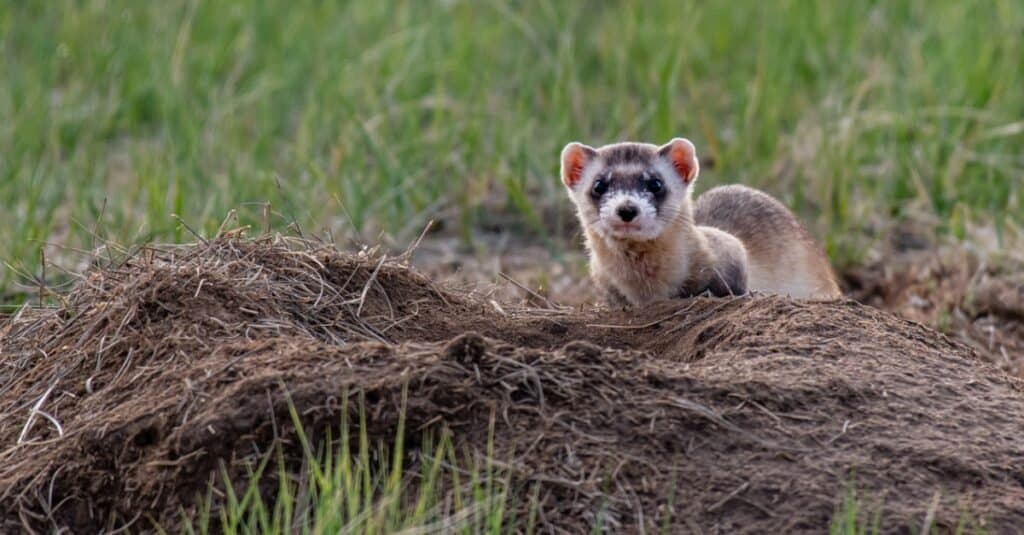
Black-footed Ferret (Mustela nigripes)
©iStock.com/Kerry Hargrove
Once thought extinct, the black-footed ferret is a rare carnivore at Mesa Verde, known for controlling prairie dog populations. Ferrets hunt mostly at night, slipping through underground tunnels and fields. To spot one is a true privilege; most sightings are brief and during the early evening or dawn when ferrets emerge to hunt. They’re a critical piece of the complex prairie ecosystem, balancing prey numbers and fostering healthy grasslands.
Eastern Collared Lizard (Crotaphytus collaris)
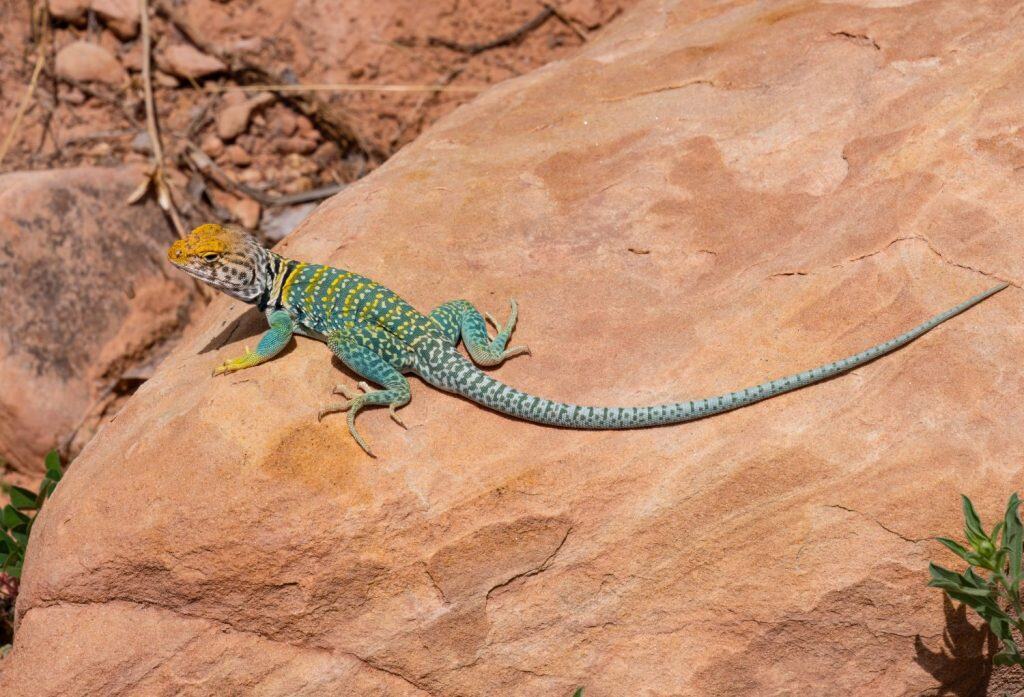
Eastern Collared Lizard (Crotaphytus collaris)
©Georgi Baird/Shutterstock.com
This colorful lizard, sometimes called the “yellow-headed collared lizard,” is a standout on sunny slopes and mesa tops. These reptiles bask on rocks in the morning, displaying vivid green and yellow markings. April through September is prime time to see active collared lizards darting after insects or displaying rapid movements to attract mates. They help keep insect populations in check and add splashes of color to Mesa Verde’s earth-toned rocky landscapes.
Rainbow Trout (Oncorhynchus mykiss)
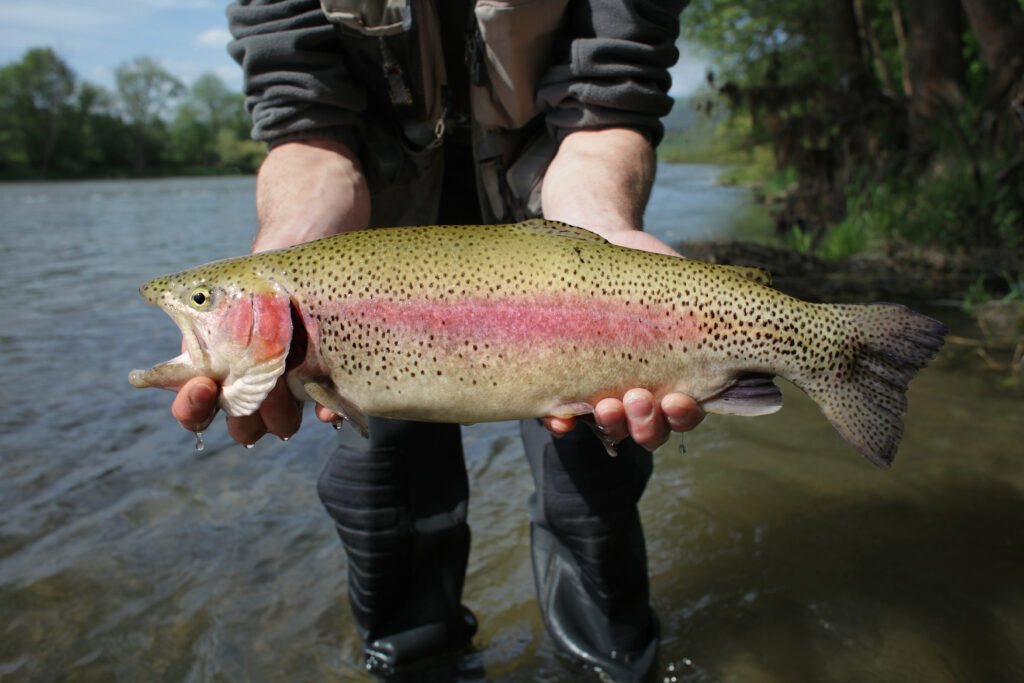
Rainbow Trout (Oncorhynchus mykiss)
©pictoplay/Shutterstock.com
Several streams and pools within Mesa Verde are home to rainbow trout, an introduced but now established fish species. Anglers and hikers might glimpse these brightly colored fish through clear water, especially in shaded, cool sections during high summer. Trout feed on aquatic insects and are most active at dawn or dusk. Fishing is not permitted in the park to preserve its ecosystems, so trout and other species are able to live out a full lifespan.
Peregrine Falcon (Falco peregrinus)
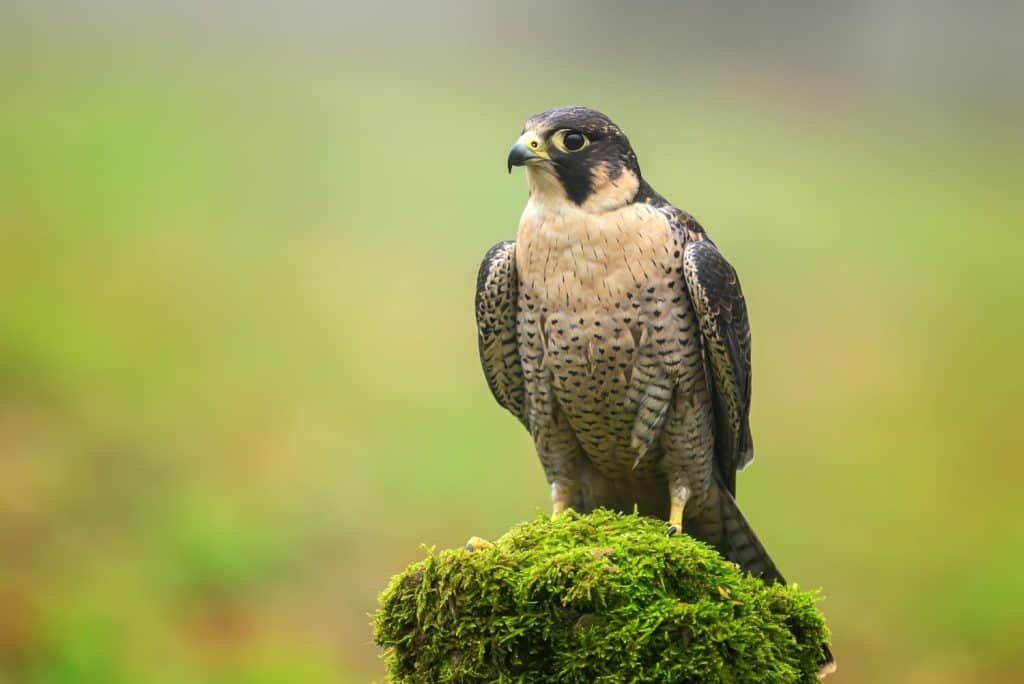
Peregrine Falcon (Falco peregrinus)
©Piotr Krzeslak/Shutterstock.com
With blistering speed and sharp vision, the peregrine falcon is a dramatic hunter in Mesa Verde’s skies. Falcons nest on cliff ledges and prey on smaller birds in flight. Spring months are best for spotting peregrine activity, particularly near rocky canyons where nests sit hundreds of feet above the valley floor. Nature enthusiasts marvel at the falcon’s high-speed dives, which can exceed 200 miles per hour.
American Elk (Cervus canadensis)
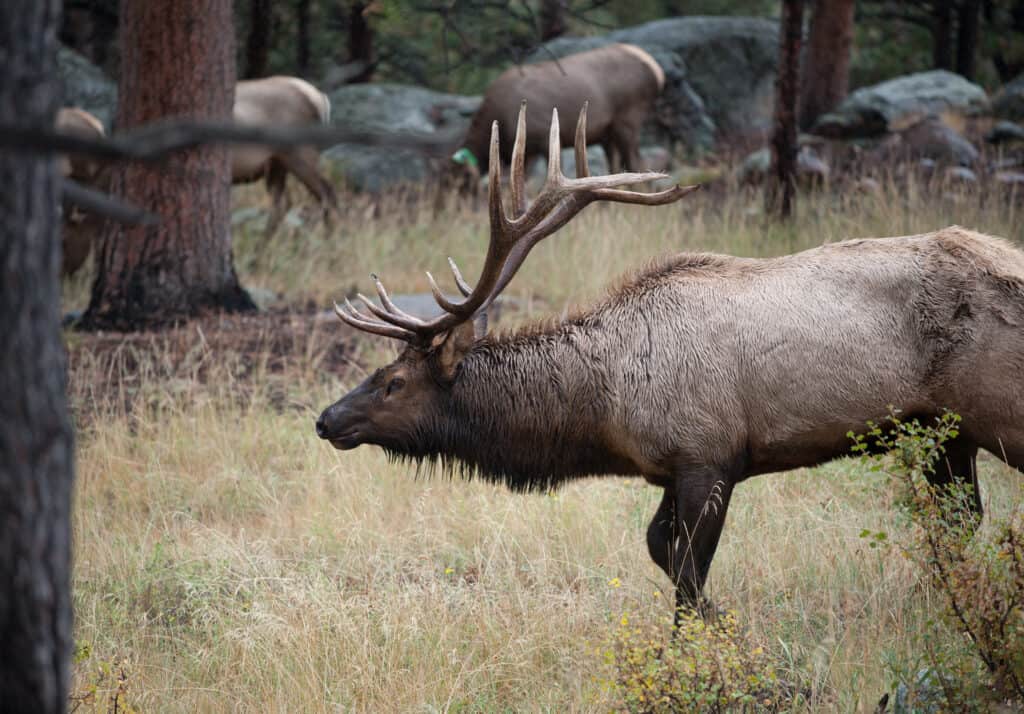
American Elk (Cervus canadensis)
©Tony Campbell/Shutterstock.com
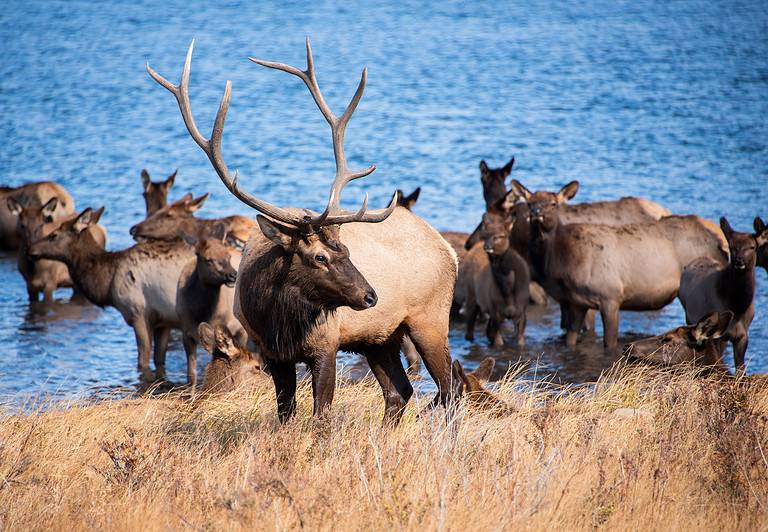
Once nearly absent, elk are now making a comeback in Mesa Verde and can be spotted grazing meadows or shrub-covered hillsides at dusk and dawn. These large mammals travel in small groups, often in spring and fall when food is abundant. Elk are shy but sometimes seen at a distance by observant hikers. Their bugling calls are a memorable experience in autumn, adding a wild note to the park’s landscape.
Western Tiger Beetle (Cicindela oregona)
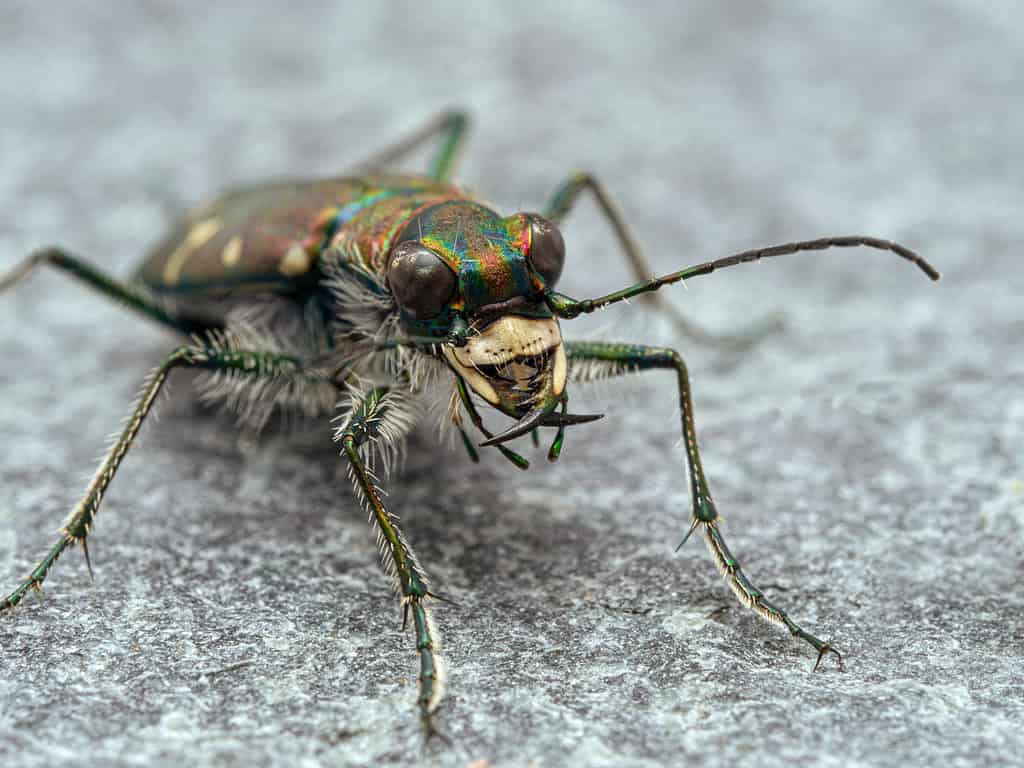
Western Tiger Beetle (Cicindela oregona)
©Ernie Cooper/Shutterstock.com
Tiger beetles are among the park’s most eye-catching insects, known for their metallic sheen and quick movements. Look for them on sandy trails or rocky margins from late spring into summer. These beetles hunt other insects and play a vital role in Mesa Verde’s food webs. Rare species like the Mesa Verde tiger beetle highlight the park’s unique biodiversity, and entomologists flock here hoping to document new discoveries.
Black Swallowtail Butterfly (Papilio polyxenes)
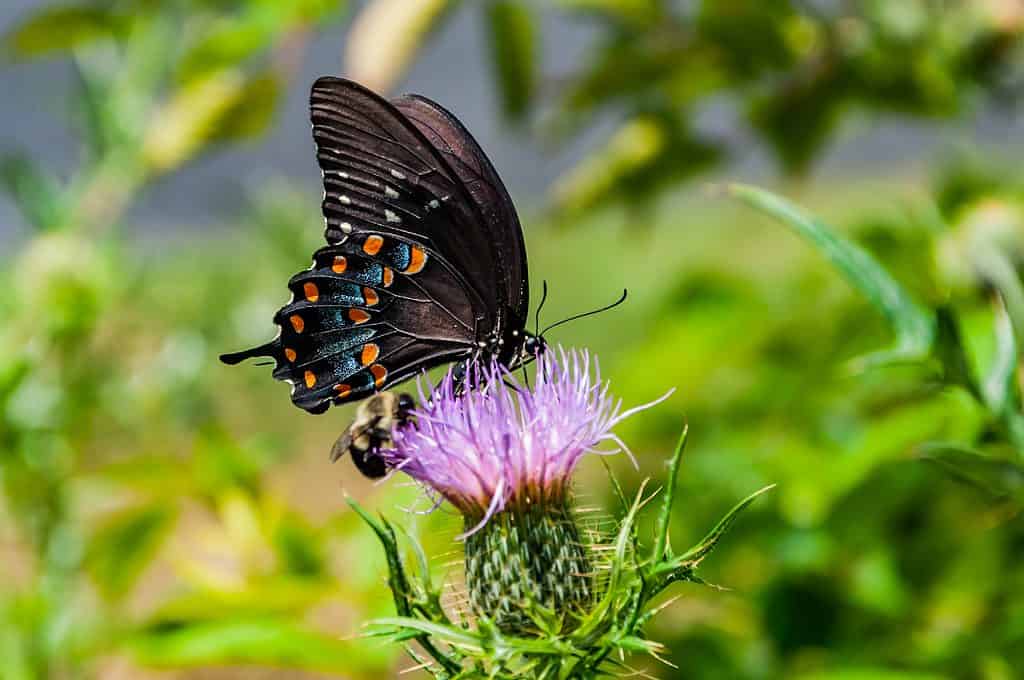
Black Swallowtail Butterfly (Papilio polyxenes)
©Walt Bilous/Shutterstock.com
The black swallowtail is a striking butterfly, especially common in wildflower-dotted meadows in late spring and summer. Its larvae feed on native plants, including the rare Mesa Verde Wandering Aletes. Visitors can spot adults sipping nectar during warm sunny days; early morning is the best time for observing butterflies before the winds pick up. Such specialized butterflies show how Mesa Verde acts as a haven for one-of-a-kind insect life.
Western Fence Lizard (Sceloporus occidentalis)
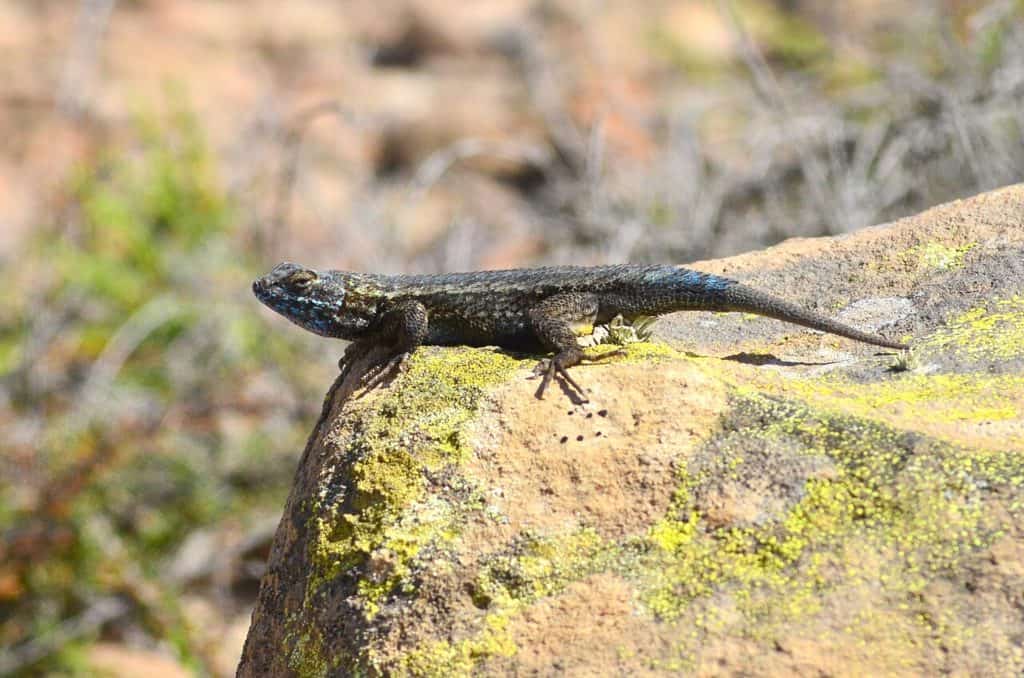
Western Fence Lizard (Sceloporus occidentalis)
© – Original
Among the common reptiles in the park, the western fence lizard is often spotted sunning itself on rocks, logs, or cliff ledges. These lizards are active in daylight during the warmer months and escape predators with their quick dashes. Their favorite habitats include open woodlands and rocky terrain, so hikers on the popular trails will often catch glimpses of startled lizards darting away.
A Wild Mosaic
Mesa Verde National Park’s extraordinary variety of animals is woven into every canyon and mesa. From rare owls to brilliant beetles, patient visitors and first-time explorers alike can expect memorable encounters with wildlife on every visit. The animals here are more than just sightseeing highlights. They help maintain a fragile balance and connect the park’s ancient history to its living natural world.