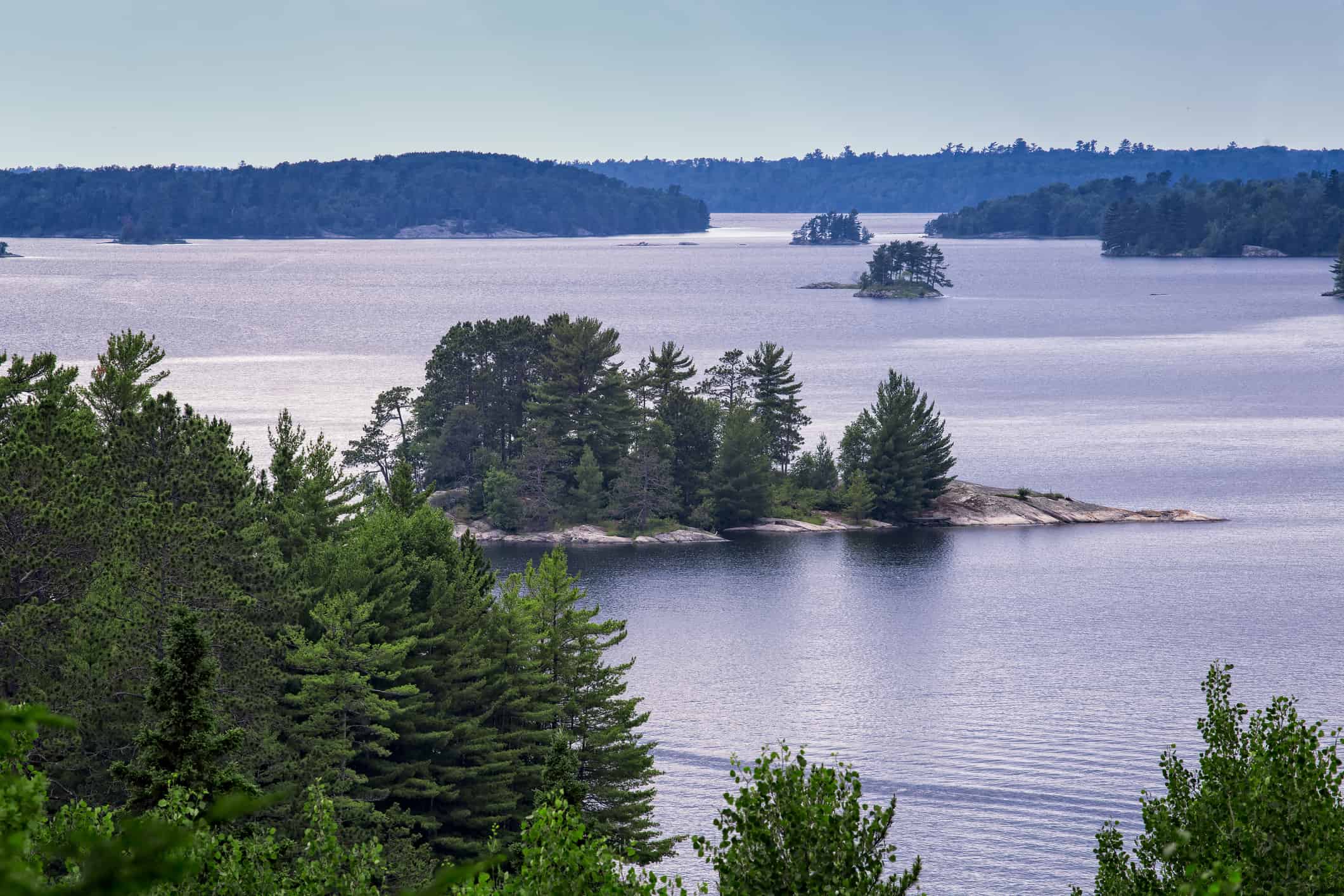

Voyageurs National Park stretches along Minnesota’s northern border in a patchwork of lakes, forest, rocky peninsulas, and more than 500 islands. The park includes 84,000 acres of waterways, forests, wetlands, and rolling uplands. Because most of it is reachable only by boat, visitors move through sheltered bays, island shorelines, and quiet channels to observe wildlife on land and in the water. Here are some of the species that patient, observant travelers may encounter.
North American Beaver (Castor canadensis)
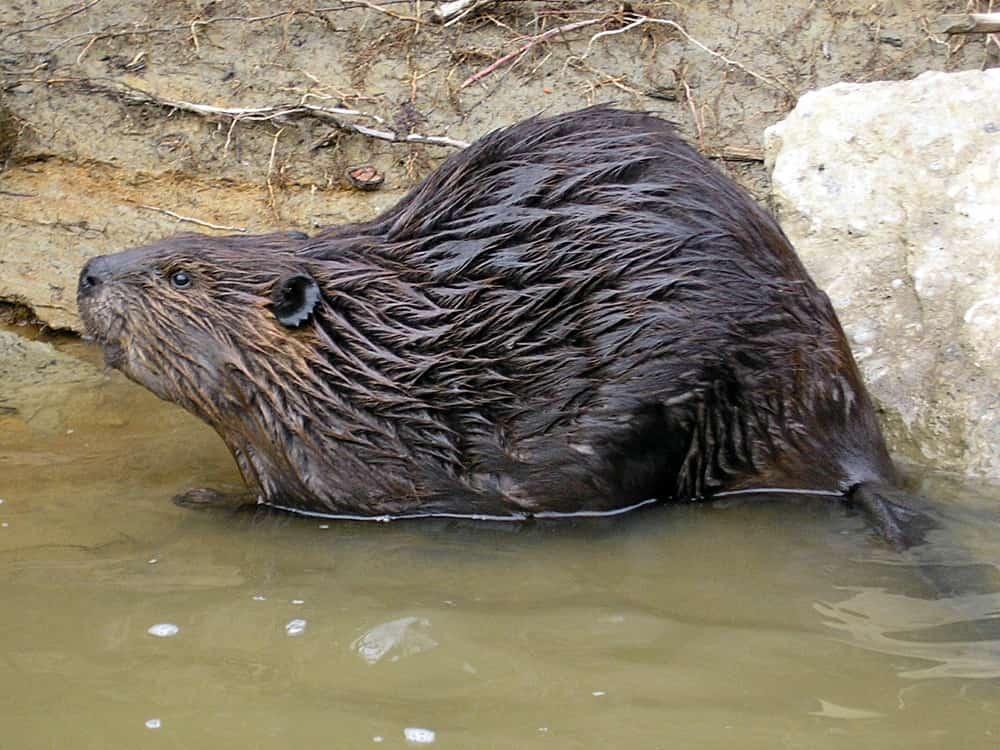
North American Beaver (Castor canadensis)
©International Monetary Fund (photographer uncredited) / Public domain, from Wikimedia Commons, the free media repository – Original / License
Beavers are the park’s engineers. Their dams slow streams and flood low forests, forming wetlands that shelter fish, frogs, turtles, and waterfowl. Visitors will notice fresh aspen stumps, channels cut through shallows, and lodges that rise like low mounds from back bays. As for the animals themselves, the best time to see them is near dawn or dusk. A sudden tail slap on the water is the beaver’s alarm to warn family members, and it is often followed by a disappearing V of ripples.
Bald Eagle (Haliaeetus leucocephalus)
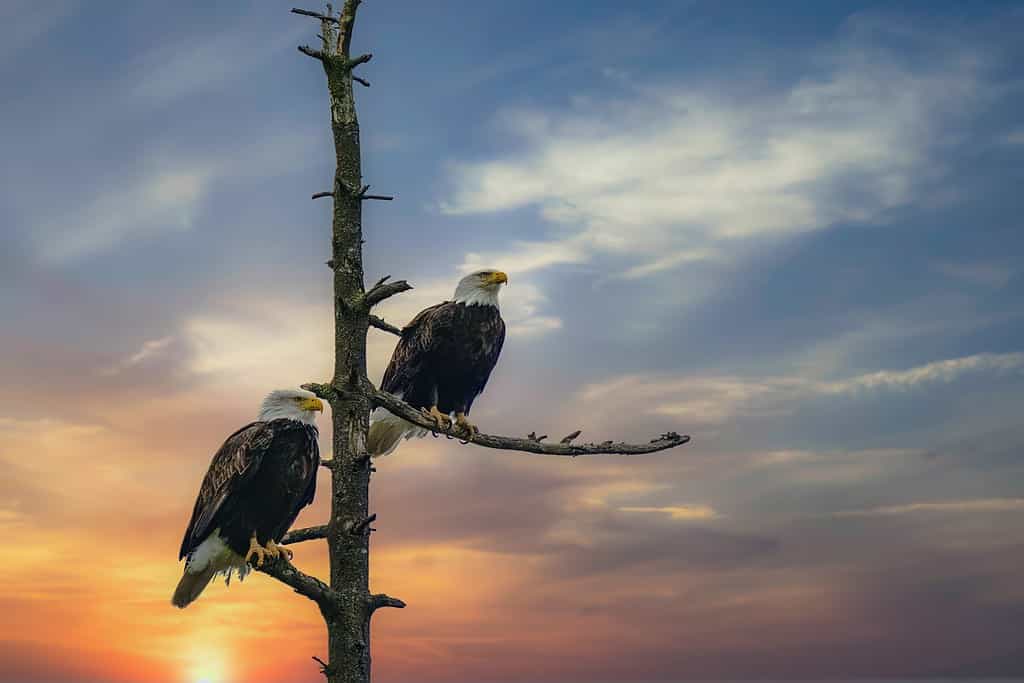
Bald Eagle (Haliaeetus leucocephalus)
©Wirestock/ via Getty Images
This national emblem is a daily sight over the big lakes of Voyageurs. They cruise shorelines, rise on thermals above islands, and drop suddenly to snatch a fish from the water. Nests are built high in pine trees, often with a commanding view of water. Decades ago, the species declined because of pesticide contamination, but protections and cleaner water have allowed a strong recovery.
Eastern Gray Wolf (Canis lupus)
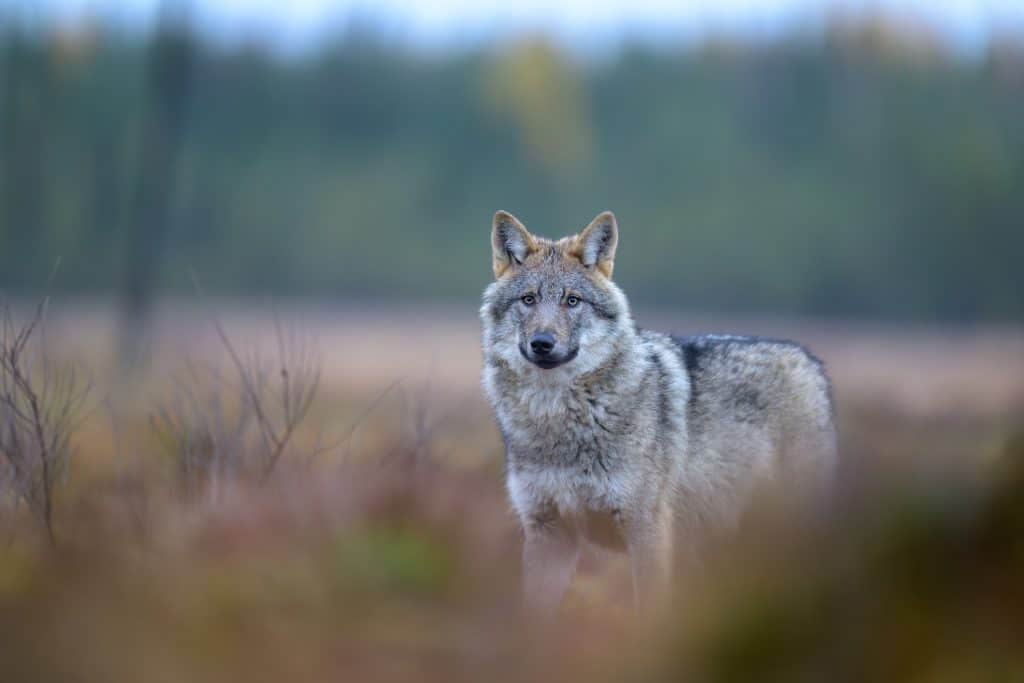
Eastern Gray Wolf (Canis lupus)
©Bjorn H Stuedal/Shutterstock.com
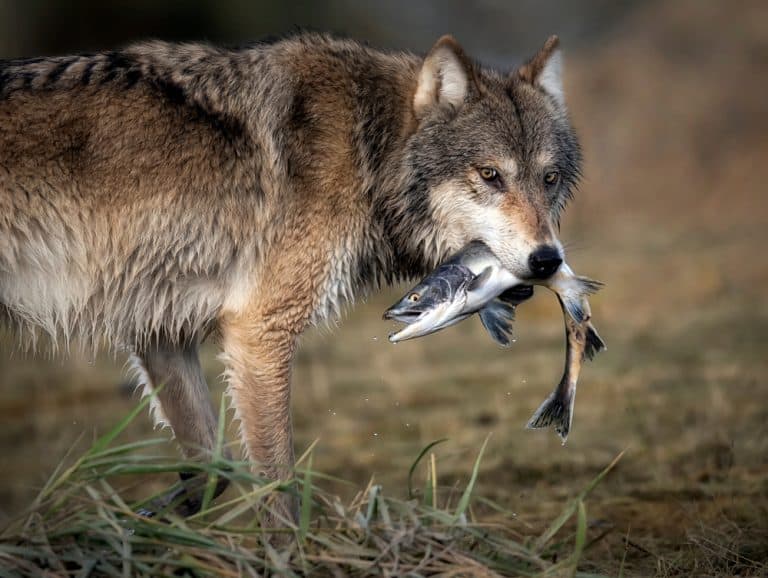
Voyageurs is one of the few protected areas in the lower 48 states to host a stable population of wolves. They travel wide territories and feed mostly on deer, beaver, snowshoe hares, and the occasional moose calf. Sightings are uncommon but tracks and scat are frequent along winter trails and sandy landings. You are more likely to hear these animals than see them. On calm nights their lonely, haunting howls carry across the lakes and through the pines.
Northern Pike (Esox lucius)
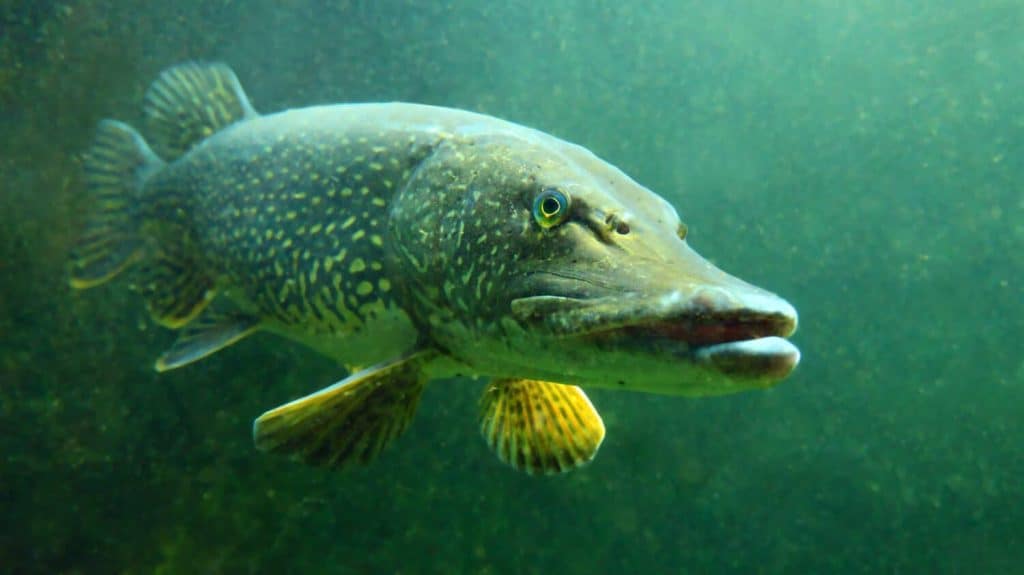
Northern Pike (Esox lucius)
©Kletr / Shutterstock.com
In the clear water of Rainy, Kabetogama, and Namakan Lakes, northern pike hang out near weedy banks and rocky points. These long, muscular fish are ambush predators, built to burst from cover and swallow prey that looks too big to fit. Anglers target them with spoons, jerkbaits, or large flies. Kayakers and snorkelers sometimes glimpse them holding motionless in shallow bays.
Common Loon (Gavia immer)
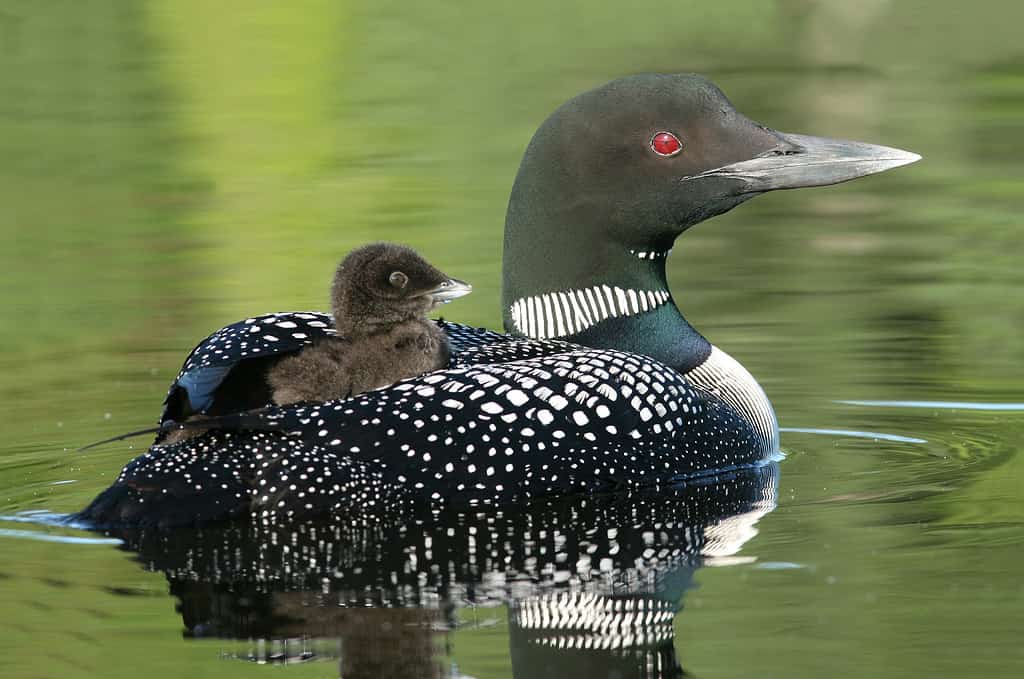
Common Loon (Gavia immer)
©BRIAN LASENBY/iStock via Getty Images
The sound of the loon’s call stays with visitors to Voyageurs long after their return home. These birds nest along quiet shores where waves are gentle and disturbance is rare. They build mounded nests from reeds and moss, and both parents tend the eggs. After hatching, small chicks often ride on a parent’s back for warmth and safety while learning to dive. Watch from a distance with binoculars to avoid stressing the birds.
Painted Turtle (Chrysemys picta)

Painted Turtle (Chrysemys picta)
©Ethan Daniels/Shutterstock.com
These adorable turtles like to bask on logs in beaver ponds and marsh edges. Their smooth shells and striped legs make them easy for children to identify. Females dig nests in sandy soil and lay eggs that hatch later in the summer. Sometimes drivers stop to rescue a turtle trying to cross the road. If you do, take it in the direction it is headed, not where it came from, and don’t relocate it to a different area. Painted turtles occupy small home ranges and rely on familiar wetlands to feed and overwinter.
Snowshoe Hare (Lepus americanus)

Snowshoe Hare (Lepus americanus)
©Mircea Costina/Shutterstock.com
Living in the forest’s understory, snowshoe hares are all-season animals that are a vital part of the natural balance. Their feet spread to support them on crusted snow, and their coat turns white in winter and mottled brown in summer to help them blend into their surroundings. Look for them at dawn or dusk along willow thickets and young aspen.
Osprey (Pandion haliaetus)
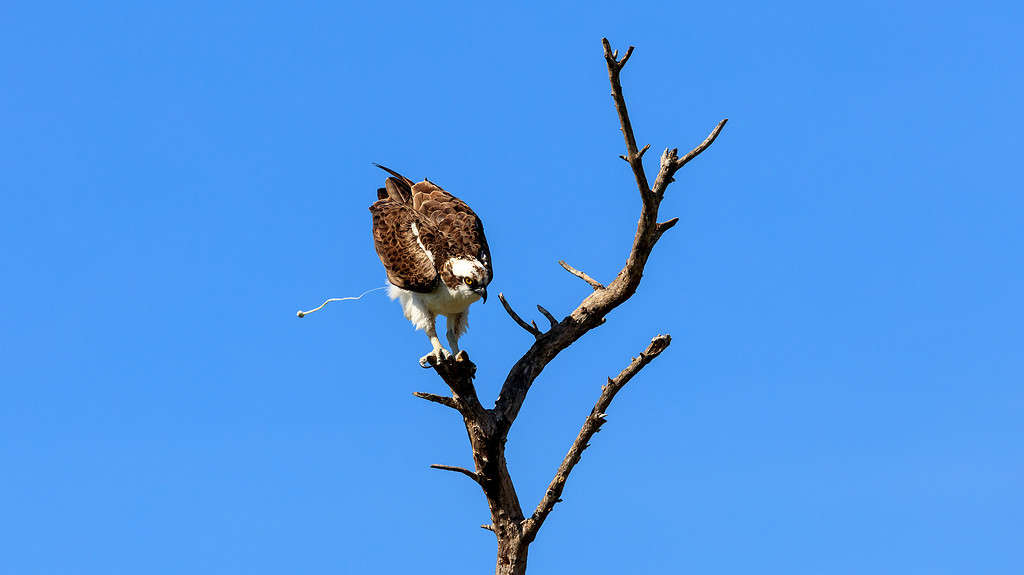
Osprey (Pandion haliaetus)
©Ullimi/iStock via Getty Images
These raptors patrol rocky bays, hovering in flight before making a plunge for fish. They nest on dead trees, power poles, and platforms erected by biologists. If you see an osprey carrying a fish, notice that it often cleverly orients the catch headfirst to reduce wind resistance. Like eagles, ospreys have made a population recovery with the help of protected nesting sites and public awareness.
Black Bear (Ursus americanus)
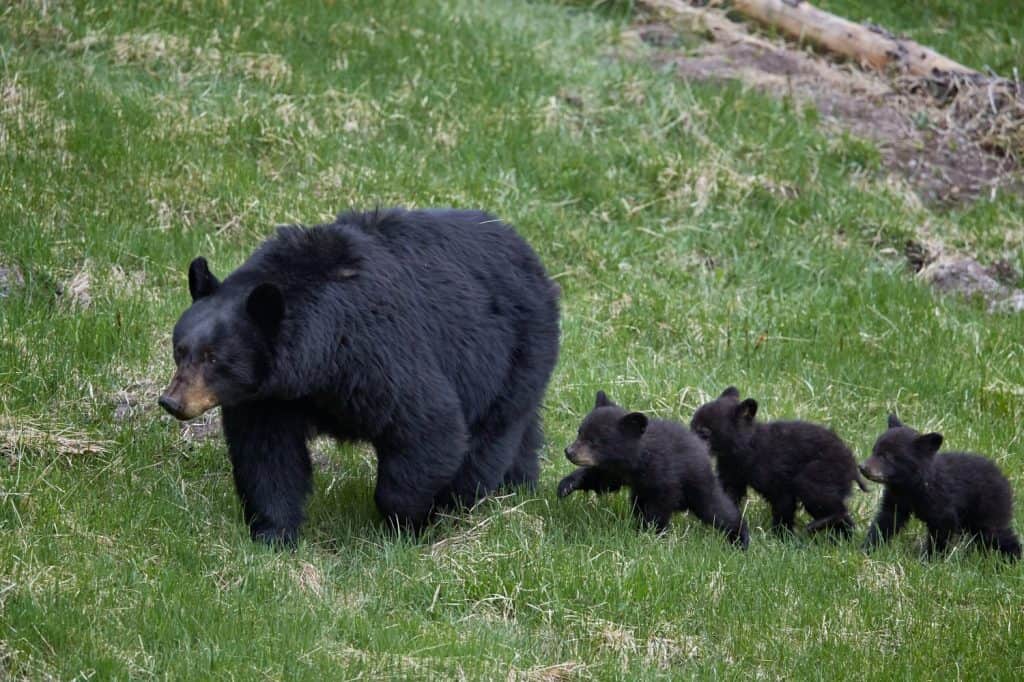
Black Bear (Ursus americanus)
©Robert Harding Video/Shutterstock.com
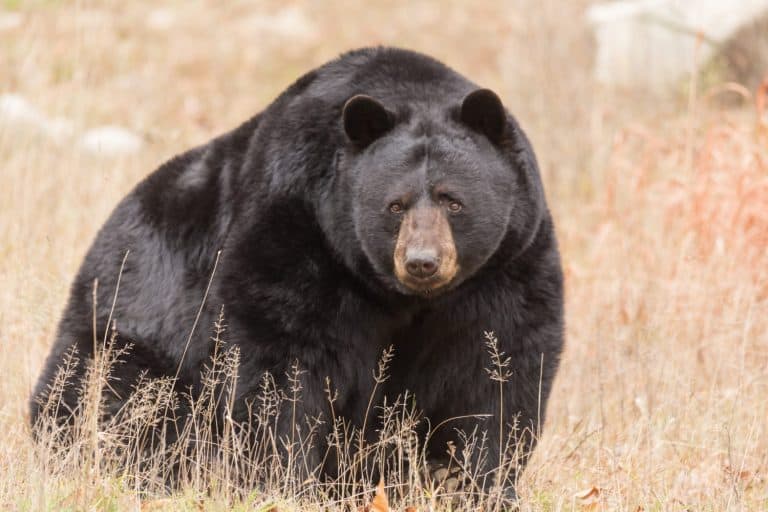
A thrilling sight, black bears roam widely in Voyageurs, visiting berry patches, ant mounds, and windfalls of nuts or seeds. They are usually shy and avoid people, but a careless campsite can be a powerful lure. Use bear-resistant containers or proper food hangs, clean cookware thoroughly, and never leave coolers unattended. This is both for your safety and to avoid teaching bears to associate people with food, making them into a bigger nuisance and danger for future campers.
Yellow-Bellied Sapsucker (Sphyrapicus varius)
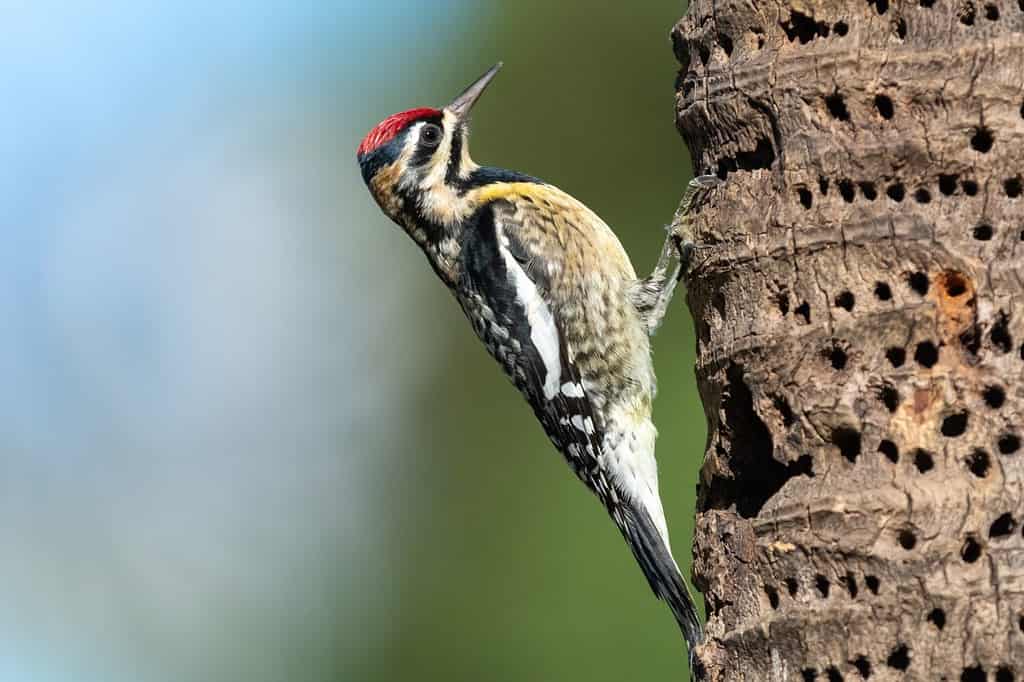
Yellow-Bellied Sapsucker (Sphyrapicus varius)
©Piotr Poznan/Shutterstock.com
This woodpecker drills rows of shallow holes in birch, aspen, and maple to feed on sap and the insects it attracts. Look for the neat grids of fresh wells oozing sap in spring. Hummingbirds, warblers, and even squirrels may visit the same wells to sip the sugary fluid. Sapsuckers play an odd but helpful role by opening these miniature taps that other animals use. Their drumming and mewing calls are easy to learn, and once you recognize them, you will notice how common the birds are along mixed-forest trails.
River Otter (Lontra canadensis)
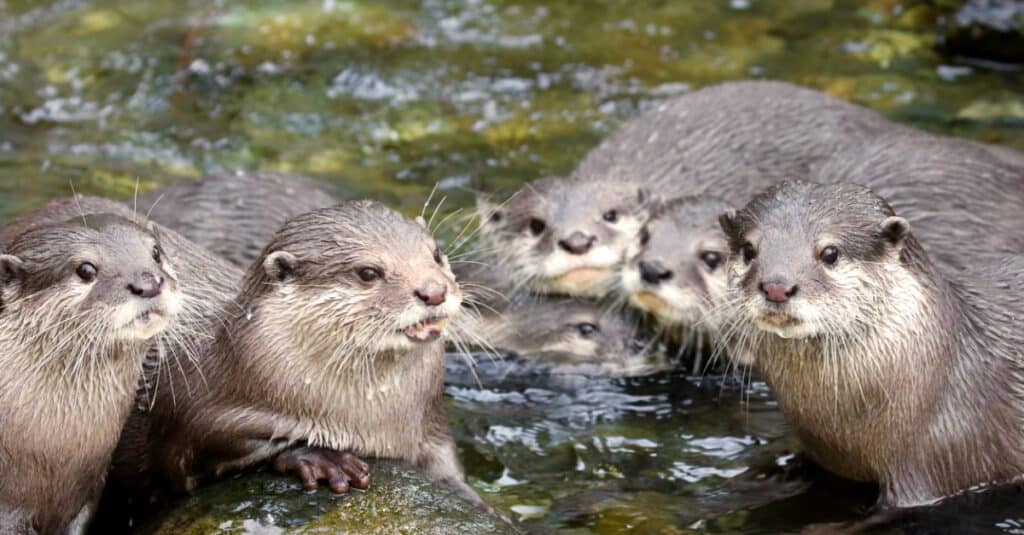
River Otter (Lontra canadensis)
©iStock.com/Mirko_Rosenau
Otters are the park’s comedians. Families slide down muddy banks, chase one another through weeds, and surface with a snort before diving again. They favor quiet backwaters near beaver activity where fish and crayfish are plentiful. If you come upon otters while paddling, drift and watch. They may approach out of curiosity. Keep voices low and movements slow. Healthy otter populations signal clean water and productive wetlands.
Canada Jay (Perisoreus canadensis)
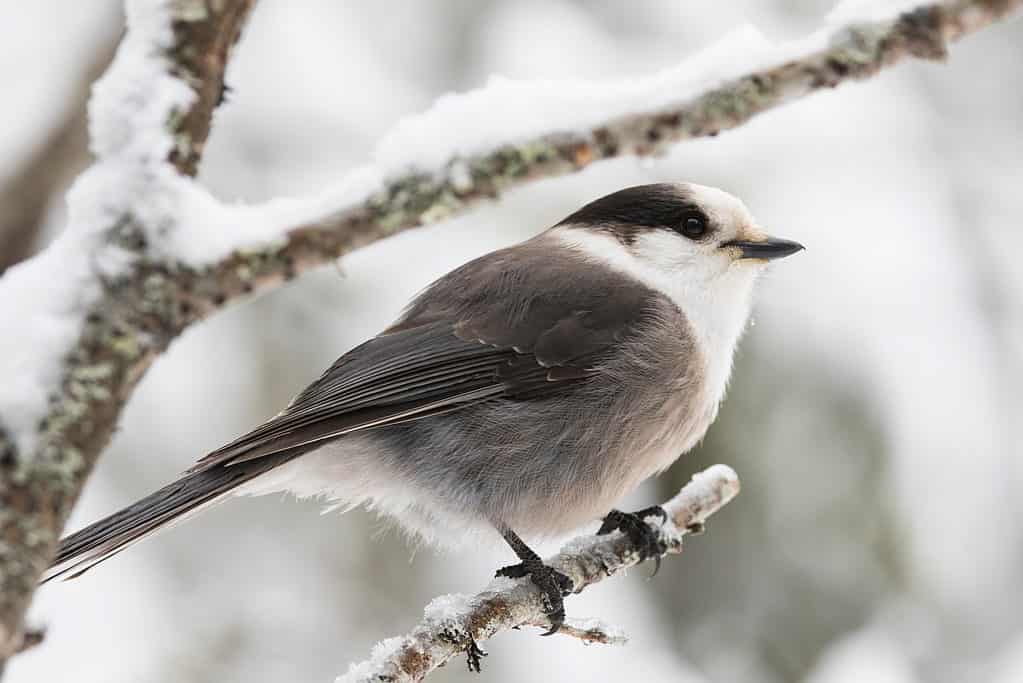
Canada Jay (Perisoreus canadensis)
©Mircea Costina/Shutterstock.com
Sometimes called whiskey jacks, Canada Jays are friendly camp visitors. They cache food for winter by gluing small morsels to tree bark with sticky saliva. Nesting begins while snow still lingers, which is unusual among songbirds. These jays are intelligent and observant. Do not feed the birds human food, which can harm them and attract unwanted scavengers.
Common Snapping Turtle (Chelydra serpentina)
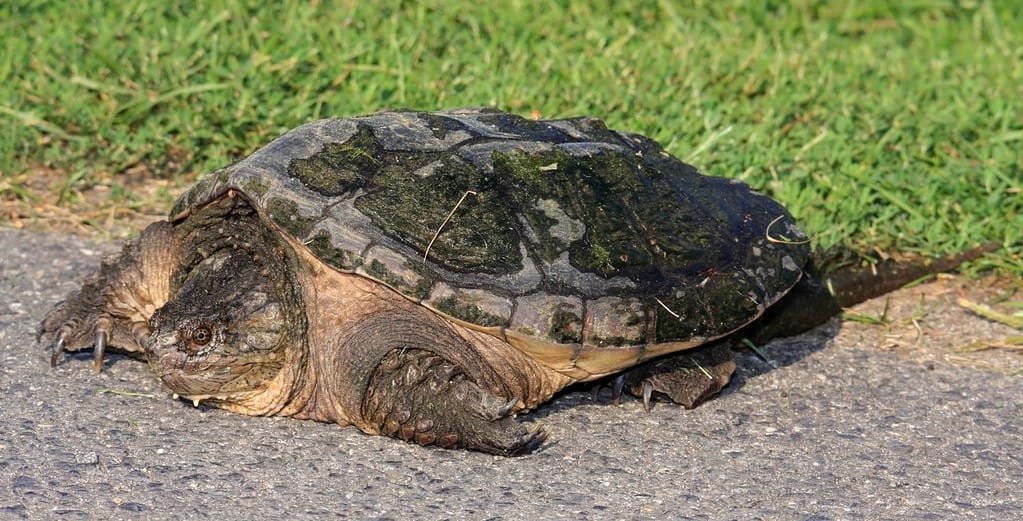
Common Snapping Turtle (Chelydra serpentina)
©Joseph M. Arseneau/Shutterstock.com
Snapping turtles occupy weedy shallows and soft bottoms, where they wait to ambush fish and frogs. Adults can weigh more than 20 pounds and are strong enough to snap a branch—or a human bone. Give them room when they are nesting along sandy shorelines. For photographers, the safest shot is from a distance with a long lens. Snappers move slowly on land but can lunge with surprising speed when threatened.
Moose (Alces alces)
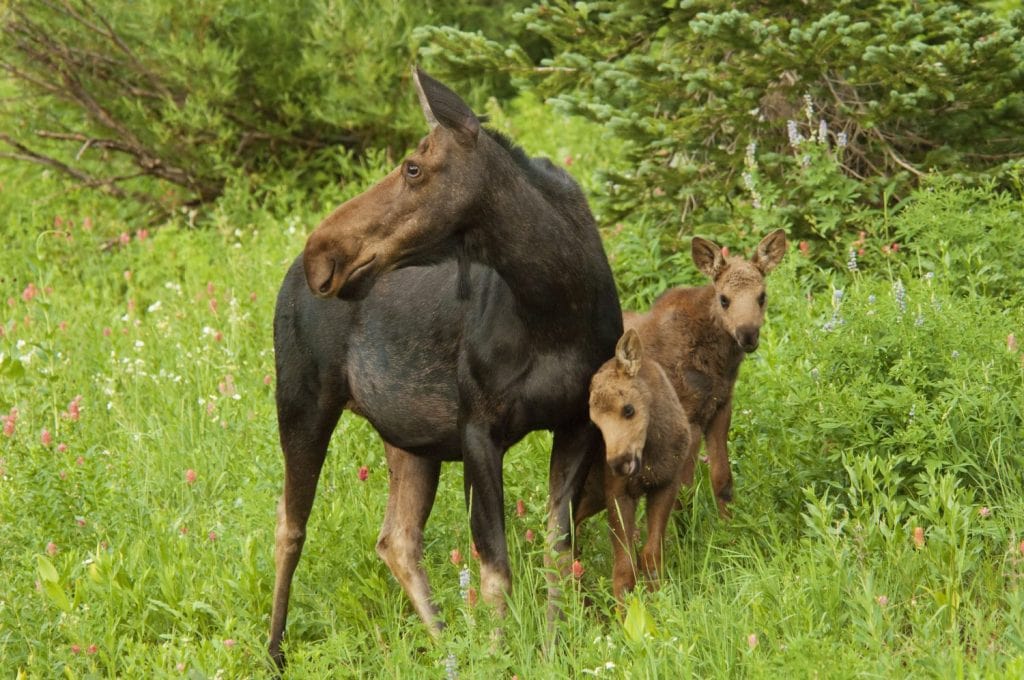
Moose (Alces alces)
©MintImages/Shutterstock.com
The undisputed giants of the park are moose. They walk and wade around quiet inlets and boggy ponds where they feed on aquatic plants. In summer they often enter water to escape insects and cool their bodies. Calves are born in late spring and remain with the cow through the first winter. Seeing a moose is a highlight of any trip. Keep at least several boat lengths away when viewing from the water and never approach a cow with a calf. Moose are powerful and unpredictable when stressed.
Walleye (Sander vitreus)
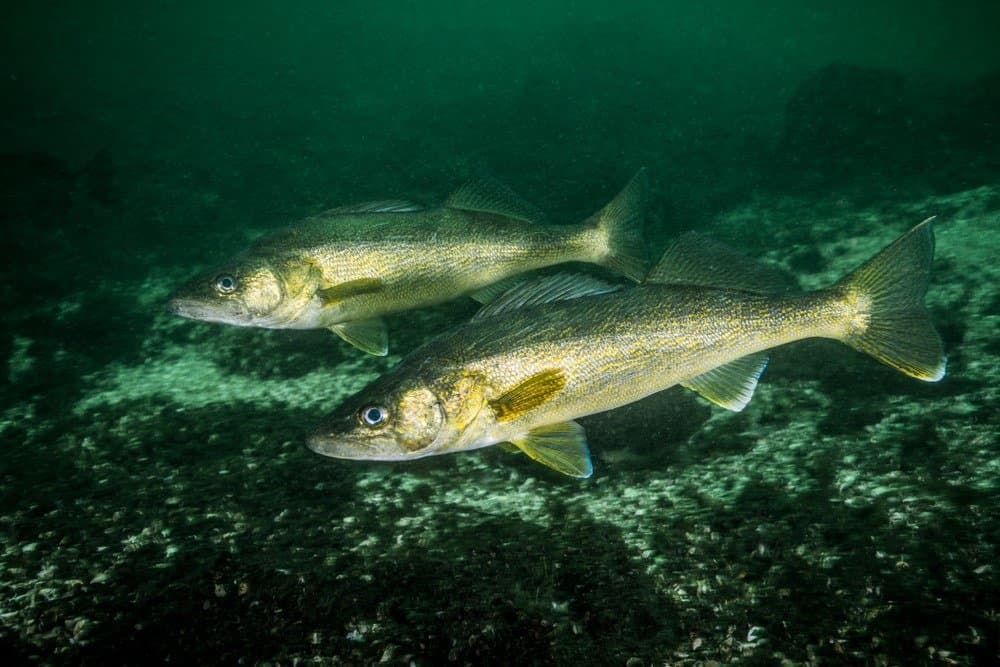
Walleye (Sander vitreus)
©RLS Photo/Shutterstock.com
In Minnesota, walleye are one of the most popular sport fish. They feed at dawn, dusk, and night on minnows and crayfish near rocky bars and submerged points. Spring spawning draws them to windy reefs and shorelines where currents move over rock. At Voyageurs it can be a memorable experience to fish at sunset and watch the sky darken while loons begin their evening calls.
Blue Dasher (Pachydiplax longipennis)
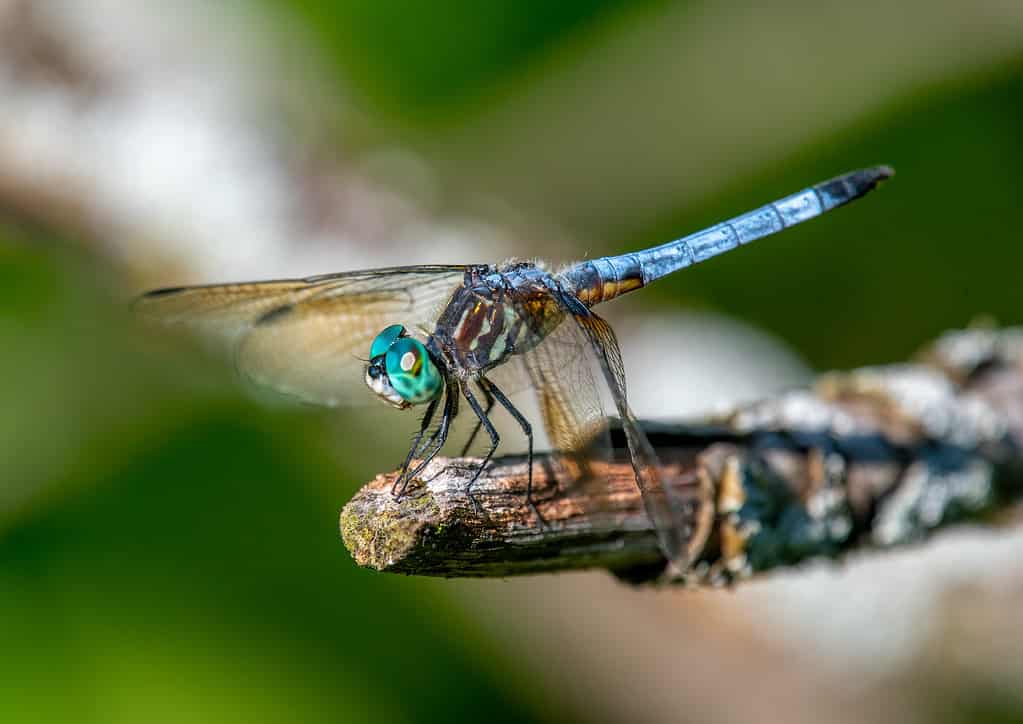
Blue Dasher (Pachydiplax longipennis)
©Gerald DeBoer/iStock via Getty Images
These stunning blue dragonflies chase mosquitoes and midges over bog pools and quiet bays. Their sudden turns and hovering flights make them easy to watch from a canoe. They perch on reeds and lily stems, then launch after passing insects with surprising precision. Dragonfly nymphs live underwater and feed on small invertebrates, then climb out to emerge as winged adults. The timing of these emergences gives swallows, flycatchers, and bats an opportunity for easy meals.
Red Fox (Vulpes vulpes)
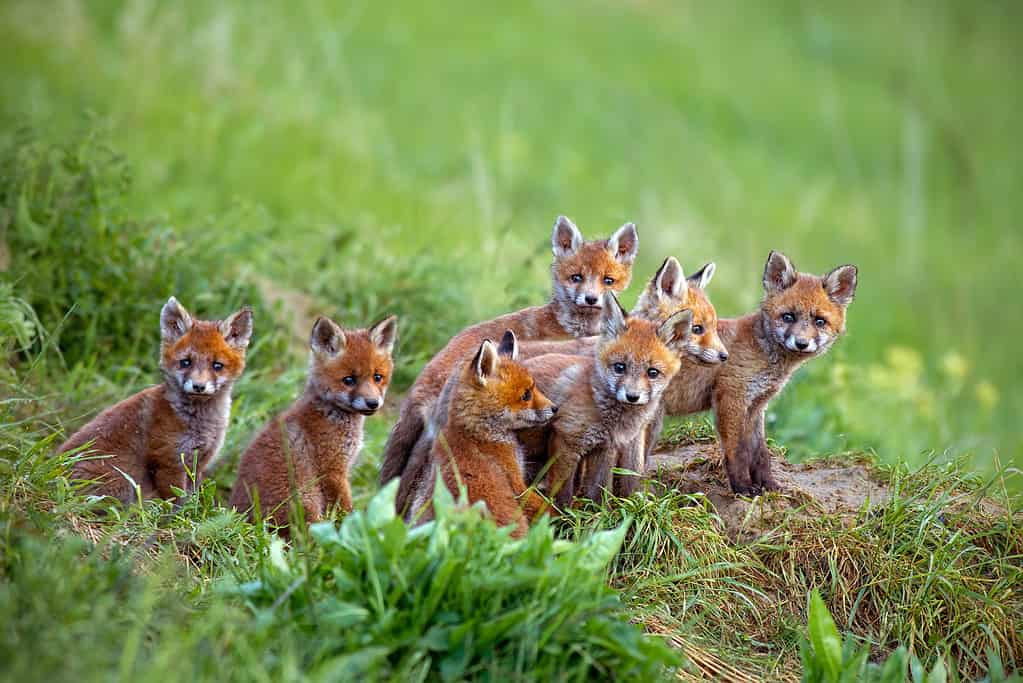
Red Fox (Vulpes vulpes)
©JMrocek/ via Getty Images
Pay attention to the edges between forest and meadow and you might just spot a red fox. They hunt voles and mice, patrol berry patches, and sometimes visit picnic areas looking for crumbs. Look for their neat tracks in damp sand at first light. Foxes are quick learners. Storing food securely prevents them from associating people with meals. If you are lucky enough to see a fox trotting along a shoreline, you won’t soon forget it.
Northern Leopard Frog (Lithobates pipiens)
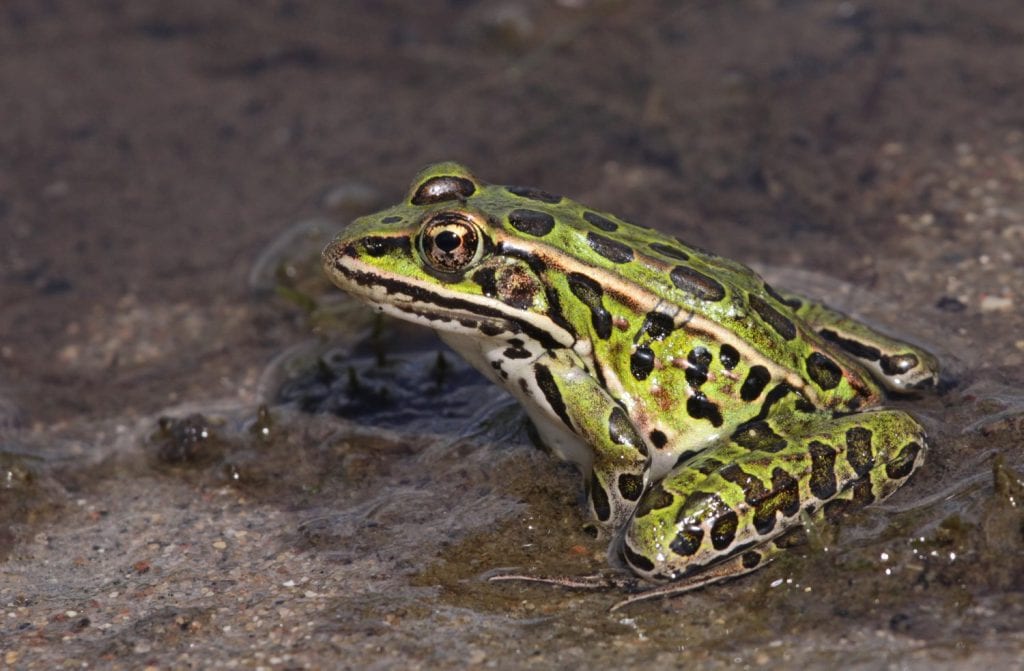
Northern Leopard Frog (Lithobates pipiens)
©Chris Hill/Shutterstock.com
From late spring through early fall, leopard frogs call from cattail stands and grassy margins. Their green backs are covered with dark oval spots. Juveniles often gather in large numbers along pond edges after metamorphosis. Leopard frogs are both predator and prey, eating insects and becoming food for herons, mink, and larger fish. Their presence in shallow wetlands helps control mosquitoes and signals good water quality.
Low-Impact Wildlife Watching
Voyageurs rewards visitors who move slowly and watch carefully. Use a boat to slip along reed beds, paddle early or late in the day, and let binoculars do the approaching. Keep respectful distances, especially around nests, dens, and young animals. Pack out trash, secure food, and follow fish and camping regulations. These simple habits protect wildlife while keeping encounters natural.