
M
Species Profile

Mink

Neogale vison

Waterway hunter in a fur coat
Aleksandra Saveljeva/Shutterstock.com

Mink Distribution

Click a location to explore more animals from that region

Invasive Species
Loading map...

Found in 62 states/provinces

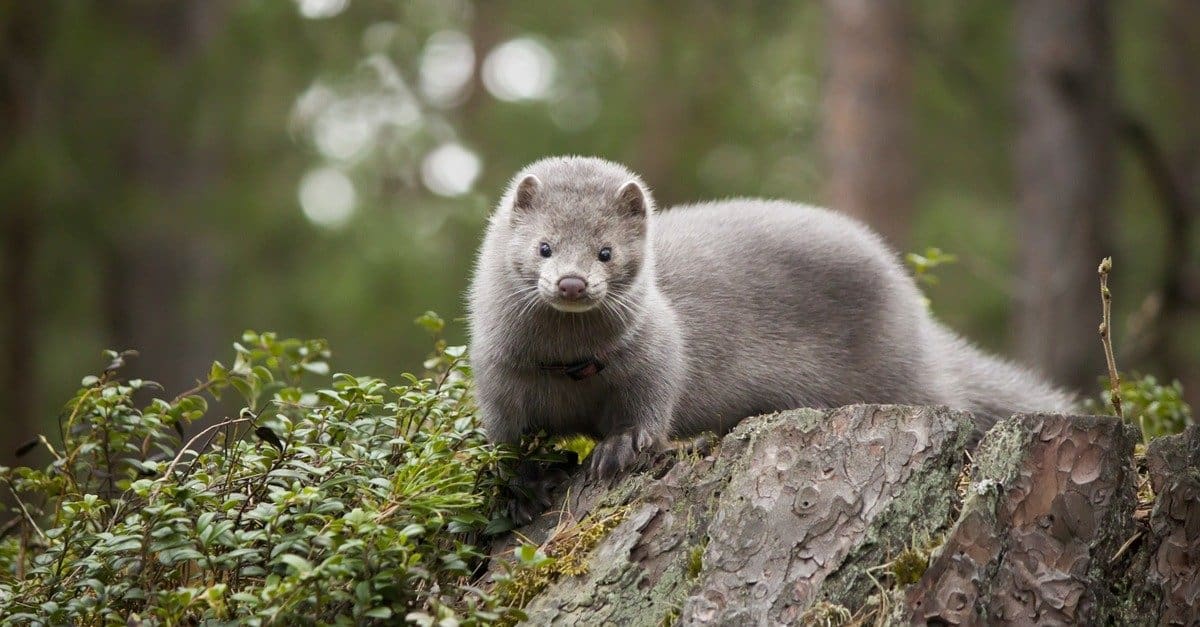
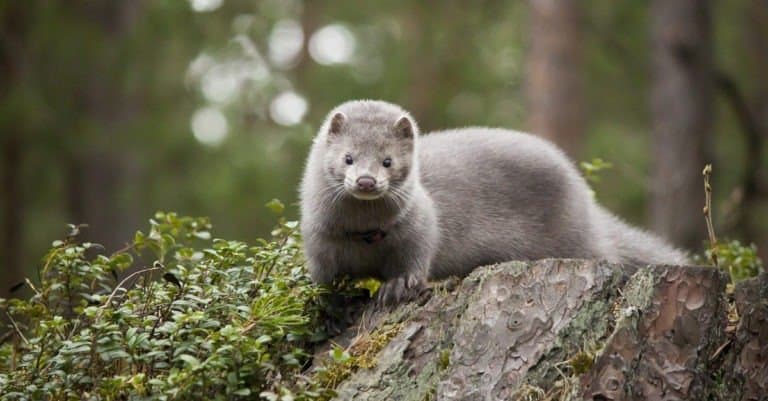
young mink on a log

At a Glance

Wild Species
Also Known As mink, common mink, American polecat, wild mink, vison
Diet Carnivore
Activity Nocturnal+
Lifespan 3 years
Weight 1.6 lbs
Status Least Concern
Did You Know?

Taxonomy update: the "American mink" is now placed in genus Neogale (not Mustela) based on modern genetic evidence.

Scientific Classification

A semi-aquatic mustelid (weasel family) known for dense waterproof fur, strong swimming ability, and opportunistic predation on fish, amphibians, crustaceans, birds, and small mammals. Widely farmed for fur and introduced beyond its native range, where it can become invasive.

Kingdom
Animalia
Phylum
Chordata
Class
Mammalia
Order
Carnivora
Family
Mustelidae
Genus
Neogale
Species
Neogale vison

Distinguishing Features

  • Long, low body with short legs; partially webbed feet adapted for swimming
  • Dark brown coat (often nearly black) with a small white chin/throat patch common
  • Strong musky scent glands typical of mustelids
  • Usually associated with water edges; excellent swimmer and diver

Physical Measurements

Males and females differ in size

Length
♂ 2 ft 1 in (1 ft 10 in – 2 ft 4 in)
♀ 1 ft 8 in (1 ft 5 in – 1 ft 11 in)
Weight
♂ 3 lbs (2 lbs – 4 lbs)
♀ 1 lbs (1 lbs – 2 lbs)
Tail Length
♂ 7 in (6 in – 10 in)
♀ 6 in (5 in – 7 in)
Top Speed
10 mph
running

Appearance

Primary Colors
Secondary Colors
Skin Type Dense waterproof double-layer fur (short underfur with longer guard hairs); fully furred tail and body.
Distinctive Features
  • Adult total length typically ~51-70 cm including tail; tail ~15-23 cm (sex- and population-dependent).
  • Adult mass commonly: males ~0.7-1.6 kg; females ~0.4-0.8 kg (males substantially heavier).
  • Elongated, low-slung mustelid body with short legs; excellent flexibility for burrows and bankside cover.
  • Feet have partial webbing and strong claws; adapted for swimming and shoreline prey capture.
  • Small rounded ears and pointed muzzle; eyes positioned for above-water scanning while swimming.
  • Thick, muscular tail used as a rudder during swimming; not flattened like an otter's tail.
  • Distinct white chin/throat spot is common but variable; overall coat lacks the bold facial mask of some mustelids.
  • Semi-aquatic hunting along waterways (banks, reedbeds, riprap); dives and swims to take fish, amphibians, crustaceans.
  • Opportunistic predator that also takes birds/eggs and small mammals; often caches prey near den sites.
  • Native to North America; widely introduced elsewhere via fur farming, where it can become invasive and suppress waterbirds/amphibians.
  • Differs from European mink by typically larger size and often a white chin patch only (European mink commonly has white on both lips).
  • Differs from otters (Lutrinae) by smaller body, less specialized limbs/tail for continuous swimming, and more frequent terrestrial travel between foraging sites.

Sexual Dimorphism

Males are distinctly larger and heavier than females, with broader heads/necks and longer bodies and tails. Females are more slender and lighter, but share the same general coloration and white chin patch variability.

♂
  • Heavier build: commonly ~0.7-1.6 kg; thicker neck and broader skull.
  • Longer body and tail on average (often within upper ranges for the species).
  • More robust shoulder/forelimb musculature; wider chest.
♀
  • Lighter build: commonly ~0.4-0.8 kg; narrower head and neck.
  • Shorter average body and tail length than males.
  • Overall slimmer profile; same coat pattern but often appears less bulky.

Did You Know?

Taxonomy update: the "American mink" is now placed in genus Neogale (not Mustela) based on modern genetic evidence.

Size is strongly sex-biased: males are typically larger-about 34-45 cm head-body with a 15-25 cm tail; females ~30-37 cm with similar tail length (values commonly summarized in mammal field references such as Nowak).

They have delayed implantation: after mating (late winter-early spring), the embryo can pause development, stretching total pregnancy to ~40-75 days depending on implantation timing (reported widely in mustelid reproductive studies and species accounts such as ADW).

Litters can be big for a carnivore: 1-10 kits, often ~4-5 on average; kits are usually weaned around 6-8 weeks.

A mink's coat is a two-layer system-dense underfur plus guard hairs-creating strong water repellency and insulation for cold streams and marsh edges.

Wild lifespan is usually short (often ~3-4 years), but individuals can reach ~10 years; in captivity, records of ~14-15 years are reported in husbandry/species summaries.

Introduced populations have caused well-documented declines of native prey and competitors in some regions (e.g., severe impacts on European water vole in the UK and added pressure on the endangered European mink in parts of Europe).

Unique Adaptations

  • Waterproof insulation: extremely dense underfur plus guard hairs traps air and sheds water, reducing heat loss in cold aquatic habitats.
  • Semi-webbed feet and low, elongated body: improves propulsion and maneuvering in shallow water and dense shoreline vegetation.
  • Highly sensitive vibrissae (whiskers): aids detection of prey movement and water disturbance in low-visibility conditions.
  • Delayed implantation (embryonic diapause): allows births to align with spring prey abundance despite mid-winter mating.
  • Carnivoran toolkit: dental formula 3/3, 1/1, 3/3, 1/2 (=34 teeth) and strong jaw musculature for dispatching fish, rodents, and birds.
  • Generalist physiology and behavior: tolerates a wide range of wetlands, coasts, and riparian habitats-one reason it establishes easily when introduced.

Interesting Behaviors

  • Bank-side patrol hunting: travels linear routes along rivers/shorelines, repeatedly checking burrows, roots, and undercut banks for prey.
  • Opportunistic predation: takes fish, amphibians, crayfish/crustaceans, waterfowl (including eggs/chicks), and small mammals-switching diet with season and local availability.
  • Ambush + underwater pursuit: hunts from cover at the water's edge and will chase prey underwater; often searches under ice edges in winter where open water persists.
  • Solitary, territorial spacing: adults typically avoid each other except during mating; scent marking from anal glands and urine helps maintain territories.
  • Den flexibility: uses hollow logs, bank burrows, muskrat lodges, rock crevices, or human structures; dens may have multiple entrances for escape.
  • Crepuscular/nocturnal activity peaks: many populations show strongest activity at dusk/night, especially where human disturbance is high.
  • Kits develop quickly: young begin exploring outside the den within weeks and learn prey handling by following the female and practicing on small prey.

Cultural Significance

The American mink (Neogale vison) shaped modern fur trade and fashion through trapping and farming. Farm escapes created introduced populations in Europe and Patagonia, sparking invasive-species and animal-welfare debates. Used in identification lessons versus otters and European mink.

Myths & Legends

Name history rather than myth: the word "mink" entered English via Scandinavian languages, reflecting northern European fur trade connections long before many people saw the animal alive.

In fur-trade folklore and frontier stories, the American mink (Neogale vison) was a clever, hard-to-catch stream predator whose tracks and scent were read like a story along riverbanks.

Fashion lore: in 20th-century Europe and North America, mink coats were treated in popular culture as symbols of status and glamour, and were sometimes invoked in sayings and jokes about wealth and social ambition.

In parts of the UK and Ireland, the American mink (Neogale vison) became a local villain in stories about disappearing water voles and seabirds, used to warn about invasive species and harm they cause.

Conservation Status

LC Least Concern

Widespread and abundant in the wild.

Population Stable

Protected Under

  • Regulated as a furbearer under U.S. state wildlife laws (seasonal trapping/hunting frameworks vary by state)
  • Regulated as a furbearer under Canadian provincial/territorial trapping regulations (licensed harvest, seasons, and reporting vary by jurisdiction)

Life Cycle

Birth 5 kits
Lifespan 3 years

Lifespan

In the Wild
1–10 years
In Captivity
5–12 years

Reproduction

Mating System Polygynandry
Social Structure Solitary
Breeding Pattern Transient
Fertilization Internal Fertilization
Birth Type Internal_fertilization

Behavior & Ecology

Social None (solitary) Group: 1
Activity Nocturnal, Crepuscular, Cathemeral
Diet Carnivore Fish and crayfish (aquatic prey taken opportunistically where available; reported as frequent/high-importance items in many regional diet studies; e.g., summarized in Larivière 1999, Mammalian Species 608; Dunstone 1993, The Mink).

Temperament

Strongly territorial and intolerant of same-sex adults; aggression peaks in breeding season (Larivière 1999).
Behavioral HUBS: solitary across native/introduced ranges; contact rates rise locally where prey is concentrated.
Opportunistic, bold predator; will cache food and revisit kill/feeding sites repeatedly (Larivière 1999).
Reproduction-linked sociality: mating in late winter-early spring; delayed implantation yields 40-75 day gestation (Larivière 1999).
Female-only parental care; litter size 1-10 (mean commonly 4-5); kits disperse ~6-8 months (Larivière 1999).
Longevity: wild typically ~3 years; maximum recorded 10 years; captivity commonly reaches 10-12 years (Larivière 1999; Nowak 1999).

Communication

hisses Threat/defense
growls and snarls Agonistic encounters
screams/shrieks High arousal, fighting
chattering/chirps Courtship and close contact
squeaks/whines Juvenile contact calls
Scent marking with anal-gland musk; rubbing and ground-scooting on prominent objects Larivière 1999
Urine and feces deposition at latrines; repeated site use conveys occupancy and reproductive state.
Chemical investigation (sniffing) of trails/marks is primary for spacing and mate finding.
Visual postures: piloerection, arched back, open-mouth threat display; direct biting in fights.
Tactile contact mainly limited to mating and mother-kit interactions; grooming within family only.

Habitat

Biomes:
Freshwater Wetland Temperate Forest Boreal Forest (Taiga) Temperate Grassland Mediterranean Tundra Marine +2
Terrain:
Riverine Coastal Island Plains Valley Hilly Mountainous Muddy Sandy Rocky +4
Elevation: Up to 6561 ft 8 in

Ecological Role

Semi-aquatic mesopredator linking aquatic and terrestrial food webs; strong top-down effects on small vertebrates and ground-/water-nesting birds, with outsized impacts where introduced/invasive.

Regulates populations of small mammals and some aquatic prey (predation pressure in riparian/wetland systems) Transfers energy between aquatic and terrestrial ecosystems via cross-habitat foraging Can function as a biodiversity stressor where introduced (predation on native birds/amphibians; documented conservation concern in invaded regions)

Diet Details

Main Prey:
Fish Amphibians Crustaceans Small mammals Semi-aquatic mammals Birds Eggs Reptiles Aquatic and terrestrial invertebrates +3

Human Interaction

Domestication Status

Semi domesticated

American mink (Neogale vison) are not tamed like dogs or cats. Since the late 1800s and early 1900s they have been bred on fur farms for their fur (color, size, thickness), not tame behavior. They stay wild, often escape, form invasive populations (notably in Europe), and can spread diseases.

Danger Level

Moderate
  • Bites and lacerations: mink are strong-jawed, fast, and can be highly defensive; bites can require medical attention and carry infection risk.
  • Zoonotic and animal-health risks: farmed and wild mink can carry pathogens of concern in specific contexts (e.g., Aleutian mink disease virus in mink facilities; SARS-CoV-2 outbreaks documented on mink farms with animal-to-human transmission in some events; regional risks may also include rabies exposure depending on location and vaccination status).
  • Escape/invasiveness: escaped pets can establish feral populations and impact wildlife; owners may face legal liability and conservation harm.

As a Pet

Not Suitable as Pet

Legality: Laws for American mink (Neogale vison) vary. In the U.S., some states allow having them with permits or licenses, others ban or tightly restrict them; local rules may ban. Many European countries ban keeping mink.

Care Level: Expert Only

Purchase Cost: $200 - $1,500
Lifetime Cost: $8,000 - $30,000

Economic Value

Uses:
Fur and textile trade Agriculture/animal husbandry (mink farming) Invasive species management and biodiversity protection Biomedical and veterinary research Public health and biosecurity (zoonoses surveillance)
Products:
  • mink pelts/fur garments and trim
  • breeding stock (fur color lines) within the fur industry
  • research animals/materials for studies of mustelid physiology, reproduction, and disease (e.g., Aleutian disease)
  • management services/costs associated with trapping/eradication in invaded regions

Relationships

Related Species 10

Long-tailed weasel Neogale frenata Shared Genus
Amazon weasel Neogale felipei Shared Genus
Sea mink Neogale macrodon Shared Genus
European mink Mustela lutreola Shared Family
Least weasel Mustela nivalis Shared Family
Stoat
Stoat Mustela erminea Shared Family
European polecat / Ferret
European polecat / Ferret Mustela putorius Shared Family
American marten Martes americana Shared Family
Fisher
Fisher Pekania pennanti Shared Family
North American river otter
North American river otter Lontra canadensis Shared Family

Ecological Equivalents 6

Animals that fill a similar ecological role in their ecosystem

European mink Mustela lutreola A small, semi-aquatic Eurasian mustelid that lives along riverbanks and feeds on amphibians, fish, crayfish, small mammals, and waterbirds. Diet and den-site use overlap, and introduced American mink can displace European mink.
North American river otter
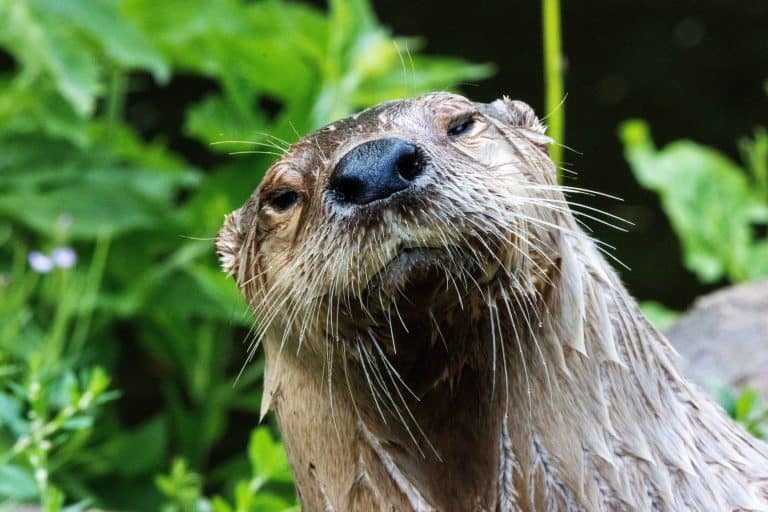
North American river otter Lontra canadensis Shares river, marsh, and lakeshore habitats and eats mostly aquatic prey such as fish, frogs, and crustaceans. River otters overlap with mink but take larger prey and use larger home areas; both swim and hunt along banks.
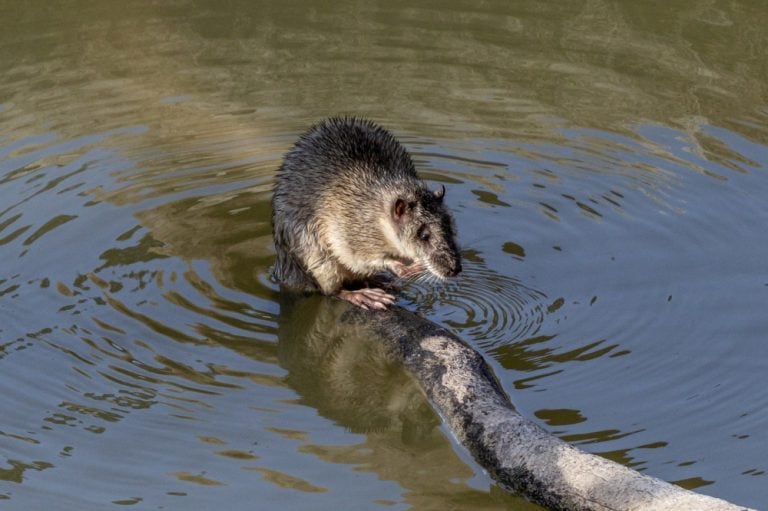
Marsh rice rat Oryzomys palustris A functional riparian specialist rather than a taxonomic relative: it occupies marsh edges and waterways and is frequently encountered in the same habitats where mink hunt. Marsh rice rats are also common prey in coastal marsh systems, linking them ecologically.
Muskrat
Muskrat Ondatra zibethicus A key shared wetland-space user and one of the most common medium-sized wetland mammals in mink habitat. Muskrat lodges and burrows can be used as hunting sites or opportunistic denning locations, and muskrats (especially juveniles) are regular mink prey in many regions.
Raccoon
Raccoon Procyon lotor Riparian omnivore and predator with strong overlap in shoreline foraging (crayfish, frogs, fish, bird eggs). Although broader in diet and behavior than mink, raccoons exploit similar edge habitats and can compete for aquatic prey in shallow wetlands.
American mink
American mink Neogale vison Neogale vison shows substantial sexual size dimorphism (body length 29–43 cm, tail 13–20 cm, mass 0.4–1.6 kg). It exhibits delayed implantation (gestation approximately 40–75 days). Wild individuals live a few years, while captive individuals live longer.

The mink is a semi-aquatic relative of the weasel.

It is a proficient swimmer, a territorial neighbor, and a surprisingly tenacious predator. This animal may not look like much of a fighter, but the mink can take down prey that’s almost as large as itself. Even large predators must be careful about how to approach this rather tetchy animal. Because it spends a great deal of time in the water, the mink has a water-repellent coat laced with oil. Its fur is considered to be such high quality that the mink has remained a vital part of the fur trade for centuries. It is still raised in captivity all over the world.

4 Mink Facts

  • In captivity, the American mink is bred in early spring and then killed at six to eight months of age, right as the fur reaches its maximum quality. Captive minks can reach up to twice the size of wild ones due to better nutrition and selective breeding. They also have a wider range of fur colors, including pearl, blue, and sapphire.
  • The mink is one of the main non-human carriers of the Covid-19 virus. The country of Denmark ordered that their captive minks should be culled after it was discovered that a new strain of the virus was infecting the species and possibly spreading to a few people, but the effectiveness of this action was controversial and debated.
  • Much like the closely related ferret, some people keep the mink as a pet, but because of its wild instincts and very specific needs, it is an immense challenge to keep around the home.
  • Since this creature appears to suffer psychologically from close captivity, animal rights activists have protested on the animal’s behalf for better living arrangements.
Scientific Name
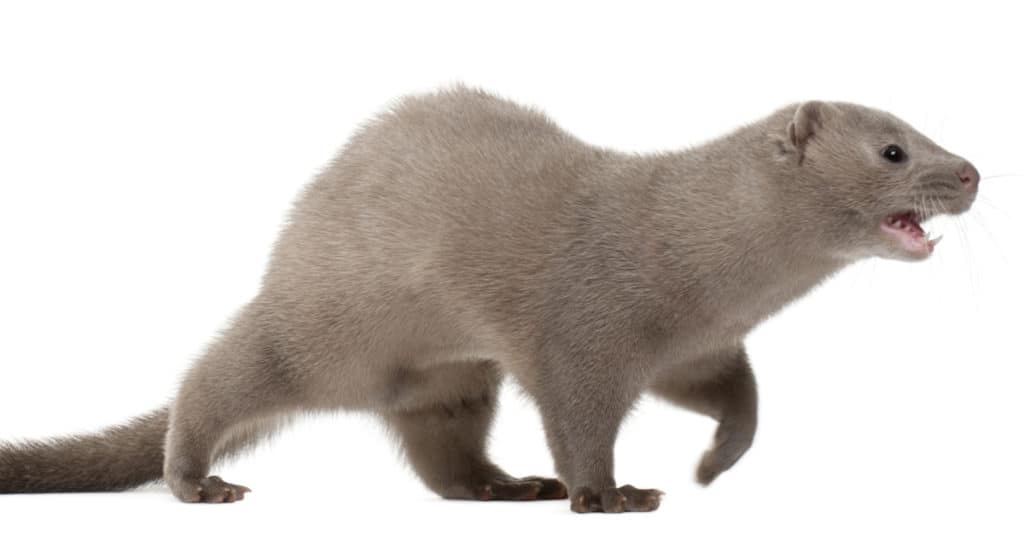
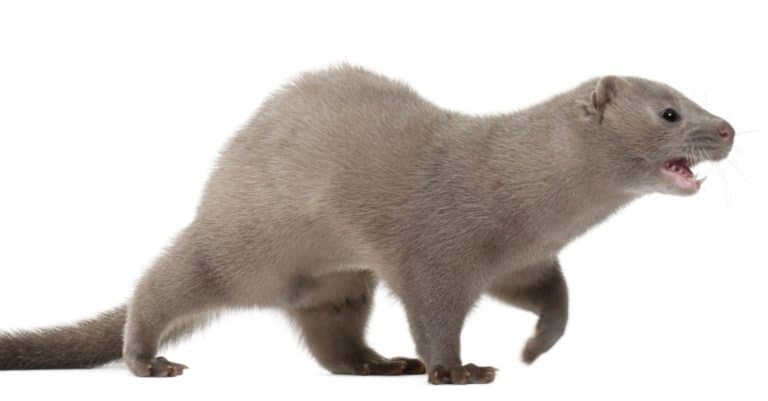
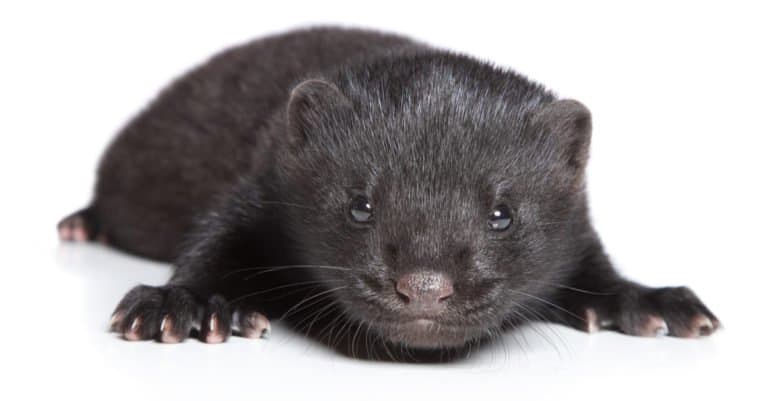
Mink isolated on white background

The American mink was once considered to be part of the genus Mustela, but was eventually given its own classification

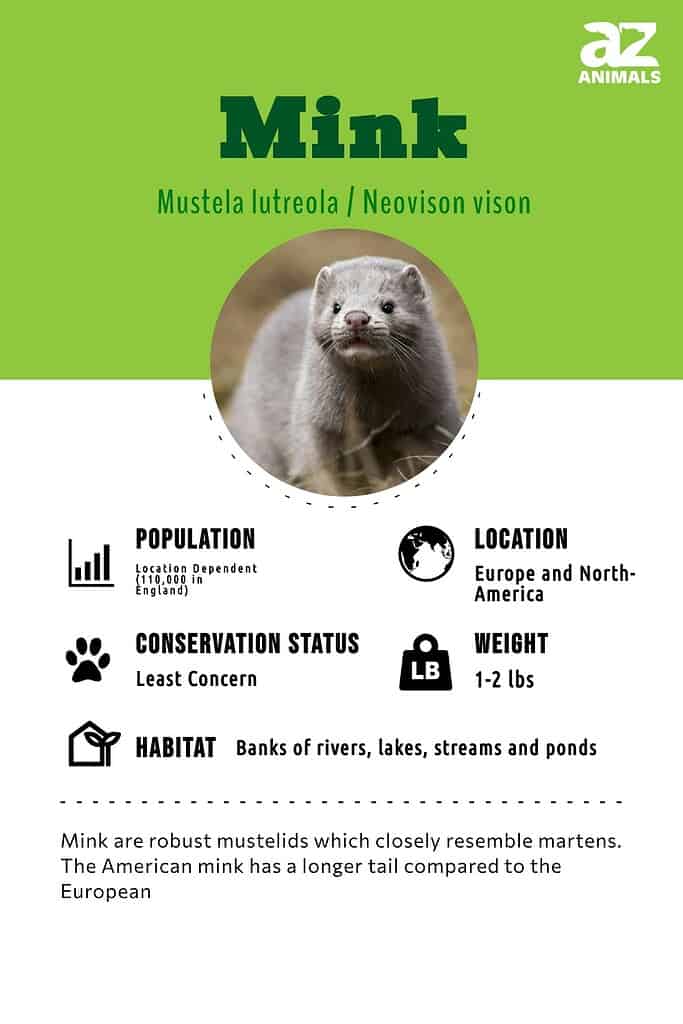
There are currently two recognized species alive in the world today. Mustela lutreola, or the European mink, is actually part of the same genus as the weasel, while Neovison vison, or the American mink, is the only living member of its genus. Both species were once classified within the genus Mustela, but taxonomists believed that the American mink exhibited enough differences to warrant a separation genus classification. There used to be two members of the genus Neovison, but the sea mink, or Neovison macrodon, was driven to extinction in the early 20th century.

The genus names Neovison and Mustela have entirely separate origins. Neovison can be broken down into the words neo (Greek for new) and vison (French for a marten or weasel), while Mustela is simply the Latin word for weasel. Both species belong to the family of Mustelidae along with the badgers, wolverines, and otters. In fact, this creature is often mistaken for an otter, because they share a very similar semi-aquatic habitat and lifestyle to each other.

Evolution

Between about 26 and 29 million years ago, during the mid to late Oligocene era, the first mustelid roamed Oregon, North America. Known as Corumictis wolsani, it was similar in size to the smallest member of the mustela genus the least weasel.

During the Miocene era, about 16 million years ago, the family mustelidae emerged. As members of this family, mink are part of the Mustela and Neogale genuses along with ferrets, polecats, and weasels.

Appearance
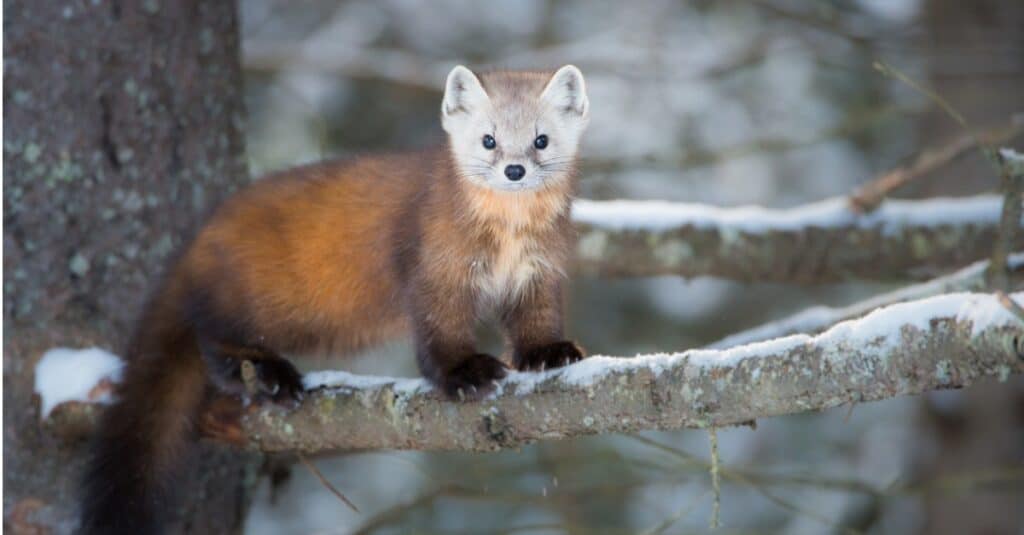
Pine marten standing in a tree, Canada.

Mink are considered to be similar to marten

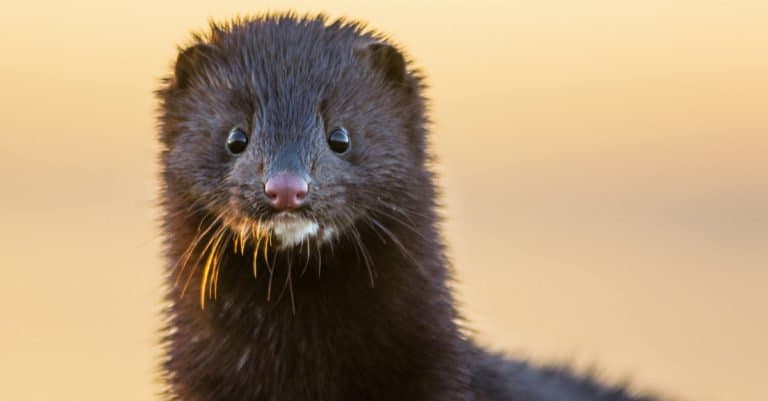
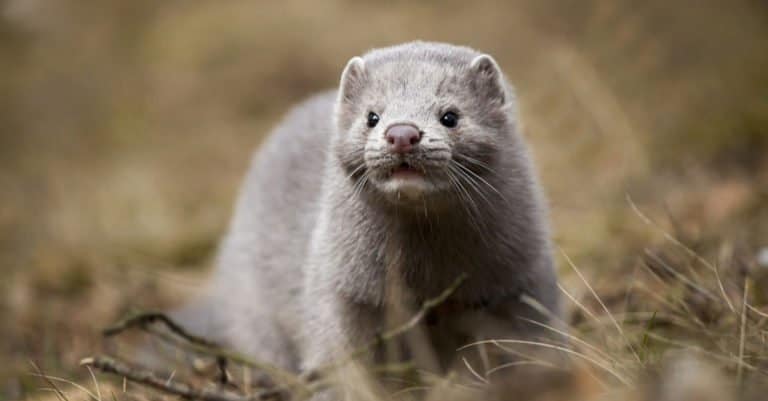
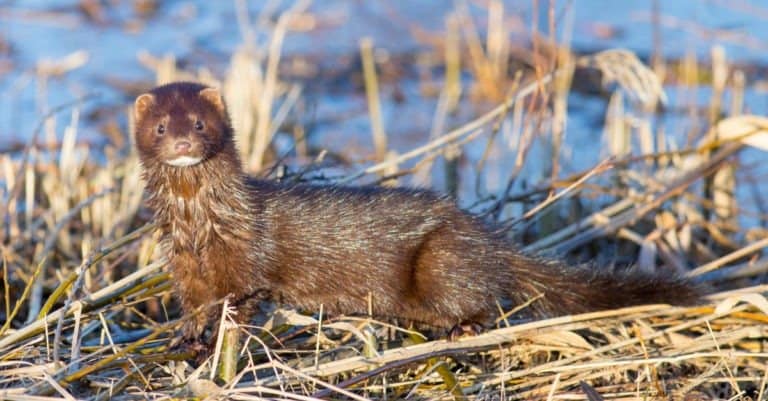
The mink is an animal that looks very similar to the closely related weasel or marten. It has a long, lithe body, a pointed nose, rounded ears, short legs, and webbed feet. The thick water-repellent oiled coat of fur is dark brown or black in color (though albino and tan mutations do occur in the wild). Most members of the European species have white markings on the chin and lips with additional white spots on the throat, stomach, and chest, whereas only some members of American species exhibit the same markings. If the specimen lacks white markings entirely, it is almost certainly an American mink. The outer layer of the coat, which consists of guard hairs, is three times as dense as the fur of the closely related ferret. Each guard hair is surrounded by numerous smaller hairs as well.

The American is generally the larger of the two species. It weighs 1.5 to 3.5 pounds and reaches 18 to 28 inches long (with half of that just being the tail). The European, on the other hand, weighs 1 to 1.6 pounds and measures 12 to 15 inches long. Both species are significantly smaller than the otter but about the same size as a ferret. Females tend to be smaller than males on average.

Behavior
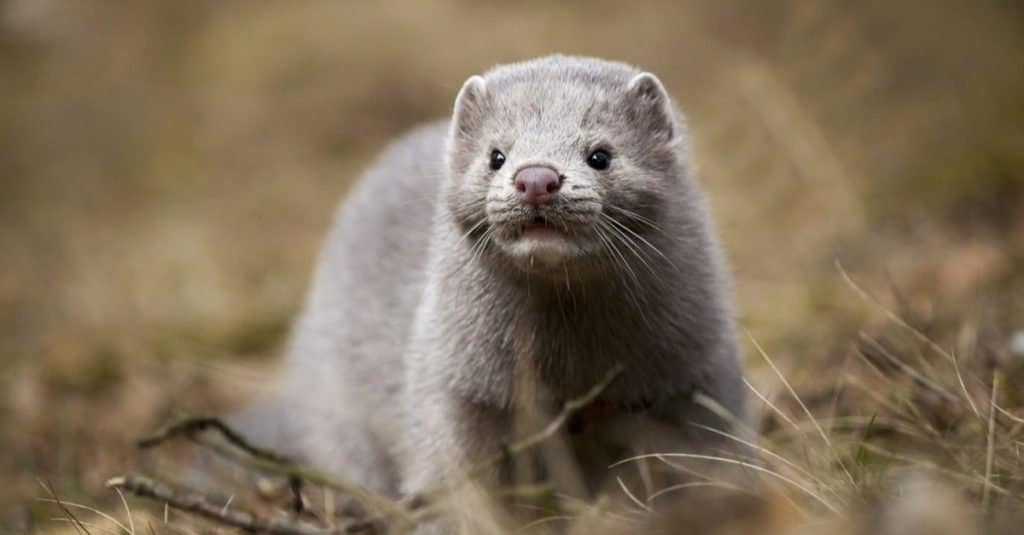
mink vs weasel

Mink are active during dawn and dusk and are solitary by nature

The mink’s entire lifestyle revolves around the ability to switch between terrestrial and aquatic motion at any time. With its incredible webbed feet, the mink is fast and agile animal in the water. It can swim to depths of 100 feet but almost never ventures far from land. Unlike the closely related otter, the mink swims high on the surface and creates a V-shape wave with its nose. When it isn’t in the water, the mink walks on the ground with a hopping or bounding motion. It can also climb trees to chase prey or escape danger.

The mink is what’s known as a crepuscular species. It is highly active during the dawn and dusk hours as it searches for prey. It also tends to spend the rest of the night awake in some capacity. Except for the relationship between the mother and her kits, the mink is an animal with no social organization to speak of. Instead, it lives and hunts almost entirely on its own and only tolerates the presence of other minks in the breeding season.

The mink is very aggressive toward other members of the species who trespass on its territory. Males are especially vicious toward other males who have nothing to offer them except for additional competition. Males are usually much more tolerant toward females. In fact, male and female territories sometimes overlap with each other.

The mink’s sense of vision and hearing are both highly developed, but the main means of communication is scent. The enlarged anal gland produces a rather pungent smell to mark territory as a warning against potential interlopers. Minks rarely make sounds except to express their agitation or displeasure.

Habitat
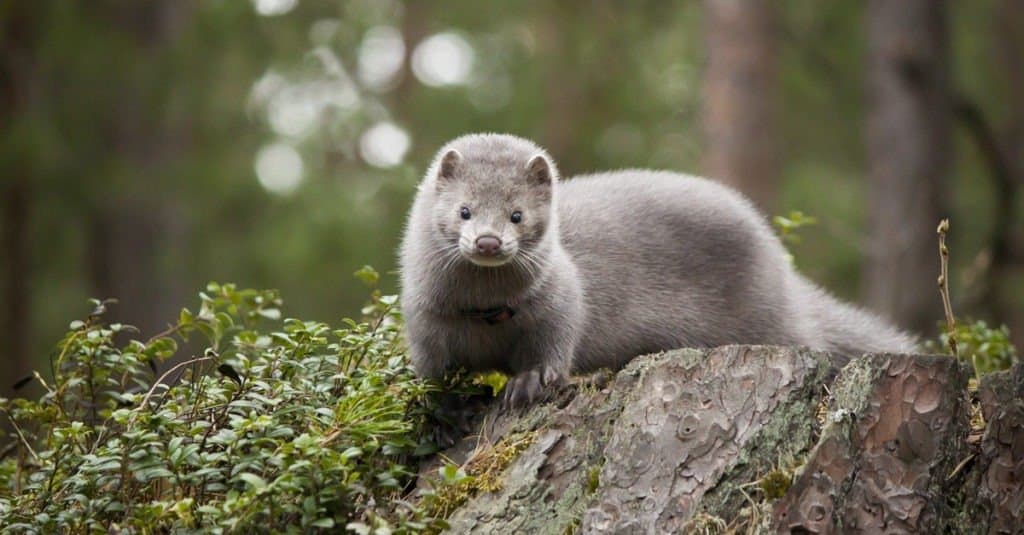
young mink on a log

Mink keep several dens throughout their extensive range

The mink is split geographically between North America and Europe. The American mink has an extensive range across almost all of Canada and the United States except for the extreme Arctic regions and the hot Southwest. The European mink once occupied a massive range across almost all of Europe, but due to decades of population loss, it is now only found in small pockets across its former territory. It is almost completely gone from Western and Central Europe.

Minks are well-adapted to lakes, ponds, rivers, and streams with extensive tree cover. Their homes consist of hollow legs or underground dens lined with grass, leaves, or the fur of their prey. The mink often keeps multiple dens around its large territory.

Diet and Predators

This creature is a very agile hunter, sometimes capable of killing animals larger than itself, but it is not an apex predator. Several other carnivores reside above it on the food chain.

What does the mink eat?
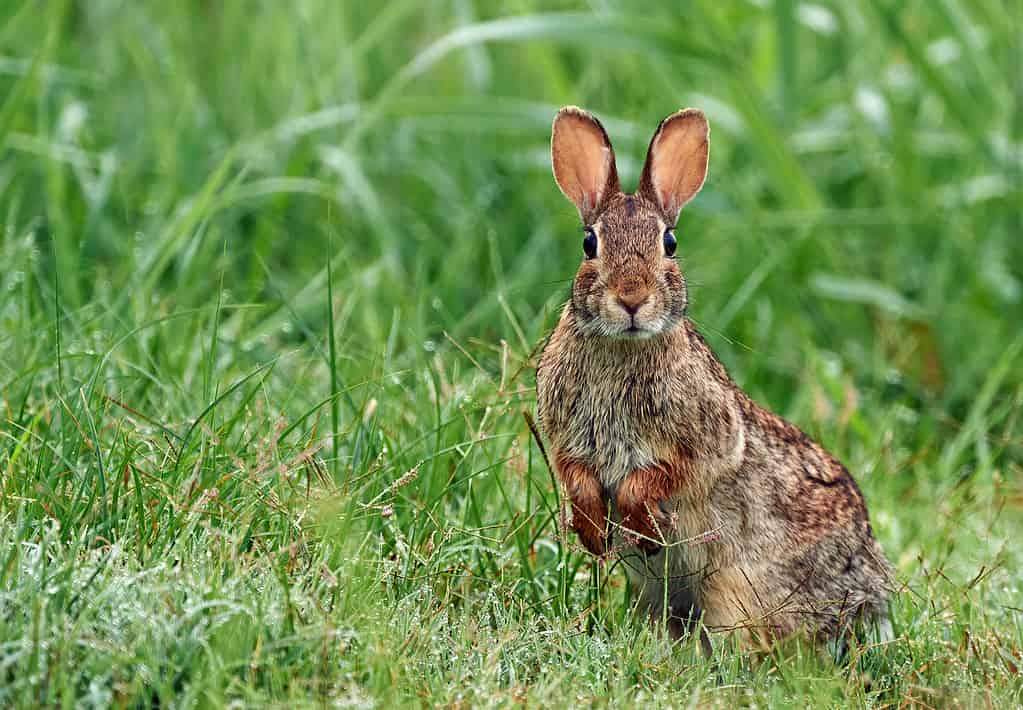
Eastern Cottontail Rabbit in Grass

Mink are rather partial to rabbits

These animals will hunt almost any small- to medium-sized prey that lurks around freshwater shores: mice, rabbits, muskrats, fish, frogs, snakes, crayfish, and even water fowl. Sometimes they supplement their diet with little bits of plant matter as well. Their main hunting strategy is to get behind its prey and deliver a swift bite to the neck. If the animal is simply too large to consume in one meal, then the mink will store the leftover meat in its den for safekeeping.

What eats the mink?
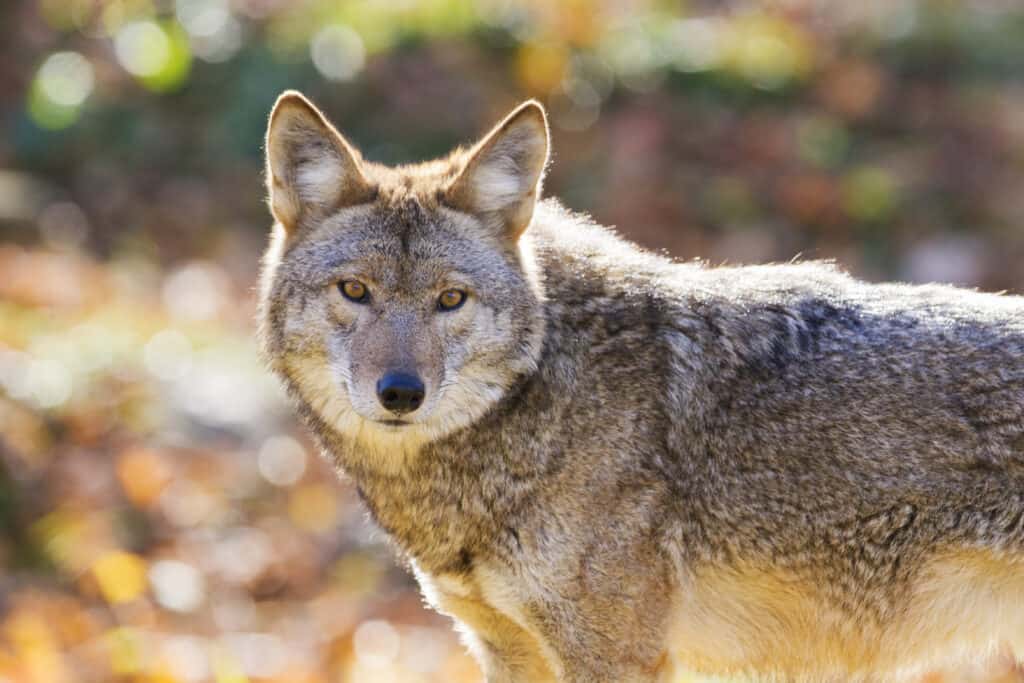
coyote in sunlight

Coyotes happen to find mink rather tasty

Minks make a tempting meal for all kinds of large predators such as coyotes, bobcats, wolves, foxes, and horned owls. Despite their ferocity, many will eventually fall victim to predators before they can die of natural causes.

Reproduction and Life Cycle
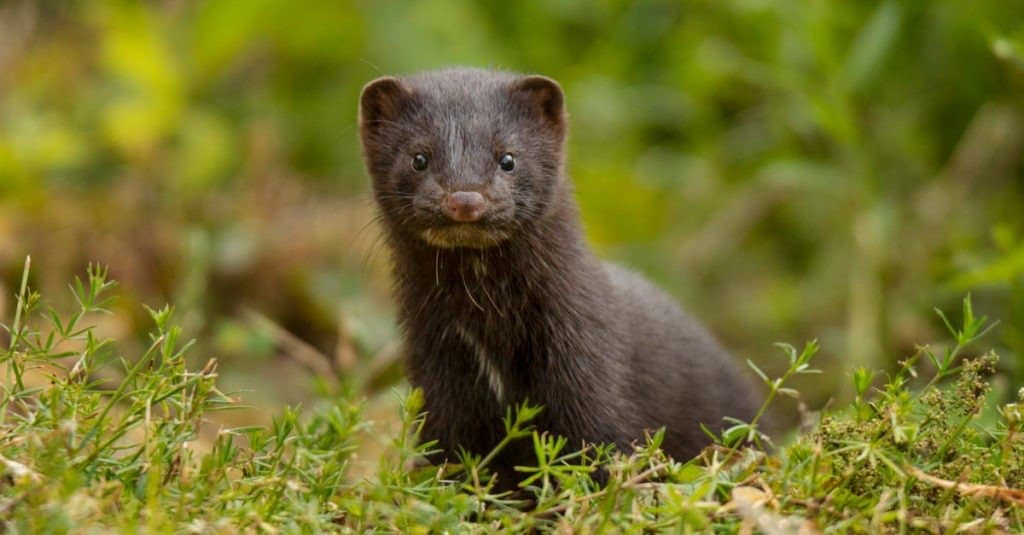
American mink

Mink are capable of birthing a range of one to eight kits at a time

This is a promiscuous animal that likes to hook up with multiple mating partners throughout the breeding season (which typically occurs in February and March). The scent of the anal gland is believed to play an integral role in the process of attracting and securing a mate. After the pair copulates, the female has the ability to delay implantation for up to two weeks, resulting in longer birth cycles than would otherwise be expected. Both the American mink and European mink have similar gestation periods (40 to 75 days and 35 to 72 days, respectively).

At the end of the gestation period, the female produces a small litter of one to eight kits. Since the kits are completely dependent and vulnerable (it takes several weeks before they will open their eyes), the mother must provide for their care without any assistance from the father. The kits are weaned off their mother’s milk at six to 10 weeks of age and shortly after begin consuming meat. Both species reach sexual maturity at 10 to 12 months, but it takes the American mink slightly longer than its European counterpart to achieve full independence. Both species live around 10 years in the wild.

Population
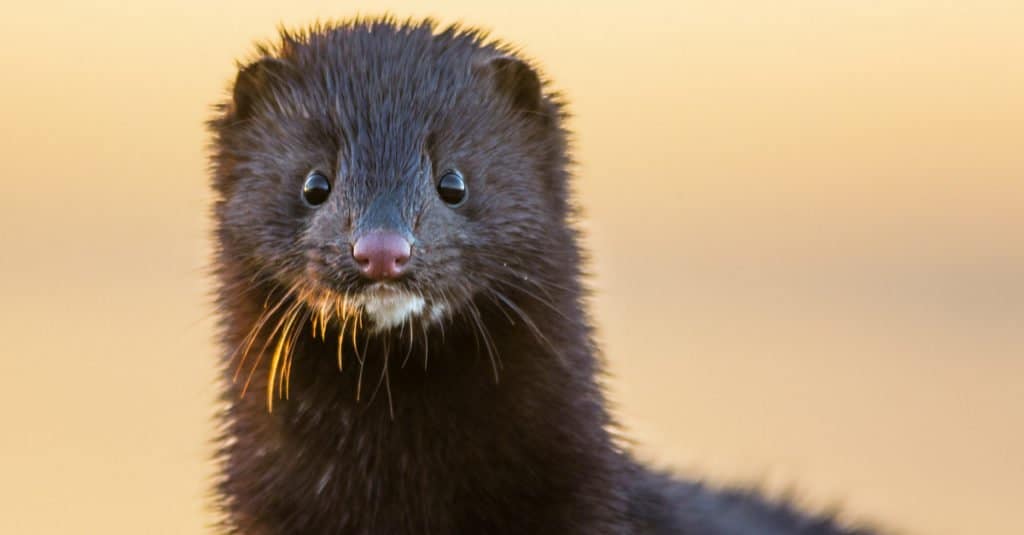
mink vs weasel

The American mink is more aggressive than its European counterpart

The American mink is classified as a species of least concern: the healthiest possible classification. The European mink, on the other hand, is now critically endangered. Several explanations have been offered to explain the sudden population decline, including habitat loss, overhunting, decline of prey animals, and competition with the similar American mink, which escape from farms and invade local habitats. The American mink is more aggressive and adaptable than its European counterparts, and so it often ends up displacing it from the ecosystem.

All efforts to save the European mink from extinction may require conservationists to reduce the number of American minks that occupy the same territory. Unfortunately, the American mink is quite intelligent and resourceful and has so far resisted many efforts to trap them. Another problem is that, without an understanding of how to survive in the wild, many of the European minks raised in breeding programs and later released have often ended up dead.

As conservationists learn from these experiences and develop better strategies, they hope to reintroduce the European mink into its former territory by seeding Europe with small founding population everywhere. Frozen semen is sometimes used to improve genetic diversity.Mink FAQ

View all 329 animals that start with M

Sources

  1. Live Science
  2. Britannica
  3. Discover Wildlife
  4. Science Magazine
Ashley Haugen

About the Author

Ashley Haugen

Ashley Haugen is the editor of A-Z Animals. She's a lifelong animal lover with an affinity for dogs, cows and chickens. When she's not immersed in A-Z-Animals.com (her favorite editorial job of her 25-year career), she can be found on the hiking trails of Middle Tennessee or hanging out with her family, both human and furry.
Connect:

Thank you for reading! Have some feedback for us?


Mink FAQs (Frequently Asked Questions)

Minks and fisher cats look incredibly similar, however, minks weigh an average of just 2.5 pounds while male fishers often weigh upward of 13 pounds.

Â