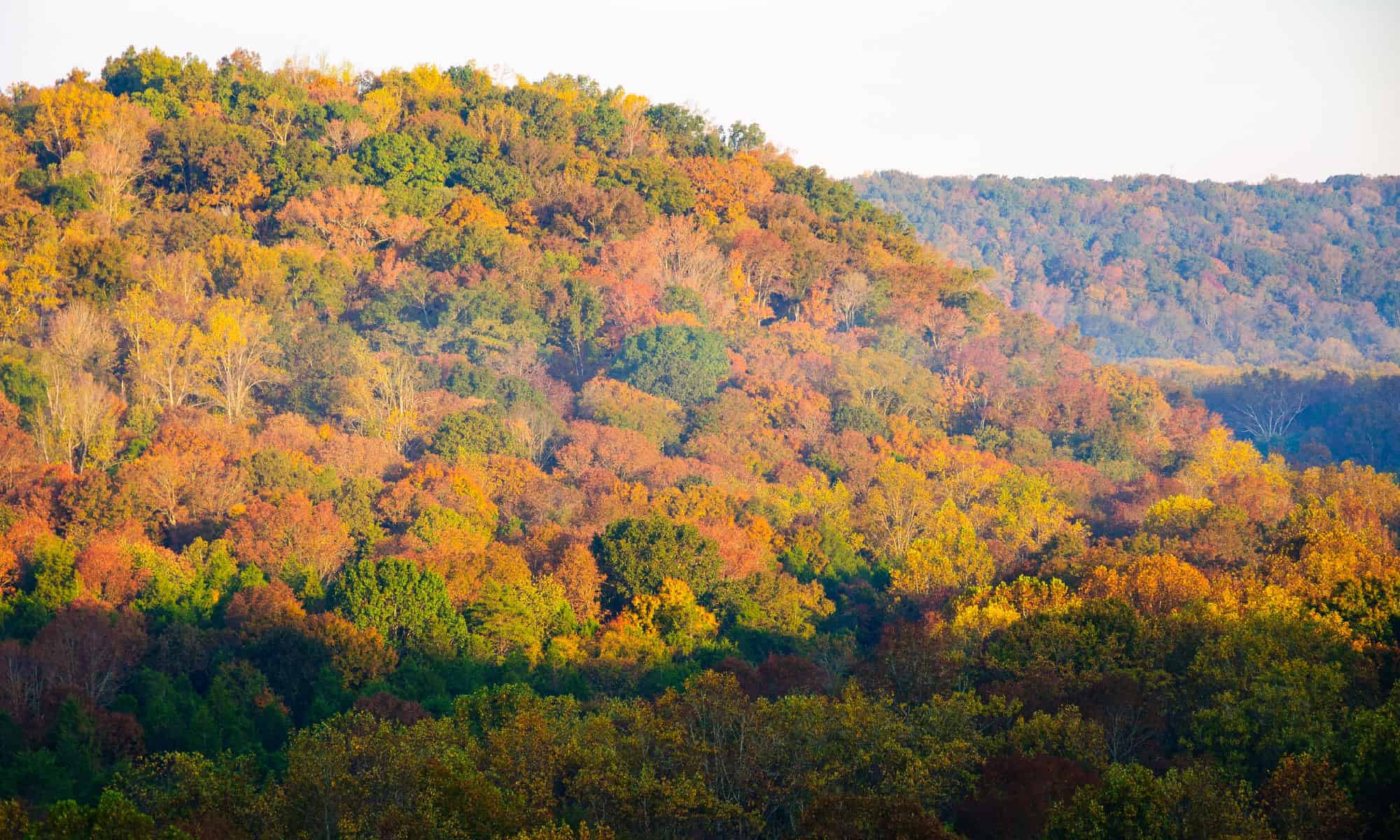

Mammoth Cave National Park in Kentucky, which includes the world’s most extensive system of caves, is inhabited by an unusual array of wildlife. Thanks to cave explorations beginning in the 1800s, about 160 animal species have been documented making use of the more than 400 miles of underground passages. Although the park is famous for its caves, its above-ground mix of about 53,000 acres of forests, streams, and swamps also provides habitat for many animals. Here’s a guide to some creatures to look for when touring the park.
In the Caves
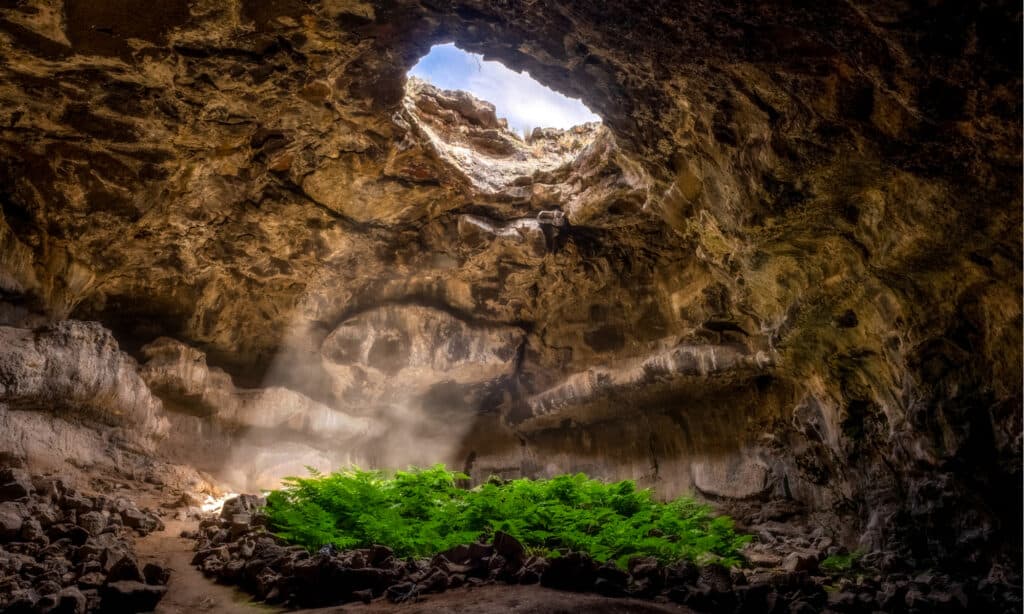
Caves offer unique habitats for species adapted to spend part or all of their lives underground.
©Ko Zatu/Shutterstock.com
Of the park’s 49 species that live exclusively in caves, seven are “endemics,” found only in Mammoth Cave. You’ll be lucky to see them, given their specialized, reclusive lives in darkness. Animals like the Kentucky cave shrimp (Palaemonias ganteri) are eyeless, relying on sensory “antennules” to feel their way around and find food. With no need for visual communication, their wispy bodies are see-through.
But you might spot salamanders clinging to the cave walls. The cave salamander (Eurycea lucifuga) lives entirely in caves, laying its eggs in wet places. With a reddish-brown body up to 7 inches long, this salamander uses its large eyes to see in the dark. And you’re likely to spot cave crickets, of which there are three species, hopping around. They tend to hang out close to cave entrances, so they can forage for food outside during the daytime. Their long antennae help them figure out the direction of the entrance, based on air flow.
Bats
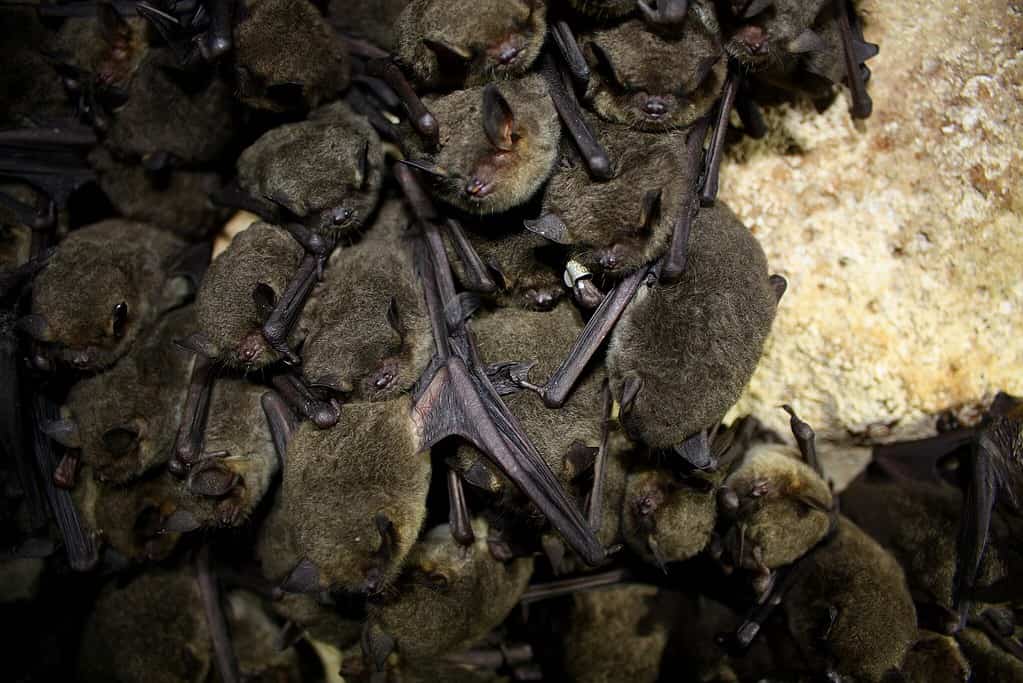
The gray bat is a threatened species found in only a few caves in North America.
Thirteen species of bats are known to live in Mammoth Cave National Park, both inside and outside of the caves. Of those, only eight or nine rely on the caves for roosting, such as during winter hibernation, while the other species use trees or manmade structures for cover.
Only one species — the gray bat (Myotis grisescens) — spends both summer and winter in the caves. Gray bats have been recovering well from population declines since their cave habitats were protected under the Endangered Species Act. As many as 350,000 have been documented roosting in the caves. On an evening hike to a designated Bat Conservation Area, visitors to the park can see thousands of gray bats come out of the caves at dusk to hunt for their preferred prey of moths, beetles, flies, mosquitoes, and other insects.
Freshwater Mussels
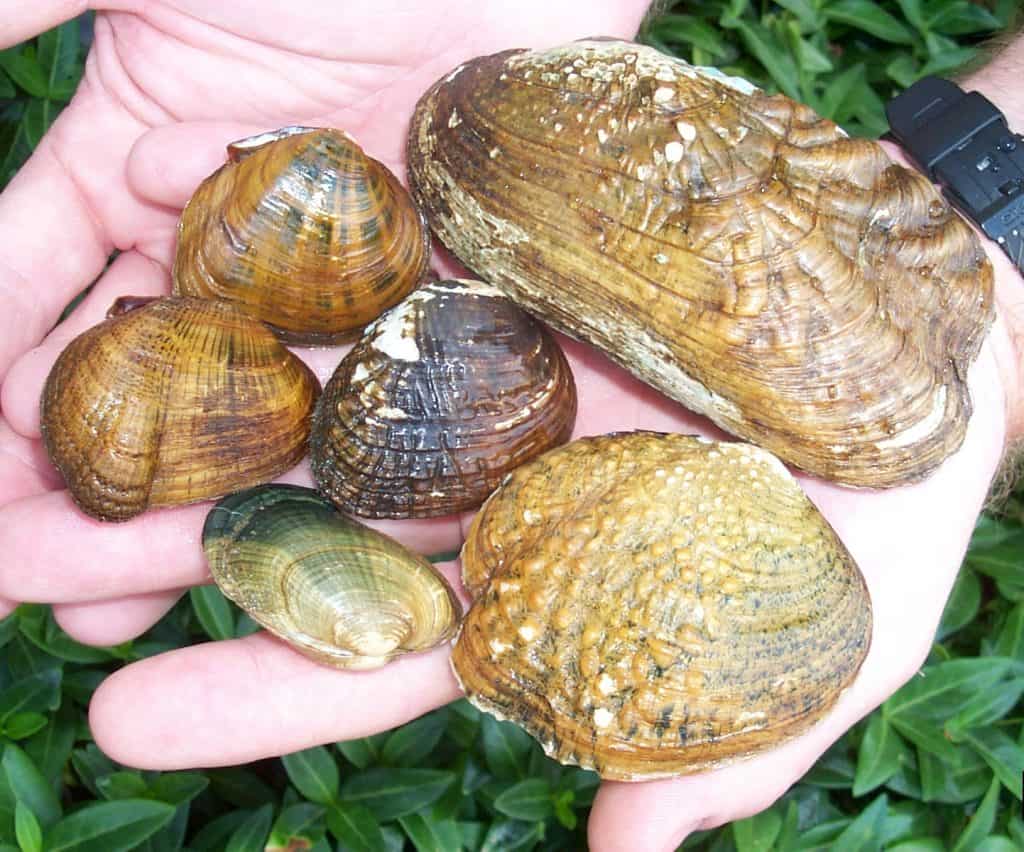
Freshwater mussels are a good indicator of water quality in rivers.
©U.S. Fish and Wildlife Service Northeast Region / Public Domain – Original / License
The Green and Nolin Rivers of the park are home to about 87 fish species, 58 species of freshwater mussels, and hundreds of insects and other invertebrates. Kentucky has designated the Green River an “Outstanding Water Resource” because of its high biodiversity. Eleven species of mussels are federally endangered, while another three species are threatened, prompting the park to relocate mussels as needed to suitable, protected waterways. Mussels, some of which live to 100 years old, are considered great indicators of water quality. Look for their shells (but don’t collect them) along the waterways in the park.
American Bullfrogs (Lithobates catesbeianus)
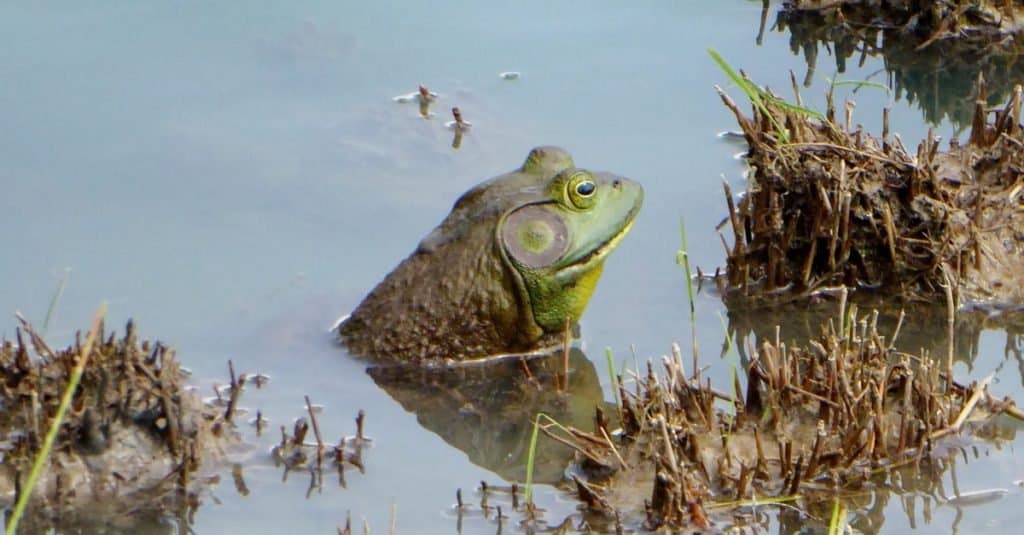
American bullfrogs are unmistakable with their loud voices and large eardrums (the circular structures).
©LizzyB33/Shutterstock.com
Near waterways, you may also hear the deep, twangy croaking sounds of American bullfrogs. Follow the sounds to see them sitting in the shallows of wetlands, their greenish-brown heads peeking out. They are especially noisy during their spring breeding season around Sloans Pond. Follow the boardwalk around the pond to look for bullfrogs and other frog species, including green frogs (Rana clamitans) and southern leopard frogs (Rana sphenocephala), among the twelve known species inhabiting the park.
North American River Otters (Lontra canadensis)
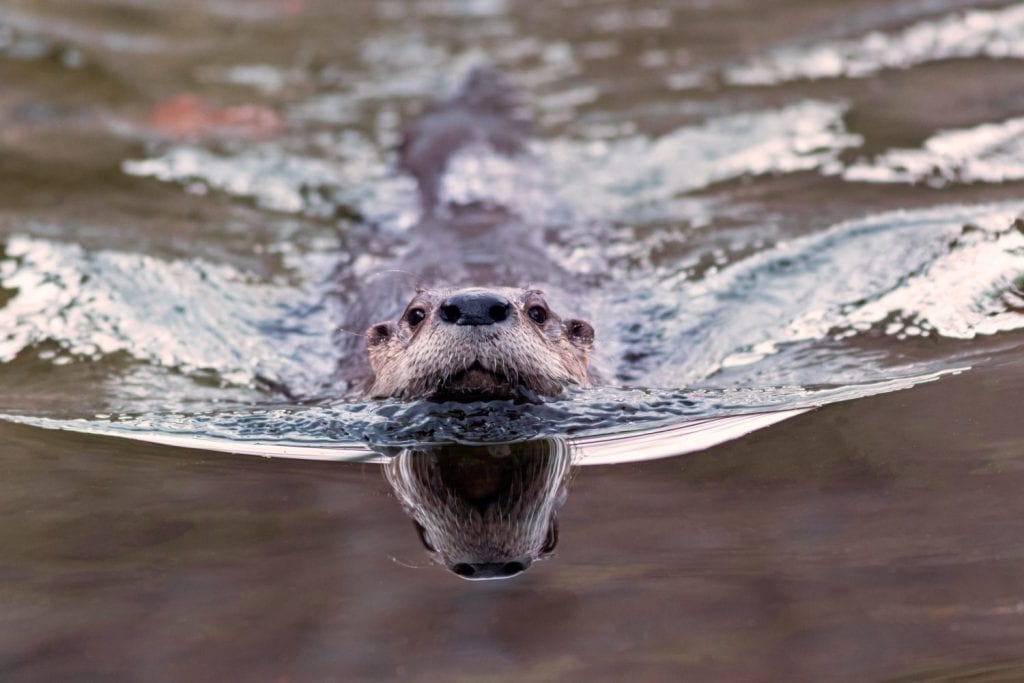
North American river otters are great swimmers both underwater and on the surface.
©Rabbitti/Shutterstock.com
Occasionally, otters are spotted in the park’s rivers. They mostly eat slow-swimming fishes like catfish and carp, but will supplement their diets with insects, amphibians, and crustaceans such as crayfish. River otters also occasionally prey on the muskrats that occur in the park, and muskrats eat freshwater mussels. So, the interactions of these mammals have a bearing on freshwater mussel populations.
The best way to see otters and muskrats is by canoe or kayak. The park has three river access points with canoe and kayak ramps – Dennison Ferry, Green River Ferry, and Houchin Ferry. Paddle quietly and watch for otters or muskrats cruising the shallows.
Riverine Birds
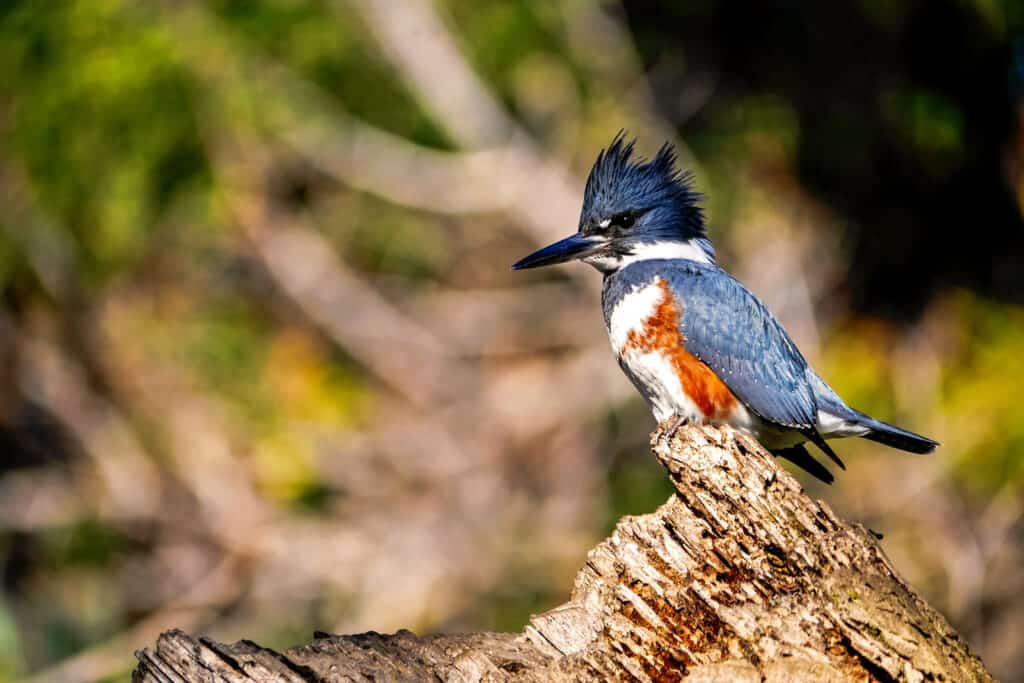
A belted kingfisher watches for aquatic prey from its perch above.
©Horse Crazy/Shutterstock.com
Various birds that rely on river habitats can also be found in Mammoth Cave National Park. Both great blue herons and green herons frequent the park in summer months, the latter known to nest at First Creek Lake. Still waters, like First Creek Lake and Sloan’s Crossing, harbor wood ducks, mallards, and little pied-billed grebes. Look for belted kingfishers (Ceryle alcyon) hunting from tree branches alongside rivers and lakes. They’ll nest in riverbank burrows, subsisting almost entirely on fishes and crayfish that they catch with long, straight bills.
Terrestrial Habitats
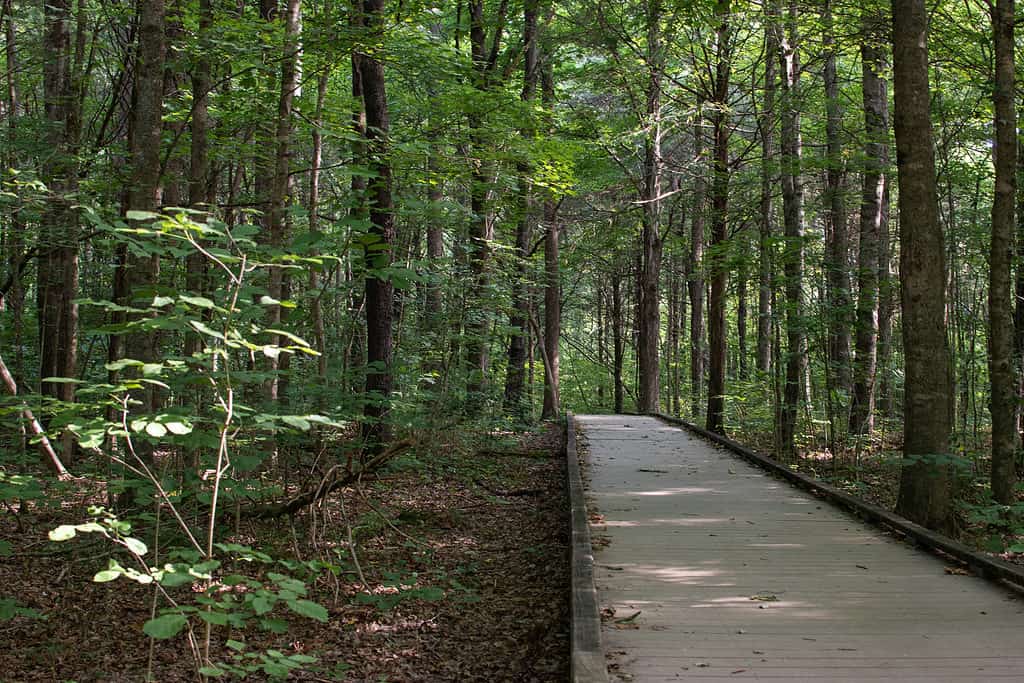
Boardwalk trails offer easy hiking in Mammoth Cave National Park, Kentucky.
©iStock.com/Kevin Hearn
Mammoth Cave National Park has a mix of upland habitats, ranging from oak-hickory forests to stands of Virginia pines to drier sites dominated by drought-tolerant plants like blue ash. There are also open meadows, gone wild from what used to be farmland, which tend to be ringed with Eastern red cedar and deciduous shrubs. This patchwork of habitat types makes for high biodiversity, including more than 80 tree species and 1,200 flowering plant species. You’re likely to see some of the more common vertebrate animals in the upland areas of the park.
Wild Turkeys (Meleagris gallopavo sylvestris)

A wild turkey pokes around the forest edge at Mammoth Cave National Park.
©Joshua Moore/iStock via Getty Images
Year-round, you can see wild turkeys poking around in the woodlands and edges of forests. They prefer oak habitats since they feed on the acorns. During the summer, watch for females with their broods of eight or more chicks. Males, which have bigger waddles hanging from their necks, can be seen strutting around. Wild turkeys disappeared entirely from Mammoth Cave National Park from hunting during the early 20th century, but are now thriving after reintroduction in the 1980s.
White-Tailed Deer (Odocoileus virginianus)
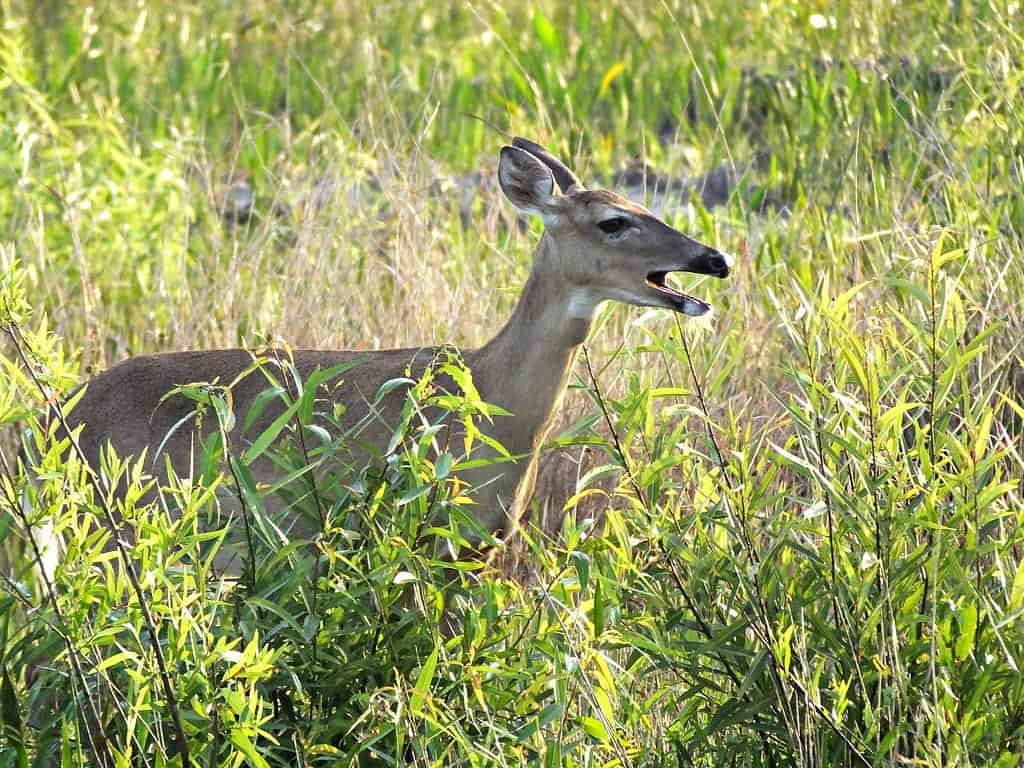
White-tailed deer are a common sight near visitor areas in Mammoth Cave National Park.
©passion4nature/iStock via Getty Images
Deer are one of the most visible animals in the park, commonly seen in visitor areas. A recent survey conducted from a small plane equipped with infrared cameras estimated a population of 714 white-tailed deer within the park’s boundaries and another 575 deer on adjacent private lands. The trails around the Visitors’ Center are a great place to see deer in the hour after dawn and before dusk.
Woodland Box Turtles (Terrapene carolina carolina)
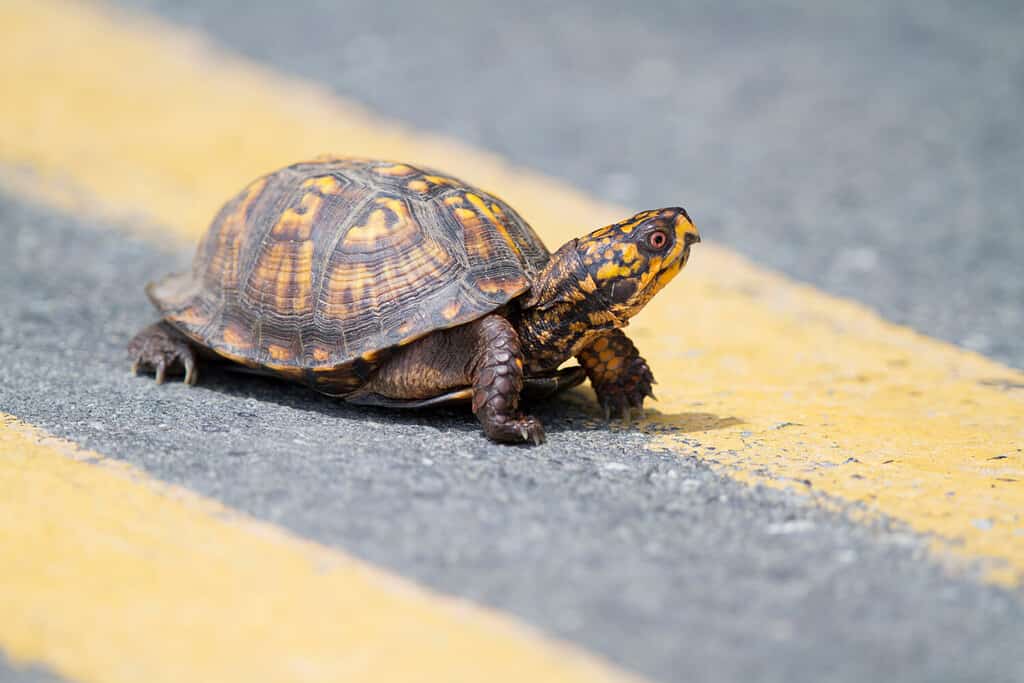
A woodland box turtle crossing the road should be guarded or moved to complete its journey.
©Mark_Kostich/Shutterstock.com
Although difficult to spot in the woods because they hold still when approached and camouflage against the forest floor, woodland box turtles can be seen crossing roads and trails. They roam around their home ranges in search of food like berries and worms, as well as finding mates during spring-summer. If you encounter a box turtle in the road, stop and let it finish its crossing, or move it to safety off the road in the same direction it was heading. They return to their favored areas to find food and lay eggs.
Snakes
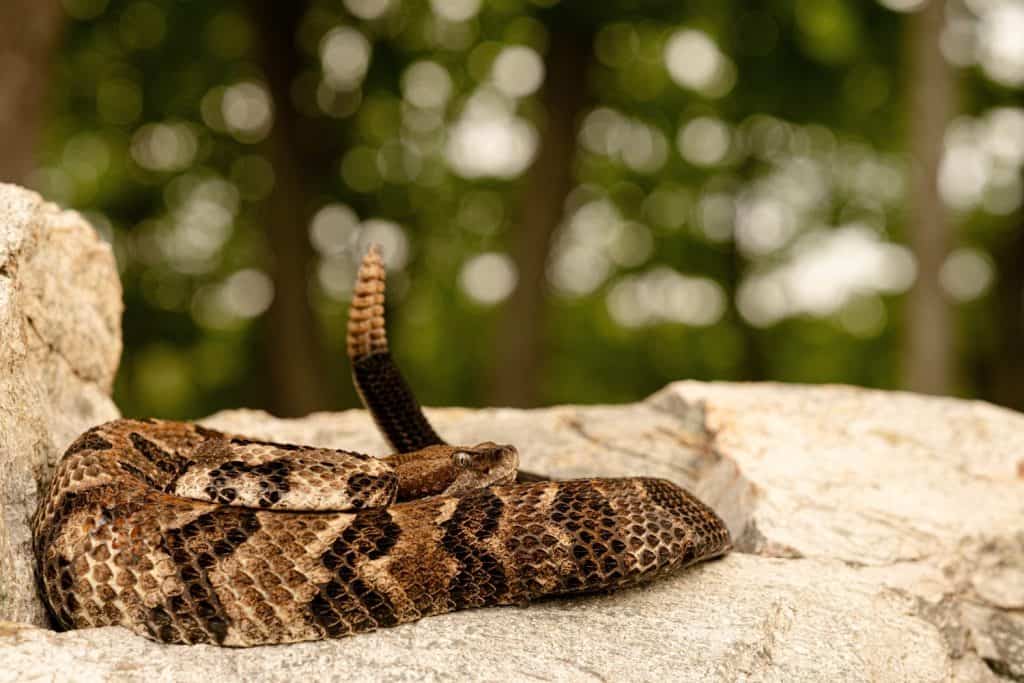
Be careful around timber rattlesnakes, which will warn with a rattle that they are highly venomous.
©Radiant Reptilia/Shutterstock.com
Both the eastern copperhead (Agkistrodon contortrix) and the timber rattlesnake (Crotalus horridus) live in the drier areas of the park. They’re venomous and well-camouflaged but tend to stay away from areas with people. Keep an eye out for the occasional snake that makes its way along walking trails or roads. If you encounter one, just quietly back away. The timber rattlesnake will warn you with a rattling sound, while the eastern copperhead will not. Both snakes strike only in self-defense, so keeping clear of them is key.
Red-tailed Hawks (Buteo jamaicensis)
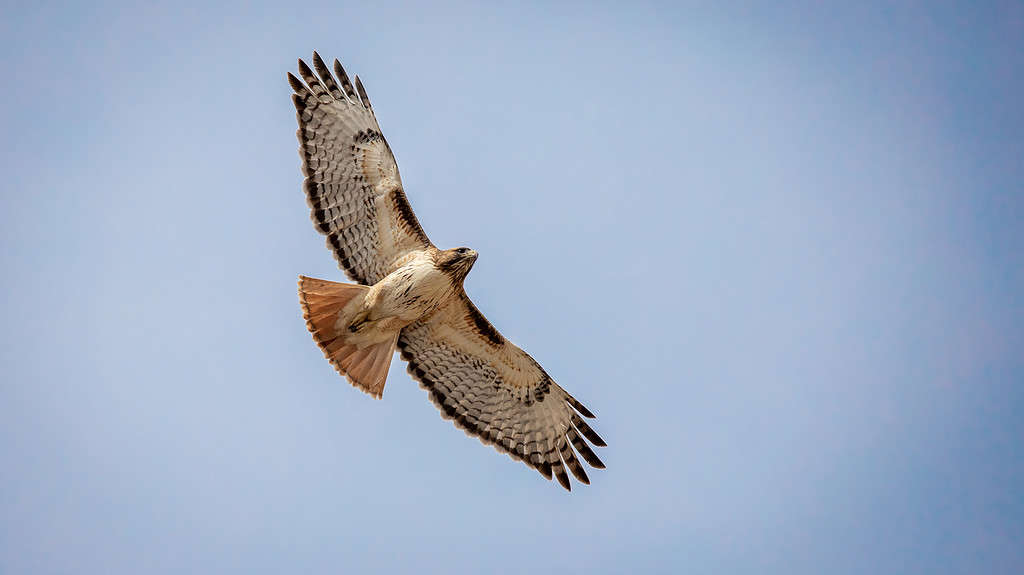
Watch for red-tailed hawks flying over open areas of Mammoth Cave National Park.
©Joseph Webber/iStock via Getty Images
The most abundant bird of prey in the park is the red-tailed hawk. Keep your eyes peeled for their distinctive reddish-brown tails that look reddish brown when they’re flying. You may see them hovering over open areas, such as the clearing around the Visitor’s Center, hunting for small mammals like squirrels and rabbits. Red-tailed hawks also survey hunting grounds from high perches, showing their white breasts flecked with brown markings.
Red-shouldered hawks (Buteo lineatus) with reddish breasts and banded tails, and broad-winged hawks (Buteo platypterus) also live in Mammoth Cave National Park.
Eastern Cotton-tail Rabbits (Sylvilagus floridanus)
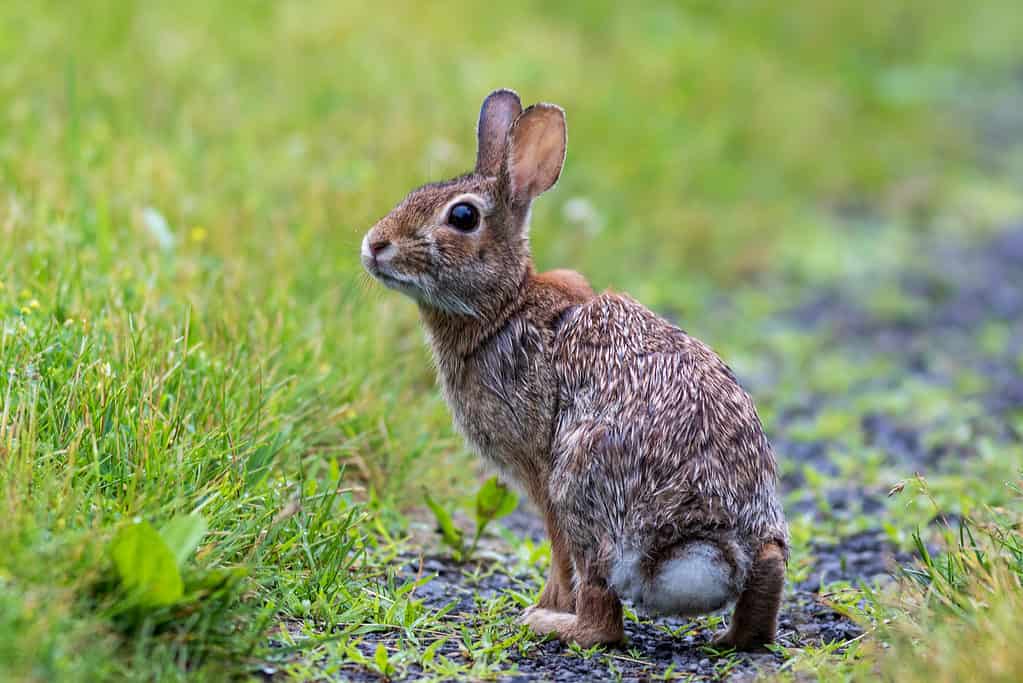
A cottontail rabbit displays its tail as it prepares to flee.
©Rabbitti/Shutterstock.com
Eastern cottontail rabbits, the most abundant species of rabbit in North America, are numerous in the park. Look for them in open areas and woodland foraging on grasses and legume plants, or in woodlands chewing on twigs and seeds. Eastern cotton-tails are wary, as they should be, since they are prey for many animals, including hawks, owls, foxes, and snakes. As they hop away, you’ll see their short, white tails, thought to either warn other rabbits of danger and/or discourage a predator’s advance in a behavior called “tail-flagging.”
Squirrels
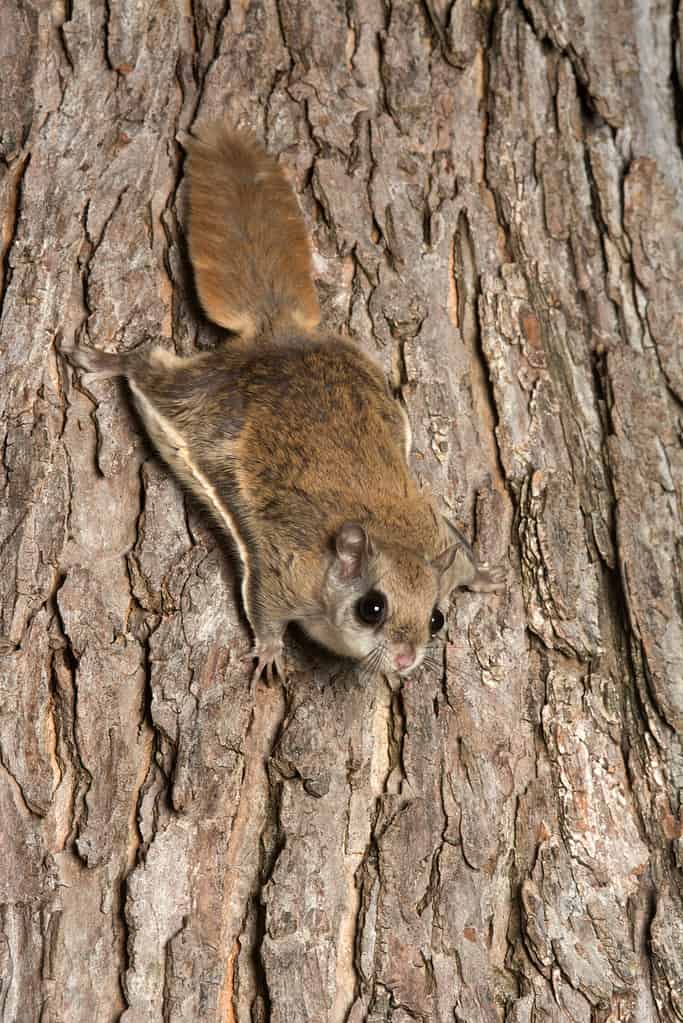
Flying squirrels are equipped with parachute-like flaps to glide from tree to tree.
©Tony Campbell/Shutterstock.com
Several species of squirrel inhabit Mammoth Cave National Park. The one you’ll see most is the ubiquitous eastern gray squirrel (Sciurus carolinensis), the most adaptable species. Just like in cities, eastern gray squirrels in the park will run around from tree branches to the forest floor, gathering acorns and occasionally communicating with each other with loud, screeching sounds. Also in the park is the less common eastern fox squirrel (Sciurus niger), which you can tell from its redder fur with rust-colored accents lining its ears and belly. Fox squirrels tend to inhabit more open spaces with less tree cover. If you get lucky, you might also see a southern flying squirrel (Glaucomys volans), so-named for the flaps of skin connecting its legs that allow it to glide from tree to tree. Its nocturnal habitats make it difficult to see, but watch for a small, ghostly glider at dusk. Its large eyes give southern flying squirrels excellent vision in low-light conditions as they forage for seeds and nuts.
Other Small Mammals
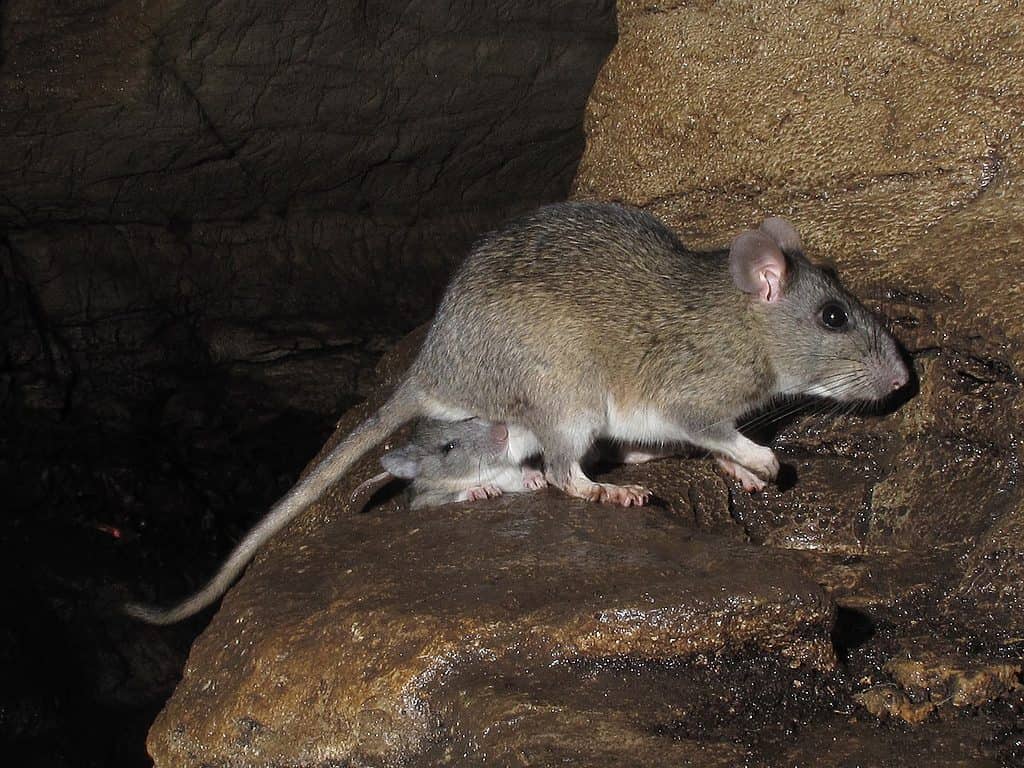
Allegheny wood rats, relatives of the common house rats, are native to Mammoth Cave National Park.
A variety of other small mammals live in Mammoth Cave National Park, including several species of mice, at least five species of shrews, the eastern mole, and a couple of vole species, all of which are fair game to birds of prey and larger carnivorous mammals. You might not be excited to see Norway rats (Rattus norvegicus), the same species known as the “sewer rat” that invades houses and buildings. It was introduced from China, got naturalized in the U.S. several centuries ago, and is not native to the park. But another species in the park—the Allegheny wood rat (Neotoma magister)—is a large, native species about the size of a squirrel. Unlike Norway rats, the native rat has a short, hairy tail and hangs out in rocky areas. At the Frozen Niagara entrance to Mammoth Cave, you might see this rat and/or its nest of twigs, needles, and other debris.
Bobcats (Lynx rufus)
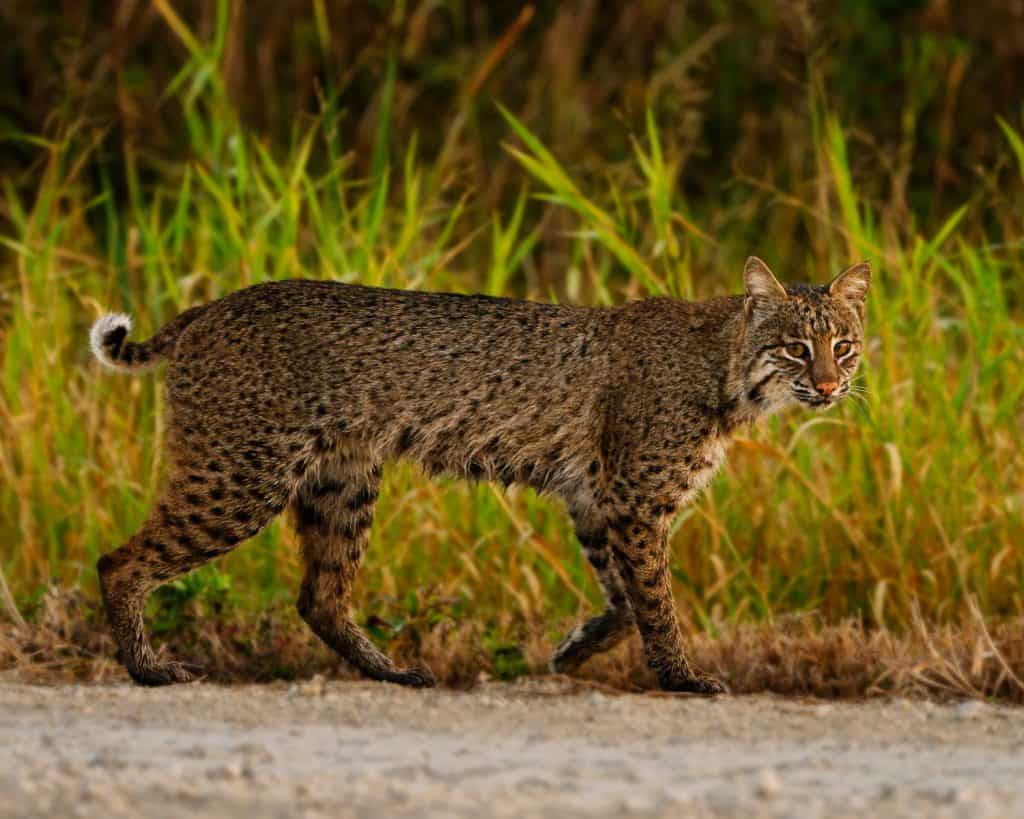
Bobcats have “crepuscular” habits, coming out to hunt in the sunrise and sunset hours.
©WIlliam Falla/Shutterstock.com
Although they’re secretive and hard to spot, bobcats are one of the most dangerous predators of small mammals. They hunt actively around dawn and dusk, resting in rock crevices or hollow logs during warmer midday hours. Occasionally, a bobcat is seen during daylight hours in the park, such as one spotted along Flint Ridge Road in 2020. They become more active during their winter breeding season (February to March), cruising around and calling out for mates. You’re more likely to see evidence of a bobcat than the cat itself. Its tracks are about 1.5 inches long and, unlike coyote tracks, don’t leave a fingernail mark. Their scat (poop), which is loaded with hair and bones (such as from rabbits), is often deposited on rocks or logs.
Eastern Coyotes (Canis latrans)
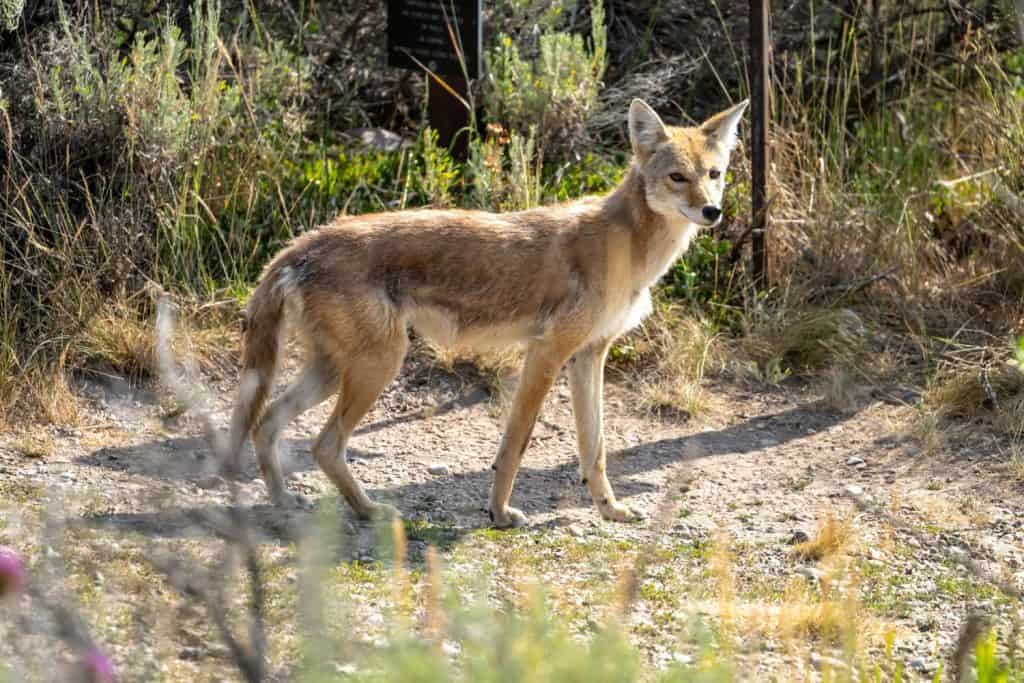
A coyote looks a lot like a dog, but is more dangerous because it’s a wild animal.
©Kelly vanDellen/Shutterstock.com
Like bobcats, coyotes are elusive, but you’re more likely to see them running across roadways at night. As highly adaptable omnivores, they search for small animals like insects and mice, as well as fruits and vegetables, for their evening meals. Although some coyotes are solitary, many hang out in packs. Visit Sloan’s Pond at night and listen for their eerie howls. Coyotes are about the size of German shepherds, but potentially dangerous if approached.
Songbirds
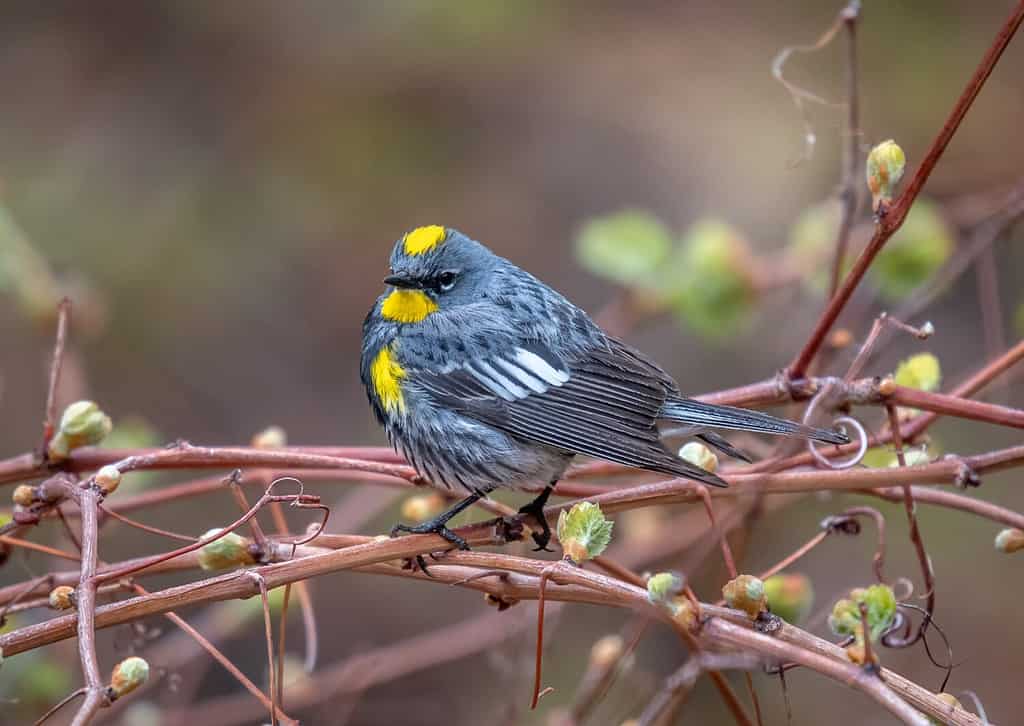
This male yellow-rumped warbler sports bright breeding coloration.
©Gerald A. DeBoer/Shutterstock.com
In late spring and summer, Mammoth Cave National Park becomes home to a variety of songbird species that spend summers in the park, then fly southward to overwinter. Every year brings migratory populations of warblers, flycatchers, tanagers, and vireos. They’re small birds that hide in the foliage, so you’re more likely to hear their melodious calls than to see them.
As fall and winter set in, other songbirds arrive at the park from cooler, northern places. Nuthatches, sparrows, and juncos move in. Yellow-rumped warblers (Setophaga coronata) make their winter homes in the park, where they feed on berries until the insects become available again in the spring.
More than 170 species of songbirds have been reported from Mammoth Cave National Park. The best places to look for them are on the River Styx Trail, Green River Bluffs Trail, Echo River Springs Trail, Joppa Ridge Nature Trail, and other wooded areas.
Bald Eagles
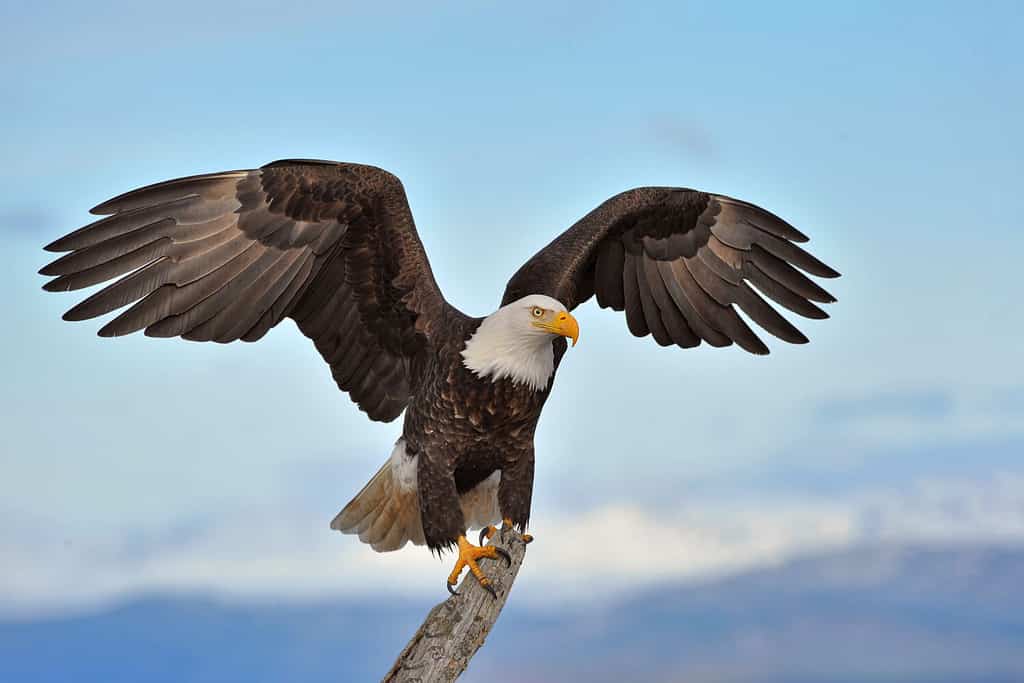
Bald eagles roost and nest along rivers, including the Green River in Mammoth Cave National Park.
©FloridaStock/Shutterstock.com
Bald eagles are occasionally seen along the riverbanks of the park. During a mild winter, they’ll remain all year round, but a winter freeze may send them migrating southward. Bald eagles mostly feed on fish, often trying to wrestle them from the talons of other birds—such as ospreys. They’ll also capture small mammals such as rabbits and raccoons, or scavenge human dump sites. Young eagles roam for hundreds of miles, but mature eagles settle into territories where they reproduce. In the park, look for bald eagles nesting near the Green River.
Ticks
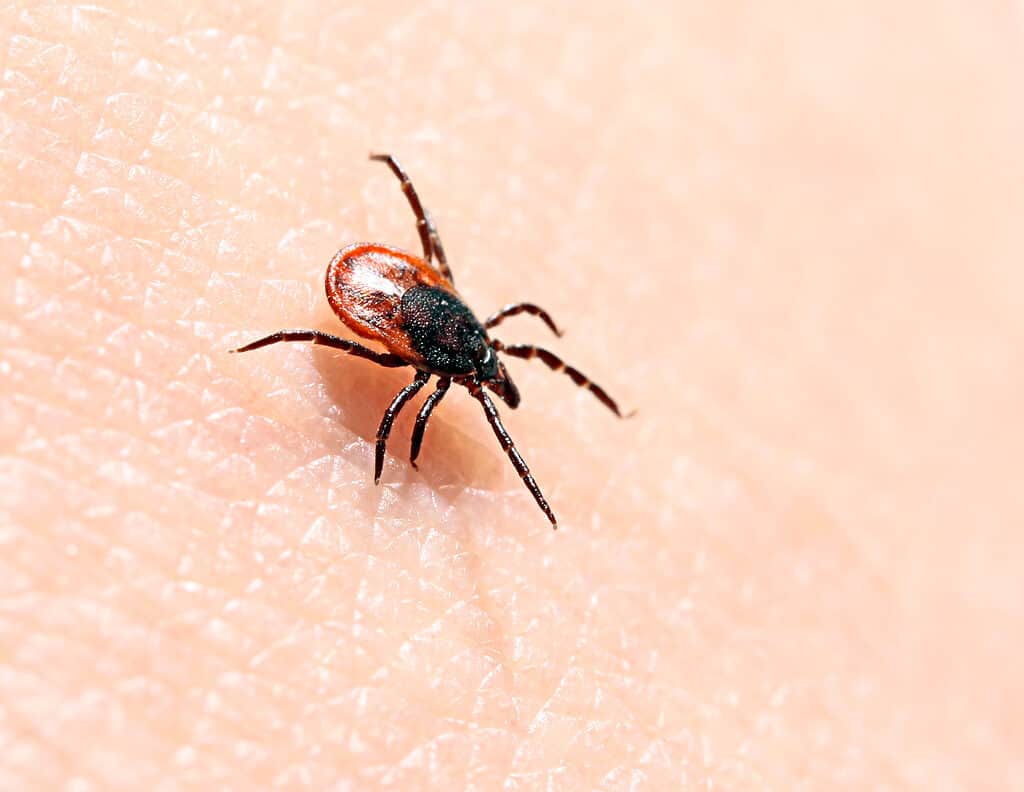
Blacklegged ticks can transmit Lyme disease to hikers.
©daksel/Shutterstock.com
Check yourself for ticks after a visit to the park, as there are four confirmed species in Kentucky that sometimes carry diseases: American dog tick; black-legged tick; brown dog tick; and lone star tick.