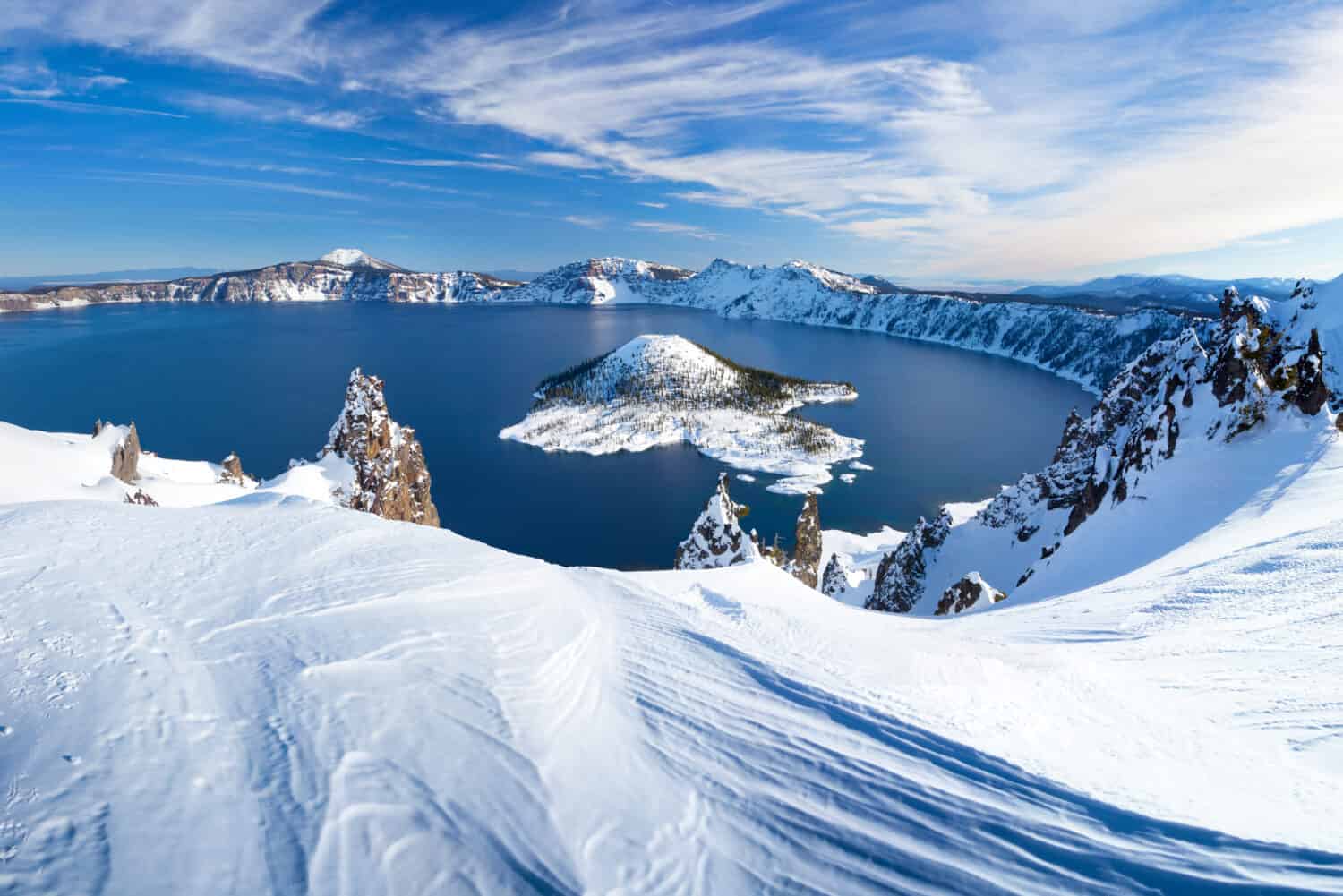

Crater Lake National Park is beloved and known worldwide because of its depth and beauty. Sitting in Southern Oregon’s Cascade Range, this park protects an impressively blue caldera lake and more than 180,000 acres of forests. It draws roughly 560,000 visitors a year, with leisurely drives, hiking, summer birding, fishing, and boat tours to Wizard Island among its most popular activities.
Should you choose to visit Crater Lake National Park, what species of animals will you find there? The surrounding slopes host hardy mammals, birds, amphibians, and a few reptiles adapted to long winters, while the lake’s waters hold a few notable fish. Today, we’ve compiled a field-ready guide to the wildlife visitors are most likely to encounter, including where they live in the park, how often you’ll see them, and why they matter to this remarkable ecosystem.
Let’s dive into the details of Crater Lake National Park and its animal residents now!
Mule Deer and Black-Tailed Deer
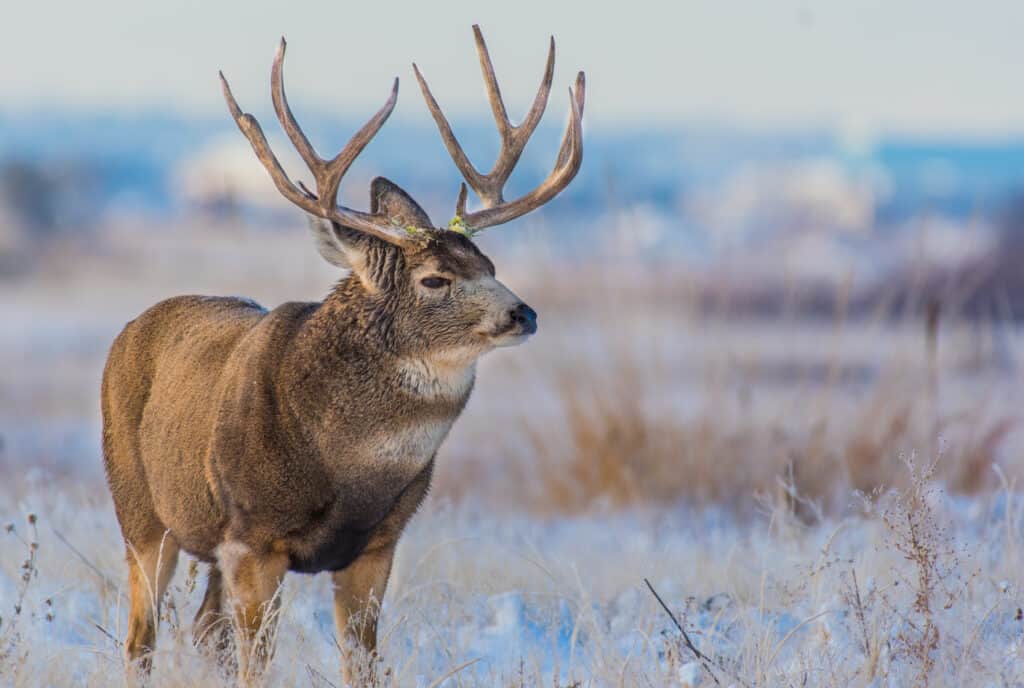
One of the most common animals in Crater Lake NP is the mule deer.
©iStock.com/Kerry Hargrove
You’ll spot deer in Crater Lake NP most often at dawn and dusk along Rim Drive and in Munson Valley; basically anywhere there’s grass, there’s bound to be deer. Herd sizes vary through the season, but deer are among the park’s most commonly seen large mammals, no matter the time of year.
These ungulates browse shrubs and greenery, shaping the understory vegetation throughout the park and feeding multiple predators within, such as cougars and coyotes. Should you see any deer during your visit, give them distance; deer who are fed by humans tend to lose natural wariness and can behave unpredictably, making it dangerous for both them and you.
Roosevelt Elk
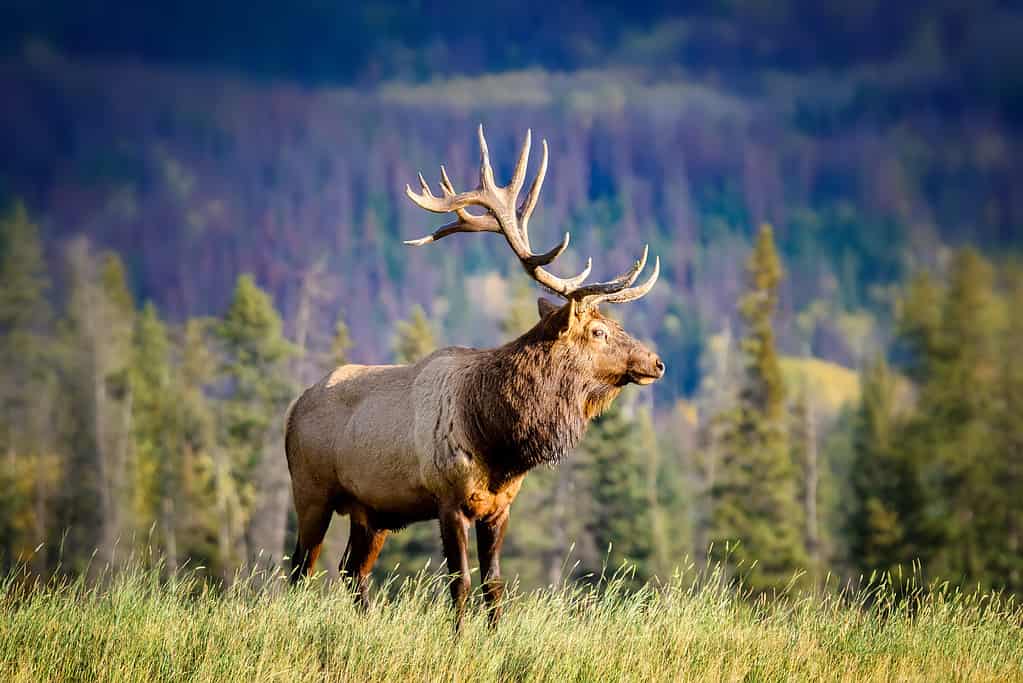
You may not see any elk on your trip, but know they’re there.
©Jaroslav Sugarek/iStock / Getty Images Plus via Getty Images
Elk roam the park’s forests and higher, more elusive meadows, especially at dawn and in quieter areas beyond busy viewpoints. Numbers fluctuate year to year, and elk sightings are far less common than deer, but patient visitors can still catch small groups on the move if they are willing to wait.
Elk grazing influences annual meadow plant communities and provides carrion for any scavengers. Listen for bugling in early fall, before the roads to the park start to close for winter; even if you don’t see elk, the sound occasionally carries across the forest.
American Black Bear
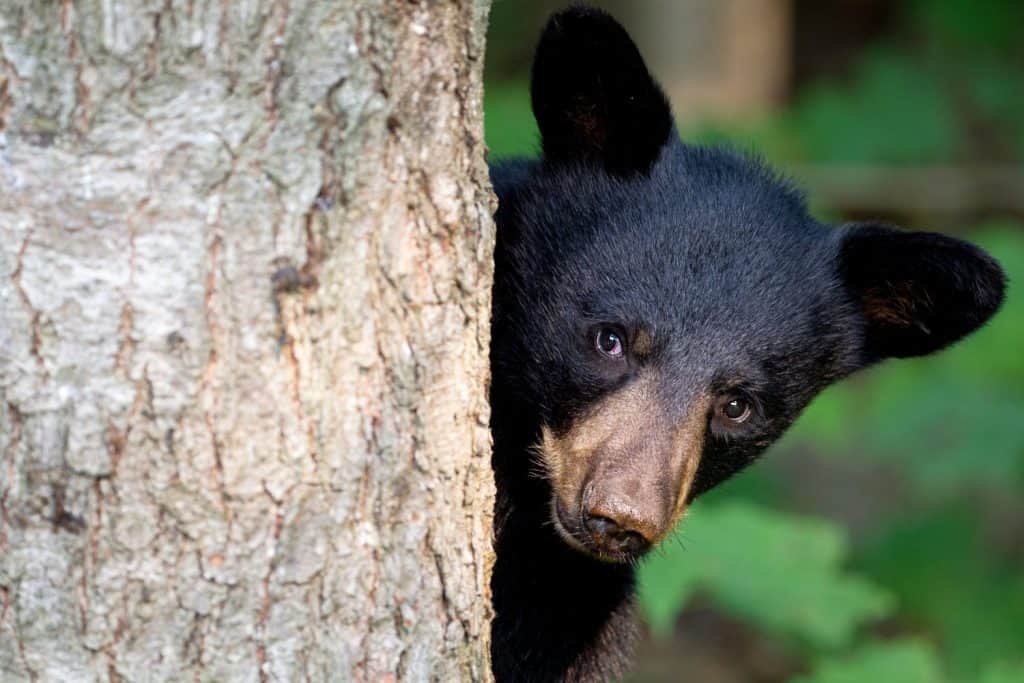
Keep your snacks protected from bears while you visit Crater Lake.
©Christopher MacDonald/Shutterstock.com
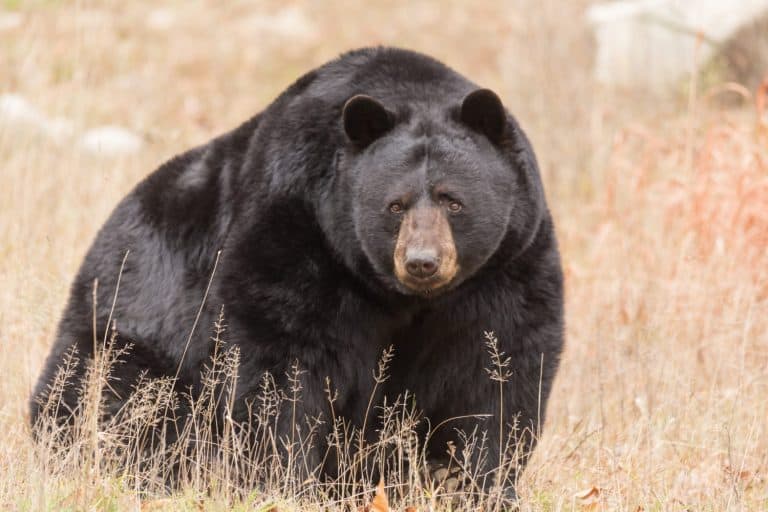
Black bears love Crater Lake’s remote berry patches and timbered areas; most sightings occur during spring and fall as they forage. They’re not abundant compared to the park’s size and other major protected areas, but they’re present park-wide and are seen several times each week in busy seasons.
Bears turn over logs and soil in search of insects, redistributing nutrients and seeds throughout the region. While you may not ever see one, know that a bear is likely nearby at all times. Keep your distance should you encounter one and secure all food and vehicles during your stay for your own safety and theirs.
Coyote
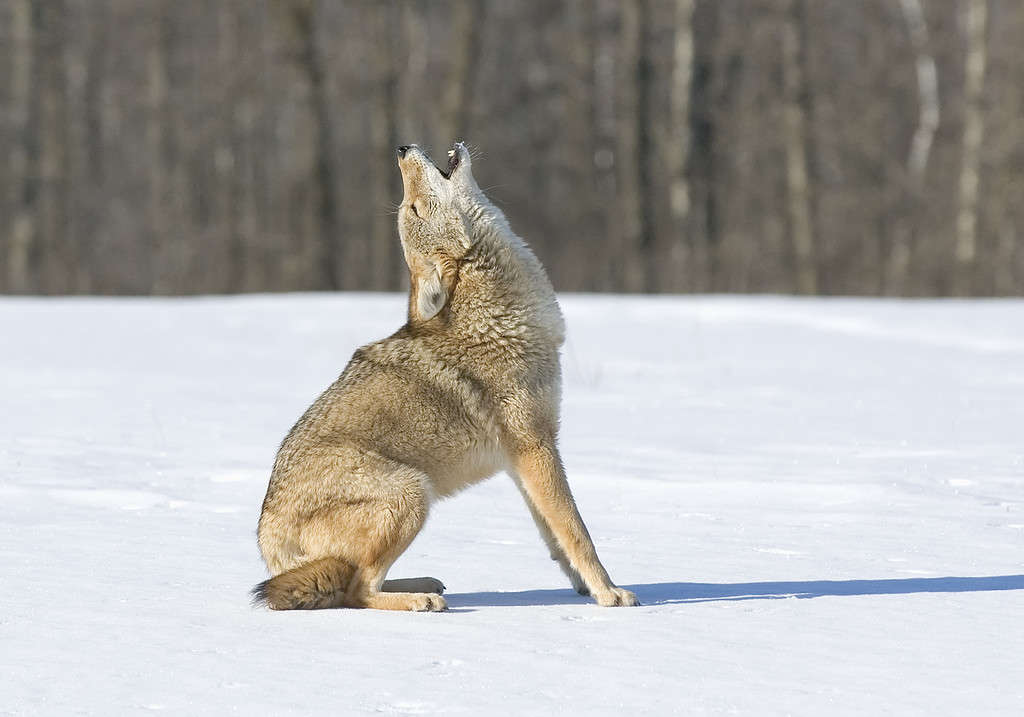
You may see a coyote in Crater Lake NP.
©John Pitcher/iStock via Getty Images
Coyotes can be seen trotting open pumice flats, meadows, and road margins, especially around dusk, when deer are on the move. They’re widespread and often visible, even on short visits or day trips. As opportunistic predators and scavengers, they help regulate small-mammal populations and clean up anything leftover by larger predators.
Bobcat
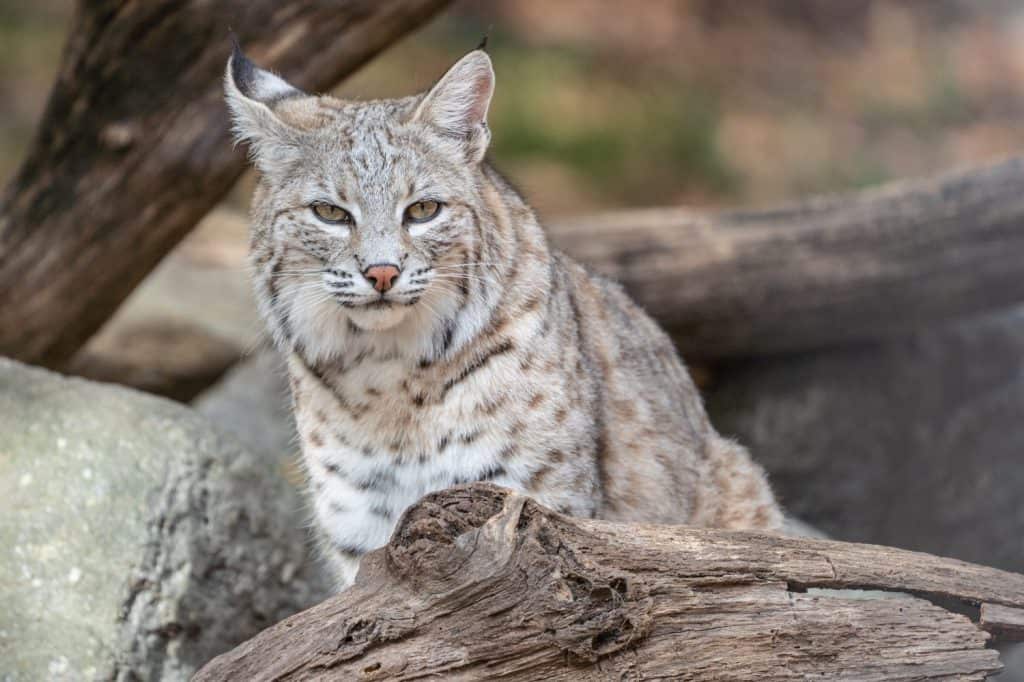
While gorgeous, bobcats are rarely sighted.
©Amy Lutz/Shutterstock.com
Solitary bobcats hide in brushy drainages and along the forest’s edges; they’re far more common than they are visible. In fact, most visitors never see one, but fresh tracks in soft pumice are a good clue they’re around. Bobcats target hares, chipmunks, and ground-nesting birds, keeping small-prey numbers in check alongside coyotes. Dawn and dusk are your best windows for a chance encounter, but don’t expect to see these elusive cats.
Mountain Lion
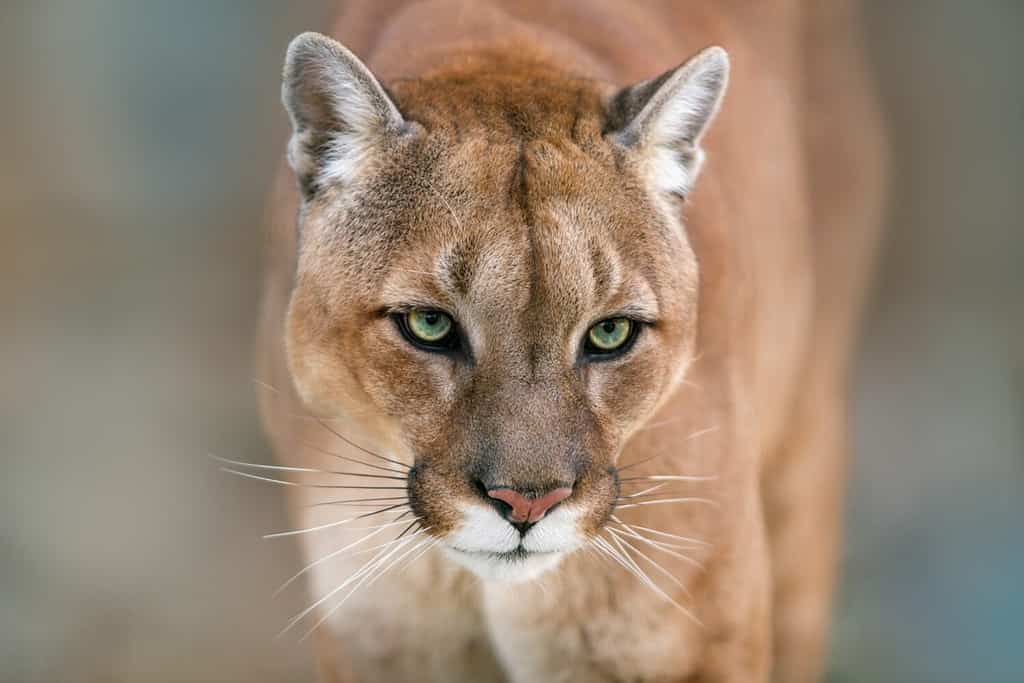
Mountain lions are known by multiple names.
©Kwadrat/Shutterstock.com
Also known as cougars or pumas, mountain lions have huge home ranges across the Cascades and pass through the park, though sightings are very rare. Their presence is inferred by park rangers from tracks, scat, and the occasional deer carcass.
As apex predators, mountain lions directly shape deer behavior and distribution. If you’re lucky enough to glimpse one, maintain distance and enjoy the moment, as it’s among the park’s most elusive and dangerous mammals. If you’re hiking in the park at all, maintaining some level of noise will help keep a cougar from following you.
American Marten
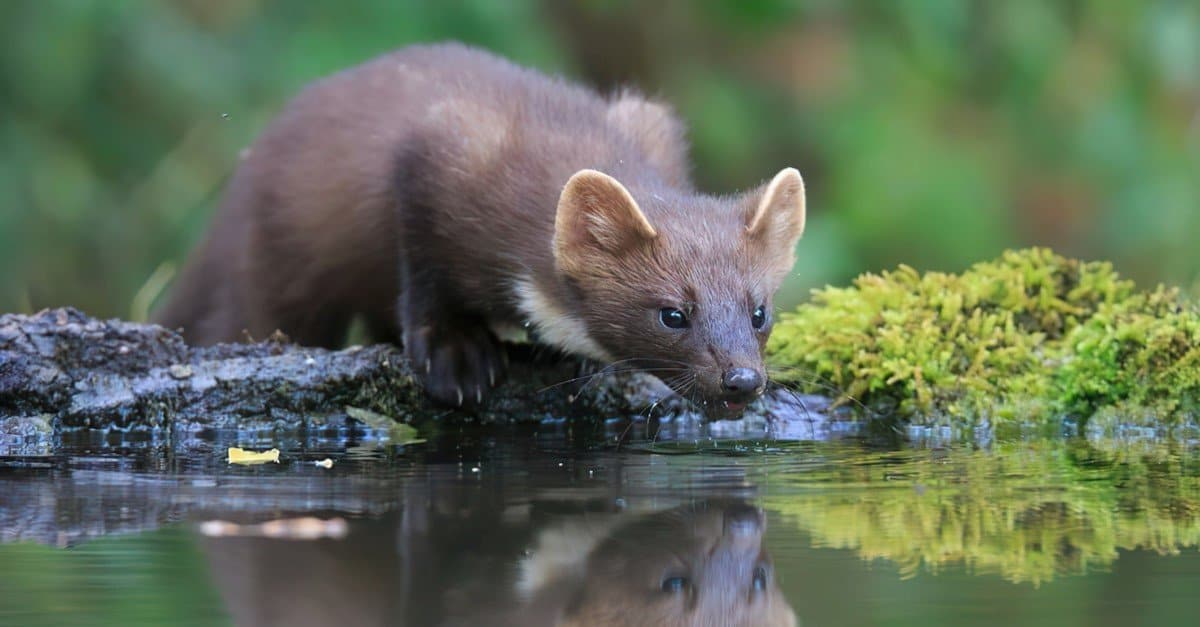
Rare to sight, martens are a delight to observe if you get lucky.
©Beata Farkas/Shutterstock.com
A type of mustelid, martens meander through the conifers and fallen logs of this NP, especially where squirrel activity is high. They’re present day and night but seldom seen, often leaving only quick footprints or a flash of themselves before they’re gone.
As agile predators, martens influence small-mammal and bird populations, occasionally scavenging other types of prey. Scan snow-covered logs in winter or quiet, shaded forests in summer to improve your odds of seeing one.
Yellow-Bellied Marmot
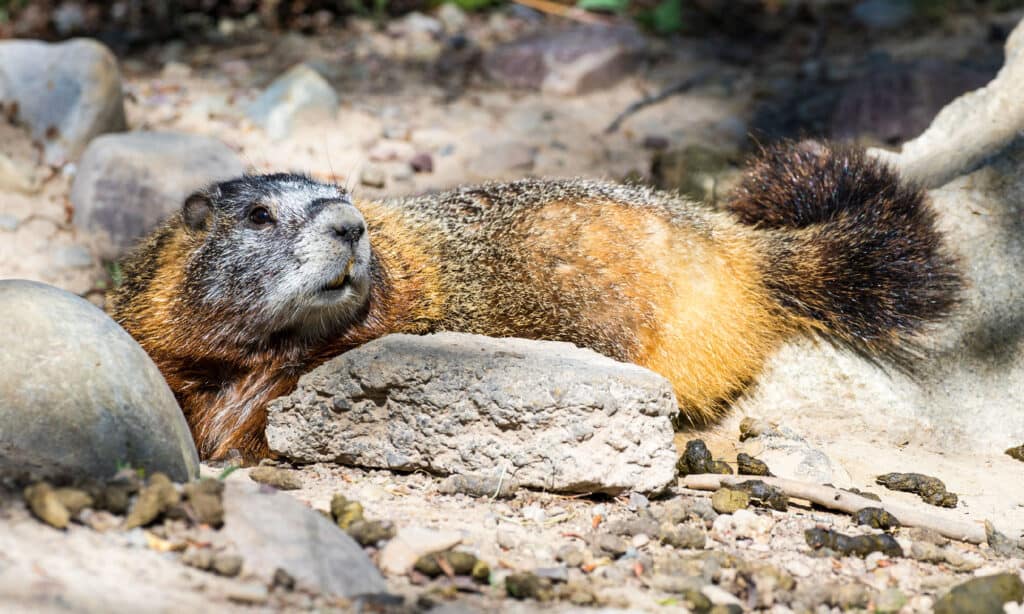
Marmots are a type of groundhog.
©iStock.com/moose henderson
Keep your eyes and ears peeled for the marmot’s sharp whistle on sunny slopes and rocky road pull-offs. Marmot family colonies bask and feed near burrow entrances from late spring to early fall, making them one of the park’s easier mammals to watch. Plus, they’re also incredibly entertaining to observe.
Marmots aerate soil with their burrows and provide prey for raptors and carnivores, no matter how sneaky they try to be. Given how chilly Crater Lake NP can be, the midday warmth pulls them out of their burrows more often than not. Bring binoculars for watching them play and relax in the sun.
American Pika

The climate of Crater Lake greatly affects pikas.
Pikas live in rock piles near persistent snowfields, where they build piles of dried vegetation to call home. Populations are patchy but stable at high, rocky sites; you’ll hear their sharp, squeaking calls more often than you’ll actually spot these small, rodent-like animals. Pikas are climate-sensitive, relying on snowpack for winter insulation and cool microclimates to avoid heat stress in summertime. Be patient and enjoy a picnic near their ideal habitats, and you’ll likely see one darting by.
Golden-Mantled Ground Squirrel
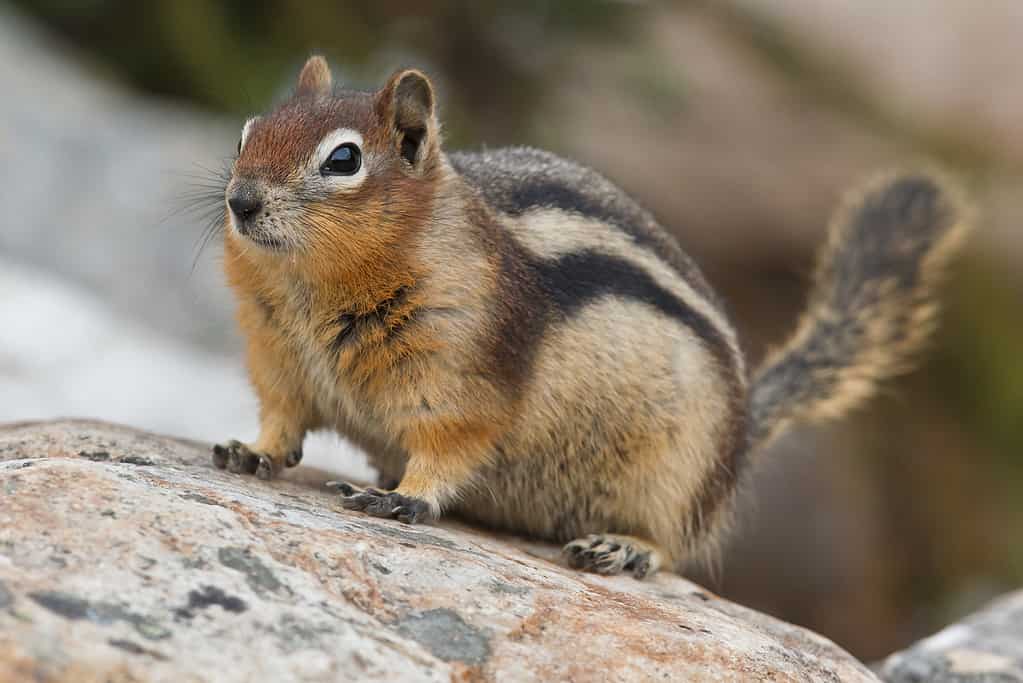
The stripes on these squirrels make them striking.
©Rafa Irusta/Shutterstock.com
These bold and striped squirrels frequent picnic areas, overlooks, and rocky pullouts, often begging visitors for a spare snack. They’re abundant and among the most-seen animals on any visit. They scatter seeds and serve as prey for raptors and small carnivores. Make sure not to feed them, as they are more than capable of feeding themselves; stuffed cheek pouches are a classic Rim Village sight.
Douglas Squirrel (Chickaree)
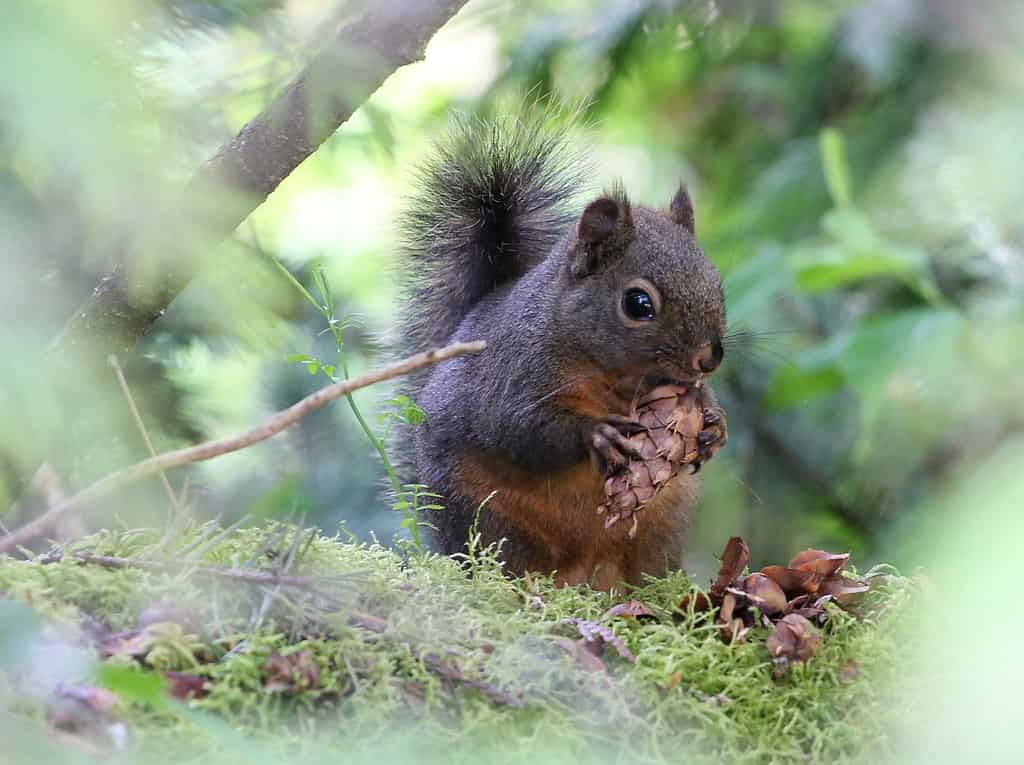
Native to the Pacific Northwest, Douglas squirrels inhabit coniferous and mixed forests.
©Randy Bjorklund/Shutterstock.com
Smaller than the typical gray squirrel, noisy chickarees move amongst branches and cache cones within mossy logs. They’re widespread in conifer stands and commonly heard, even when they’re not seen. They aid in forest regeneration by storing food and dispersing seeds through their droppings. Listen for their rattling chatter along shaded trails and enjoy watching them play if you have a moment.
Snowshoe Hare
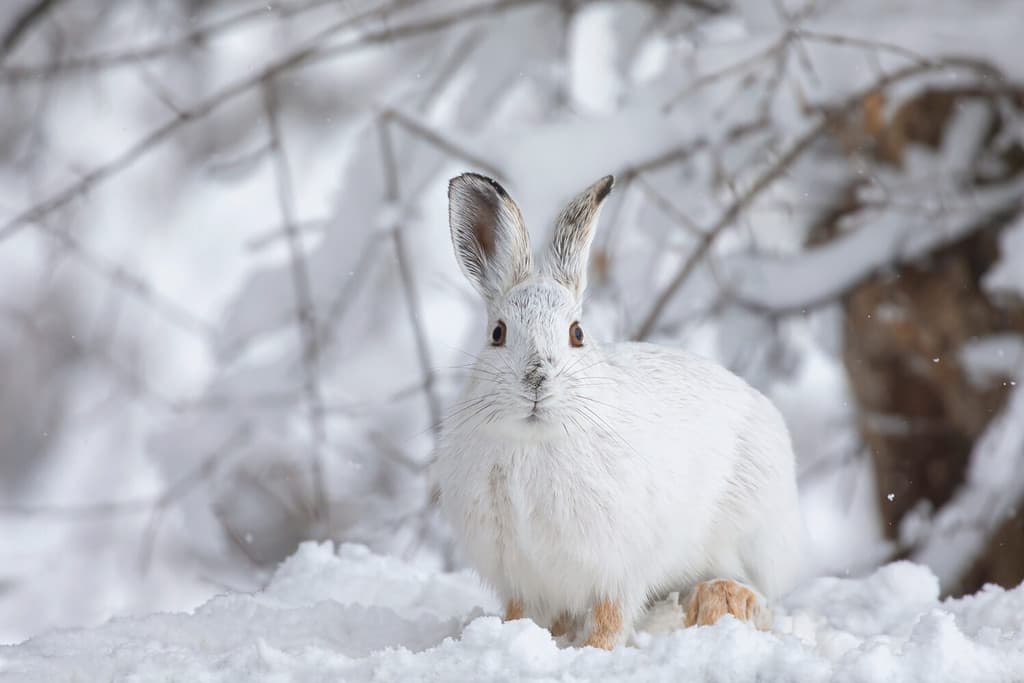
These hares are excellent at camouflaging in winter.
©Jim Cumming/Shutterstock.com
Hares are present in Crater Lake NP, but secretive; look for tracks and nibbled vegetation after a fresh snowfall. Snowshoe hares feed many predators within the park, from bobcats to goshawks. Dawn patrols on quiet trails offer your best chance for a fleeting view, though their camouflage can be next-level.
Bats (12 Species)
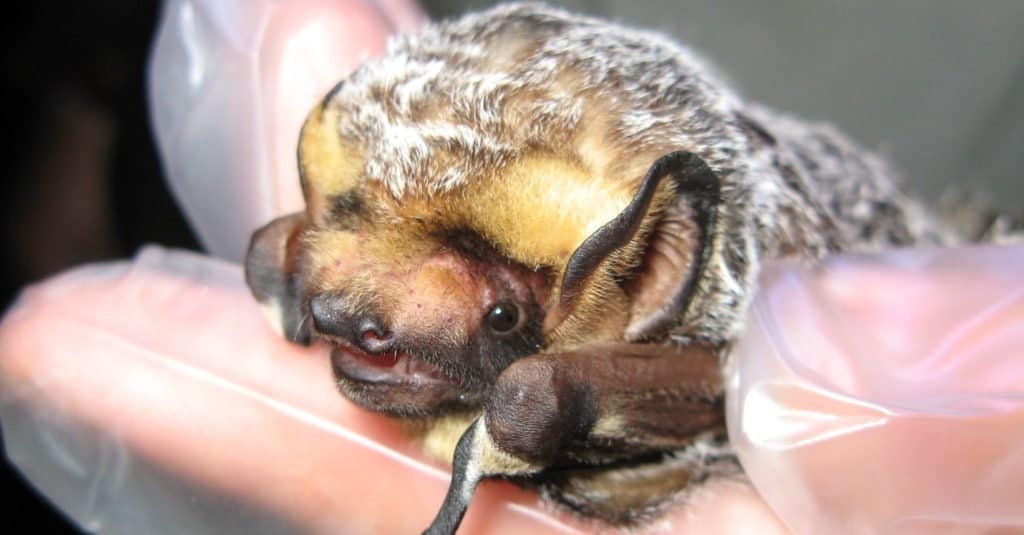
There are multiple bat species within Crater Lake National Park.
Crater Lake hosts a diverse bat community, including little brown, big brown, silver-haired, hoary, and several myotis. These special creatures roost in bark crevices, rock cracks, and sometimes in man-made structures. Park staff monitor their colonies and encourage them to remain in wild areas.
Summer evenings bring the highest bat activity, especially around ponds, meadows, and riparian corridors full of insects. Populations are monitored due to threats like white-nose syndrome, but bats remain vital for consuming mosquitoes and other insects. If you linger at dusk near water, you’ll likely see them hunting bugs, flying low and fast.
Clark’s Nutcracker
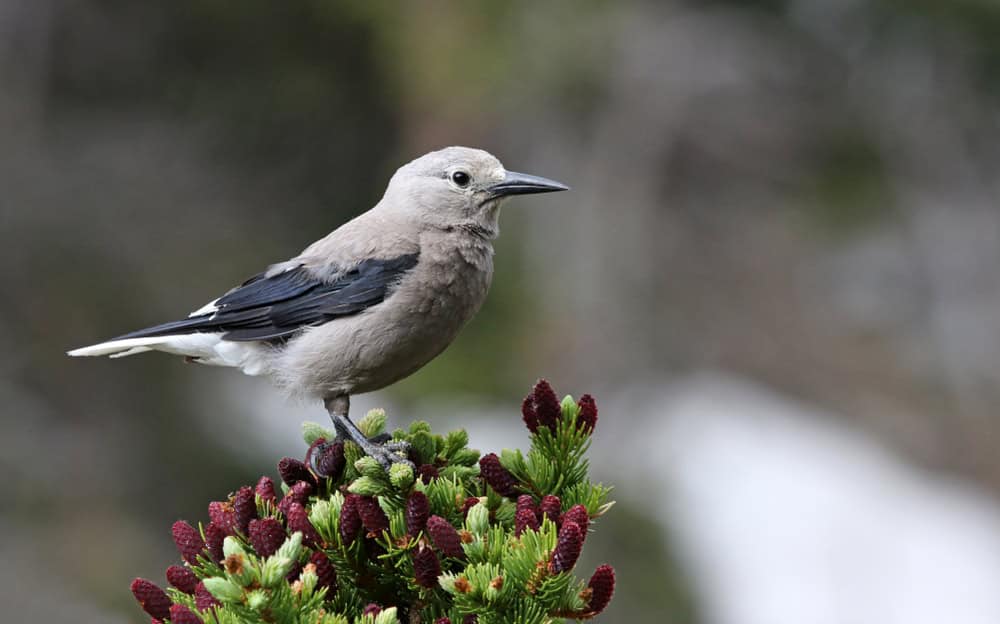
The average Clark’s nutcracker will likely try to forage your trail mix.
©Chris Hill/Shutterstock.com
These gray and black corvids patrol high ridges, overlooks, and pine stands, holding the status of the park’s most conspicuous birds. They’re abundant and easy to see around Rim Village, making them the perfect welcoming party. Clark’s nutcrackers cache whitebark pine seeds, playing a keystone role in regenerating this high-elevation and vital tree. Watch for birds flying with bulging throat pouches as they shuttle seeds to cache sites, storing up for winter and feeding their young.
Steller’s Jay
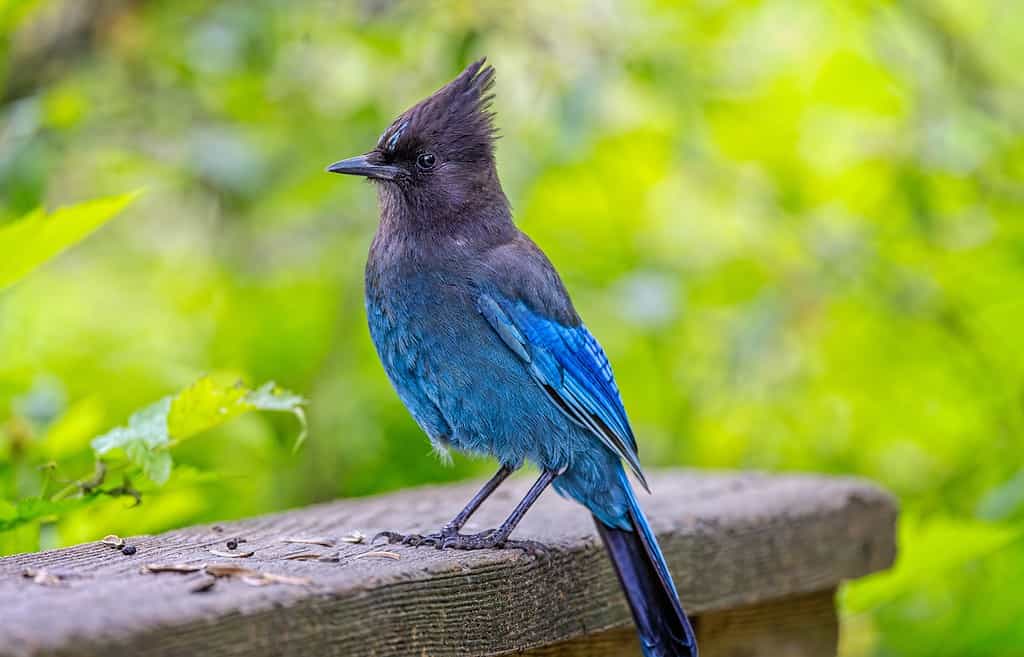
You’ll likely recognize the Steller’s jays in Crater Lake NP.
©Nigel Jarvis/Shutterstock.com
Electric-blue Steller’s jays haunt picnic areas, campgrounds, and forest edges, often vocal and bold. They’re common year-round and one of the first birds visitors notice, much like Clark’s nutcrackers. Jays disperse seeds and scavenge whatever they can, which is just another reason to keep your snacks sealed. Their calls and crests make them easy to identify, even for first-time birders or kiddos.
Common Raven
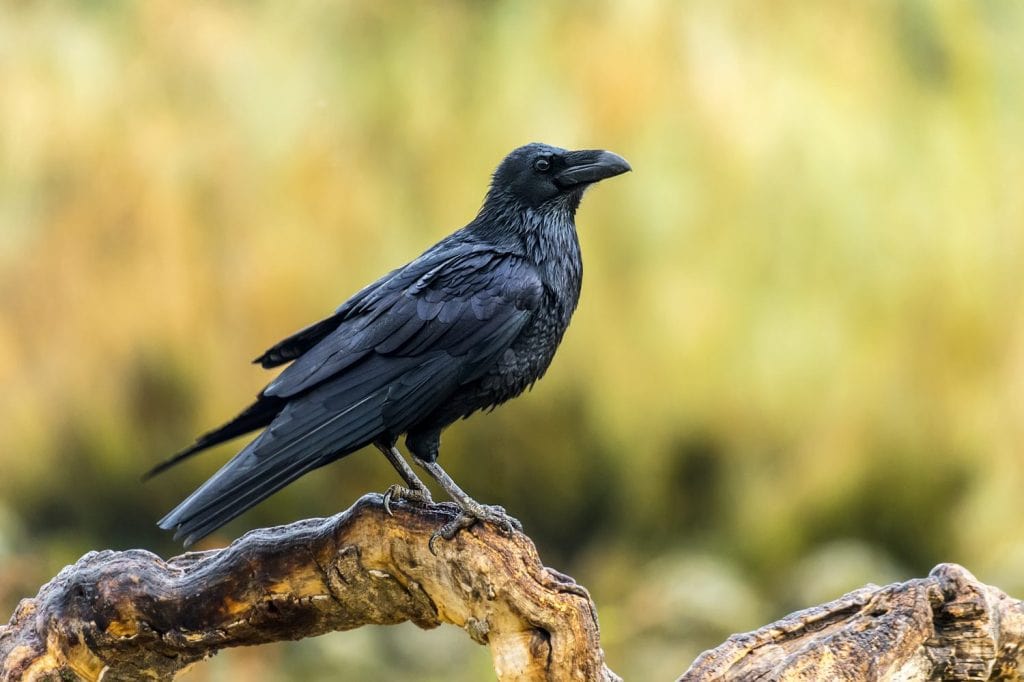
The call of ravens in Crater Lake NP is unmistakable.
©fernando sanchez/Shutterstock.com
Glossy black and large, ravens soar over thermal winds and patrol parking lots, even visiting campgrounds with casual confidence. They’re common across seasons and very hard to miss, given their unique calls and size. As intelligent scavengers, ravens redistribute nutrients and pick carrion clean. Watch pairs cruise the rim, calling to one another on breezy afternoons.
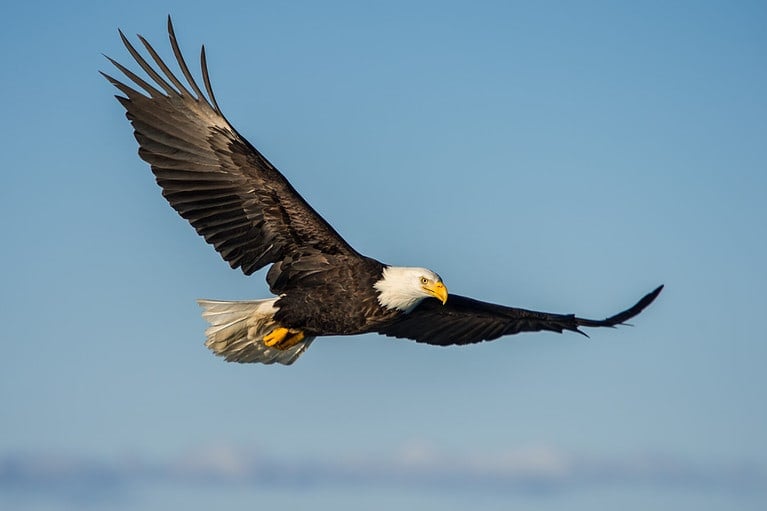
Bald Eagle
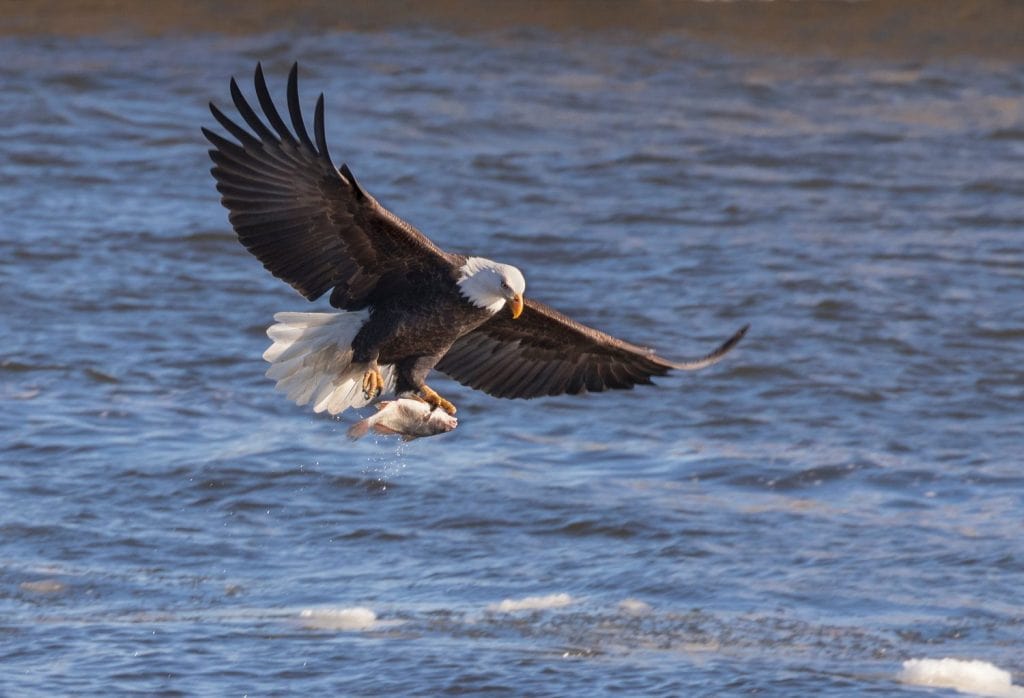
While rare, you may catch sight of a bald eagle when you visit this park.
©Natalia Kuzmina/Shutterstock.com
Bald eagles are occasional but regular visitors to Crater Lake NP, especially where lakes and nearby waters offer fish. Sightings are less frequent compared to corvids, but scan the sky from viewpoints and you may catch sight of one. As apex fish-eaters and scavengers, bald eagles anchor raptor communities and signal healthy watersheds to park staff. Bring binoculars to spot them, even if just for a moment. They’re gorgeous and unforgettable!
Peregrine Falcon
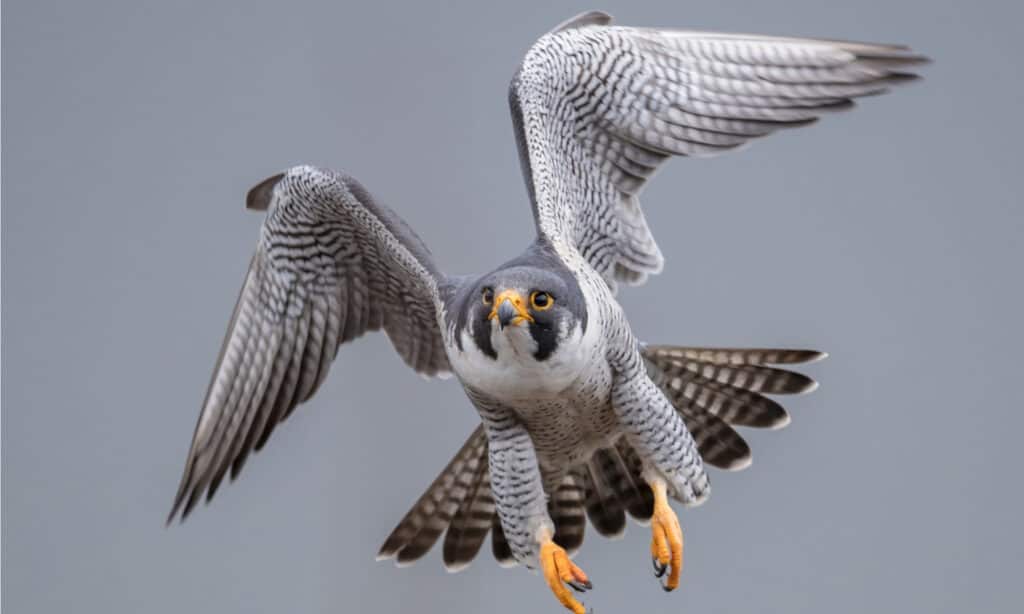
Peregrine falcons are the fastest animals in the world.
©Harry Collins Photography/Shutterstock.com
Peregrines nest on cliffs in the wider region and sometimes hunt over the caldera and adjacent ridgelines within the park. Because they prey on birds, peregrines help regulate avian populations and the occasional rodent species. Mid-day thermals on clear days give you the best chance to see one cutting across the rim, an athlete in the sky.
Canada Jay or Gray Jay
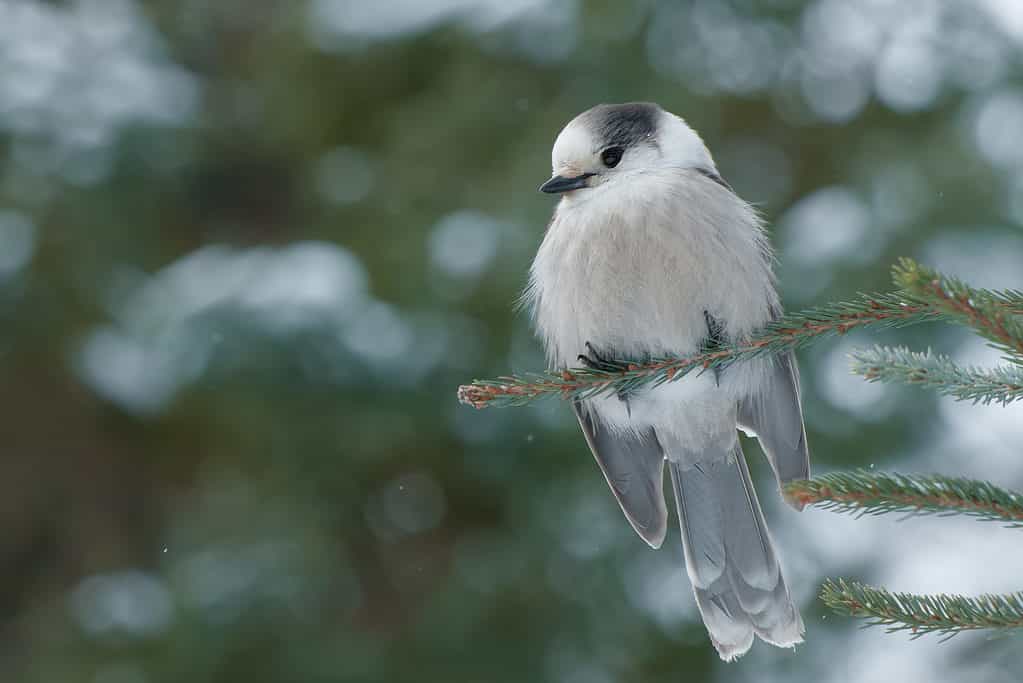
Gray jays are the national bird of Canada.
©Paul Reeves Photography/Shutterstock.com
Fluffy, friendly-looking Canada jays frequent forest edges and rest areas, making them common and easy to spot around the rim promenade, especially during summer. These birds hide their food and thrive in cold, high-elevation forests, making them emblematic of Cascades life zones. If one lands nearby, it’s scouting for crumbs; try your best to resist the urge to feed.
American Dipper
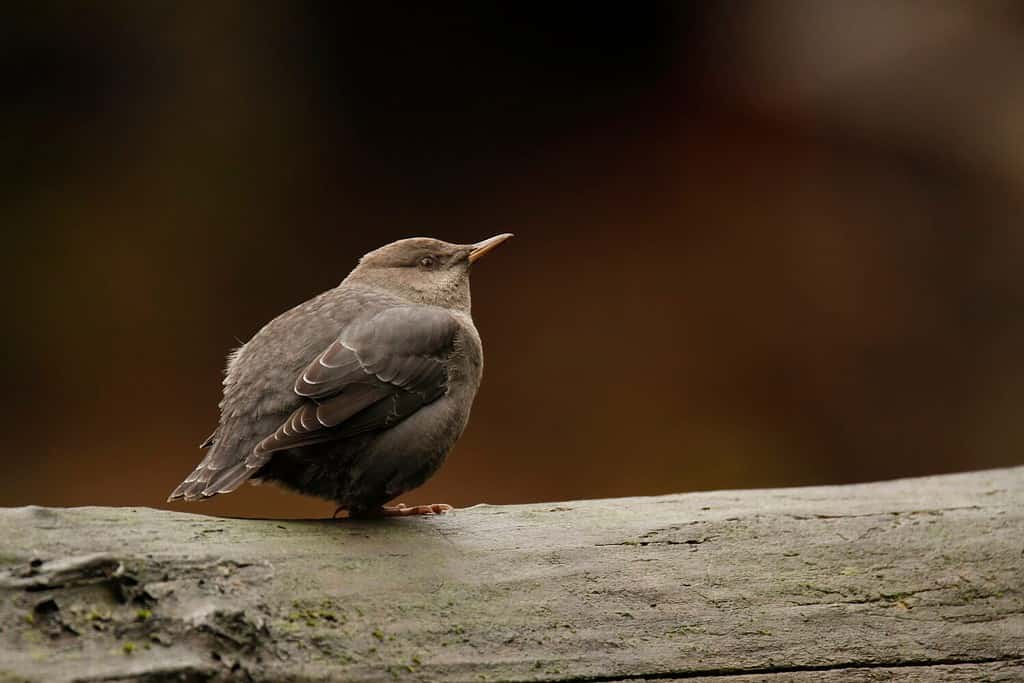
These understated birds can be a joy to witness during your time in the park.
©ShayneKayePhoto/Shutterstock.com
Look for this river bird along fast streams, below the rim, and at outlets where water tumbles over rock. Dippers aren’t numerous or flashy, but patient observers near moving water often spot them bobbing and diving. They forage underwater for aquatic invertebrates, hence their name. Watching them hunt can be a fascinating process.
Mazama (Crater Lake) Newt
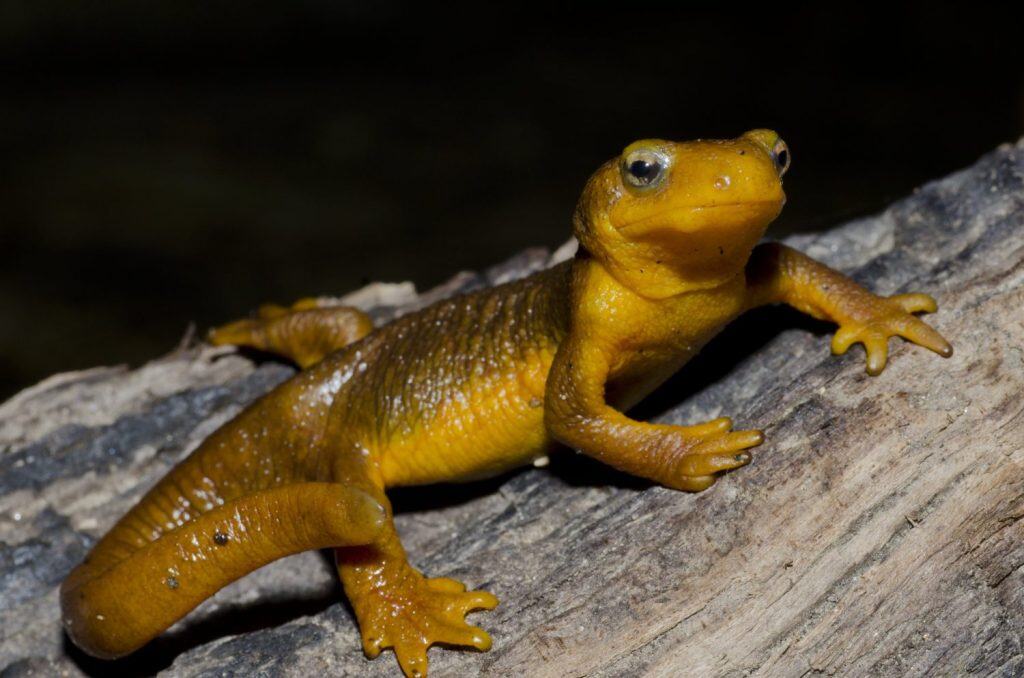
Crater Lake newts may become a federally protected species.
©Jason Mintzer/Shutterstock.com
This dark-bellied subspecies of rough-skinned newt is endemic to Crater Lake, living along rocky shorelines and around Wizard Island. Population numbers have declined sharply in recent years due to invasive crayfish and fish predation, making sightings increasingly rare. In fact, the Mazama newt is under review for federal protection, and regional partners have launched emergency conservation steps. If you’re near the lake’s edge, step carefully, as these small, unique amphibians rely on clean shoreline habitats.
Pacific Treefrog and Long-Toed Salamander
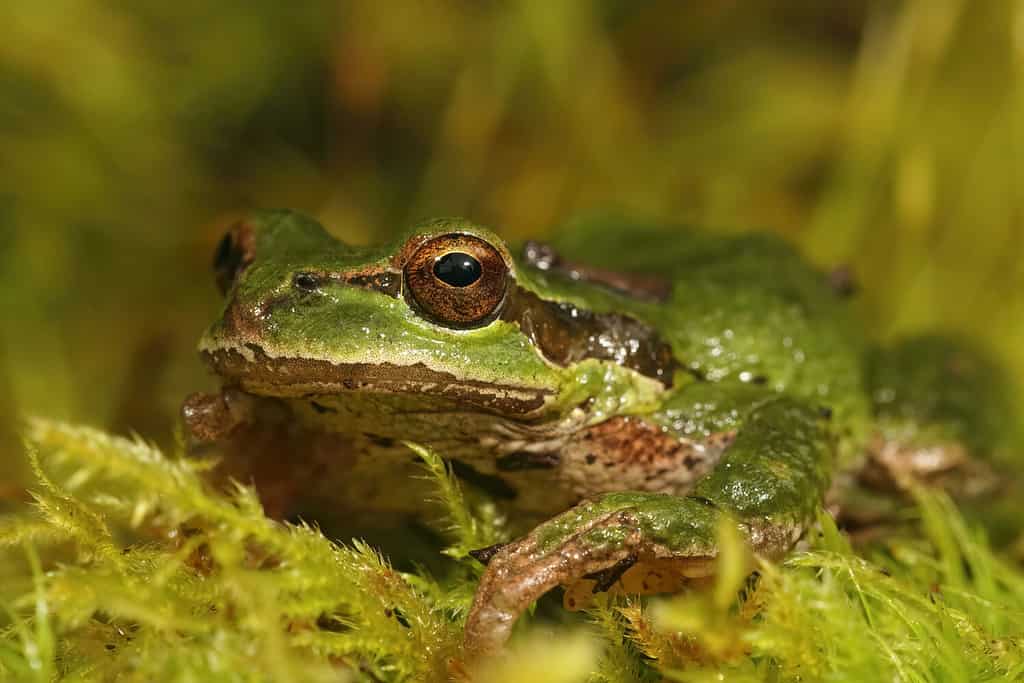
You’ll hear the Pacific treefrog in summertime in the park.
©Oakland Images/Shutterstock.com
Ponds, wet meadows, and quiet streams host small amphibians like the Pacific treefrog and long-toed salamander. They’re locally common in spring and early summer, though their secretive habits mean you’re more likely to hear than see individuals. Amphibians transfer nutrients between aquatic and terrestrial food webs and serve as prey for snakes, birds, and many mammals. Scan shallow, sun-warmed pools for egg masses and tiny tadpoles, and know you’re witnessing one of the few amphibious species in this national park.
Common Garter Snake

You have nothing to fear should you spot a garter snake.
©bobloblaw/iStock via Getty Images
The park’s best-known reptile is the common garter snake, found along the lakeshore, Wizard Island, and within meadows. It’s uncommon to see them on cool days, but they can become more visible on warm afternoons, basking and soaking up rays. Garter snakes help control amphibian and invertebrate populations and, in rare cases at Crater Lake, exhibit melanistic (very dark) coloration as noted in historical records. If you encounter one, give it space and don’t be afraid; it will slip away quickly and isn’t venomous.
Kokanee Salmon
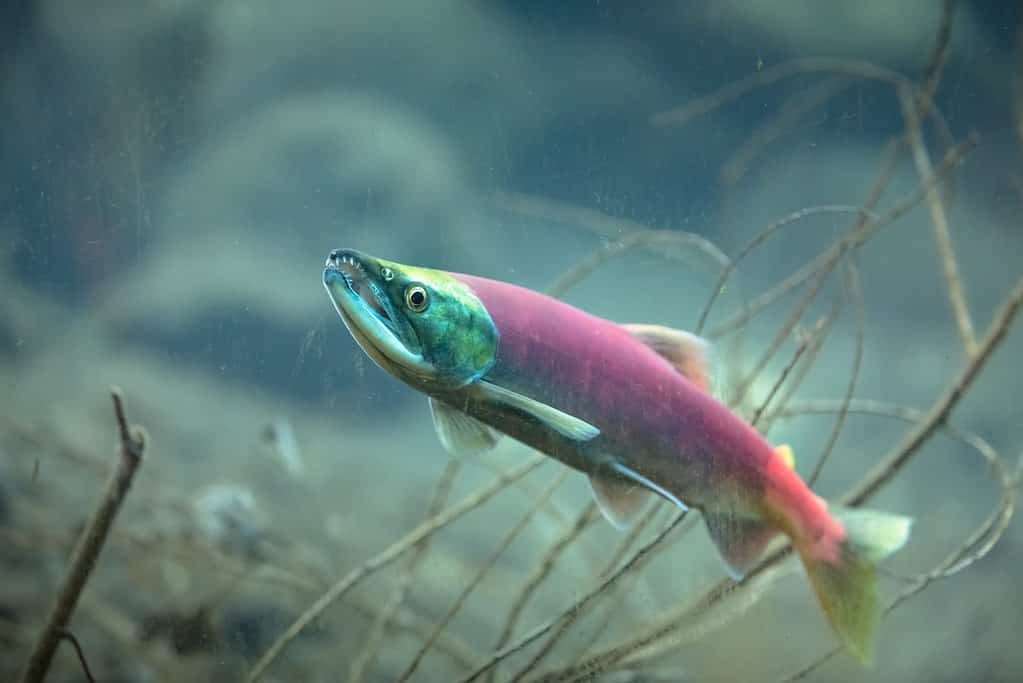
Kokanee salmon were introduced to Crater Lake decades ago.
©topseller/Shutterstock.com
Crater Lake’s kokanee are actually landlocked sockeye introduced to the park between 1888 and 1941. Today, it’s estimated that tens of thousands persist in the deep, ultra-clear water, but are not likely to be seen from rim viewpoints. However, anglers and boaters encounter them seasonally. Kokanee feed on zooplankton and help support a limited aquatic food web that includes trout and diving birds. Their presence reflects the lake’s unusual, human-altered ecology, as no fish species are technically native here.
Rainbow Trout
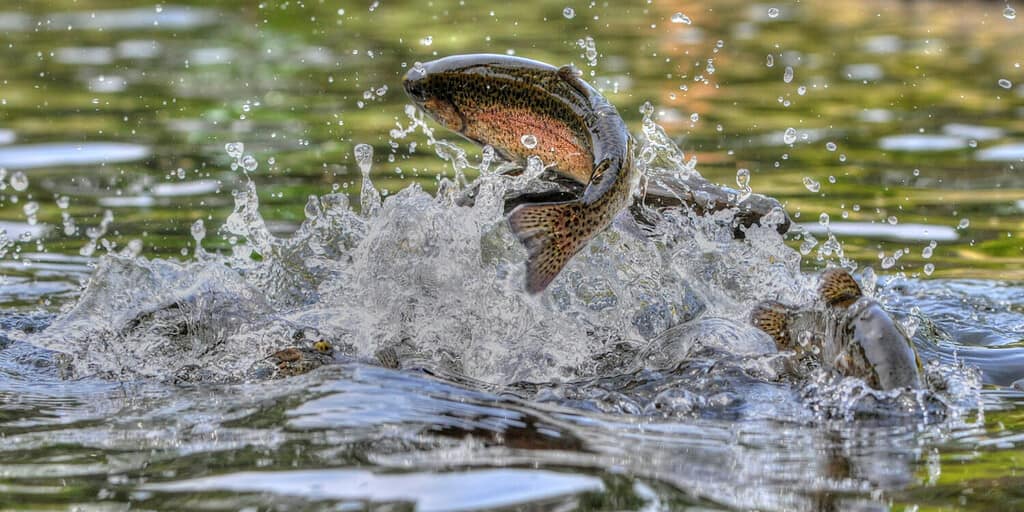
You can fish for rainbow trout in Crater Lake during certain seasons and with certain permits.
©Paul Winterman/Shutterstock.com
Introduced rainbow trout survive alongside kokanee, generally at lower densities but often reaching larger sizes. They’re rarely visible from above, but you may catch them disturbing the surface of the water as they feed on aquatic insects. The park encourages responsible, low-impact fishing where seasonally permitted, and these rainbow trout make for an impressive catch.