
With so much news about different turtle species becoming endangered, any good news is always welcome. Thanks to social media, we can see these amazing stories! One of these comes from the Instagram account @kansaswildlifeexhibit. After discovering some baby snapping turtles, the group uploaded photos and shared information about them. Read here to learn more about baby snapping turtles.

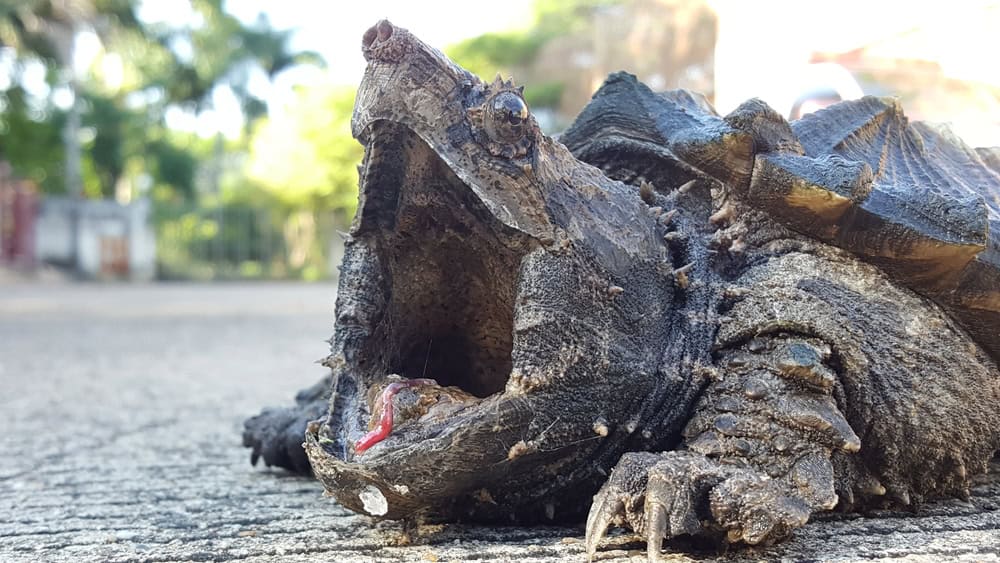
The common snapping turtle is native to North America.
©Chuck Homler / FocusOnWildlife.Me / CC BY-SA 4.0 – Original / License
About Baby Snapping Turtles
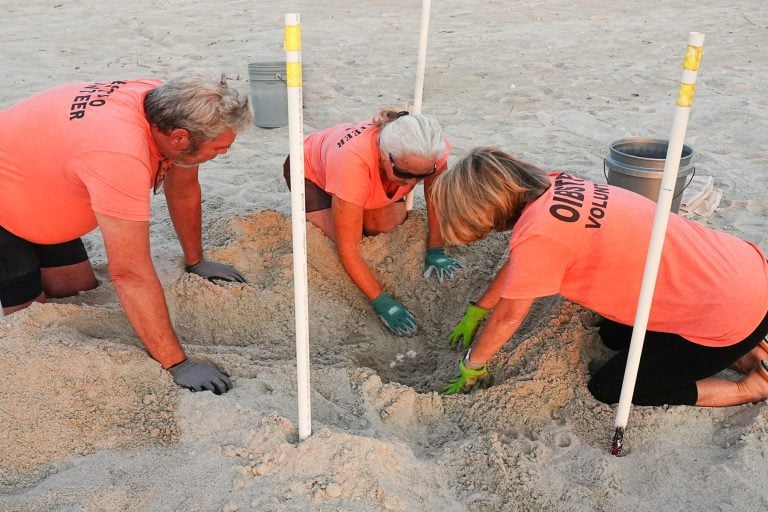
Snapping turtles typically lay their eggs in a nest underground. Females will dig holes in soft soils, in sand, or near wetlands. After depositing her clutch into the hole, she covers it and leaves the eggs to incubate. After hatching, the babies will dig their way out and move instinctively to the water. When all of this occurs depends on the climate. For incubation, it is important that the temperature is on the warmer side. In most of the United States, common snapping turtle eggs typically hatch between August and October. However, in some cases, especially in cooler regions, hatchlings may overwinter in the nest and emerge the following spring. Based on the turtle in the post above, the hatchlings could be anywhere from a few days to a few weeks old.
Growing Up
The common snapping turtle is native to North America and is one of the most widespread snapping turtle species. They range from the East Coast to the central U.S., inhabiting different freshwater bodies like ponds, rivers, and lakes. Although they are extremely small after hatching—only a few inches long—they grow to be around a foot in length. They can weigh anywhere from 10 to 35 pounds. To grow up healthy, they eat a varied omnivorous diet that includes dead animals, invertebrates, fish, and plants. Growing up as a common snapping turtle is not easy, as they are extremely vulnerable. Without a parent around, they are easily preyed upon by raccoons, foxes, large fish, birds, and snakes. Because of the amount of danger they are in right after emerging, most do not make it to adulthood. However, thanks to their strong shells and powerful bites, most adults rarely fall prey to predators and typically die of old age.