
Quick Take
- One animal likely survived a catastrophic natural disaster not by fleeing on instinct, but by sensing it through a body part you'd never expect. How elephants sensed the tsunami →
- A familiar pet feature you've seen your whole life is actually a precision sensory instrument that rivals high-tech equipment. Inside the whisker's precision →
- One creature essentially sees in infrared, and the mechanism behind this ability is stranger than any night-vision gadget engineers have built. How pit vipers see heat →
- Some predators don't need eyes, ears, or smell to lock onto prey. They use a sense humans don't even have a frame of reference for. Hunting without eyes or nose →
We may take pride in our senses, but in reality, they often fall far short of those of other animals. Indeed, some animal sensory abilities seem almost supernatural. Whether it’s cats that can sense touch through their whiskers or elephants capable of detecting seismic activity through their feet, some animals have senses that are truly extraordinary.
Nature provides animals with all kinds of tools for survival. Vibrations, water pressure, micro-textures, even thermal radiation can all provide cues about the environment and how best to thrive in it. Some creatures have developed incredible senses that are exceptionally nuanced.
Elephant Feet
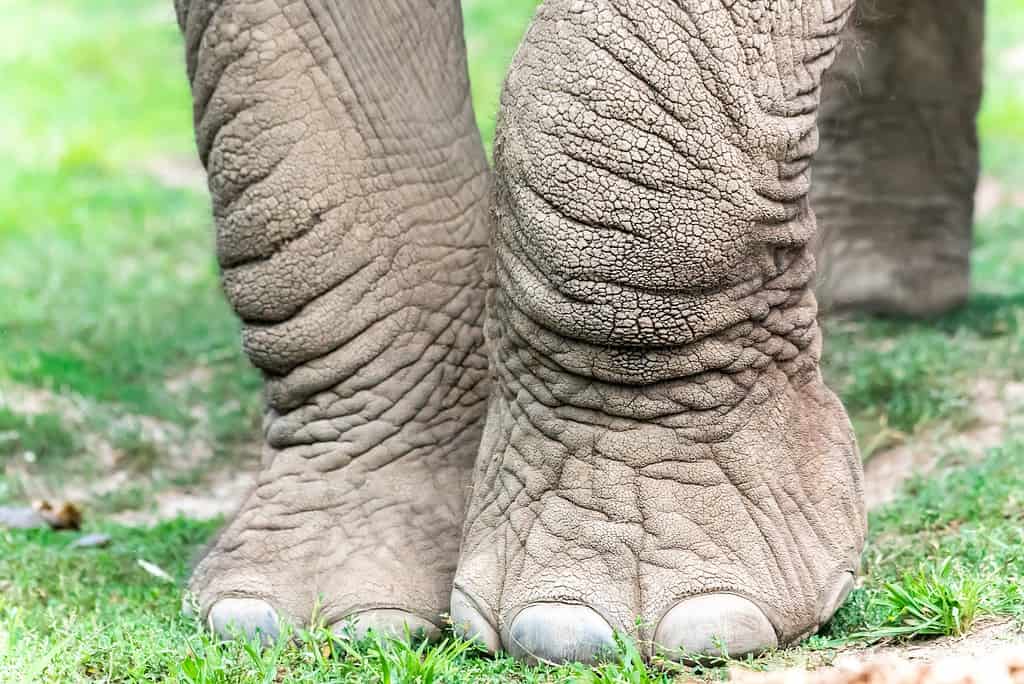
Elephants can detect seismic vibrations with their heel pads.
©The Speedy Butterfly/Shutterstock.com
A lot of attention is given to elephants’ ears and trunk, but they actually have incredibly sensitive feet. Using specialized mechanoreceptors in the fatty heel pads, elephants can detect infrasound. Their feet then send signals to their brain to determine the source and orientation of the sounds. This sense helps elephants track herds and engage in a primitive form of long-distance communication.
In fact, it has been theorized that many elephants survived the 2004 Indian Ocean earthquake and tsunami due to their advanced detection. They likely detected the seismic vibrations of the incoming tsunami waves and fled to safety.
Pit Viper Thermal Imaging
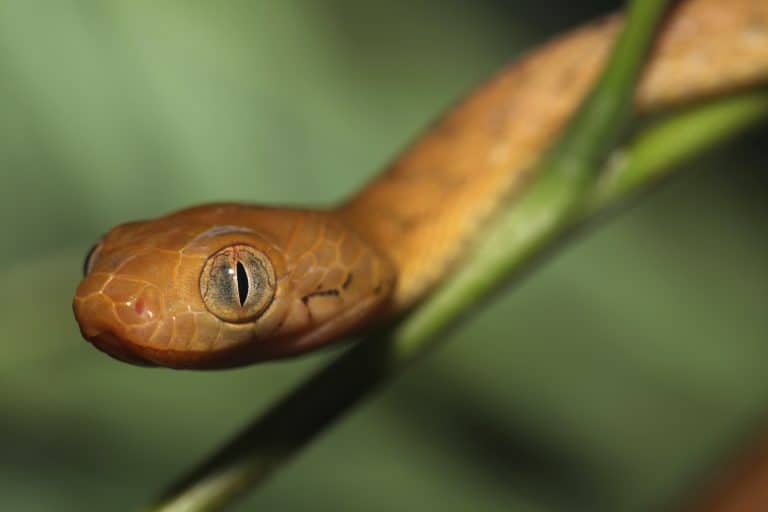
Pit vipers have a highly vascularized membrane between their eyes and nostrils called a loreal pit. These organs detect thermal radiation.
This detection triggers signals in the pit viper’s nerve endings and sends them to the brain. From there, their brains can overlay a thermal imaging map onto their visual field. This creates a dual visual-infrared image of their environment, which helps them detect warm-blooded prey.
Star-Nosed Mole
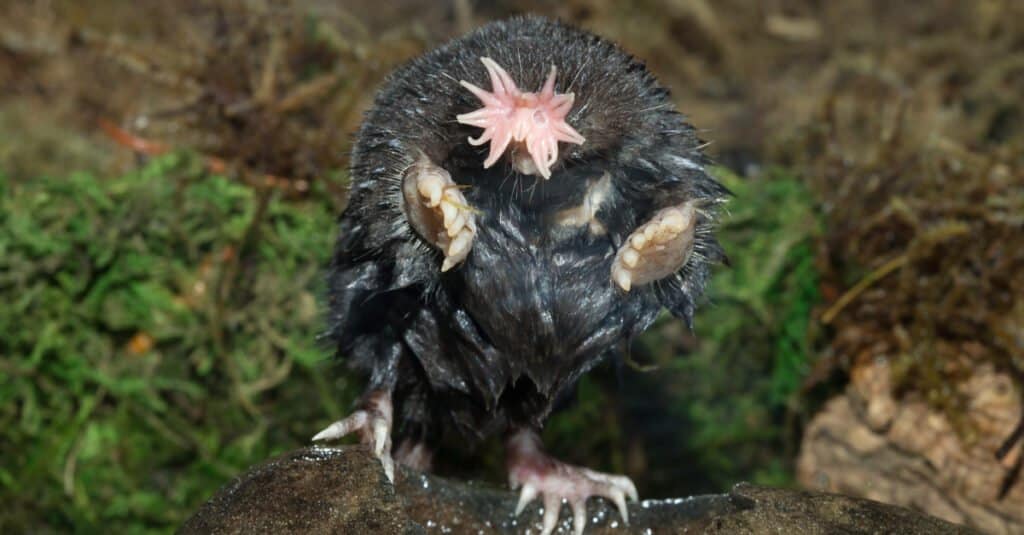
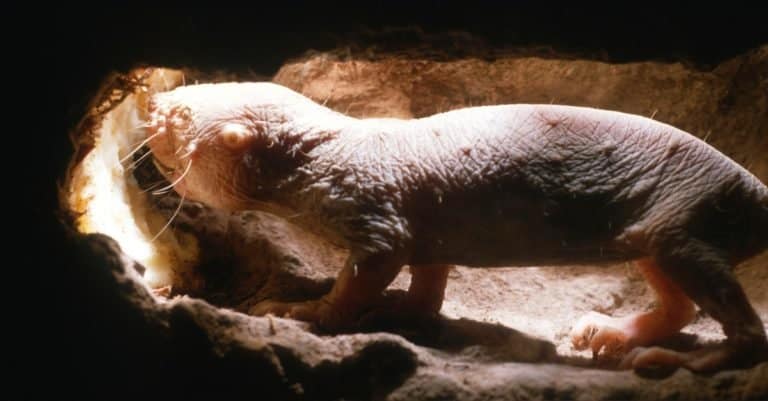
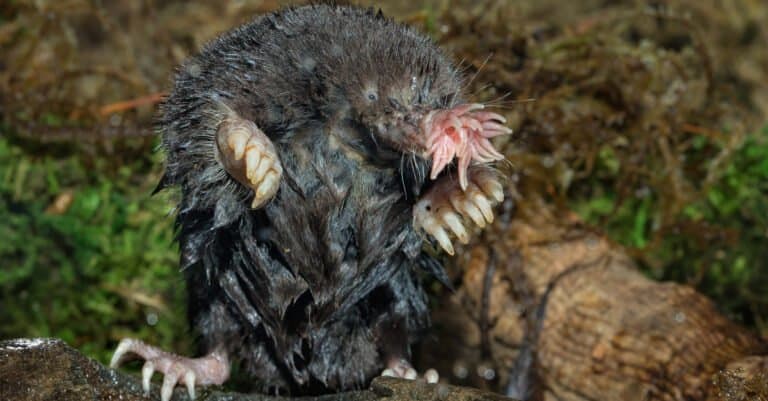
The star-nosed mole uses their highly-attuned noses to find and consume prey in milliseconds.
©Agnieszka Bacal/Shutterstock.com
Data suggests that when humans lose one sense, the others make up for it. This also occurs in the animal kingdom through evolution. Such is the case with the star-nosed mole. These creatures are semi-aquatic and functionally blind. Eyesight, however, isn’t necessary, due to their magical nose that feature 22 pink appendages around the snout, covered in thousands of tactile receptors called Eimer’s organs.
These organs allow star-nosed moles to practically see without eyes. They process their subterranean burrow surroundings almost instantly. Their nerve fibers allow them to sense prey and consume it in as little as 120 milliseconds.
Crocodile Facial Receptors
Another creature that doesn’t need eyesight to find prey — and is far more dangerous — is the crocodile. These ancient reptiles have a series of small bumps across their jaws and body scales. These bumps, filled with mechanoreceptors, can detect the slightest change in pressure and wave movement.
These Integumentary Sensory Organs (ISOs) instantly track the slightest ripple on water surfaces. A simple splash is all a crocodile needs to locate and strike at prey in total darkness, no eyesight required.
Cat Whiskers
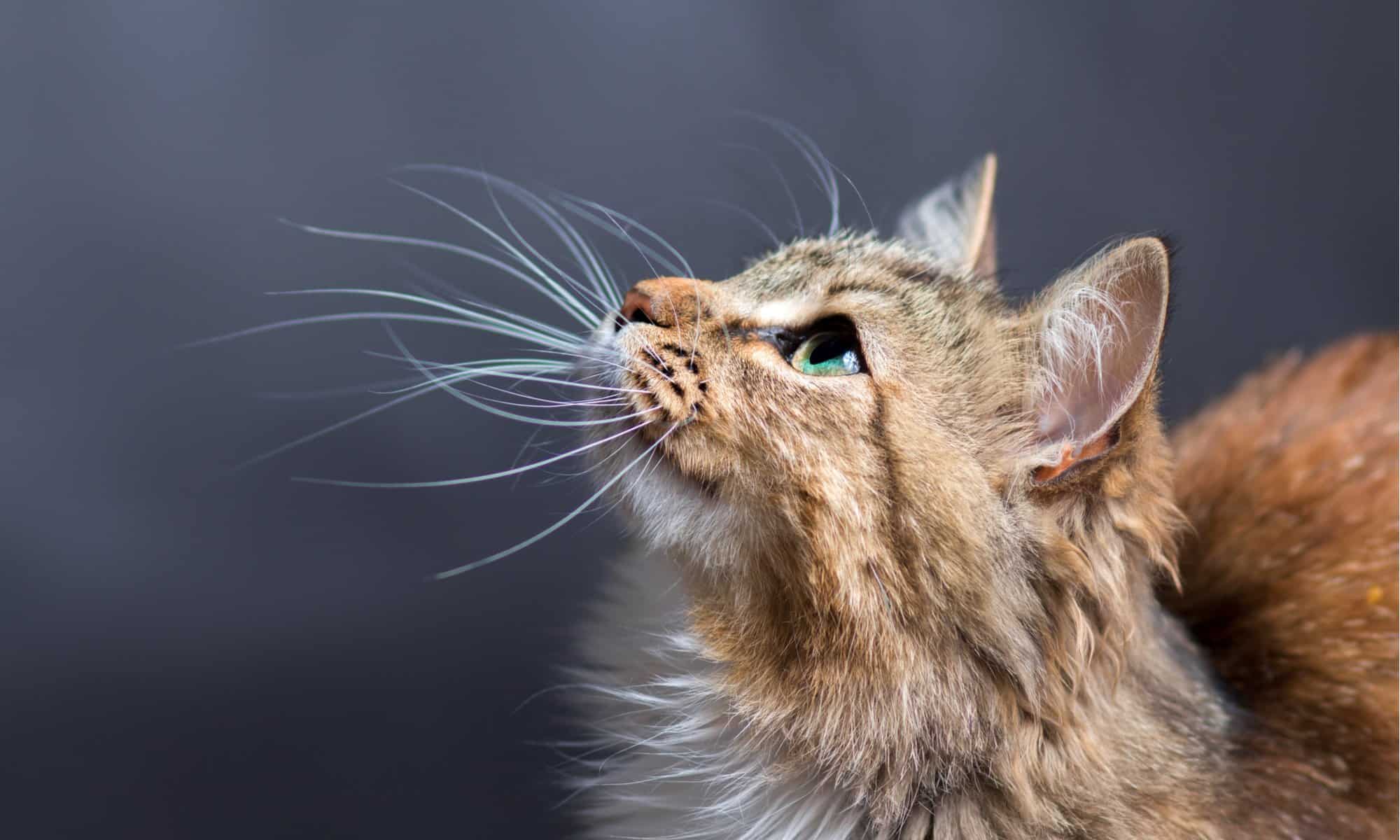
Imagine if your face could detect the slightest movement and spatial layout of an environment. That is basically what cats are capable of thanks to their whiskers. Each whisker sits inside a blood-filled follicle packed with nerve endings.
Whiskers detect the slightest change in an object or even in the air. The movement displaces fluid in the cat’s follicle sinus, sending sensory perceptions directly to their somatosensory cortex. This allows cats to detect prey with incredible skill and speed. It also helps them navigate uncertain environments.
Seal Vibrissae
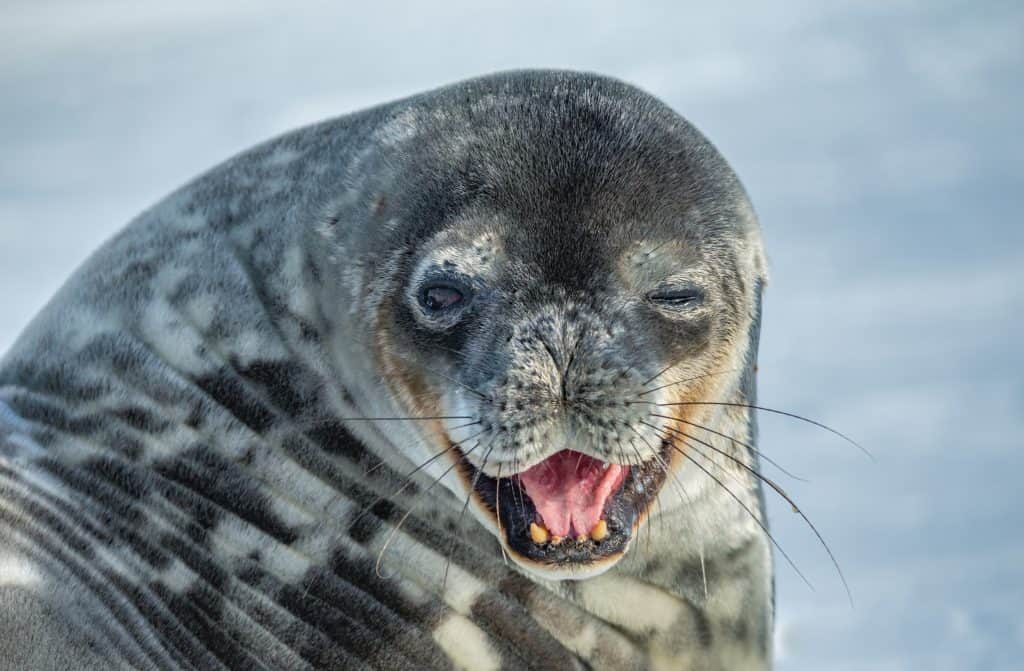
Like cats, seals use their whiskers to detect subtle movements in the water.
©juan68/Shutterstock.com
Seals seem like ocean dogs, but they have sensory organs very similar to cats. Indeed, most seal species have wavy-edged whiskers connected to nerve networks in their sinuses. They use their whiskers to track the wakes fish create in water.
The unique whisker shape also helps prevent detection of their own vibrations as the seals swim through the water. That way, they don’t get any false readings from their own movements while they track the vibrational trails of their next meal.
Spider Hairs
Spiders have a type of whisker-like hair, too. Flexible hairs join with microscopic stress detectors on their leg joints. The hairs, called trichobothria, sway with changing air. This allows spiders to map web vibrations, detect airflow changes, and target prey without visual assistance.
Platypus Bill
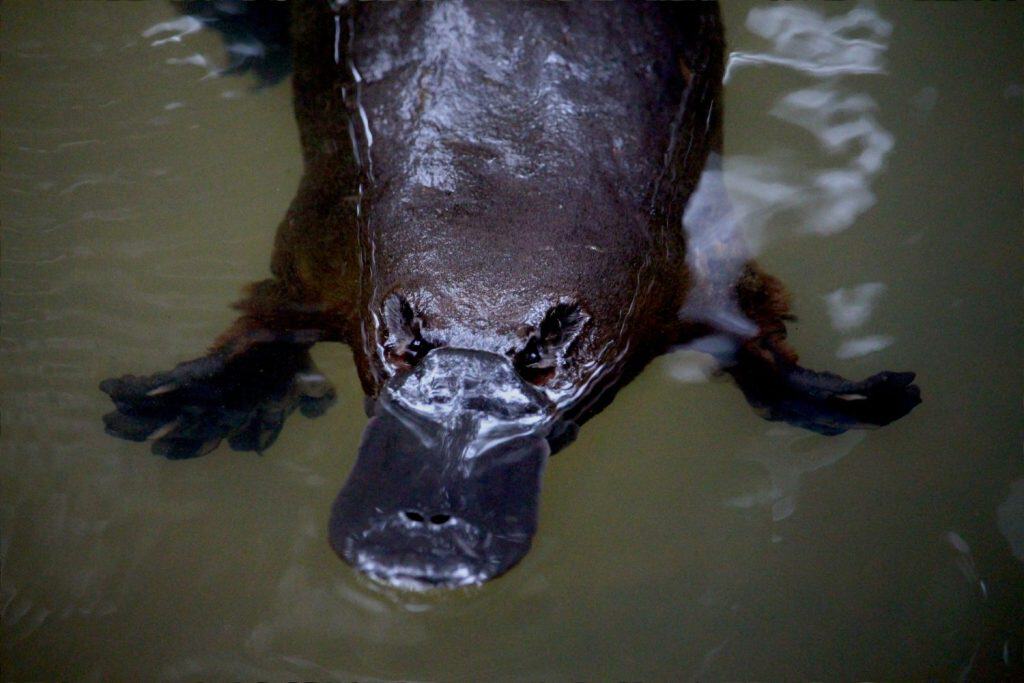
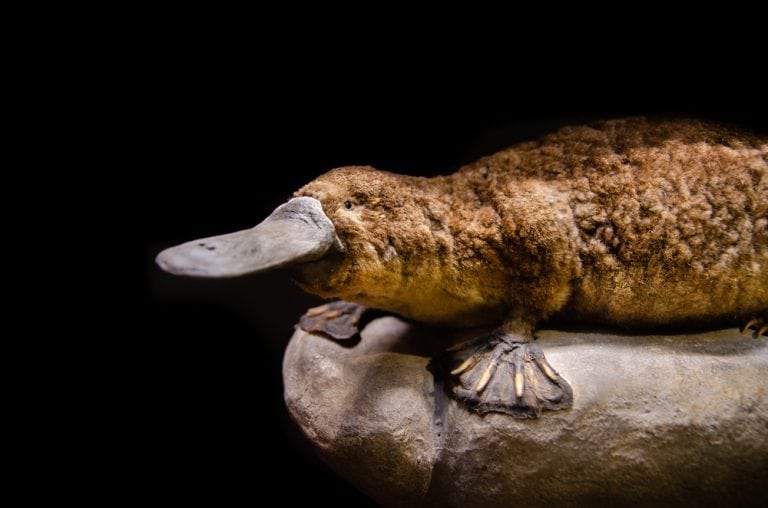
A platypus’s bill is filled with tens of thousands of electro- and mechanoreceptors.
©bluesmoke/Shutterstock.com
The platypus is one of the strangest creatures on Earth. It is semiaquatic and lays eggs yet is a mammal. The unique animal also has a highly attuned sensory organ: its bill. Platypus bills are lined with around 40,000 electroreceptors interlocked with thousands more mechanoreceptors.
A platypus can detect both the subtle electrical pulse generated by the prey’s muscle movements and the pressure generated in the water. This allows a platypus to find and consume a prey animal without any visual or olfactory help.