
Quick Take
- This mammal can smell underwater, achieving the feat through a method that defies how noses are supposed to work. How it smells underwater →
- Those 22 tentacles on its face aren't for what you'd expect, and their real job is even stranger. What those tentacles really do →
- It's essentially blind, yet hunts with precision that sharp-eyed predators can't match. What makes this possible comes down to a specific trade-off. Blind but precision hunter →
- Its nose may look chaotic, but scientists found it's one of the most precisely engineered sensory tools on the planet. Inside its sensory engineering →
Earth is home to many different mole species, each with their own unique traits and adaptations. However, one mole species is the most unusual by far. The star-nosed mole gets its name for a pretty apparent reason: its star-shaped nose. This Instagram reel by @animalanomalyarchives shows some videos of these amazing animals.
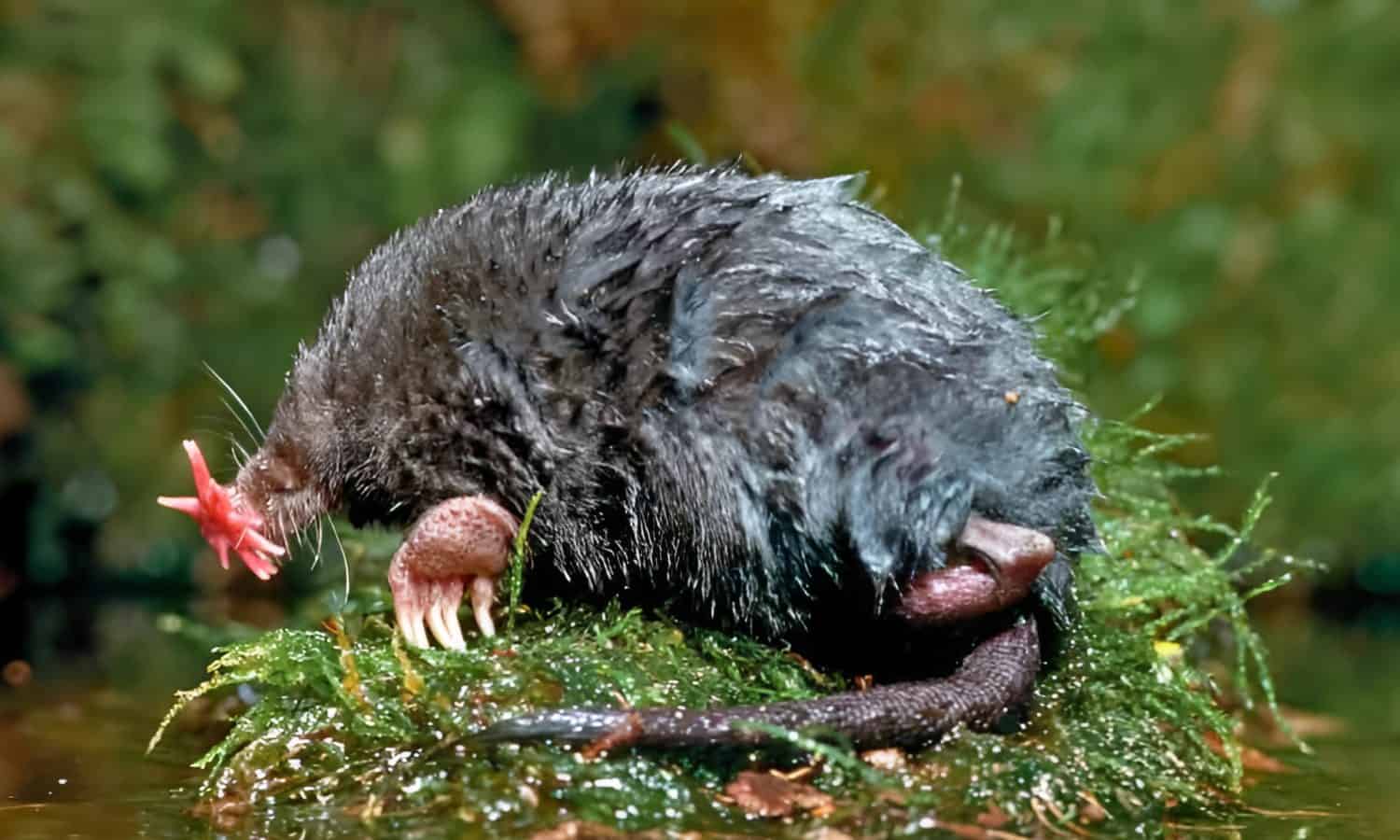
The star-nosed mole has about 25,000 nerve receptors on its nose, making it extremely sensitive.
©Harsha_Madusanka/Shutterstock.com
About the Star-Nosed Mole
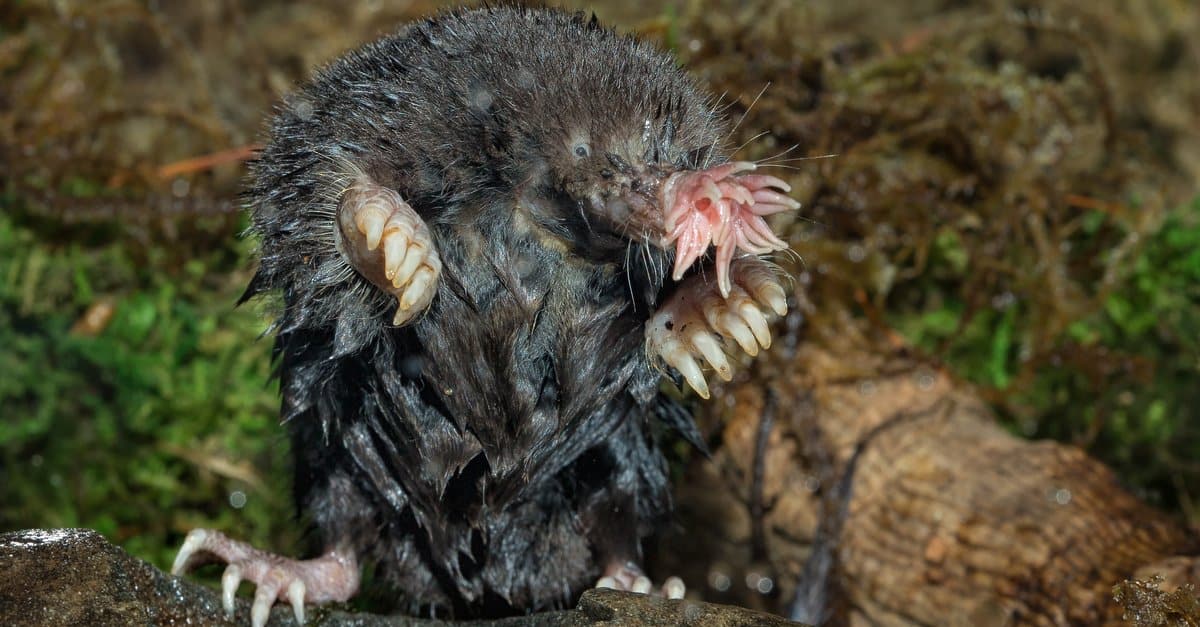
The star-nosed mole is definitely a contender for being one of the strangest-looking mammals on Earth. While its body is covered in dense black fur, its snout is bright pink with octopus tentacle-like sensory organs stemming off it. These moles are semi-aquatic creatures found in wet, marshy regions in northeastern North America, including both the United States and Canada. Growing to about half a foot long, these small animals are amazing swimmers that mostly hunt underwater. Their diet includes earthworms, aquatic insects, crustaceans, mollusks, and small fish. Like many moles, the star-nosed mole also has very limited eyesight, meaning it relies greatly on its sense of touch. One amazing fact about this species is that it can “smell” underwater. They blow bubbles onto objects and re-inhale the bubbles to bring the scent to their nose. This allows them to locate prey even in muddy waters.
Because they rely heavily on their sense of smell, their noses are among the most sensitive on the planet. The star-shaped appendage has 22 fleshy tentacles, which it uses for touch. Each tentacle is covered in specialized structures known as Eimer’s organs. These structures allow the moles to feel around their natural environment as they navigate. Their touch is far more sensitive than even a human hand. In addition to sniffing out their surroundings, they also use their noses to identify other moles, find mates, and even detect predators. Remarkably, their heightened senses of touch and smell allow them to thrive even with diminished vision.