
Quick Take
- Urban raccoons have snouts about 3.56% shorter than rural raccoons, supporting domestication syndrome.
- Raccoons in warmer climates show shorter snouts in both urban and rural settings.
- Researchers used iNaturalist images of 38 rural and 211 urban raccoons to measure snout length relative to skull.
Whether you love or hate the trash pandas that raid your garbage, raccoons are a fact of life for many urban and country dwellers in the United States. These resourceful scavengers have figured out that wherever they find humans, there are also plentiful supplies of food. We know that this has led to the phenomenon of the urban raccoon, but are things going a step further? Are raccoons becoming domesticated, and is their appearance changing as a result? A new study suggests that urban raccoons are showing early signs associated with domestication, so let’s examine what the researchers studied and what they found.
About the Raccoon
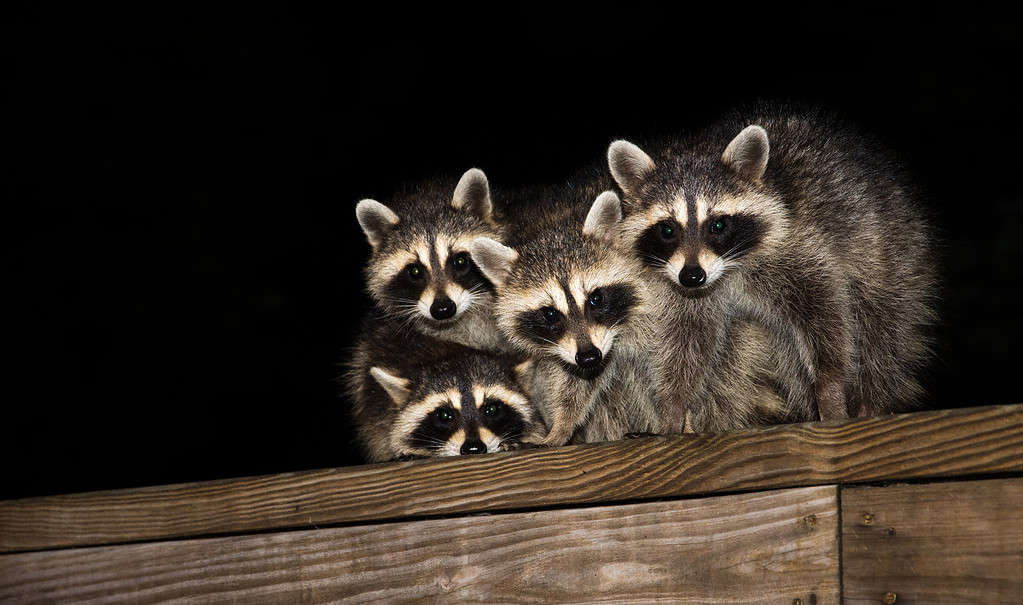
Raccoons are adaptable and intelligent.
©EEI_Tony/iStock via Getty Images
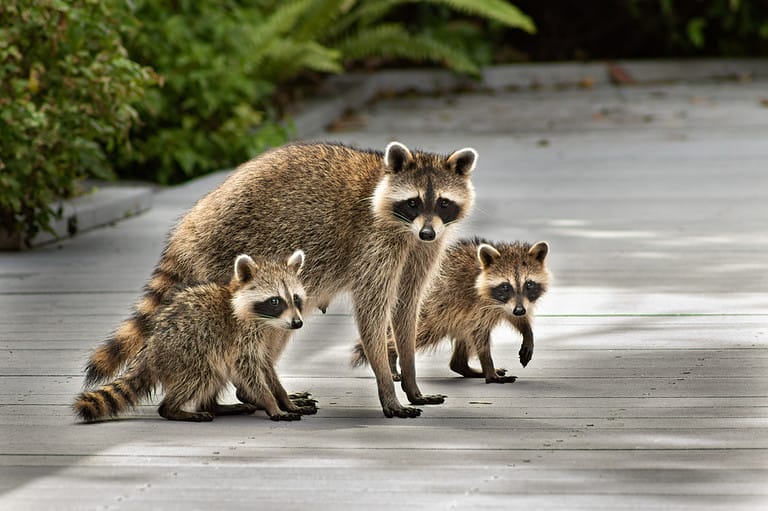
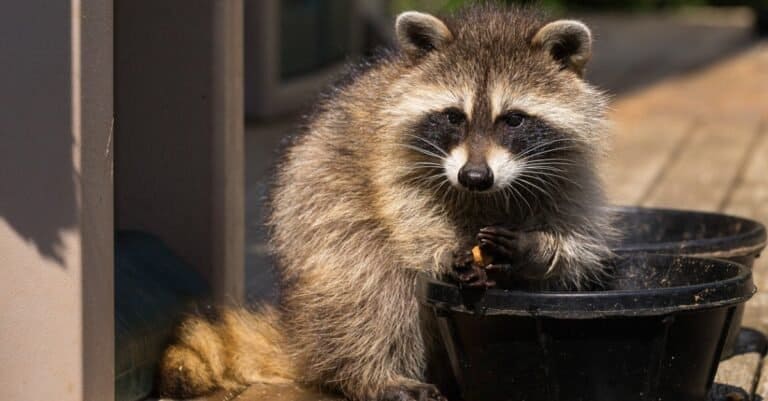
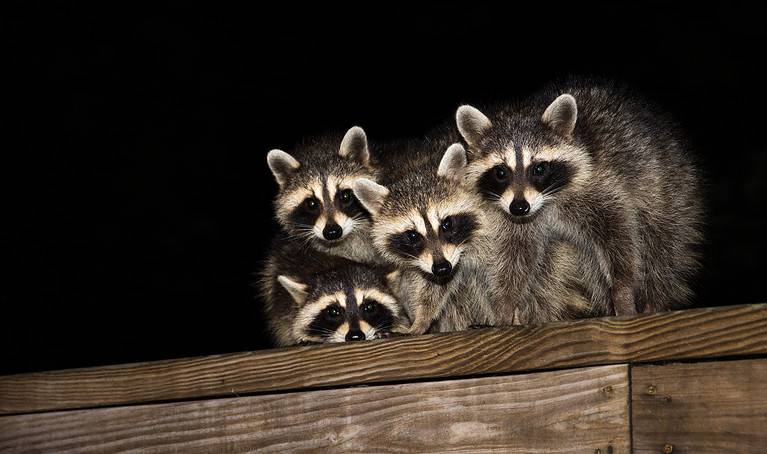
Raccoons (Procyon lotor) are a medium-sized mammal that weighs an average of 13 pounds and is anywhere from 23 to 37 inches long. You can’t miss them thanks to the characteristic black mask across their eyes and their bushy tail with black rings. These guys are found across southern Canada and throughout most of the United States. Their range also extends into South America.
The key to their success is their superb adaptability when it comes to habitat. They need to live close to water, but provided that requirement is met, they will happily reside in woodlands, grasslands, and, of course, suburban and urban areas. They will build dens in deserted and occupied buildings, mines, garages, and rain sewers.
Adaptable City Dwellers
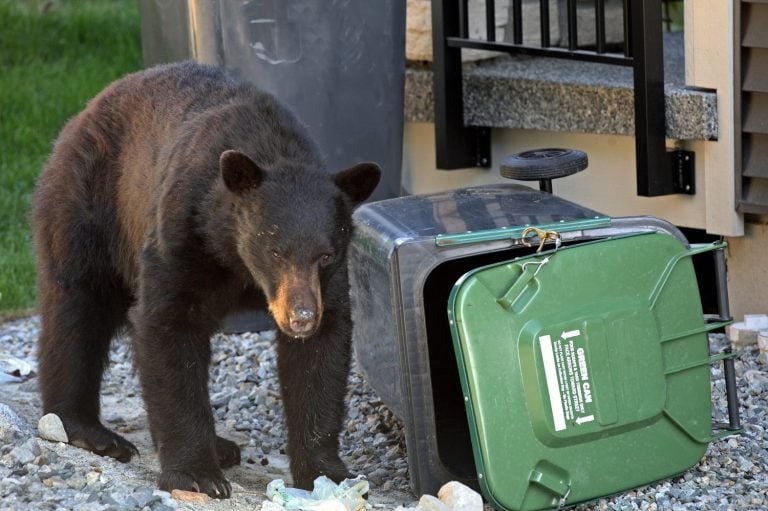
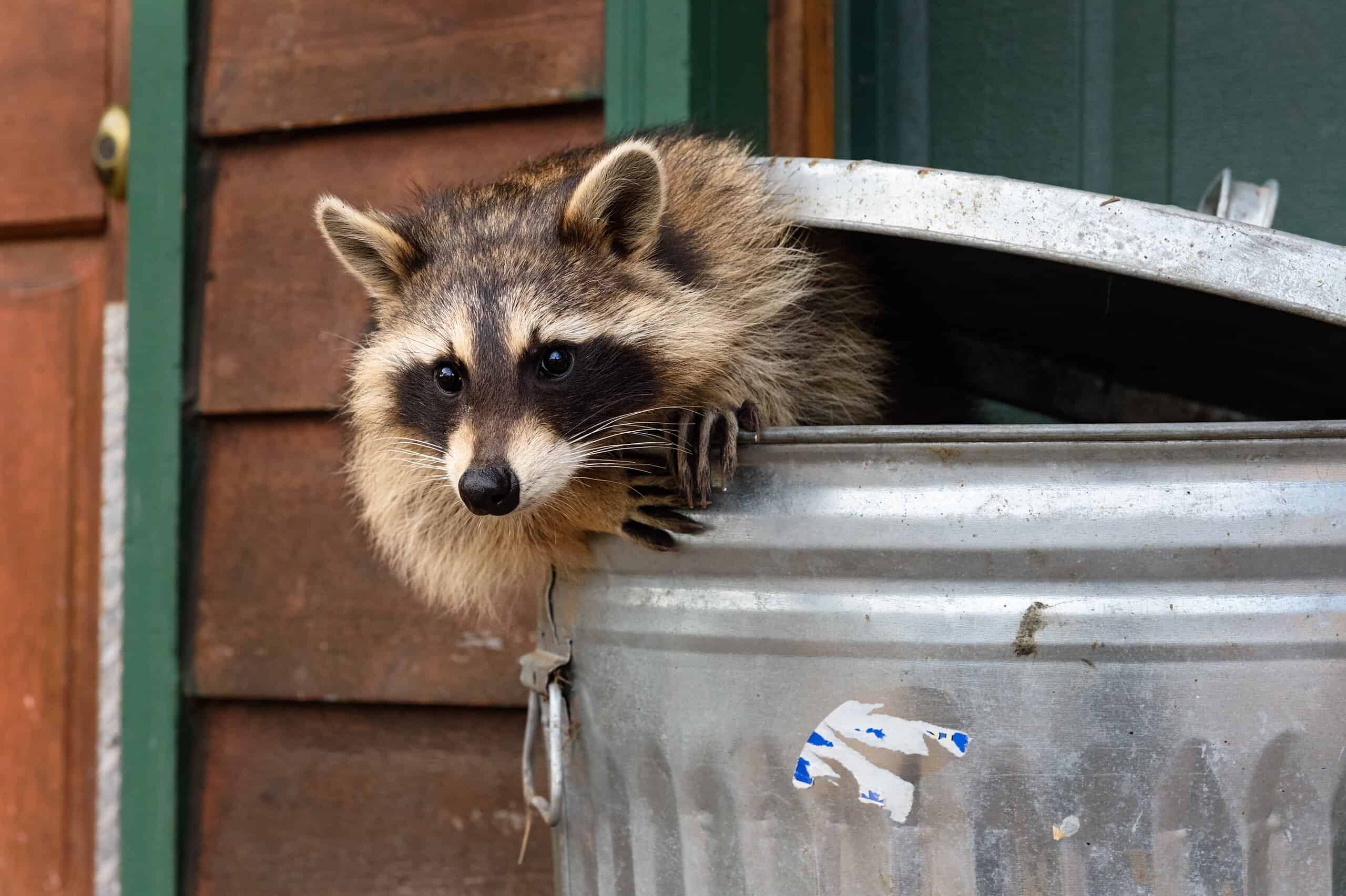
Even though they are crepuscular (active at dawn and dusk) and nocturnal creatures, it is not unusual to see them out during the day around human buildings, looking for food. Part of their adaptability is not being too fussy about what they eat! They are described as opportunistic omnivores. So, while their natural diet would be made up of nuts, fruits, invertebrates, and vertebrates, depending on what is most plentiful, the urban raccoon is more interested in your trash. The food that we throw away (or leave lying around) is calorie-laden, relatively easy to get hold of (they can open trash cans), and highly attractive to raccoons.
What’s more, cities are a safe place for raccoons to hang out. Normally, they would be hunted by coyotes, wolves, large hawks, and owls. None of these are found in large numbers in our urban areas.
Raccoons as Pets
Raccoons may have adapted to city life and tolerate humans being around them, but that does not mean that they currently make great pets. Most animal experts advise against keeping a raccoon as a pet. As of 2025, it is illegal to own a raccoon as a pet in most U.S. states, with only about 16 states permitting it under specific regulations. There are also very few people who can provide them with the enriching environment and diet that they need.
Raccoons will bond with humans, and many raised in captivity have done so. They can also be cuddly and playful, but that is far from the whole story. Raccoons are unpredictable and are generally quick to bite. Bites can be directed towards you or animals in the home, which they are likely to perceive as a threat or as prey. On the whole, they hate to be confined in small spaces and are very good at breaking out! If this is not enough to put you off, they also go through a period of heavy shedding!
Reexamining Domestication

Pet dogs are descended from wolves.
©lazyllama/Shutterstock.com
It is worth re-examining what we mean by domestication because it is often misunderstood. Many people assume it is a human-driven concept where our ancestors chose certain species and imposed artificial selection to mold them into what we want. In fact, it starts when a subpopulation of an animal species adapts to live in a new ecological niche. This has been going on ever since life began on the Earth and is what drives evolution. More recently, new ecological niches have been created by humans.
Wherever humans live, be that a Stone Age campsite or a modern city, there is a supply of food, shelter, and a lack of predators. The only downside is that the animals have to put up with human company! This involves them having to dampen their fight-or-flight responses. It is only after this initial contact that humans get actively involved and selectively breed the animals for a specific purpose. For example, wolves were selectively bred to guard us, hunt with us, and for companionship. They ended up being the domestic dog breeds that we love today.
Domestication Syndrome
All current domestic animals share certain traits, and these have been summarized by scientists under one term, which is ‘domestication syndrome’. The current theory to explain this is based on changes in early embryonic development. Animals that live with humans undergo a passive selection process. Those that are tame and willing to live with humans gain advantages such as increased access to food, making them more successful at breeding. Gradually, the trait of ‘tameness’ is more widely passed down the generations and, as a group, they become more domesticated.
However, the Neural Crest Domestication Syndrome (NCDS) hypothesis suggests that something else happens at the same time. It postulates that when tamer animals are developing in the womb, special cells called neural crest cells alter or reduce the way they arrive at target sites. This results in a lot of ‘reductions’ that we can see. Pigmentation is reduced, resulting in white patches on the animal’s fur. Their brains and teeth are also smaller, and they may develop floppy ears and curly tails. Also, importantly, the bones in their faces are reduced. In raccoons, it is suggested that this results in a shorter snout.
So, scientists set out to determine whether so-called ‘domesticated’ raccoons actually have shorter snouts than their rural counterparts.
Studying Raccoon Snouts
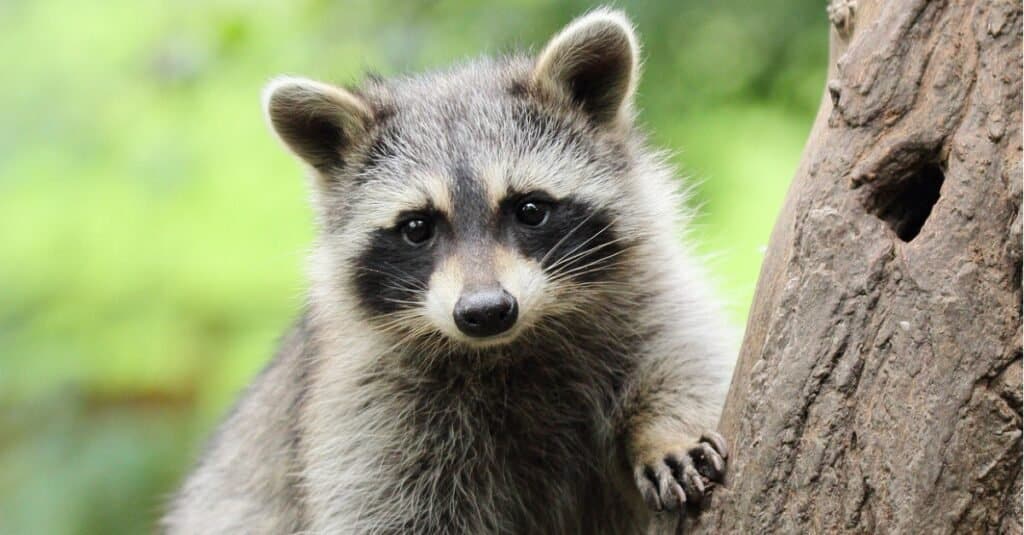
Raccoon snouts were measured from images.
©iStock.com/amadeusamse
In a recent study, images of raccoons were sourced from the iNaturalist website or application. This is a resource where members of the public can contribute pictures of animals. To be included in the study, the picture must have been of a live or recently deceased raccoon with its head entirely visible and oriented in profile view. A total of 16 authors preselected the images, but just one carried out a second round of image confirmation/rejection. Finally, images of 38 rural raccoons and 211 urban raccoons were obtained for analysis.
Their snout lengths were measured in relation to the length of their skull from the most rostral tip of the nose to the tear duct opening. Also, from the most rostral tip of the nose to the lower and upper pinna–skull attachments. Census information was used to assign each raccoon to one of three urban categories or one of six rural categories.
Census information was used to assign each raccoon to one of three urban categories or one of six rural categories. Level one represented the most densely populated areas, while level nine represented the least densely populated. Climate data was also obtained from each area where the raccoons were located.
Study Findings
The study aimed to find out if urban environments led to raccoons having a different appearance associated with the domestication syndrome. The scientists predicted that urban raccoons would have shorter snouts than rural raccoons. Overall, this study found that, on average, urban raccoons had snouts that were 3.56 percent shorter than those of rural raccoons. Interestingly, the data also indicated that both rural and urban raccoons living in warmer climates had shorter snouts.
What Does This Mean?
Overall, the findings of this study support the domestication syndrome hypothesis. The size difference between the rural and urban raccoons is very small. However, as Raffaela Lesch, an assistant professor at the University of Arkansas at Little Rock and lead author for study explained in this article in CNN Science, “That doesn’t sound like a lot, and in a sense, it is not a lot, but if you think about these animals potentially only being at the very early beginning stages of domestication, that is still a fairly clear signal.”
If raccoons really are entering the domestication syndrome, then in several thousand years’ time, they may also develop floppy ears, white patches on their fur, and curly tails! Obviously, we won’t be around to see it, but it is important that we document the start of it.