
Quick Take
- The biggest threat bats face in water isn't drowning, and the real danger will catch you off guard. Discover the real danger →
- Bats normally avoid humans at all costs, so why did this one swim straight toward a person? See why bats approach humans →
- Bats can detect water without ever seeing it, a ability that changes everything about how they swim. Explore echolocation and water →
- For at least one bat species, hitting the water is no accident. It is the whole plan. Meet the aquatic hunting bat →
Bats are some of the most impressive nocturnal animals, flying through the night using echolocation. One of their most fascinating traits is their ability to swim. This Instagram post by @mack2526 shows a bat swimming across a small creek.
While swimming isn’t a normal part of their lifestyle, they can swim if they find themselves in the water.
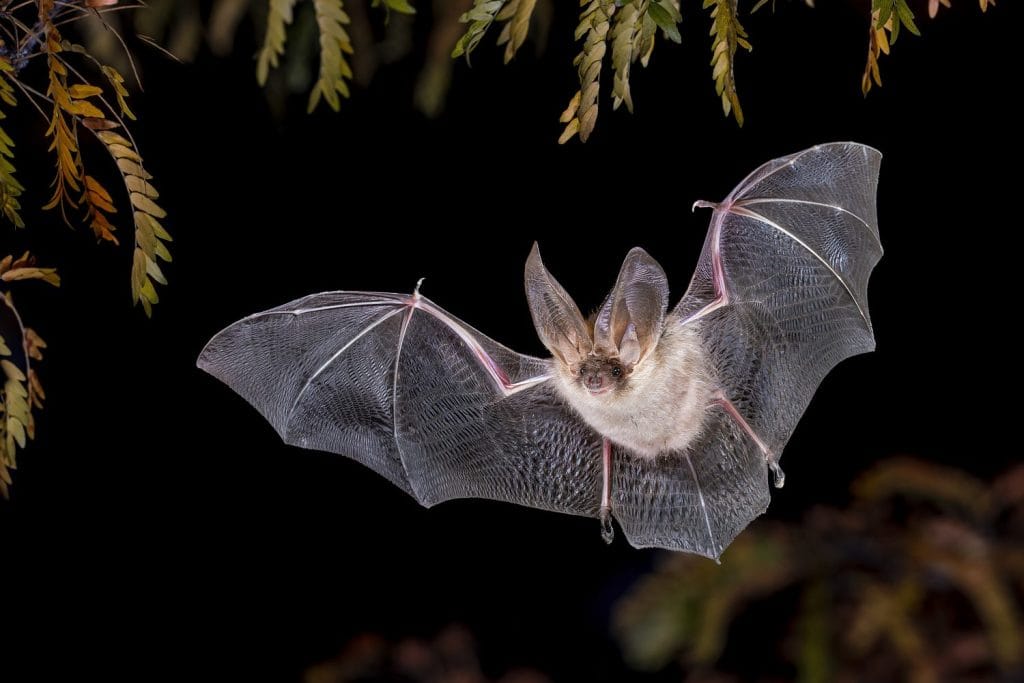
©Rudmer Zwerver/Shutterstock.com
Swimming Bats
Bats spend much of their time in the air, but did you know that they can swim if they need to? Just like all other living creatures, bats need water to live. They drink while in flight, swooping low over bodies of water to scoop up liquid with their tongue or lower jaw. Though they won’t jump into water intentionally, they may accidentally fall into it. Water can be very dangerous for bats for one little known reason. Bats are covered in fur, and if they get wet, this fur can become extremely heavy, making flight difficult. In the video above, the bat swims over to the man for much needed assistance. Since bats are not typically friendly toward humans, this behavior illustrates how desperate circumstances drive them to seek human help.
Some bat species do intentionally go to water, however. For example, the greater bulldog bat hunts aquatic prey like fish. They use echolocation to detect any fish activity near the surface and grab prey with their large feet. Bats are able to swim thanks to their membranous wings, hands, and feet. They use a breaststroke or butterfly-like motion, flapping their wings while paddling with their hands and feet to propel themselves through the water. You can see this in the video above, and they can swim surprisingly fast. Most of the time, bats avoid water through echolocation, which allows them to “see” in the night. Water surfaces reflect sound, meaning that bats know where bodies of water are and can avoid falling into them.