
Quick Take
- A lone wolf traveled hundreds of miles south, and where she stopped reveals exactly what she's searching for. See her journey south →
- Gray wolves didn't come back to California because of a reintroduction program, so what actually brought them back? How wolves returned naturally →
- Before reaching Sequoia, this wolf had already made history somewhere far more unexpected. Her earlier historic milestone →
- Wolves were wiped out of California for a specific reason, and that reason had nothing to do with conservation. Why wolves were wiped out →
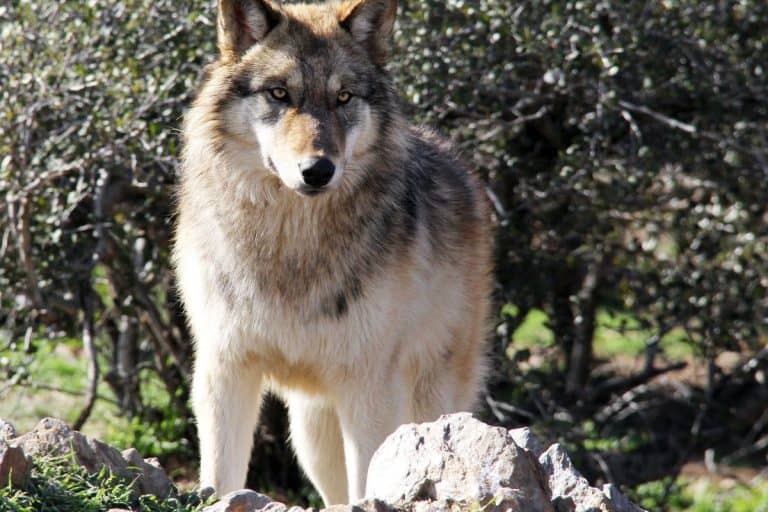
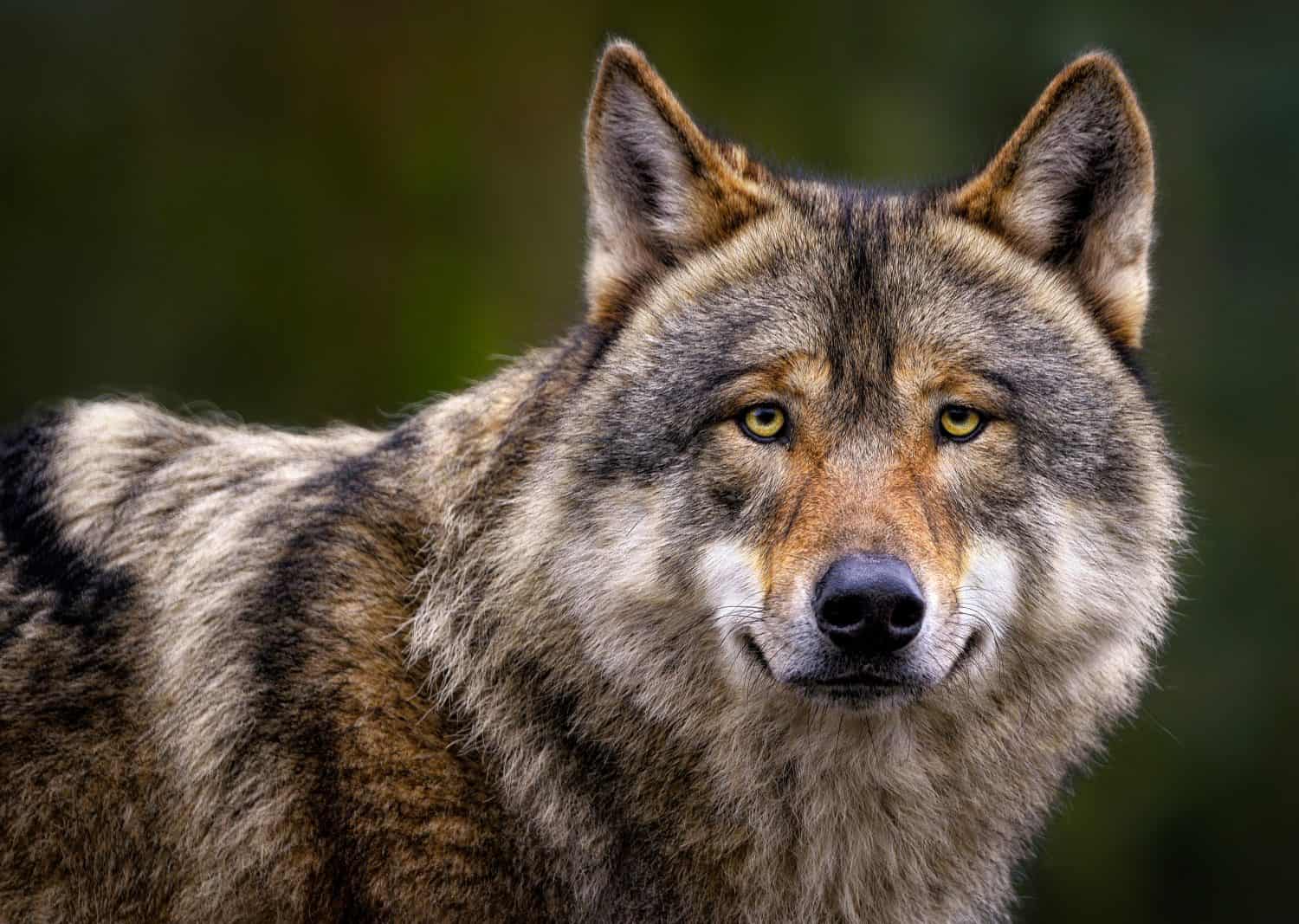
Nature is full of beautiful moments that deserve to be recognized and celebrated, especially when it seems they go against the odds. One example is a recent story of a wolf seen in Sequoia National Park after more than 100 years of absence in the region! In May of 2026, the first wolf was publicly documented in the park in more than a century. This is a major victory for conservationists. This Instagram post by @nationalparknews discusses this incredible story.
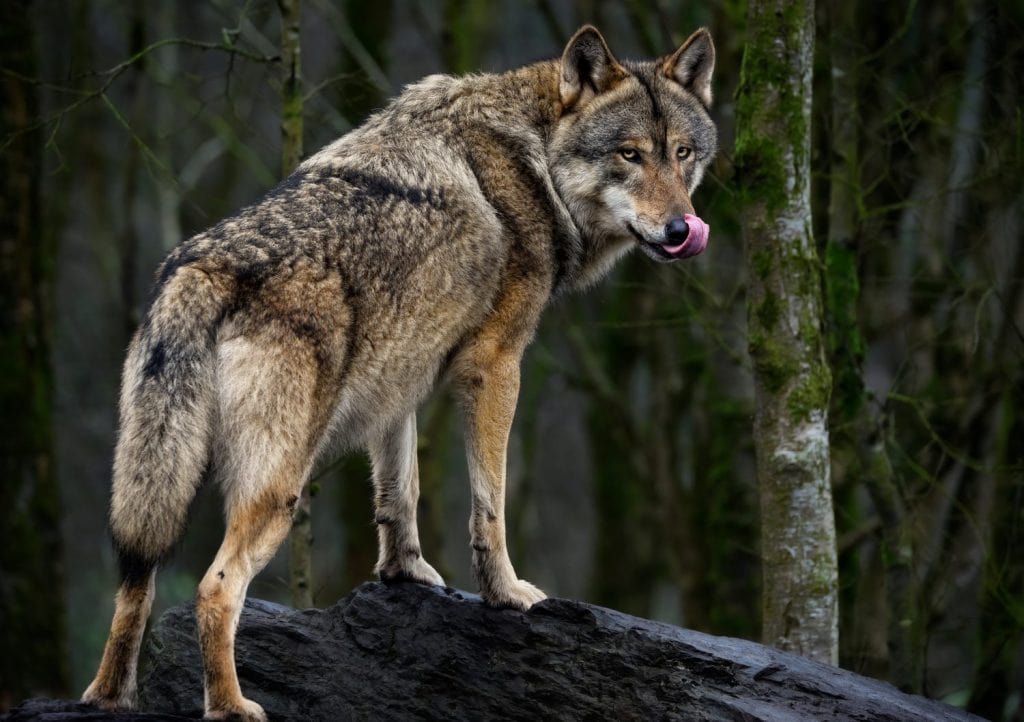
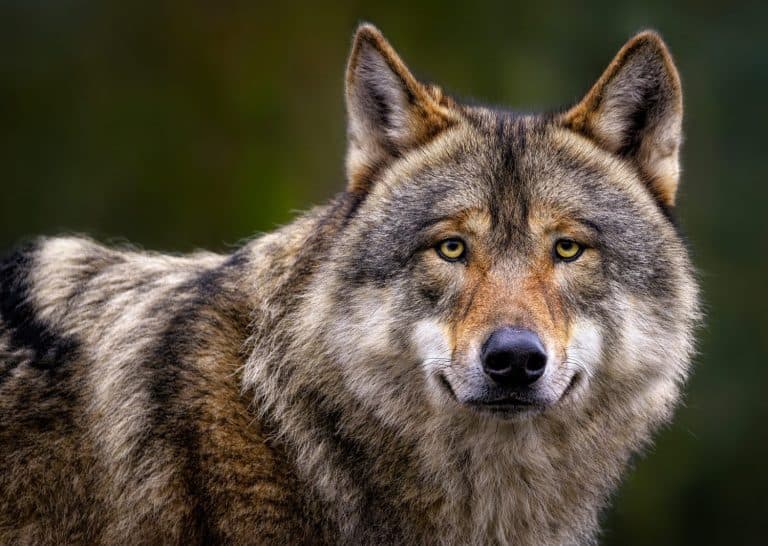
Gray wolves are native to California, but were hunted to near extinction in the early 1900s.
©ambquinn/Shutterstock.com
Wolf in Sequoia National Park
A gray wolf spotted inside Sequoia National Park after more than 100 years is big news. The wolf, a three-year-old female, is quite the celebrity in recent months, and not just for her sudden appearance. She has gone on a historic journey and, earlier this year, was also the first wolf in more than a century to reach Los Angeles County.
What makes this story so remarkable is the unfortunate past of gray wolves. These majestic animals are historically native to California; however, intense hunting and trapping programs practically eliminated them from the state in the early 1900s. Since then, there has been a noticeable absence of wolves in the state, including Sequoia National Park. They were hunted because wolves preyed on the livestock of farmers. Rather than reintroducing wolves to the state, conservationists have focused on a natural process, and wild wolves are slowly making their way back.
The female gray wolf, tagged as BEY03F, was born into the Beyem Seyo Pack in northern California in 2023, but by the time she was first fitted with a GPS collar in May 2025, she had already dispersed into the Yowlumni Pack’s territory in Tulare County. Travelling all the way down to Los Angeles County, she has journeyed an impressive distance. So why was she travelling so far south? The main reason wolves leave their pack is to find a mate and new territory. This is called dispersal, and this female gray wolf is most likely looking to form her own pack. Sequoia National Park is a perfect place for her, with an abundance of space in the mountainous habitat, and plenty of prey such as deer to feed on. While the gray wolf population is still endangered in California, gray wolves like BEY03F offer a glimmer of hope.