
Quick Take
- The moment most people think bears are hungriest is actually their calmest, and the real feeding frenzy happens at a completely different time. See the fall feeding frenzy →
- Three specific hormones hijack a bear's brain each fall, and one of them tricks the bear into ignoring how full it actually is. Meet the three hormones →
- Bears don't just eat more in September. They operate on a schedule that makes a human encounter far more likely than most people realize. See why encounters spike →
- Failing to pack on enough weight before hibernation doesn't just leave a bear hungry. The consequences are far more severe. Explore the hibernation stakes →
As summer comes to a close, those living in and visiting bear country will notice more bear activity than in previous months. This is because black bears are obsessed with food in September. Bears have only their next meal on their minds and will go to whatever lengths necessary to find it, even if that means interrupting an end-of-summer camping trip.
Continue reading
September Is a Gluttonous Month for Black Bears
It may be assumed that black bears are the hungriest after they emerge from hibernation. However, it is actually before bears go into hibernation that they are at their most gluttonous, gorging on thousands of calories per day to increase fat stores in record time.
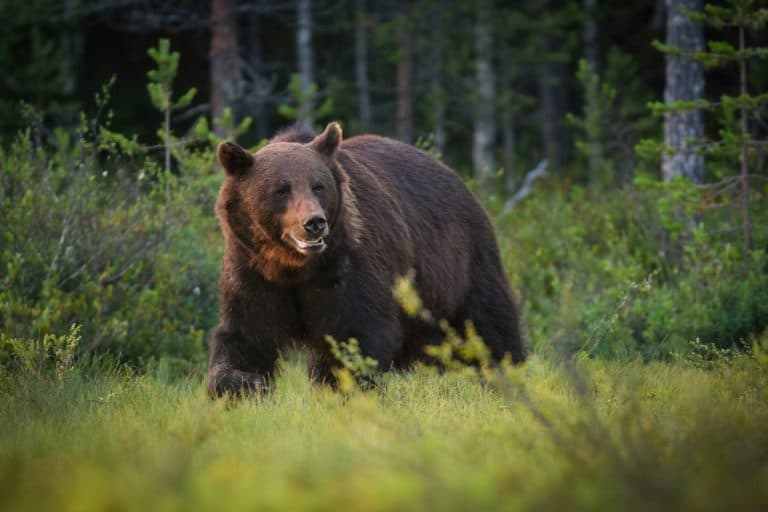
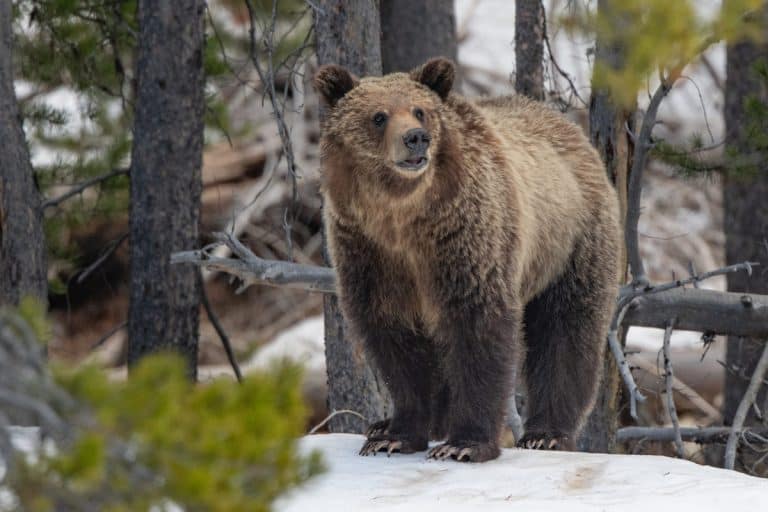
September kicks off the fall feeding frenzy for bears. This need to consume high-calorie foods is driven by hyperphagia. When bears experience hyperphagia, they become even more opportunistic in their feeding choices. They look for foods high in calories and fat. This helps bears gain weight quickly, increasing their overall weight by 25% to 40%. The exact amount varies by bear species, with brown bears tending to put on more weight than black bears.
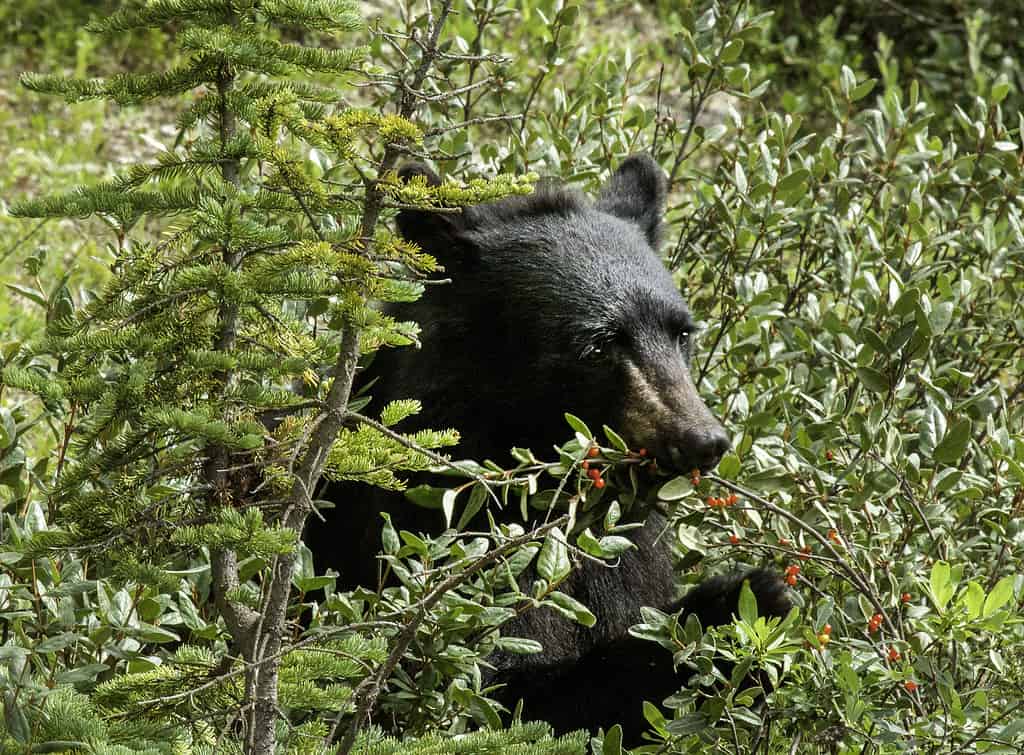
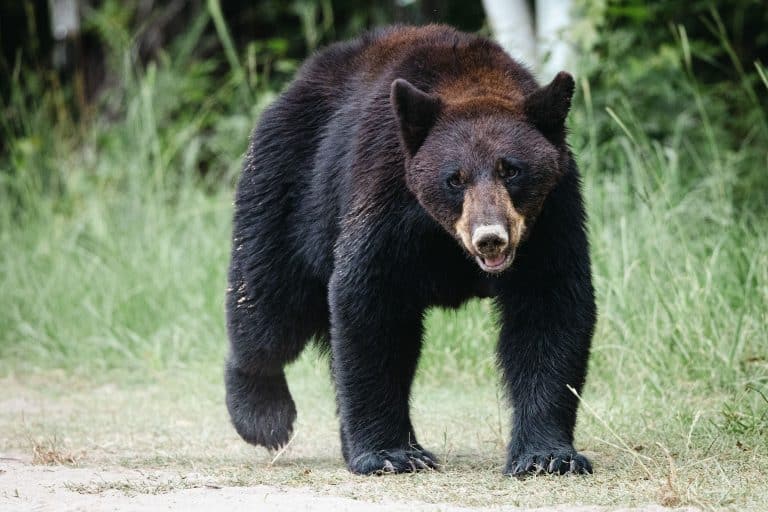
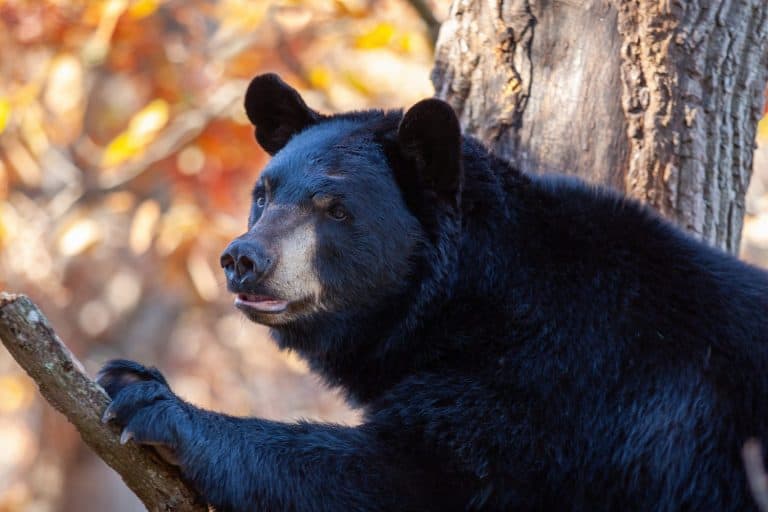
Black bears eat continuously to gain 25% to 40% more of their body weight during September.
©millermountainman/ via Getty Images
Bears need to gain this weight before they enter hibernation. According to the Institute for Environmental Research and Education, if bears do not increase their fat stores enough, the following can occur:
- Basic metabolic functions suffer
- Reduced ability to keep a consistent body temperature
- Milk production is not sufficient to sustain cubs
What Causes Hyperphagia to Occur?
As the seasons change from summer to fall, black bears will experience weeks on end with a ravenous appetite. This is known as hyperphagia, a physiological condition in which bears eat a tremendous amount of food, driven by both environmental cues and hormonal changes.
When summer gives way to cooler fall temperatures and shorter days, it signals to bears that hyperphagia should begin. These environmental changes trigger the bears’ bodies to respond in kind. Consequently, hormones begin to shift. When this occurs, bears’ appetites go into overdrive as they bulk up for the winter.
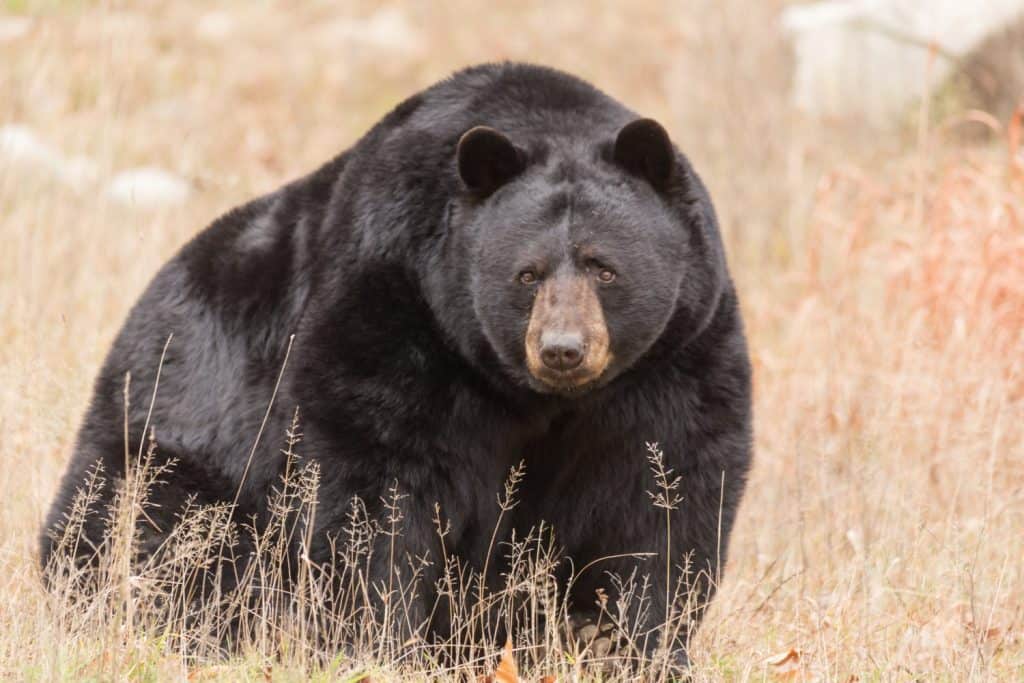
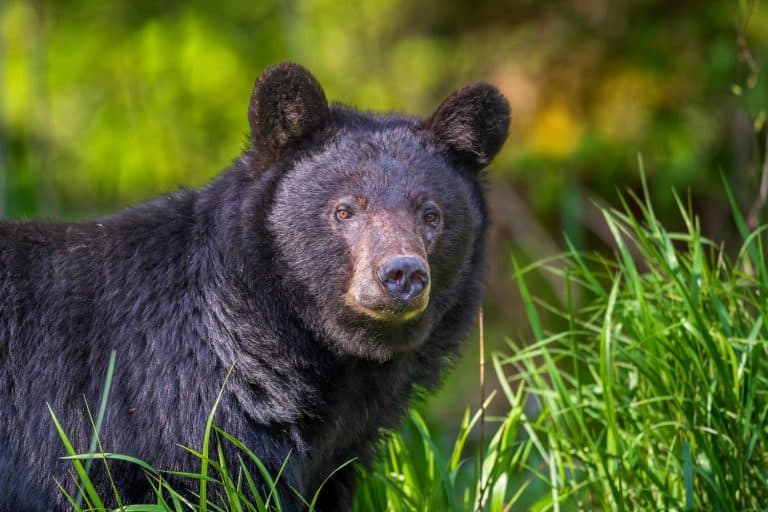
Hormones and environmental cues start hyperphagia in black bears.
©Josef Pittner/Shutterstock.com
The hormones that change to control hyperphagia include:
- Leptin decreases, making bears think they are not as full as they truly are
- Cortisol increases, acting as an appetite stimulant
- Neuropeptide Y is increased, further acting as a stimulant, allowing bears to increase their appetites to the extent that they consume 20,000 calories per day
It is the combination of changes in weather and hormones that triggers hyperphagia. Until the hormones go back to their baseline, bears will remain in this state, as they pack on the pounds to see them through winter.
What Black Bears Eat During Hyperphagia
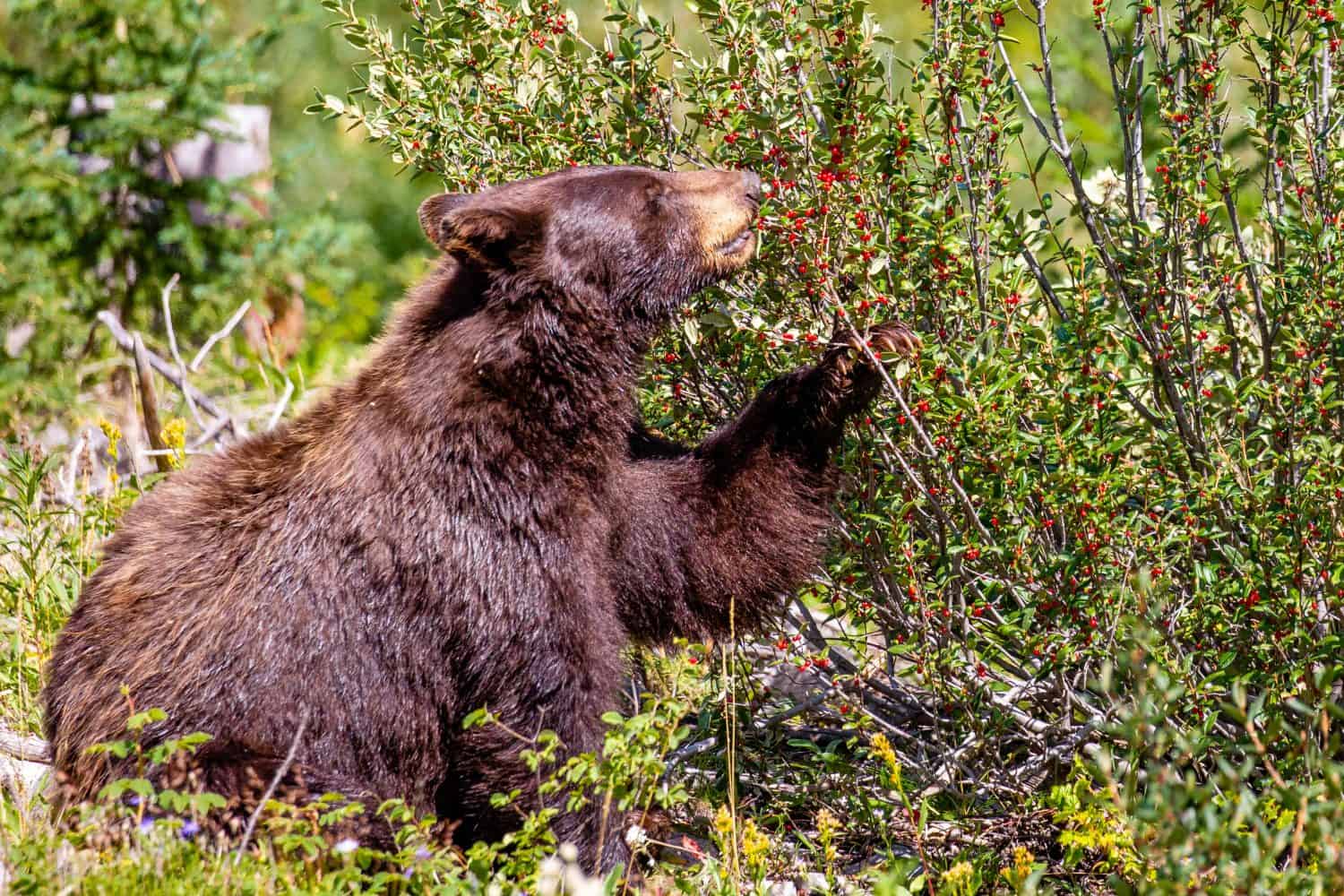
When black bears are in their hyperphagic state, their goal is to consume as many calories as possible. As omnivores, bears seek out the most calorie-dense foods available. Consequently, they will eat almost anything.
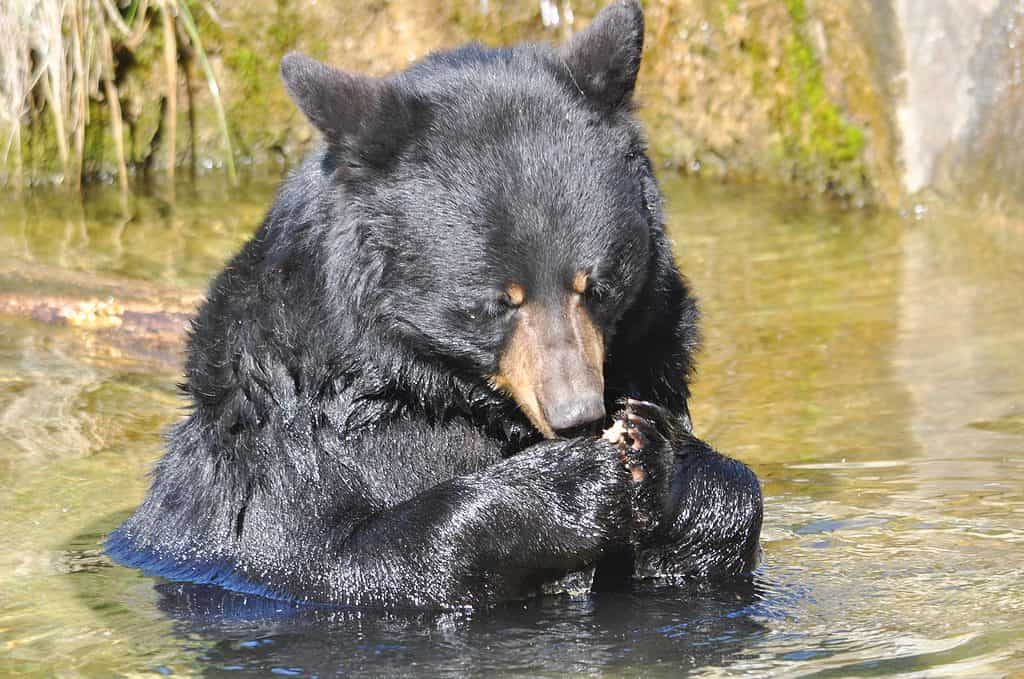
Black bears are not picky about what they eat during hyperphagia, as long as it is high in calories.
©Elizabeth Caron/Shutterstock.com
Some of the most common foods bears target during hyperphagia include:
- Fish
- Carrion
- Berries
- Nuts
- Acorns
- Small mammals
- Insects
Bears will also drink large amounts of water during this time. This helps to process the food as quickly as possible while removing waste from the system. As a result, they may expel up to four gallons of urine daily.
Why the Need to Eat Copiously Can Lead to Encounters with People
As black bears look for food nearly around the clock during hyperphagia, they are far more likely to be spotted than during other times of the year. This also increases the likelihood of bear-human encounters.
During hyperphagia, bears look for food for 22 hours a day. Each day, bears attempt to eat up to four pounds of food, equivalent to 20,000 calories. Finding this many calories in the wild can be difficult. Therefore, bears that associate people with food may lose their fear of humans as they search for something to eat.
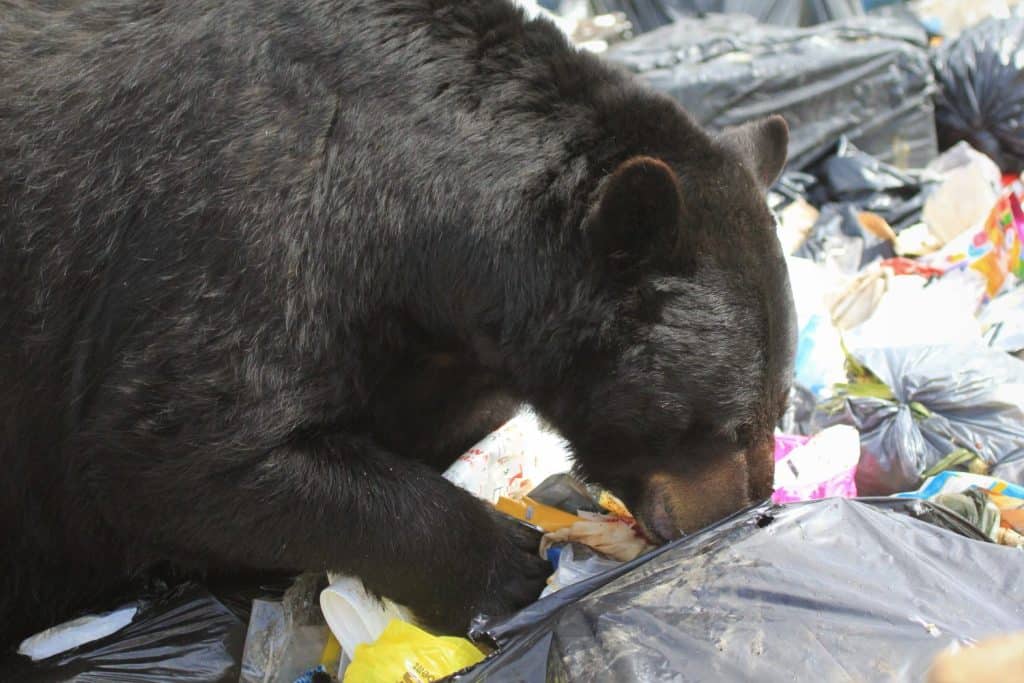
Black bear–human contact increases in September in bear country as bears rummage for food.
©Sketchart/Shutterstock.com
It is common for those who live in bear country to see bears trying to break into garbage cans, cars, or even homes to find food. Campsites are at higher risk of bear encounters not only because food is stored improperly, but also because bears are on the move looking for food. This does not necessarily mean that bears will be more aggressive. However, it does mean that if food is available, bears will eat it and are likely to be less shy about taking it.
When Does the Feeding Frenzy End?
Just as suddenly as black bears enter hyperphagia, it seems to end. The hormones that went into overdrive, leaving bears consistently hungry, begin to diminish. When this happens, the fat stores bears worked hard to create are at their limit, and bears are ready for a long winter rest.
Hyperphagia typically ends in late September, with some bears continuing their feeding frenzy into October. Timing depends on the region, with bears in colder areas ending hyperphagia first. Overabundant eating slows as bears prepare to hibernate.
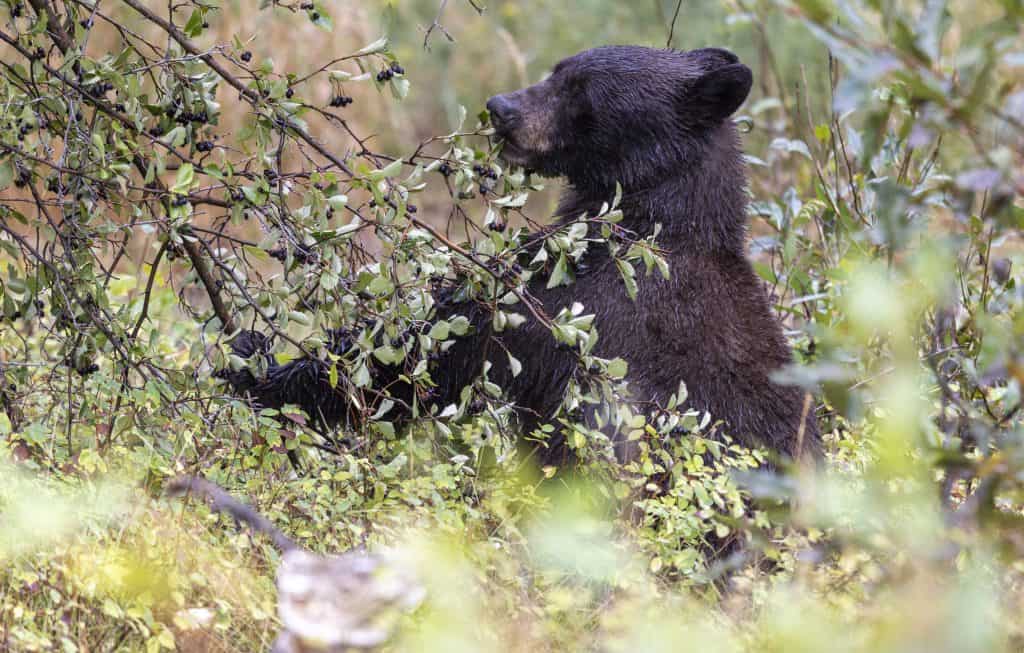
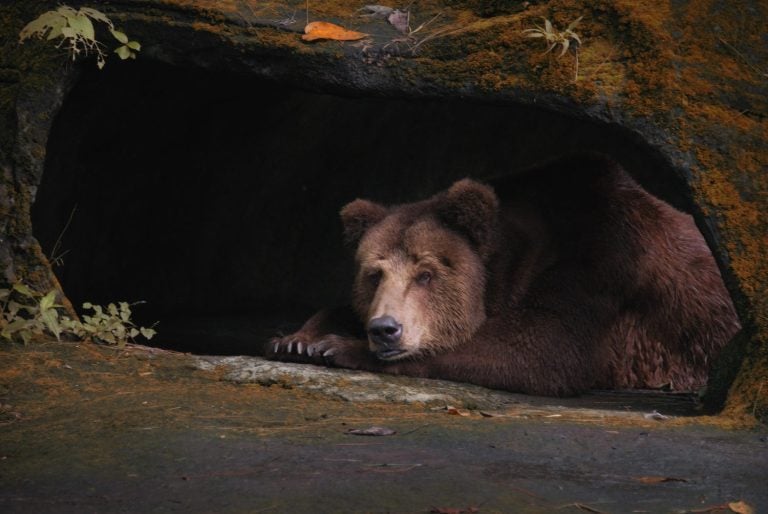
It is not until black bears have filled their fat stores and it is time to hibernate that hyperphagia ends.
©Tom Tietz/Shutterstock.com
The massive weight gain over several weeks is necessary for bears to survive the winter months. Without it, bears would be unable to spend extended periods in their dens—some, according to the North American Bear Center, remain hidden for six to seven months at a time. Therefore, September’s obsession with food is nonnegotiable. It is essential for bears not only to survive the winter but also to have enough energy to forage and replenish their energy stores when they emerge from their dens after a long winter’s nap.