
Bird populations require consistent monitoring, given the concerning data that has been collected over the last decade or more. With every report that is published, the same concerns about declining bird populations surface. This is no different for the annual State of the World’s Birds report, a report known for delivering the sobering truth about birds from around the globe.
The 2025 State of the World’s Birds update has some interesting data. While there is news that conservationists do not want to see or hear, it does point out areas where their efforts are paying off. These bright spots in the report tend to be overshadowed by the negative. For those working hard to save birds, small wins now can lead to significant victories in the future.
Bird Populations Continue to Decline Despite 2019 Warning
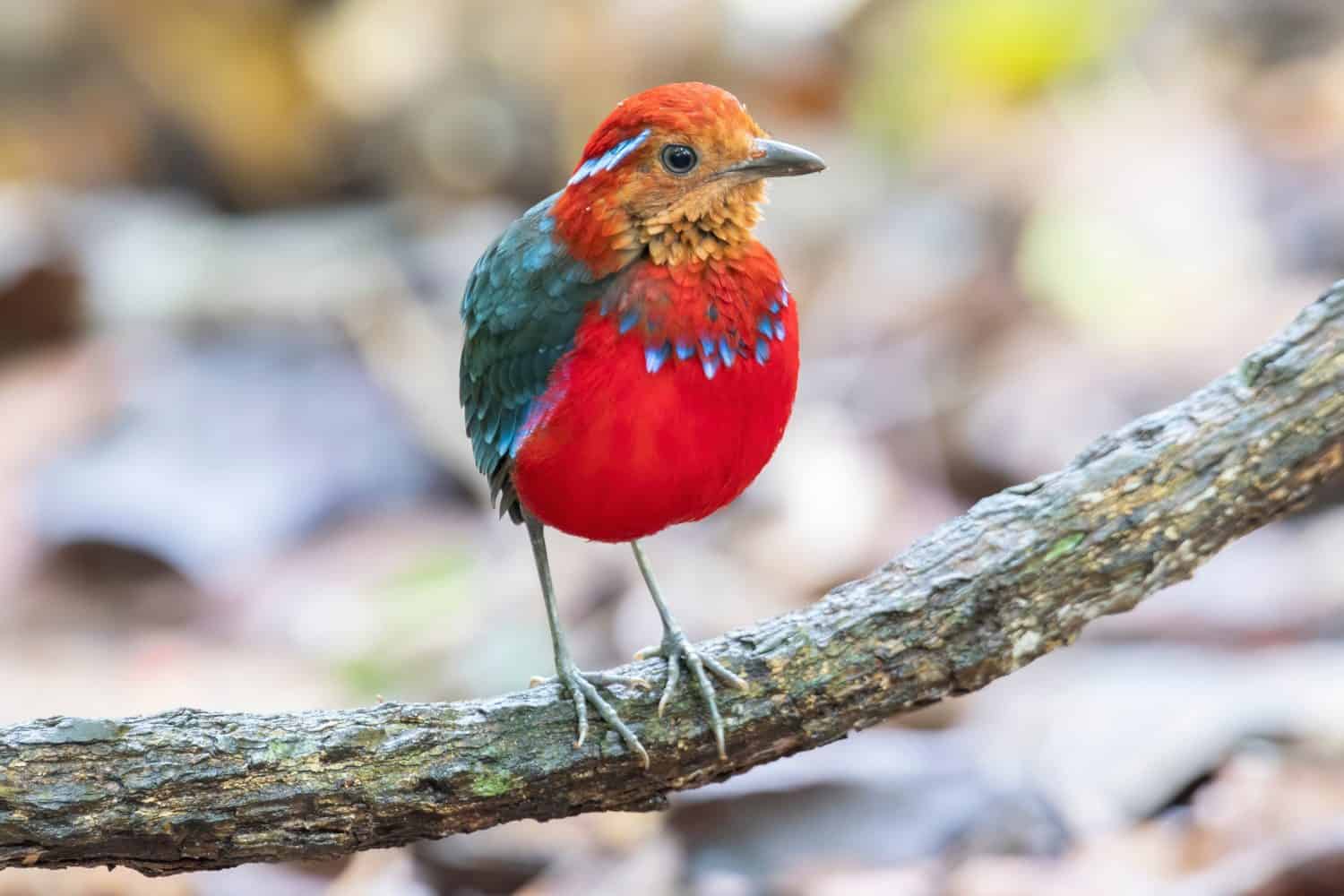
The pitta birds are just one species that is facing extinction due to their endangered status.
©Norjipin Saidi/Shutterstock.com
After the State of the Birds Report was published in March 2025, a sobering moment occurred as it was learned that, despite a warning from a 2019 study published in Science that three billion birds had been lost since 1970, bird populations were continuing to decline. Unfortunately, with the State of the World’s Birds and State of the World’s Migratory Birds published in August 2025, the news is not any better. Instead, the reports only confirm what was already known, which is that bird species across the board are in trouble.
BirdLife International, the organization that serves as the Red List Authority on birds, is responsible for tracking and assessing the status of all 11,000 bird species that exist today. Their annual report highlights both the negative and positive aspects of bird populations. Over the last several years, there has been more good news than bad, with the findings over the past year being no exception.
Based on a first glance, it appears that more than 40 birds have been reclassified out of the “Critically Endangered,” “Endangered,” or “Threatened” categories. But it does not state where these species were classified. It could be good news, or it could mean that some species were moved to extinct status. As the chart notes, “Most changes are due to improved knowledge or changes in taxonomy rather than a genuine improvement or deterioration in conservation status.” Therefore, the data for these categories should be interpreted neutrally. However, some categories on the table increased that were not for the better, including the species that have been reclassified as extinct.
Several Species of Birds Were Reclassified as Extinct
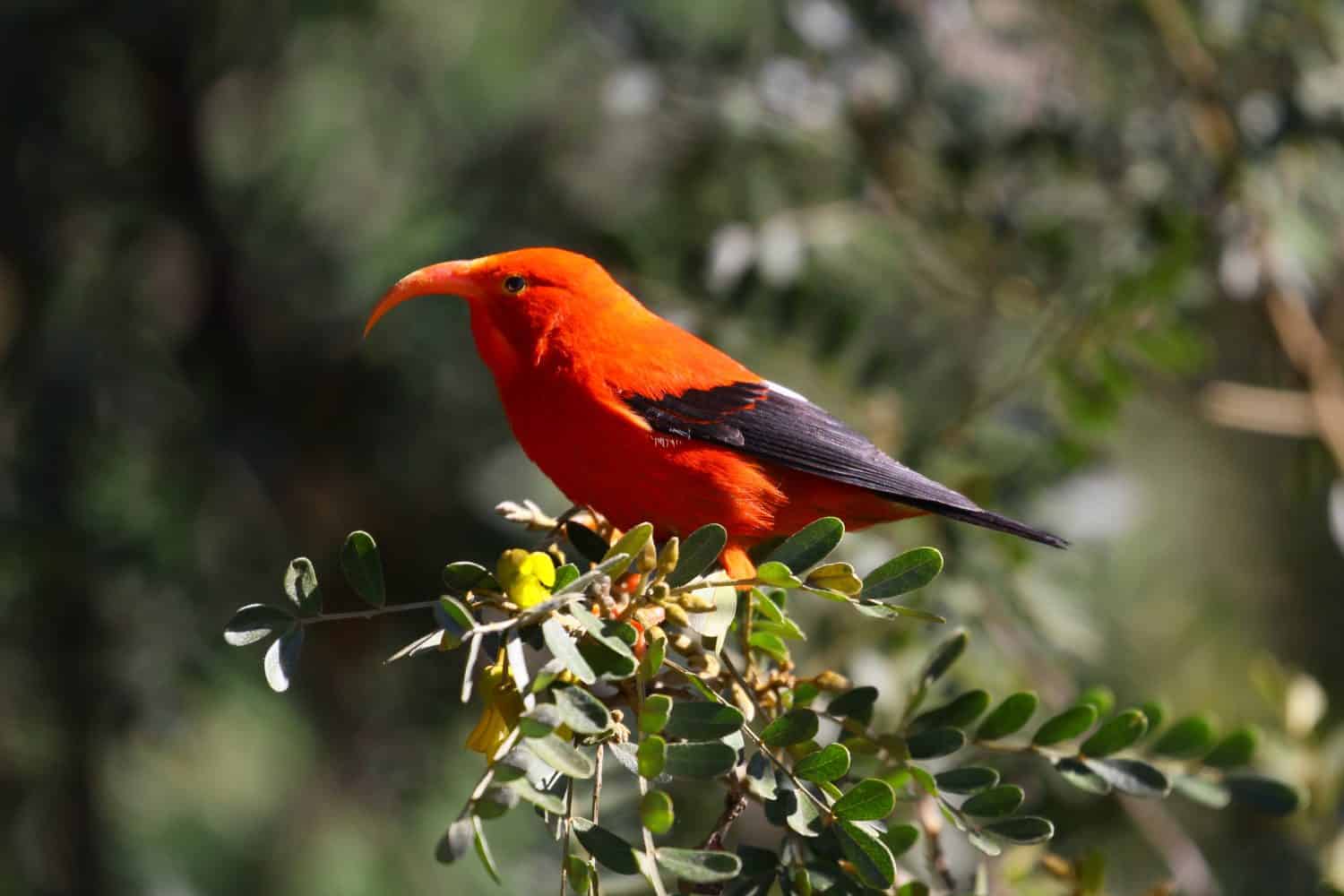
Four species of Hawaiian honeycreeper, similar to this species, were reclassified as extinct in the new State of the World’s Birds report.
©Thomas Chlebecek/Shutterstock.com
As the population of birds continues to decline, members of species that have been on the brink of extinction for some time can be hard to track down. It is a difficult decision to place a bird in the extinct category, which is why every effort is made over decades, in some cases, to determine if there are any living members of the species left. When they cannot be found repeatedly, that is when the birds are considered extinct. For the 2025 State of the World’s Birds, five species of birds were added to the extinct category. Those birds include:
- Ou – Psittirostra psittacea
- Kauai Nukupuu – Hemignathus hanapepe
- Maui Nukupuu – Hemignathus affinis
- Maui Akepa – Loxops ochraceus
- White-chested white-eye – Zosterops albogularis
Four of these birds are from the Hawaiian honeycreeper family. There are currently only five species of honeycreepers left, down from the historic 55 species that once existed. The remaining five species are considered critically endangered, and there is a very real threat that honeycreepers as a group may become extinct in the near future. Since the IUCN Red List was developed in 1964, 164 species of birds have gone extinct. If more conservation efforts are not made, species such as shorebirds may be added to that category.
Migratory Birds Continue to Struggle
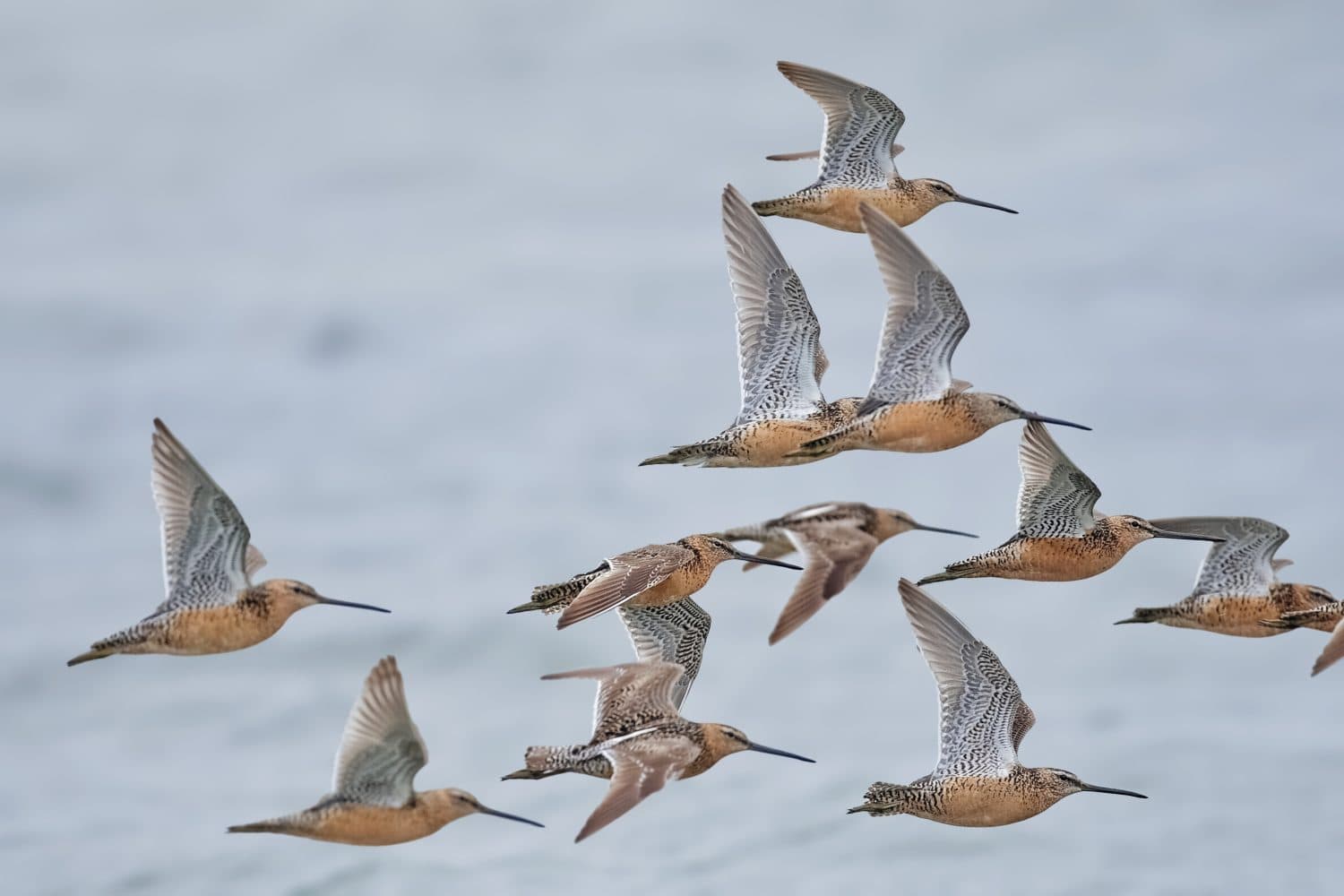
Migratory birds continue to show population declines unless conservation efforts are utilized.
©bonilook/Shutterstock.com
Migratory birds are a barometer of the health of the planet. Given that they travel thousands of miles from one location to another, the birds are reliant on the regions they pass through for food, water, and safe resting areas. The same is required of the destination sites as well. When any of these areas are tampered with due to human activity, the birds suffer.
There are many reasons migratory bird populations are declining. Those reasons include:
- Habitat loss
- Climate change
- Pollution
- Illegal hunting
Because of these stressors, 44% of the population of migratory birds has declined, with one in five species of migratory birds being close to extinction. When it comes to migratory shorebirds, “for a subset, the rate of decline is accelerating.” This means that stronger conservation efforts are necessary if these birds are to be helped.
However, even with this bad news, there is a glimmer of hope. When conservation efforts are implemented, migratory bird populations can improve. The stressors that migratory birds face are akin to those of all other birds. Unfortunately, except for a few categories, the very things that are causing birds to go extinct are only getting worse year after year.
Major Threats to Birds
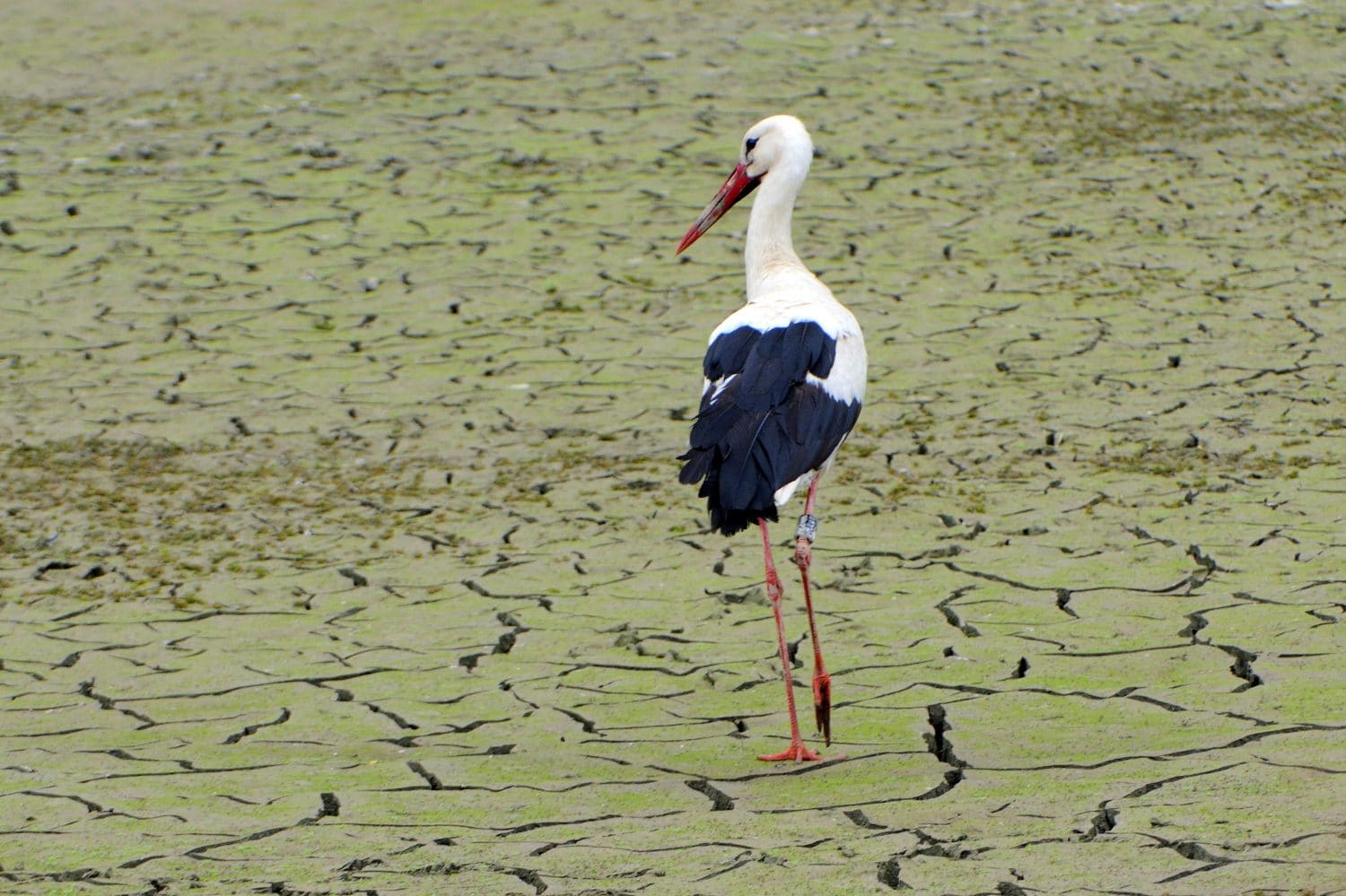
Climate change is one of the top five factors negatively affecting the population of birds.
©Karin Jaehne/Shutterstock.com
The State of the World’s Birds examined the pressures birds were globally facing in 2010. Those same pressures were again looked at for 2024, and in nearly every category, there was an increase. While the data reflects improved understanding of the threats birds face due to human activity, it is clear that birds as a whole are being negatively impacted by the changing world. The pressures birds faced in 2010 compared to 2024 include:
| Global Pressures | Percentage of Threatened Birds Impacted By Global Pressures in 2010 | Percentage of Threatened Birds Impacted By Global Pressures in 2024 |
| Agriculture | 74% | 73% |
| Logging | 51% | 50% |
| Invasive Species | 40% | 43% |
| Trapping and Hunting | 34% | 41% |
| Climate Change | 33% | 37% |
| Building Development | 28% | 27% |
| Fire and Fire Suppression | 17% | 22% |
| Mining and Energy Production | 15% | 18% |
| Pollution | 14% | 18% |
| Transportation | 13% | 15% |
| Disturbances By Humans | 13% | 14% |
| Water Management | 7% | 8% |
| Fisheries | 6% | 8% |
| Terrestrial Plant Gathering | 4% | 4% |
While not all categories have increased, many have. This means that despite conservation efforts by organizations attempting to save birds globally, there are still many hurdles to be overcome before birds will have a real chance at recovery. Yet, amid the not-so-great news, there is a glimmer of hope for some bird populations where conservation efforts over the years are starting to pay off.
Conservation Efforts Provide a Glimmer Of Hope
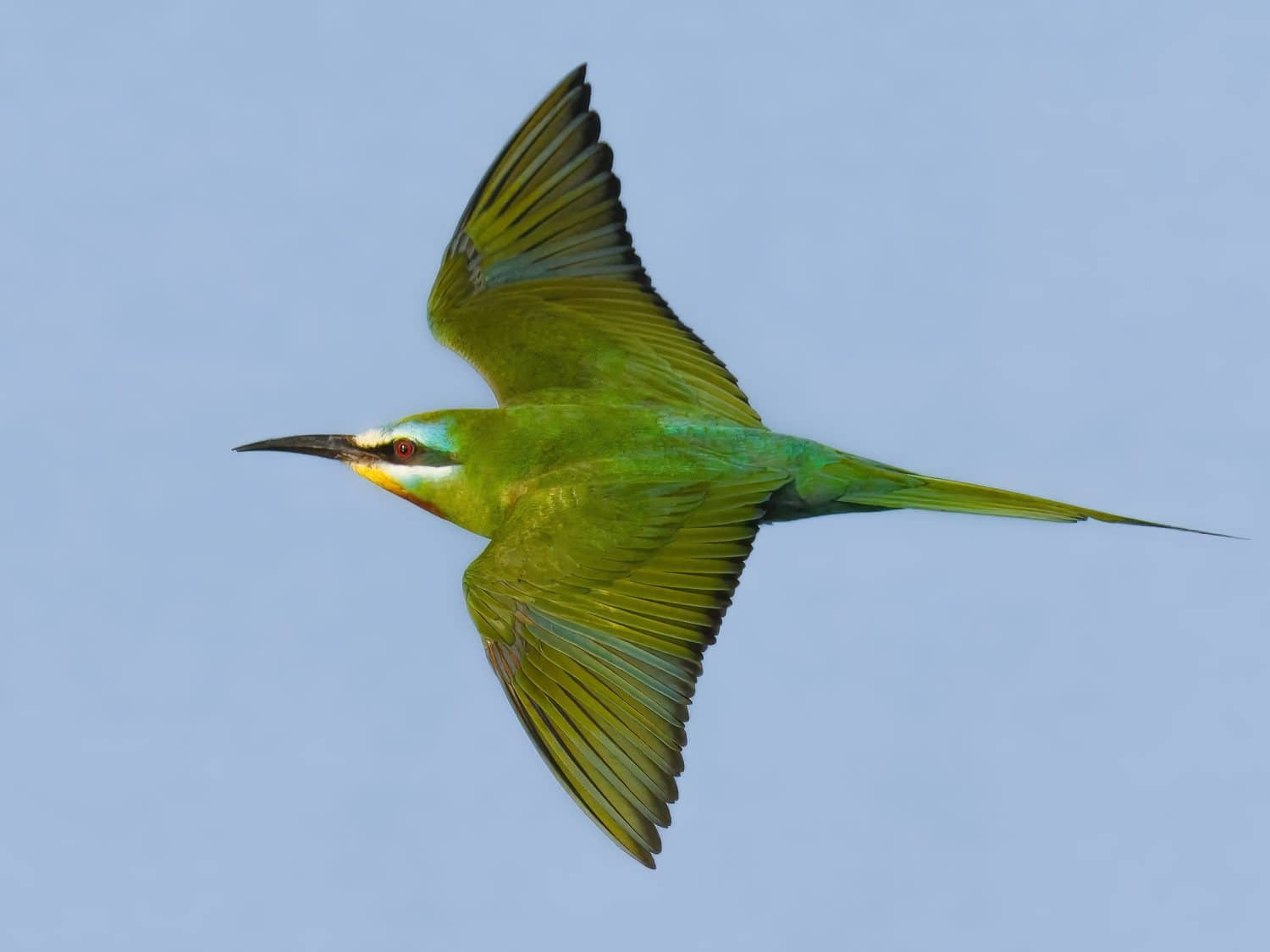
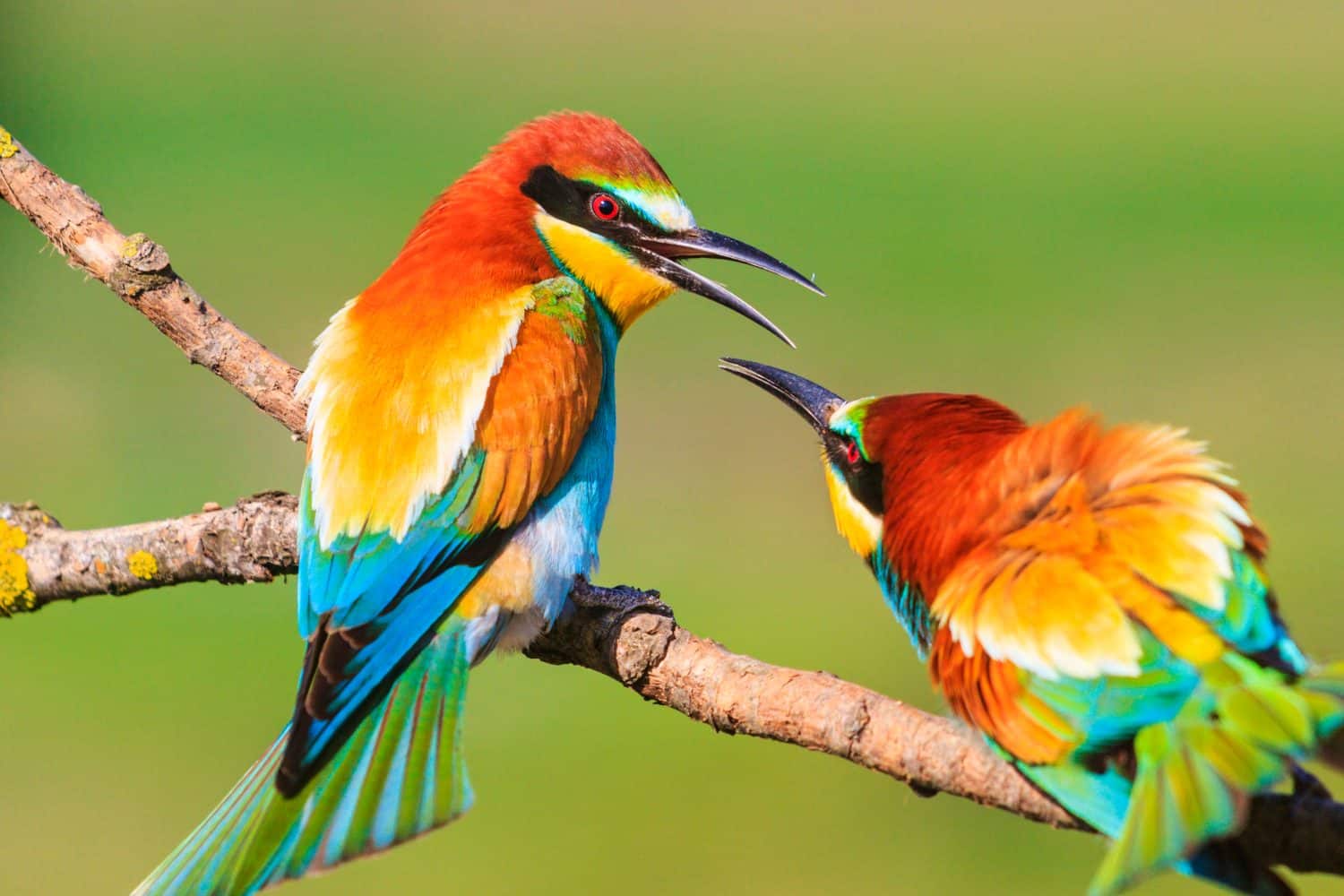
Birds like the blue-cheeked bee-eater have populations increasing due to conservation efforts.
©MuhammadAliRajput/Shutterstock.com
In total, there are over 1,300 birds that are listed as “Critically Endangered,” “Endangered,” and “Vulnerable” on the IUCN Red List. Although these birds are at risk of extinction if conservation efforts fail, several species were downlisted from these categories. While the specific species and their new categories were not provided, this demonstrates that targeted conservation efforts can yield significant results.
According to the State of the World’s Birds, 43 birds were downgraded from the most extreme categories, aside from being classified as extinct. One bird, the Okinawa woodpecker, was highlighted as one of these birds, having moved from the “Critically Endangered” list to the “Endangered” list. While this does not seem like a significant or positive change, given that there are no more than 300 of these birds left in the wild, the fact that their population is stable speaks volumes. This stabilization was made possible thanks to the continuing efforts to reduce the population of mongoose in the forests on Okinawa Island, given that they are an invasive species.
There is no denying that bird populations globally are under threat. However, when some populations can be downgraded, it offers hope that conservation efforts will succeed and that fewer highly threatened species will go extinct.