
For most pet owners, deciding whether to spay or neuter their dog comes down to more than just cost. These procedures affect the health of individual pets, the safety of communities, and even the fate of millions of animals nationwide. While some people hesitate because of price or worry about the surgery itself, understanding what’s involved can ease concerns and show why spaying and neutering remain two of the most important steps in responsible dog ownership.
Why Spaying and Neutering Matter
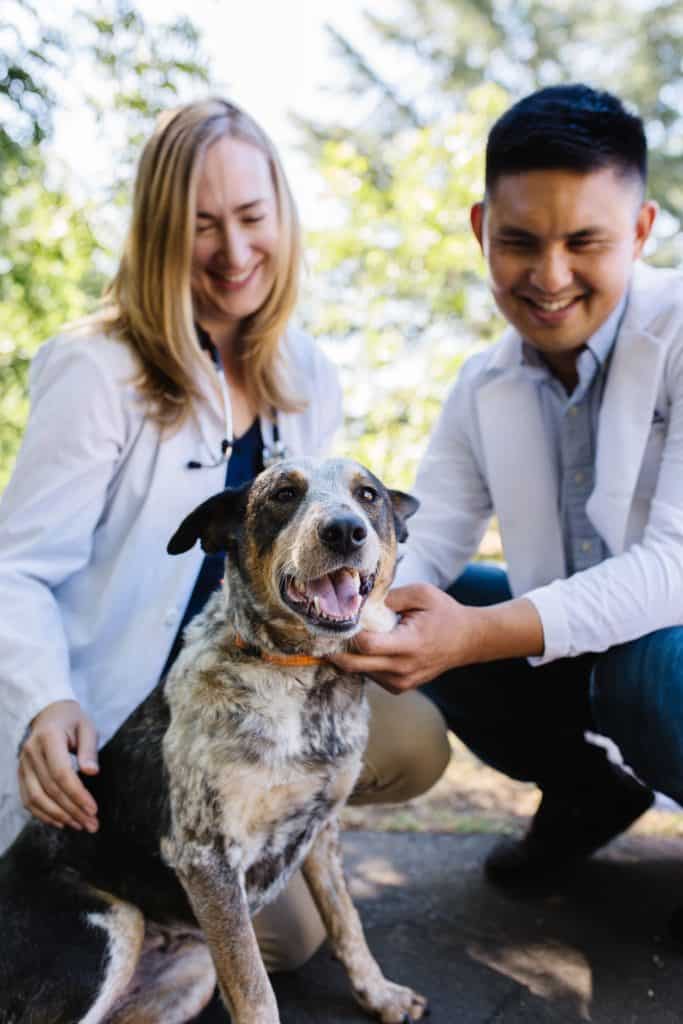
Dr. Bethany Hsia, DVM, and Dr. Gary Hsia, DVM, co-founders of Coda Pet.
Overpopulation
Every year, animal shelters struggle with the heartbreaking reality of overcrowding. Millions of puppies and dogs are surrendered or abandoned, and far too many are euthanized, simply because there aren’t enough homes. Spaying (for females) and neutering (for males) directly address this problem by preventing accidental litters. A single unaltered dog and its descendants can potentially produce dozens of puppies over several years. Over time, this overwhelms shelters and rescue groups.
Health Benefits
The impact doesn’t stop at population control. Spaying and neutering also bring significant health benefits. For females, the procedure eliminates the risk of pyometra, a painful and often life-threatening uterine infection. It also greatly reduces the chances of developing mammary tumors, especially when the surgery is performed before the first heat cycle. For males, neutering removes the risk of testicular cancer and reduces the likelihood of certain prostate diseases.
Dr. Bethany Hsia, DVM, and co-founder of CodaPet says, “Spaying or neutering your dog is an important responsibility for pet owners in order to prevent unwanted litters, reduce the number of homeless dogs, and often leads to a healthier, longer life for your dog.”
What the Surgeries Involve
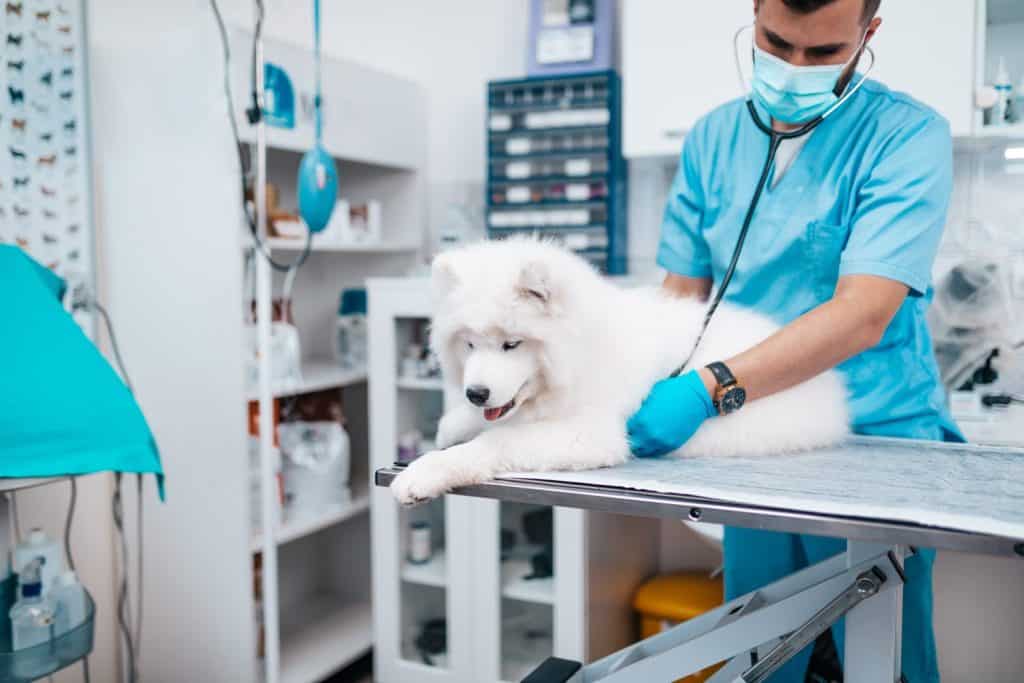
Pet owners feel reassured that professional care is given to their pets during the procedures.
©hedgehog94/Shutterstock.com
Pet owners often feel more comfortable moving forward once they know exactly what happens during the procedures. Though both surgeries are common, they’re still major medical interventions performed under anesthesia and with full sterile precautions. The day begins with a pre-surgical exam, during which the veterinarian checks vital signs and may recommend bloodwork to ensure the dog can safely undergo anesthesia.
Spaying
Spaying is the procedure performed on female dogs. After the dog is anesthetized, the vet makes a small incision in the abdomen. The vet then carefully removes the ovaries and uterus using specialized tools. They check for signs of disease and tie off blood vessels to prevent bleeding. The incision is often closed with dissolvable sutures that don’t require removal later. Pain medication is administered, and most dogs are awake and ready to head home within a few hours. Full recovery generally takes 10 to 14 days.
Neutering
Neutering male dogs is slightly less invasive. After administering anesthesia and preparing the area, the veterinarian makes a small incision just in front of or within the scrotum. The testicles are removed, blood vessels are tied off, and the incision is closed with sutures or surgical glue. Because the surgery doesn’t involve entering the abdominal cavity, recovery is often quicker. After receiving pain meds, many male dogs return home the same day. Most male dogs can return to normal activity within a week or less.
Risks of the Procedure
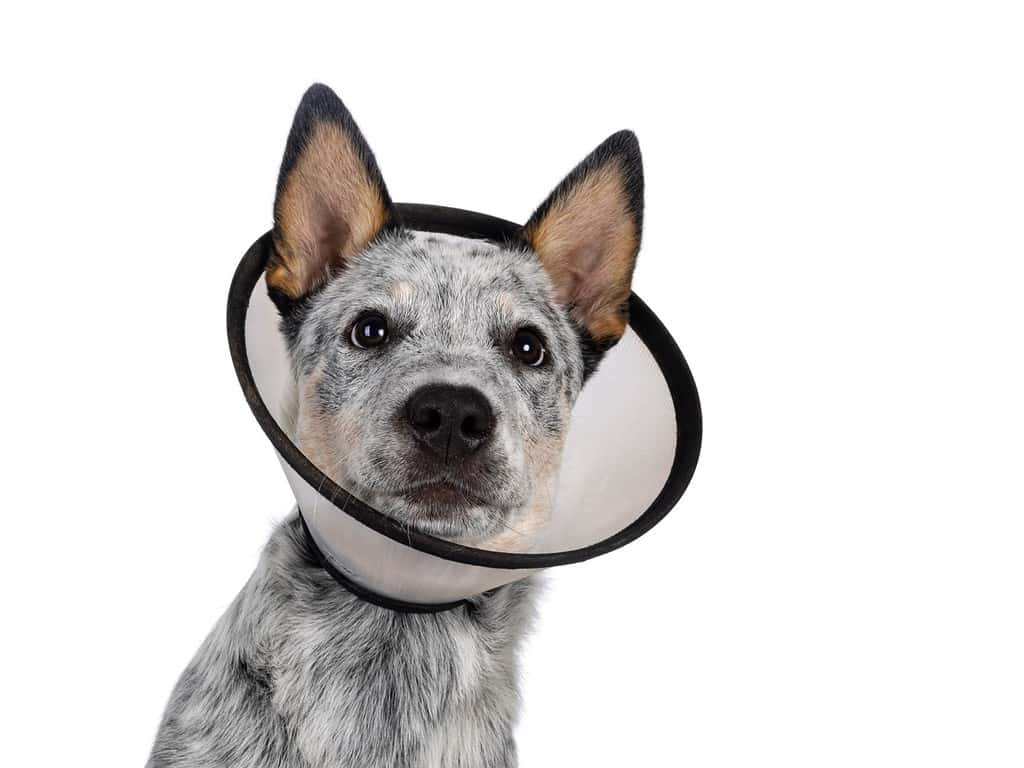
It’s important that dogs be restrained from licking the site of the incision to avoid infection and reopening the wound.
©Nynke van Holten/Shutterstock.com
With any surgery, especially those that involve anesthesia, there are risks. “The risks of the procedure,” according to Hsia, “include potential complications such as anesthetic reactions, bleeding, infection, and swelling at the incision site.” But she hastens to add, “These complications are generally infrequent.”
The most common issues involve the incision site. Redness, swelling, bleeding, or discharge can indicate infection or irritation, especially if the dog licks or chews at the stitches. Too much activity too soon, like running or jumping, can also cause swelling or even tear internal sutures. Some dogs may be groggy, sore, or have a reduced appetite for the first day after anesthesia. These symptoms usually improve within 24 hours. Owners should contact a veterinarian immediately if the dog shows persistent lethargy, refuses to eat after the first day, vomits repeatedly, or if the incision appears abnormal.
Post-Operative Care

Your dog will need a soft, quiet place to rest while recovering from surgery.
©Wirestock Creators/Shutterstock.com
Surgery day is only the beginning; owners play a vital role in a dog’s recovery. After a spay, dogs should be kept quiet and calm for 10 to 14 days, and after a neuter for about 5 to 7 days. This means no running, jumping, or rough play. Walks should be short and on a leash, and access to stairs or furniture should be limited if possible. Confining the dog to a crate is one of the safest ways to restrict activity during this period. The incision site should be checked daily for redness, swelling, or discharge. A veterinarian should be contacted right away if these signs appear, or if the dog seems unusually lethargic, refuses food, or develops a fever.
An e-collar or recovery suit is essential to prevent licking, which can cause infection or result in stitches being torn out. Pain medications must be given exactly as prescribed. Dogs may have a reduced appetite for the first day. They should be offered their regular food in smaller, more frequent portions until normal eating resumes. Fresh water should be available at all times, but it’s best to monitor intake and prevent the dog from gulping large amounts at once, as this can upset the stomach. While most dogs heal without complications, careful attention to rest, wound care, food, and water dramatically reduces the risk of problems.
Complications are generally infrequent.
Dr. Bethany Hsia, DVM, and co-founder of CodaPet
Behavioral Changes

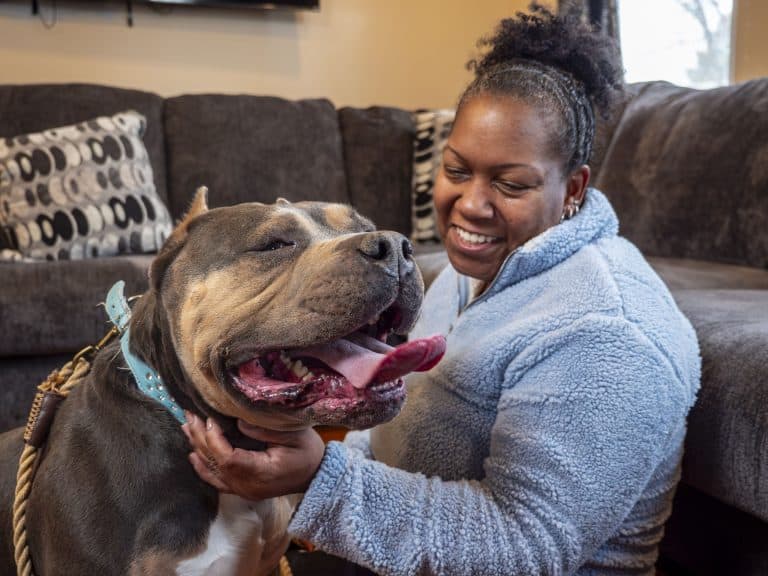
Spaying and neutering often make dogs calmer and easier to manage as family pets.
©4 PM production/Shutterstock.com
Spaying and neutering can bring noticeable changes in a dog’s behavior, most of which are positive for both the animal and the household. “For males,” according to Dr. Hsia, “neutering often reduces roaming, aggression towards other males, and mounting behaviors. For females, spaying eliminates heat cycles, which might prevent behaviors like vocalization, restlessness, and attracting intact males.”
Over the long term, these procedures may also affect the dog’s body: spayed and neutered dogs are somewhat more prone to weight gain if their diet and exercise are not carefully managed, and some spayed females may develop urinary incontinence. Overall, though, the procedures tend to make dogs easier to manage, less likely to stray, and more focused on life with their families.
What Does It Cost?
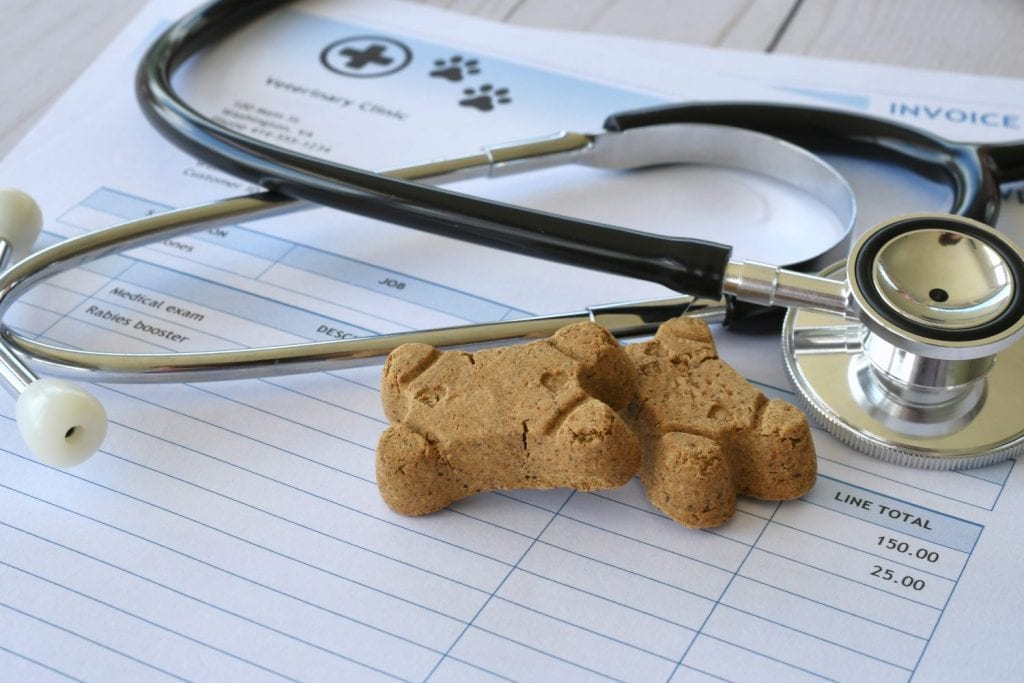
Multiple variables go into the price, including the type of dog, facility, type of procedure, and more.
©MargJohnsonVA/Shutterstock.com
One of the most common concerns for owners is how much these surgeries cost. Prices vary widely, depending on the size and age of the dog, the complexity of the case, the type of facility, and even the region’s cost of living. Dr. Hsia notes, “The cost of spaying or neutering at a private veterinary clinic can be substantial due to the cost of veterinary staff salaries, facility overhead, and pre- and post-operative care.”
At low-cost clinics and shelters, the price can be as little as $20. These programs are often subsidized by donations, government funding, or partnerships with animal welfare groups, making the procedures affordable for income-qualified owners or newly adopted pets. At private veterinary clinics, the cost is usually higher, typically ranging from $150 to $700 for routine surgeries. Larger dogs, complicated cases, or specialized procedures such as laparoscopic spays can push the total much higher—sometimes over $1,000. Dogs that are pregnant, in heat, or have retained (undescended) testicles may also require additional time and care, resulting in extra charges. For very large breeds over 100 pounds, clinics often add weight-based fees because anesthesia, monitoring, and recovery require more resources.
Finding Affordable Options
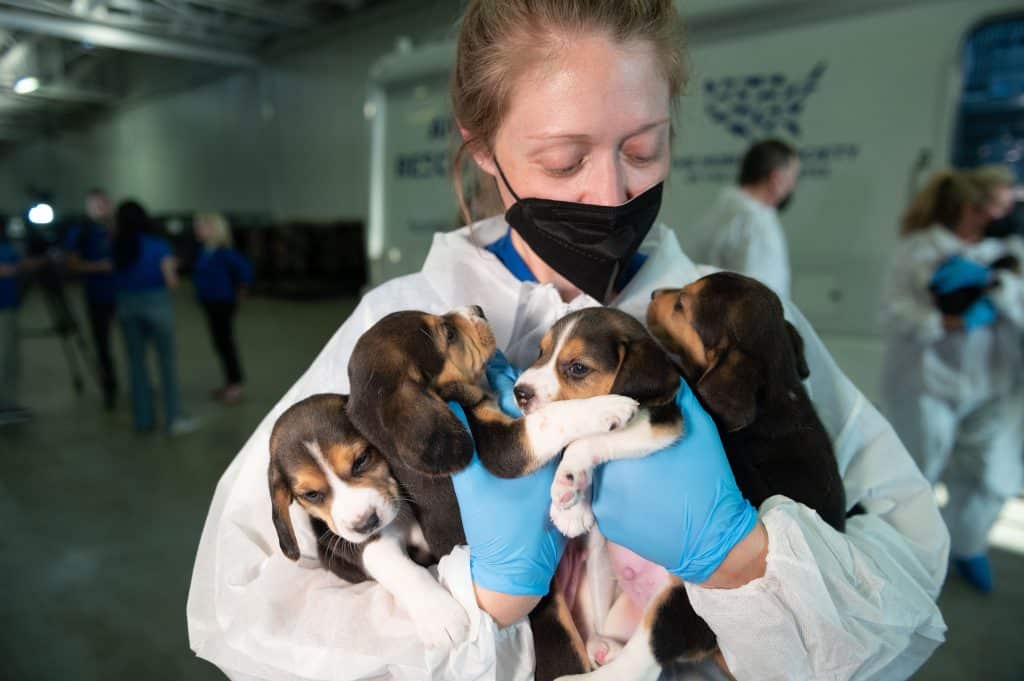
Many nonprofit organizations provide low-cost spaying and neutering services.
©Kevin Wolf/AP Images for HSUS
For owners worried about cost, Dr. Hsia recommends, “People can find lower-cost alternatives through local animal shelters, humane societies, and non-profit organizations that often offer subsidized spay/neuter programs or clinics. Some communities might have low-cost mobile veterinary clinics or partnerships with private practices to provide affordable services.” At the same time, while private veterinary care can be more expensive, it often includes additional safety measures and more personalized attention, which some owners prefer and consider worth the extra expense.
The Bottom Line
With so many thousands of unwanted dogs put down in shelters and humane societies every year, spaying and neutering should be considered standard procedures for pet owners. Although there are some costs and risks involved, these are manageable and outweighed not only by the benefit to society, but also by improved health and behavior in your dog.