
Autumn is a beautiful time of the year in many regions, when the weather cools and the leaves change to vibrant colors. This season is also known as spider season — something many people dread.
As temperatures drop, spiders begin their annual migration indoors in search of warmth and mates. Wondering why autumn is known for its increase in spider activity? Here’s why you might see more eight-legged visitors this time of the year — and how to peacefully coexist with them.
Why Autumn Is Spider Season

There’s a reason why spiders are often used as Halloween decorations.
©margouillat photo/Shutterstock.com
Autumn has long been known as spider season. In fact, these creepy crawlers are often associated with spooky season.
Many people dread the increase in spider activity during this time of the year, especially when they notice more of the arachnids in their homes. However, others welcome harmless spiders as natural pest control. Not to mention, their webs often make for the ideal Halloween decorations.
But why, exactly, are spiders so active during fall?
Autumn Is Considered the Mating Season for Spiders
“During the autumn, the spiders are out more because it is mating season,” says Ed Dolshun, VP of Business Development and Technical Director from Catchmaster. “The males leave their webs during this time to search for a female.”
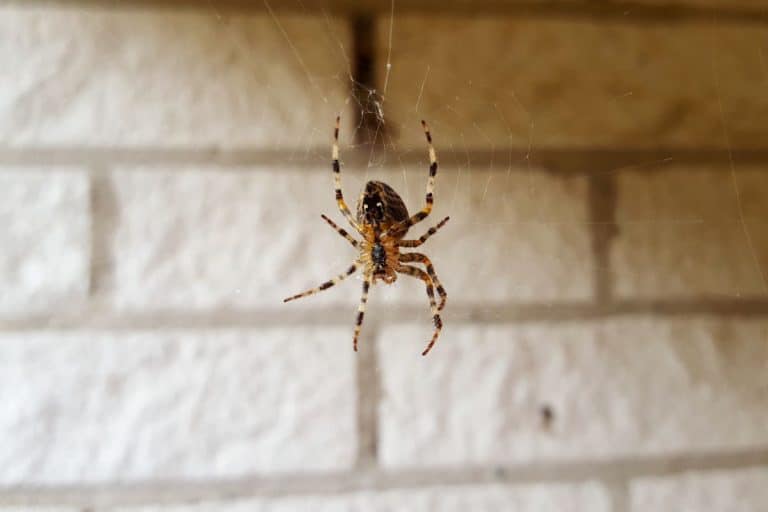
Oftentimes, this means you might notice more spiders in your home. This is especially true for house spiders, which typically remain indoors but are less active most of the time throughout the year. Once autumn hits, they’re back on the prowl, seeking a mate.
“If you see a spider roaming around your home during this time, it is most likely just looking for love,” says Dolshun.
Spiders Are Seeking Shelter for the Winter
The fluctuating temperatures in autumn can also trigger unique behaviors in some spider species. Many spiders prepare for the long, cold winter by seeking shelter indoors. Additionally, on particularly warm fall days, spiders may become more active as they search for prey or mates.
“Certain spiders will enter a unique state called ‘diapause’ in response to unfavorable conditions,” says Jim McHale, Entomologist and President at JP McHale Pest Management. “If there is a period of warm weather or if a food supply is available, then the spiders will become active again.”
Spiders Follow Prey Indoors
Additionally, non-house spiders will often follow their prey indoors. Many insects seek warmth during the fall, which attracts spiders to do the same.
If you see a spider roaming around your home during this time, it is most likely just looking for love.
Ed Dolshun, VP of Business Development and Technical Director from Catchmaster
In this case, seeing these creatures inside is not necessarily a bad thing. In fact, they’re likely hunting the more irritating insects, like mosquitoes or flies, which often carry diseases. Having a few spiders around your home can help keep your insect issues at bay.
“I would also be remiss if I did not remind [you] that most spiders you see are harmless and actually help keep other pests like flies and mosquitoes under control,” Dolshun says.
How to Handle Spider Season
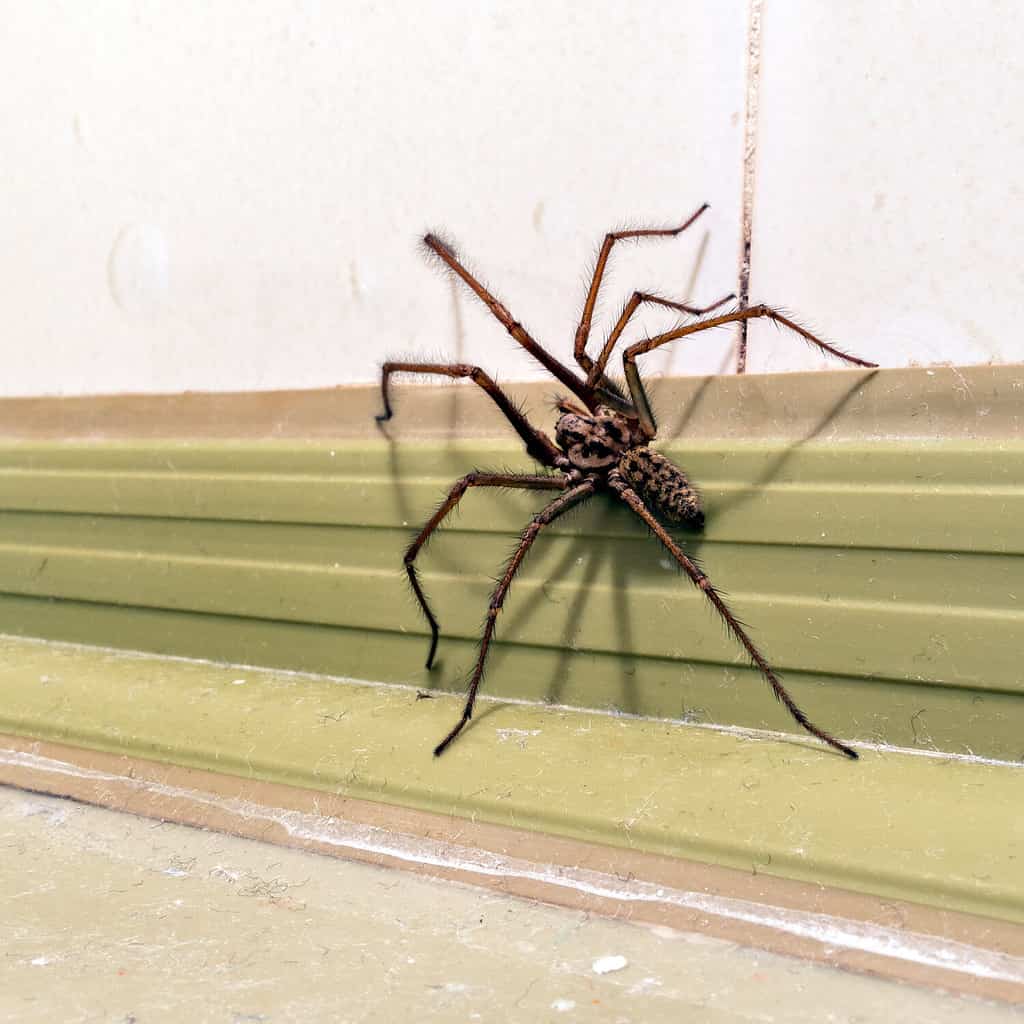
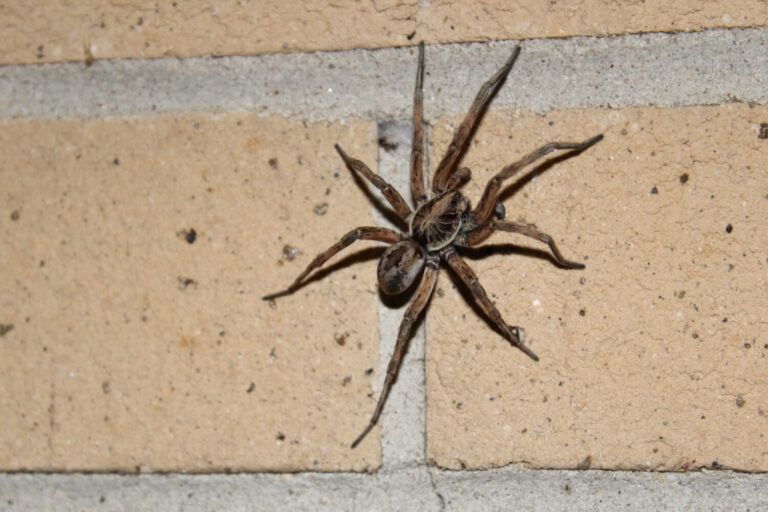
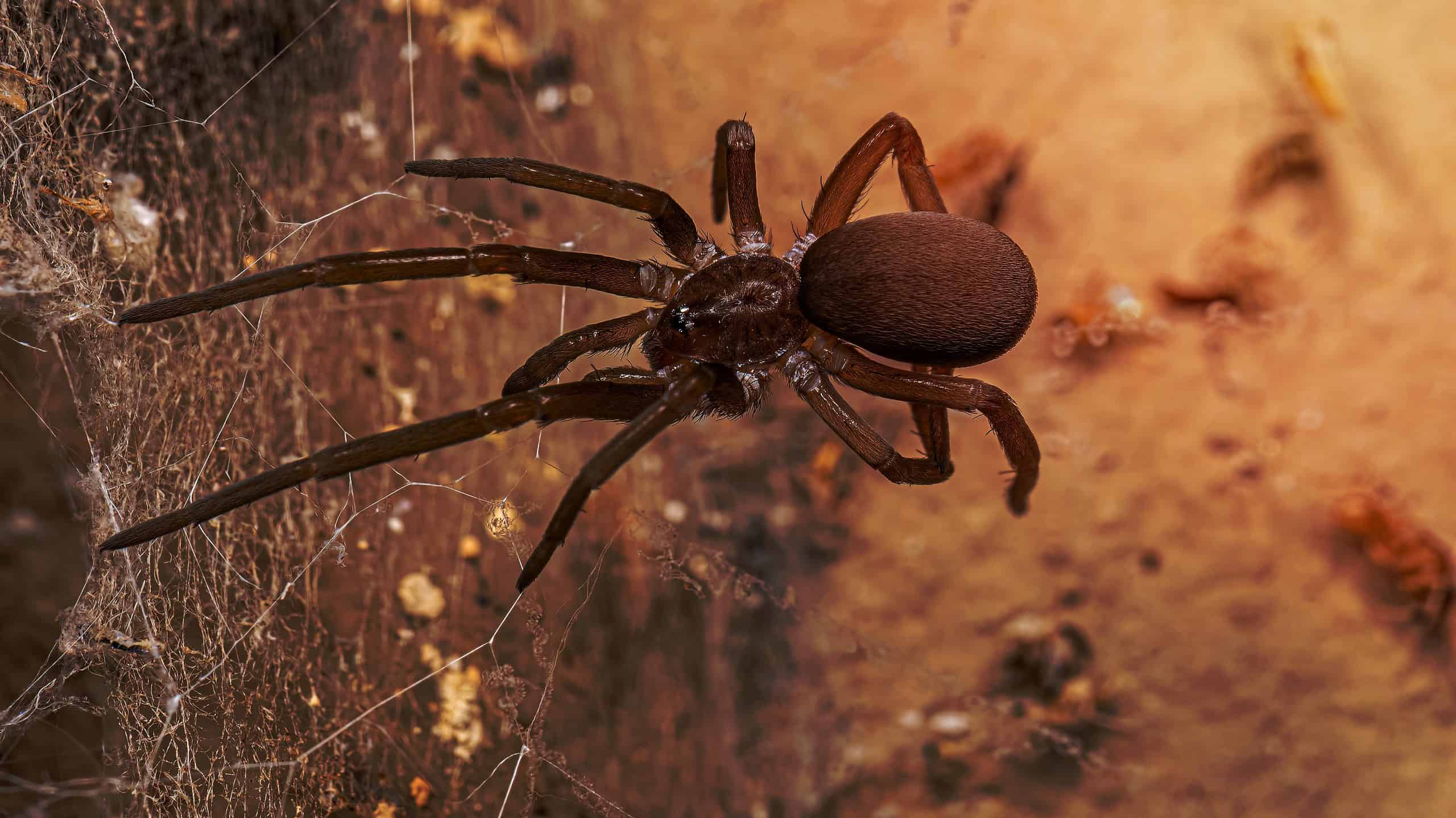
Some house spiders can grow to massive sizes.
©David McElroy/Shutterstock.com
As beneficial as some spider species might be, others can be quite dangerous. For example, in certain regions, the brown recluse or the black widow pose major threats. Their bites contain venom that can cause a variety of health issues. That being said, it’s important to keep them out of and away from your home.
Additionally, no matter how harmless some spiders might be, most people don’t exactly feel comforted by these creepy crawlers roaming around their homes.
So, how can you prevent them from entering your sanctuary?
Focus on Prevention
“As always, the best way to prepare for pests indoors is prevention,” says Dolshun. “You can keep an eye out for cracks and entry points around windows and doors. Keep your storage spaces clear of clutter, especially your basements and attics. You can also vacuum baseboards to remove webs and egg sacs.”
Additionally, spiders often prefer seclusion, hiding in dark or undisturbed places. This might mean they go unnoticed for some time. If you’re noticing a large number of spiders around your home, you might want to check these common hiding spots to identify the main source.
“Spiders live in stored boxes that have not been moved in a while, so be sure to check any boxes for harboring spiders,” adds McHale.
Decrease Your Humidity
Spiders also thrive in humidity, requiring a certain level of moisture to survive. In fact, their molting process heavily relies on high humidity. That being said, if you create an unsustainable environment for them, they’re unlikely to seek shelter in your home.
“Decreasing the humidity level in your home can help in managing and eliminating spiders,” says McHale.
Learn to Coexist
Of course, Dolshun points out that spotting one or two spiders isn’t a cause for concern (unless they’re venomous). However, if you notice a significant increase, you might want to consider the above tips to prevent them from entering.
“Coexisting with a few is usually a benefit, but the line can be thin for being overrun,” he says.