
Quick Take
- This spider has eight eyes and is nearly blind. So how does it hunt at night inside a dark tunnel? How it senses in darkness →
- That fluffy coat isn't just decorative. It doubles as a weapon that can stop a predator cold. See the bristle defense →
- The label on a pet curly hair tarantula almost certainly tells you where the paperwork came from, not where the spider did. Why pet labels mislead →
- A fall of just a few inches can kill this spider, which makes its calm reputation as a beginner pet a bit more complicated. Handling risks explained →
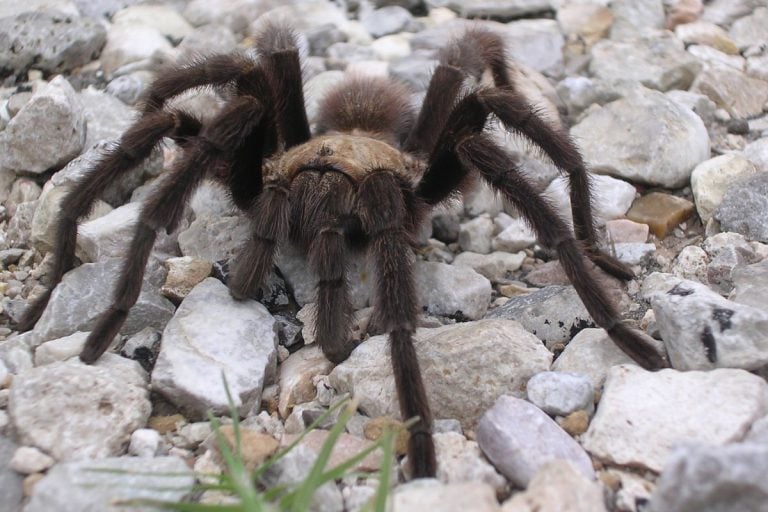
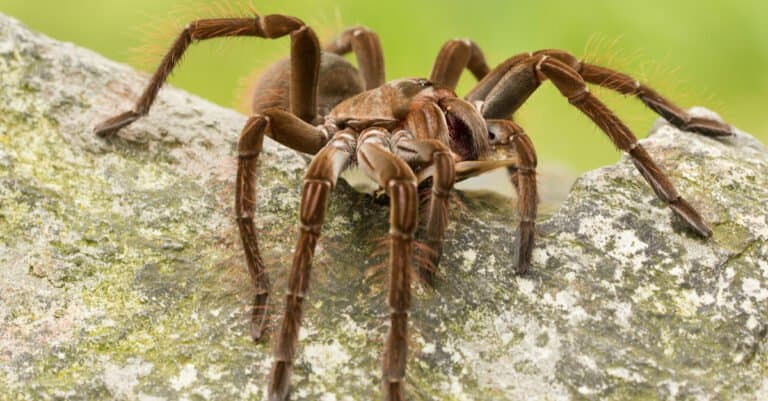
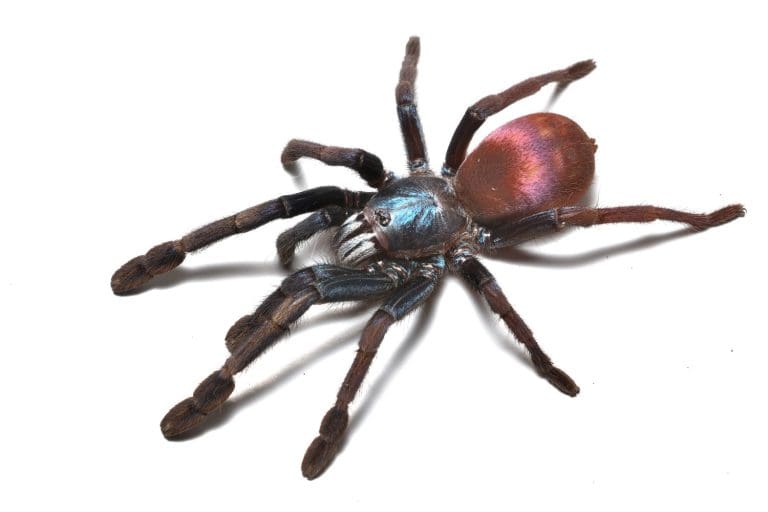
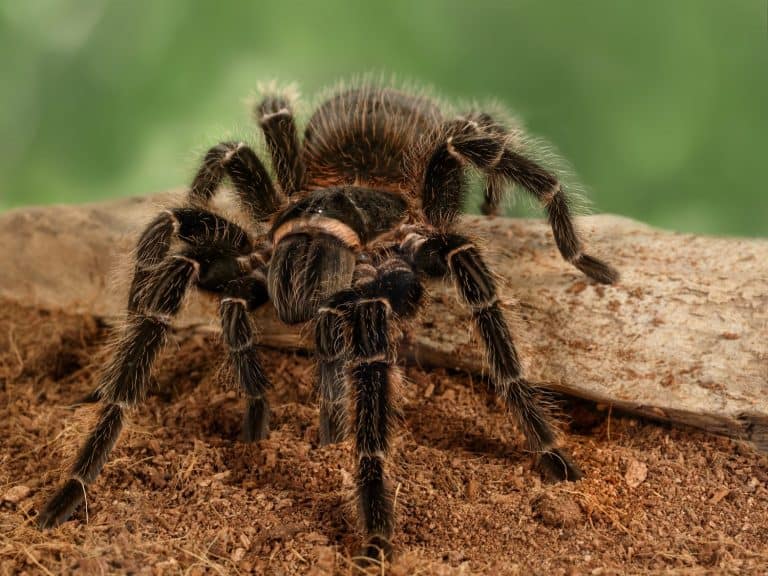
The curly hair tarantula is a stocky, surprisingly fuzzy spider native to the warm, humid forests of Nicaragua, Honduras, and Costa Rica. Scientists first named the species in 1980, but gave it an updated group name in 2019 after studying its physical features and DNA more closely. Its official name comes from the indigenous Nahuatl language and roughly translates to “black spider.”
Life Underground
In the wild, these tarantulas are dedicated diggers that spend their lives in underground homes. They carve out tunnels in the soil between tree roots, tuck themselves under rocks and fallen logs, or move into empty burrows left behind by snakes, rodents, lizards, or other tarantulas. This underground home is vital to their survival. It shields them from scorching daytime heat, traps necessary moisture, hides them from hungry predators, and gives them a safe, quiet space to shed their outer skin so they can grow.
The pet trade can make tracking where these spiders come from a bit confusing. They are frequently sold to enthusiasts as either “Honduran” or “Nicaraguan” curly hairs, even though the very first specimens formally documented by scientists were found in Costa Rica. These labels usually have more to do with shipping paperwork than distinct wild populations, and genetic studies show that the species lives naturally across the region, with researchers still mapping out subtle regional differences.
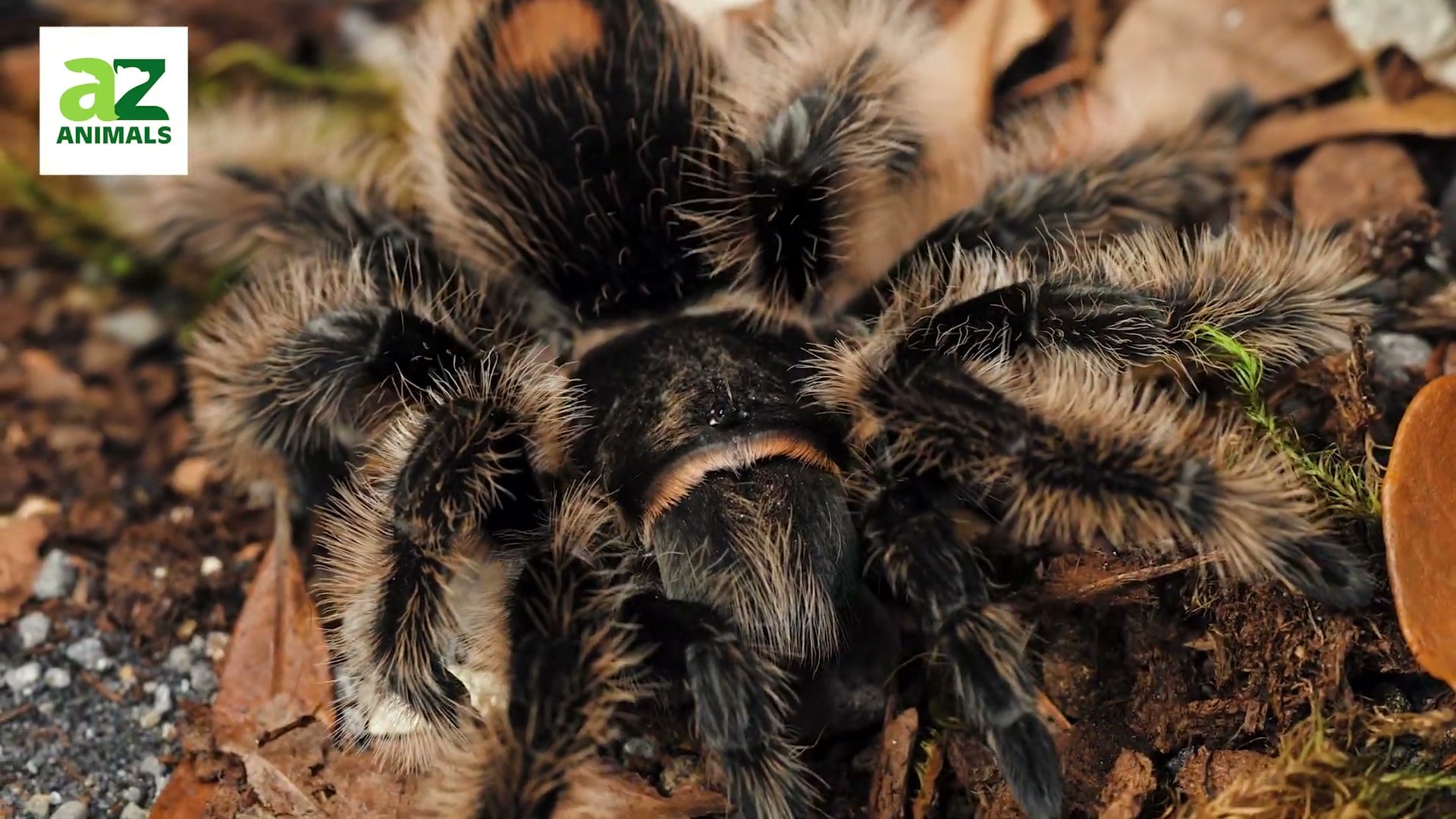
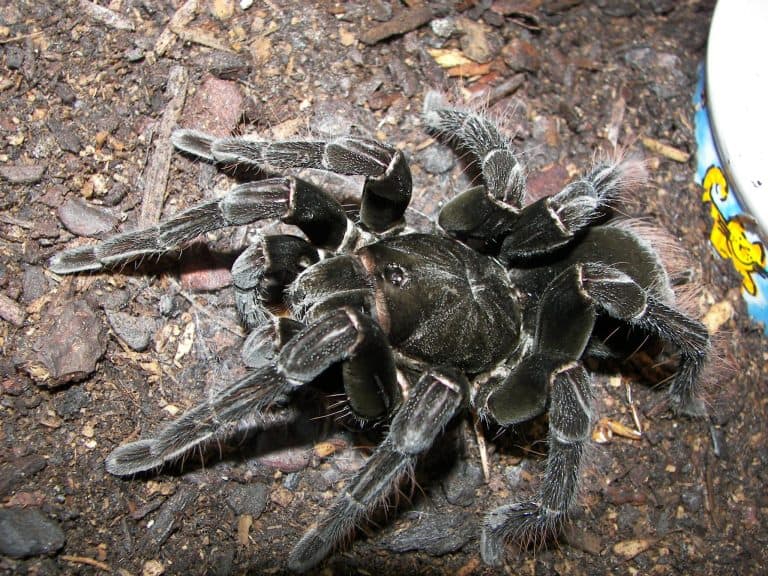
These spiders spend their lives in their underground homes.
©A-Z-Animals via YouTube — used under fair use – Original / License
Experiencing the World Through Hair
Those long, gently spiraled hairs that give the spider its name are actually its main way of experiencing the world. Despite having eight eyes, curly hair tarantulas have terrible vision. Instead, they rely on a network of specialized hairs covering their legs, feelers, and body that pick up physical movement and chemical signals. Extremely fine, flexible hairs mounted in loose sockets act like sensitive motion detectors, picking up microscopic air currents and faint vibrations. Other hairs feature tiny openings that let the tarantula “taste” whatever it touches.
Describing this system as “seeing, smelling, and hearing with their hair” is a great way to picture it. Each type of hair handles a job that animals with backbones would split among eyes, ears, and a nose. For an animal that hunts at night and lives in a dark tunnel, having senses spread across its whole body works far better than sharp eyesight.
A Built-In Defense System
That signature fuzz serves a protective purpose, too. Like most tarantulas native to the Americas, curly hairs carry barbed bristles on the top of their bellies. When the spider feels threatened, it quickly scrapes its back legs against its body to launch a tiny cloud of prickly hairs into the air. These barbs get stuck in the skin, eyes, and noses of potential attackers—like small mammals, birds, or coatis—causing intense itching and stinging. For humans, the reaction is usually limited to an itchy rash or irritated eyes, though owners are advised not to touch their face after tending to their spider.
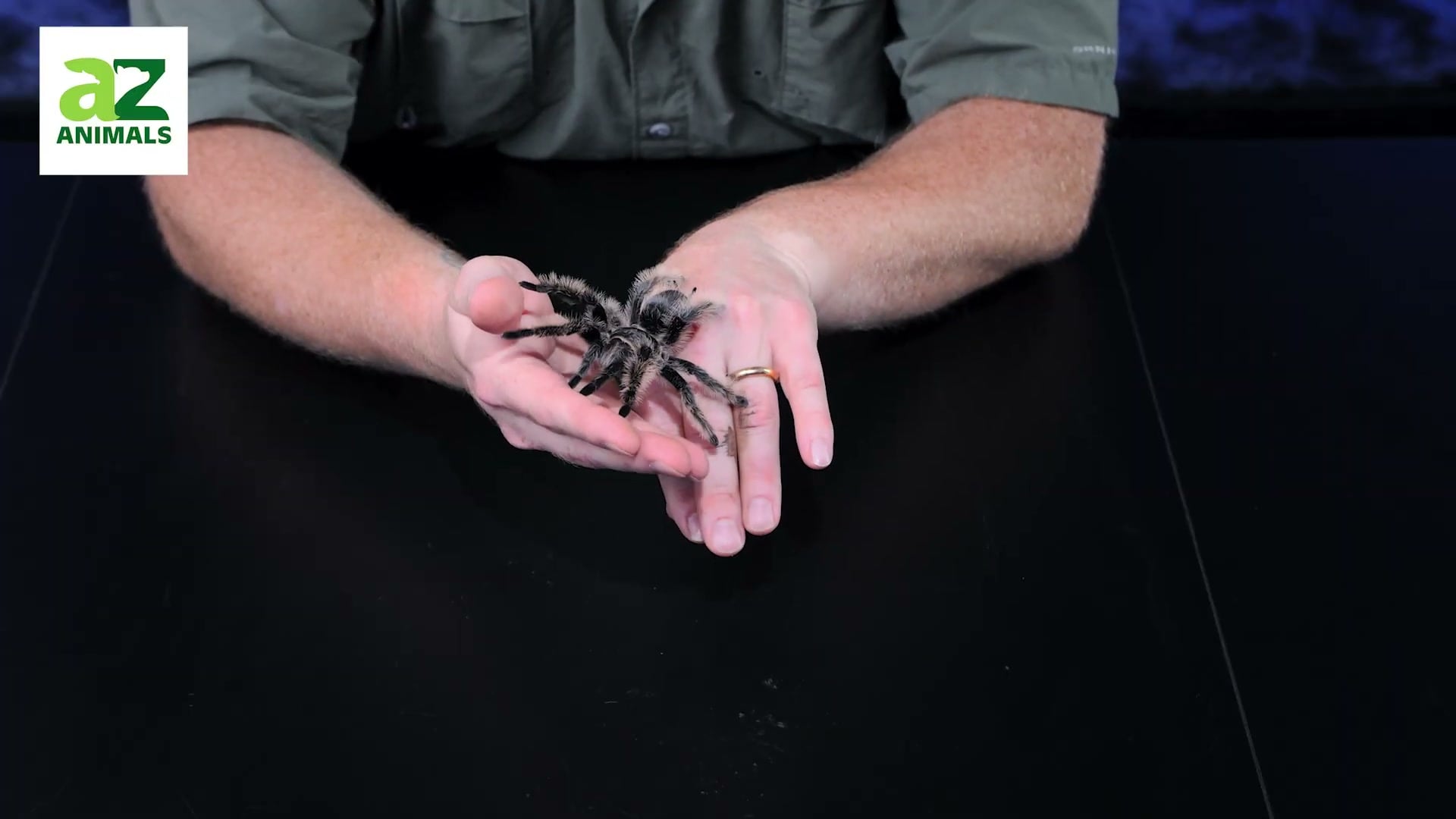
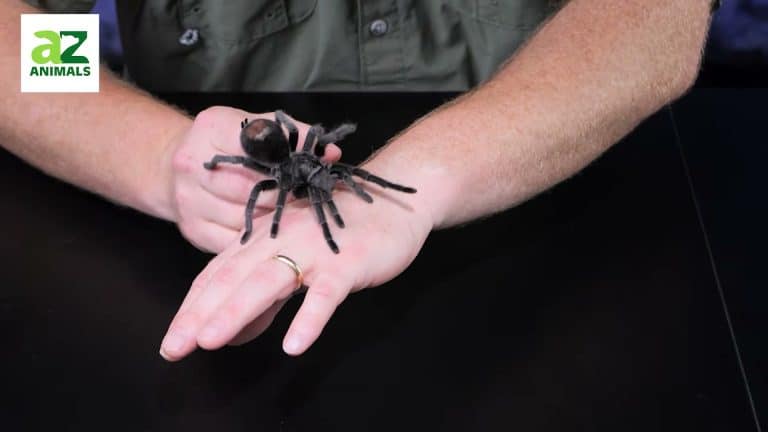
A fall from even a few inches can be fatal for this tarantula species.
©A-Z-Animals via YouTube — used under fair use – Original / License
Life as a Pet
This defense system, paired with a remarkably slow and calm personality, explains why the species is so popular in the pet world. Curly hairs tend to stay out in the open rather than hiding all day, they handle a wide range of moisture levels easily, and most pets are bred in captivity, which keeps wild populations safe from over-collecting. Females can live for around 20 years in captivity, while males typically live only around 4 to 8 years in total.
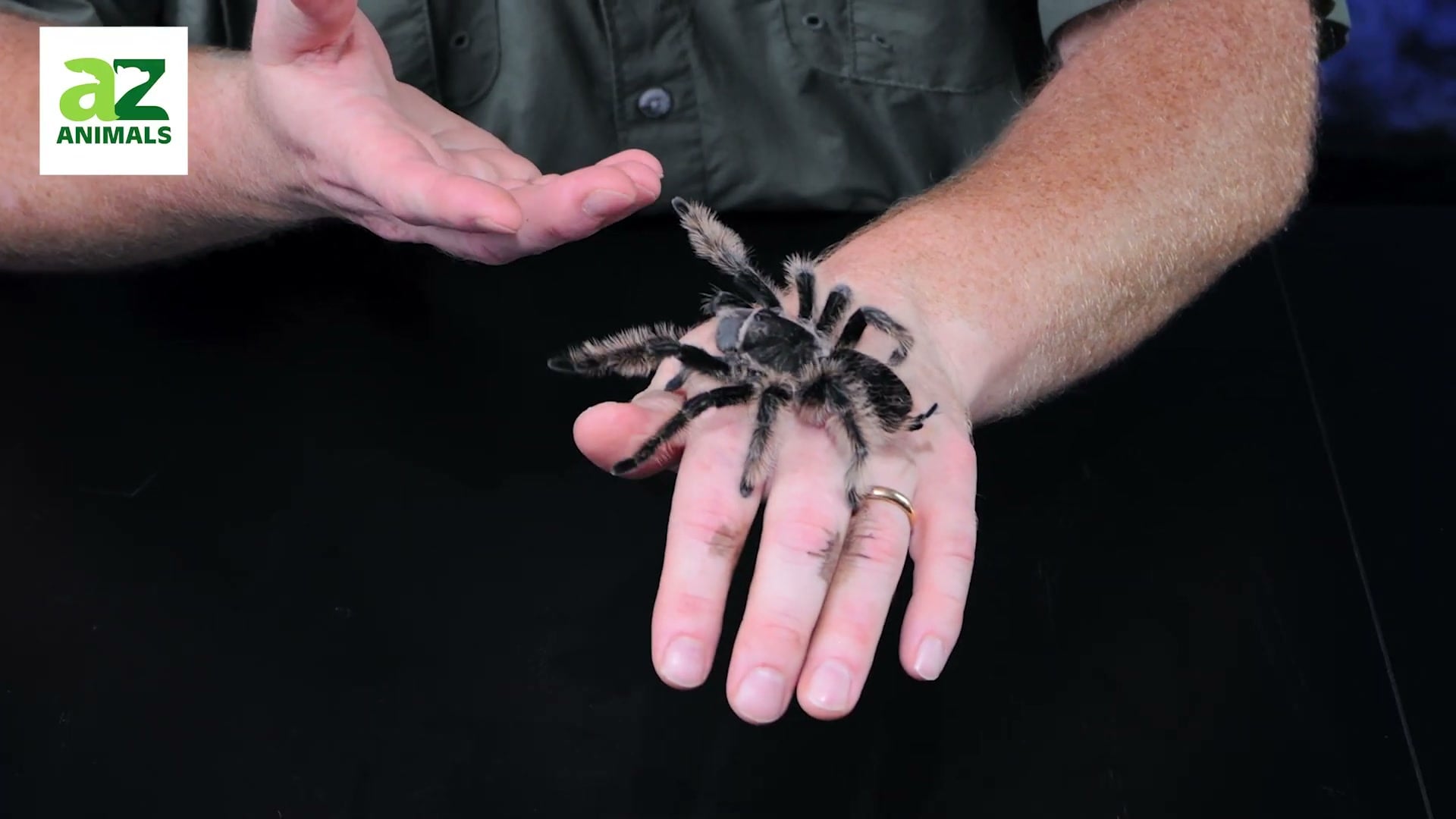
Even with their mild temperaments, handling is best kept to a minimum. A fall from even a few inches can crack a tarantula’s delicate body, and a stressed spider may kick defensive hairs or, very rarely, bite. Watched safely from outside its tank, the curly hair tarantula gives us a fascinating look at how a creature guided almost entirely by touch and taste navigates its world.
Make sure to check out The Tarantula Collective on YouTube for even more amazing tarantula facts!