
Standing inside the Cincinnati Zoo & Botanical Garden today — surrounded by sprawling habitats, world-class veterinary facilities, and gardens bursting with biodiversity — it’s hard to imagine the institution as it looked when it first opened in 1875. This year marks the Zoo’s 150th anniversary, and while much has changed over the past century and a half, the Zoo’s mission and vision have remained unchanged.
In 1875, the world was in the middle of the Industrial Revolution. Trains rumbled across America. Electric lights were new. Many Cincinnati residents had never seen a tiger or elephant, except in books or traveling circuses. Yet, in the middle of this bustling city, civic leaders worked to build something extraordinary: a lush European-style garden filled with exotic flora and fauna, designed to bring nature, culture, and wonder to urban life.
More than 150 years later, that Victorian dream has blossomed into one of the world’s most respected zoological and botanical institutions. Today, the Cincinnati Zoo is celebrated not just for its animals and exhibits but also for pioneering conservation science, sustainability, and wildlife education. Its most famous resident — Fiona the hippo — may have captured millions of hearts, but the Zoo’s legacy reaches far beyond a single celebrity animal.
A Vision Born in 1875
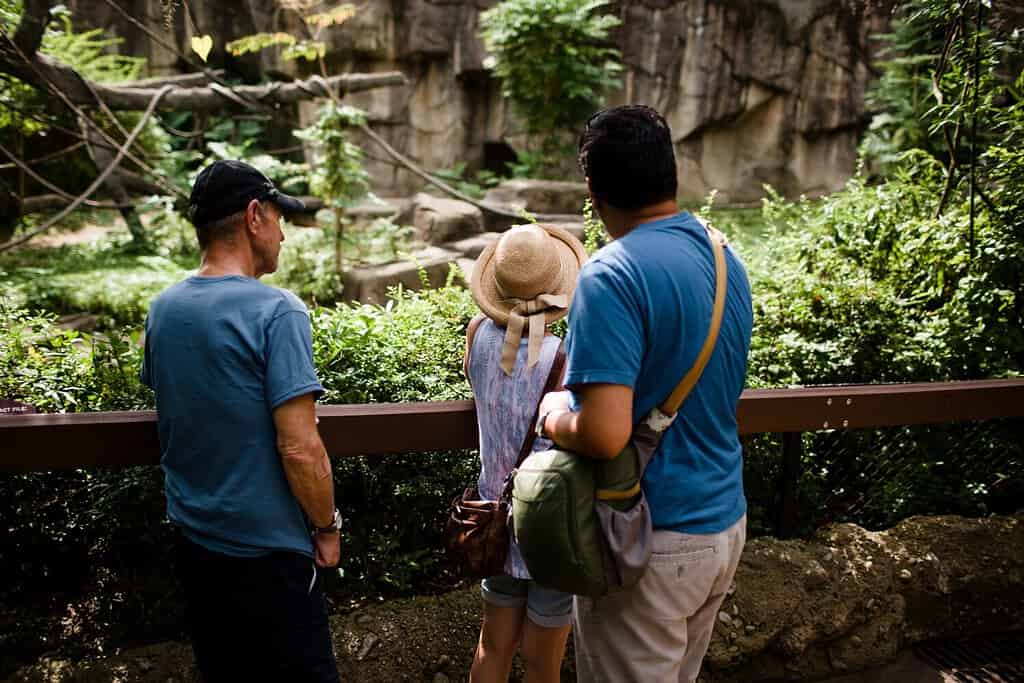
The Cincinnati Zoo has a long and rich history of attracting visitors from around the world.
©Cavan-Images/Shutterstock.com
“The Cincinnati Zoo & Botanical Garden officially opened on September 18, 1875, making it the second oldest zoo in the United States,” says Michelle Curley, the Communications Director at the Cincinnati Zoo. “It was founded by Andrew Erkenbrecher and other German immigrants who wanted to bring a touch of the Old World to America, creating a beautiful urban garden filled with exotic animals and cultural experiences.”
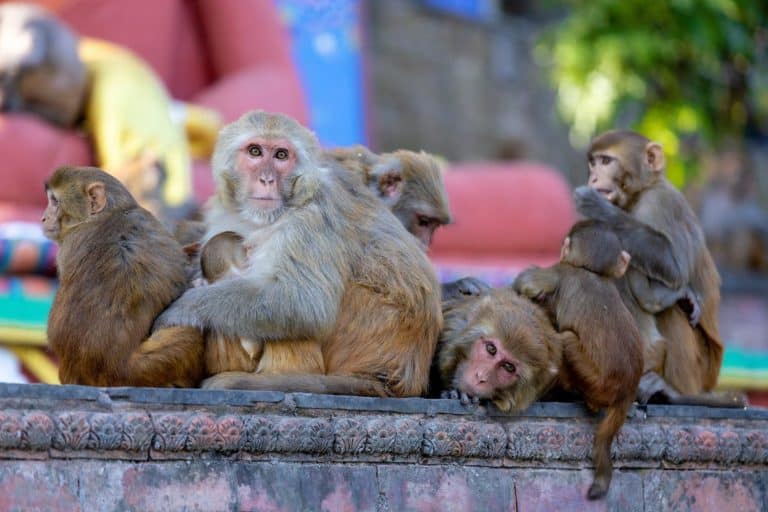
At its start, the Cincinnati Zoo was far from the sprawling institution visitors know today, and its early animal residents reflected those modest beginnings. Curley explains that the first collection featured animals such as eight monkeys, two grizzly bears, three deer, six raccoons, two elk, a buffalo, a hyena, a tiger, an alligator, a circus elephant, and more than 400 birds, including a talkative crow. Yet what set the Zoo apart wasn’t the size of its menagerie, but the intention behind it. As Curley puts it, the founders set out to “combine education, entertainment, and horticultural beauty, offering a place where people could connect with nature in the heart of the city,” a guiding philosophy that continues to shape the Zoo’s mission today.
The Early Years
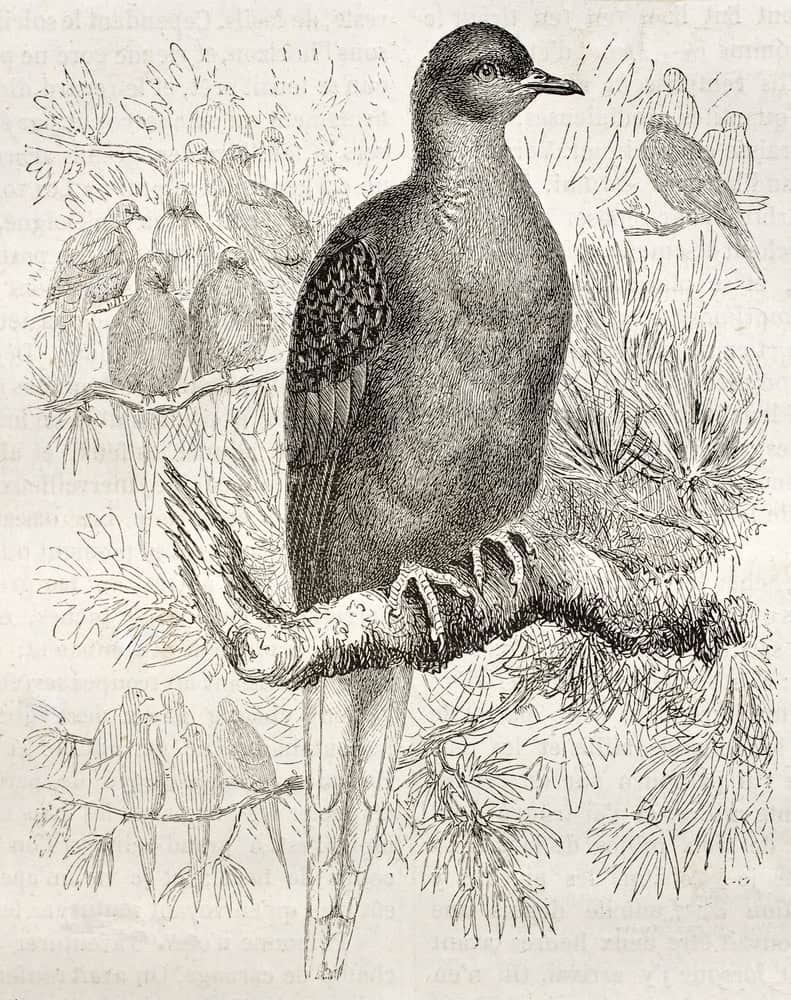
The last passenger pigeon, Martha, passed away at the Cincinnati Zoo
©Marzolino/Shutterstock.com
As decades passed, the Cincinnati Zoo weathered cultural shifts, financial hardships, and new expectations about animal care. In the late 19th and early 20th centuries, zoos around the world focused on collecting and displaying exotic animals. Yet even early on, Cincinnati’s leadership instinctively leaned toward education and preservation, values that deepened as the institution matured. One of the earliest and most sobering lessons came in 1914 with the death of Martha, the last known passenger pigeon. Her passing at the Cincinnati Zoo marked the extinction of a species once so abundant it filled American skies. The moment underscored the urgency of wildlife protection long before conservation was a global priority.
That moral and scientific awakening set the stage for future innovation. Curley reflects that, over time, the Zoo learned that public institutions must adapt to remain meaningful. “One of the most important lessons has been that zoos must evolve to prioritize conservation and provide great, naturalistic homes for animals,” she explained. Early zoos were built for human curiosity, but modern ones must also honor animal welfare and global biodiversity. Today, Cincinnati is recognized as a leader in sustainable practices and progressive exhibit design, a transformation driven by decades of learning and determination.
The Scientific Leap That Redefined the Zoo

Cincinnati Zoo prides itself on being a world leader in conservation.
©Larimer Conservation District
A true watershed moment came in 1981, when the Zoo launched the Center for Conservation and Research of Endangered Wildlife, better known as CREW. With that move, Cincinnati signaled that it wasn’t just a place to view wildlife, it was a place to save it. CREW drove breakthroughs in plant cryopreservation, fertility science, and endangered species recovery. “The creation of CREW… marked a turning point,” Curley notes, allowing scientists to develop assisted reproduction techniques for threatened animals and preserve rare plant genetics for future restoration.
That focus on science also shifted how the Zoo communicates with its guests. Rather than simply presenting animals, educators encourage visitors to actively participate in protecting wildlife. Curley emphasizes that “public engagement has shifted toward immersive education, programs like Zoo Troop and behind-the-scenes experiences help visitors understand their role in protecting wildlife.”
And in the digital age, connection extends far beyond the zoo grounds. Fiona the hippo — born six weeks premature in 2017 — became a global symbol of resilience thanks to the Zoo’s openness in sharing her fight for survival. “Transparency and storytelling… build deep community trust and global support,” Curley says, a lesson that continues to guide the Zoo’s public outreach.
One of the most important lessons has been that zoos must evolve to prioritize conservation and provide great, naturalistic homes for animals.
Michelle Curley, the Communications Director at the Cincinnati Zoo
Animals Who Made History and Hearts Melt

Young hippos like Fiona and her brother Fitz are popular staples to see at the Cincinnati Zoo.
©BBC Earth / YouTube – Original
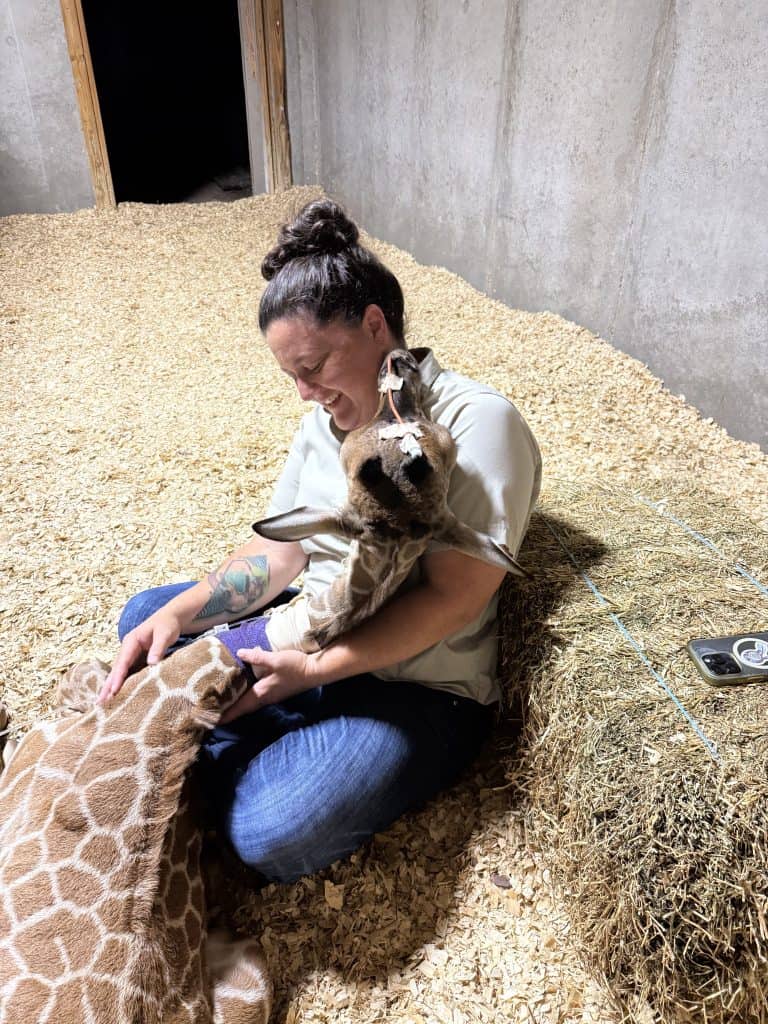
Throughout its history, the Cincinnati Zoo has cared for some truly remarkable animals. In 1889, the first giraffe born in the Western Hemisphere arrived there, a stunning achievement at the time. The Zoo has also played an essential role in bringing back species on the brink of vanishing. “The Zoo has been home to rare species like the Guam kingfisher,” Curley shares, a bird now extinct in the wild but being bred for eventual reintroduction.
Then there are the modern stars — most notably Fiona and, now, her baby brother Fritz — hippos who won the internet and made Cincinnati a household name. Another part of the Zoo’s charm lies in its quirkier residents. Aardwolves, giant fruit bats, and hellbenders have all graced its habitats, and recently, a babirusa named Moe — with his unusual curling tusks and pig-deer looks — became a fan favorite. These animals reflect the Zoo’s dedication not only to charismatic megafauna, but to the weird, rare, and wonderful species that make Earth astonishing.
Milestones That Built a Movement

Using solar panels, the Cincinnati Zoo has become the “Greenest Zoo in America.”
©Dmitrii Pridannikov/Shutterstock.com
Many historic institutions become static over time, but the Cincinnati Zoo did the opposite. It continually reinvented itself, balancing tradition with innovation. The Zoo hosted summer opera performances in the 1920s, blending the arts with natural beauty; it opened the nation’s first dedicated insect building in 1978; and in 2011, it installed the largest publicly accessible urban solar array in the United States, cementing its identity as “the Greenest Zoo in America.” Each milestone represents a pivot toward a more sustainable, research-driven, forward-thinking mission. Most recently, the Zoo opened Elephant Trek, the largest habitat in its history, reflecting modern standards in animal care and emphasizing the need to protect elephants in the wild.
A Mission Grounded in Community

The Cincinnati Zoo hosts programs with students and other Cincinnati community groups to create local connections.
©DisobeyArt/Shutterstock.com
Today, the Cincinnati Zoo champions a mission centered on “Adventure, Conservation, and Community.” Curley notes that animal care has transformed dramatically over the years, with naturalistic habitats replacing bars and concrete, and veterinary science ensuring world-class welfare. But beyond innovation, the Zoo remains deeply rooted in Cincinnati itself. It partners with schools, supports neighborhood programs, and runs initiatives that help both local and global wildlife. “The Zoo also embraces community partnerships,” Curley emphasizes, highlighting work to help people and wildlife coexist around the world.
A large part of the Zoo’s success comes from making people feel like stakeholders. When generations of families grow up loving the same Zoo, supporting its mission becomes second nature. And that sense of belonging will be vital for the next century.
Looking Toward the Next 150 Years
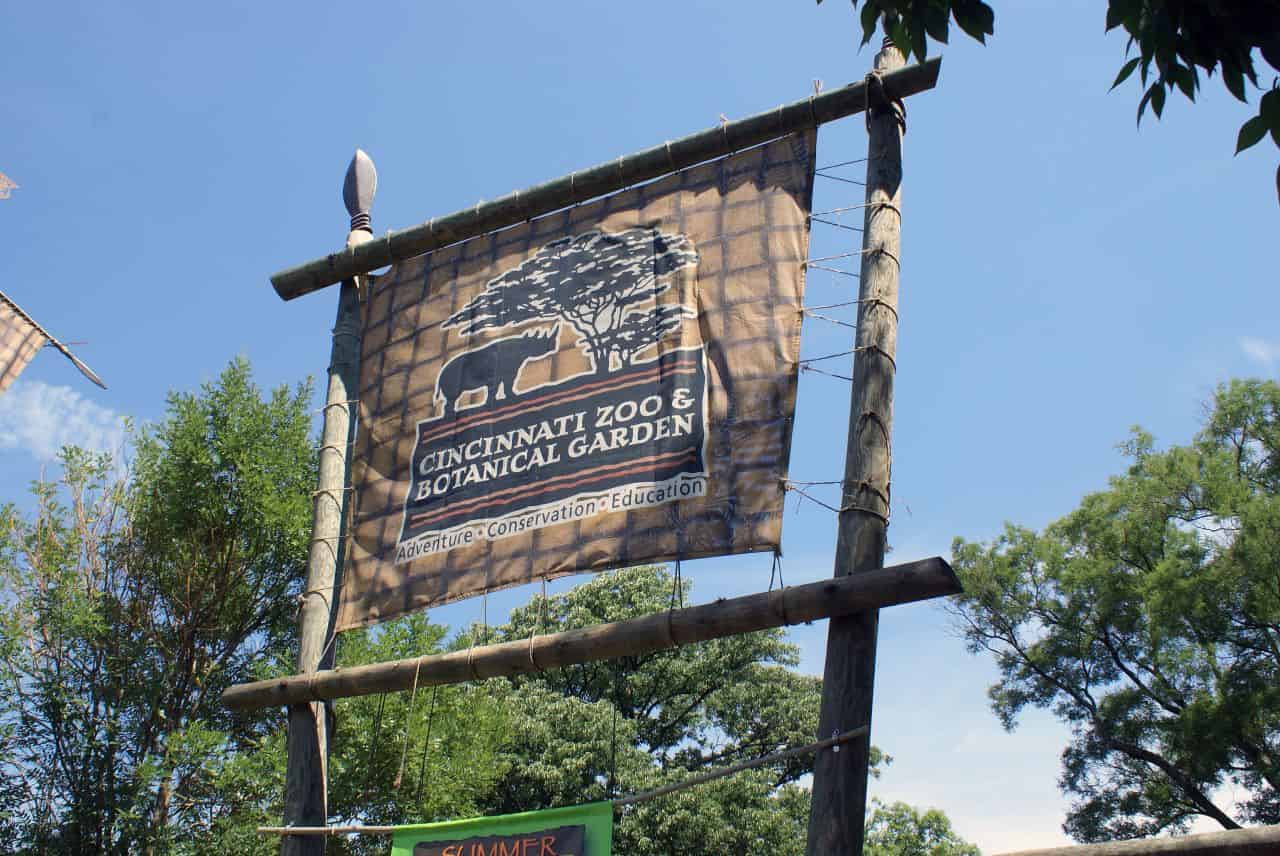
What will the next 150 years bring for the Cincinnati Zoo?
©Mind meal at en.wikipedia, CC BY 2.0 <https://creativecommons.org/licenses/by/2.0>, via Wikimedia Commons – Original / License
As the Cincinnati Zoo marks its 150-year milestone, the celebration isn’t just about honoring history; it’s also about charting the future. Curley hopes visitors will recognize that the Zoo is more than just a place to spend the day.
“We hope people see the Zoo as more than a place to visit; it’s a living classroom and conservation hub that has adapted to meet the challenges of each era,” she says. Looking forward, she explained, the focus will deepen on coexistence, sustainability, climate resilience, and scientific research. “The next century will focus on coexistence, climate resilience, and leveraging science to save species, while continuing to offer joy and wonder to every visitor.”