
Quick Take
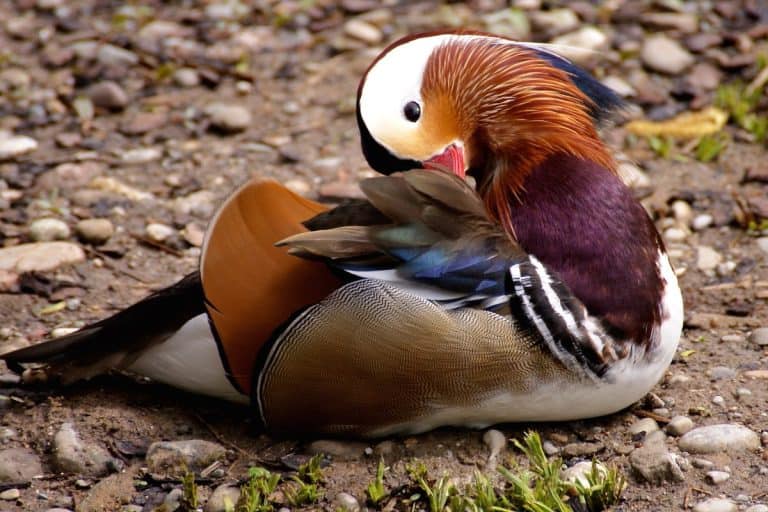
- In birds, preening helps maintain feather health and hygiene.
- Allopreening in the process of one bird preening another.
- Allopreening helps access difficult-to-reach spots to keep feathers well groomed.
- Because it involves care and attention, allopreening also helps with social bonding and reduces tension and aggression within colonies.
We are likely all familiar with preening, the well-known and important bird behavior that helps maintain feather health and hygiene. But what is allopreening? Put simply, allopreening is birds preening one another, and it’s important for reasons other than hygiene. This YouTube video by Naty’s Adventures shows two Rockhopper penguins preening each other. Read here to learn more about allopreening and why it is crucial for birds.
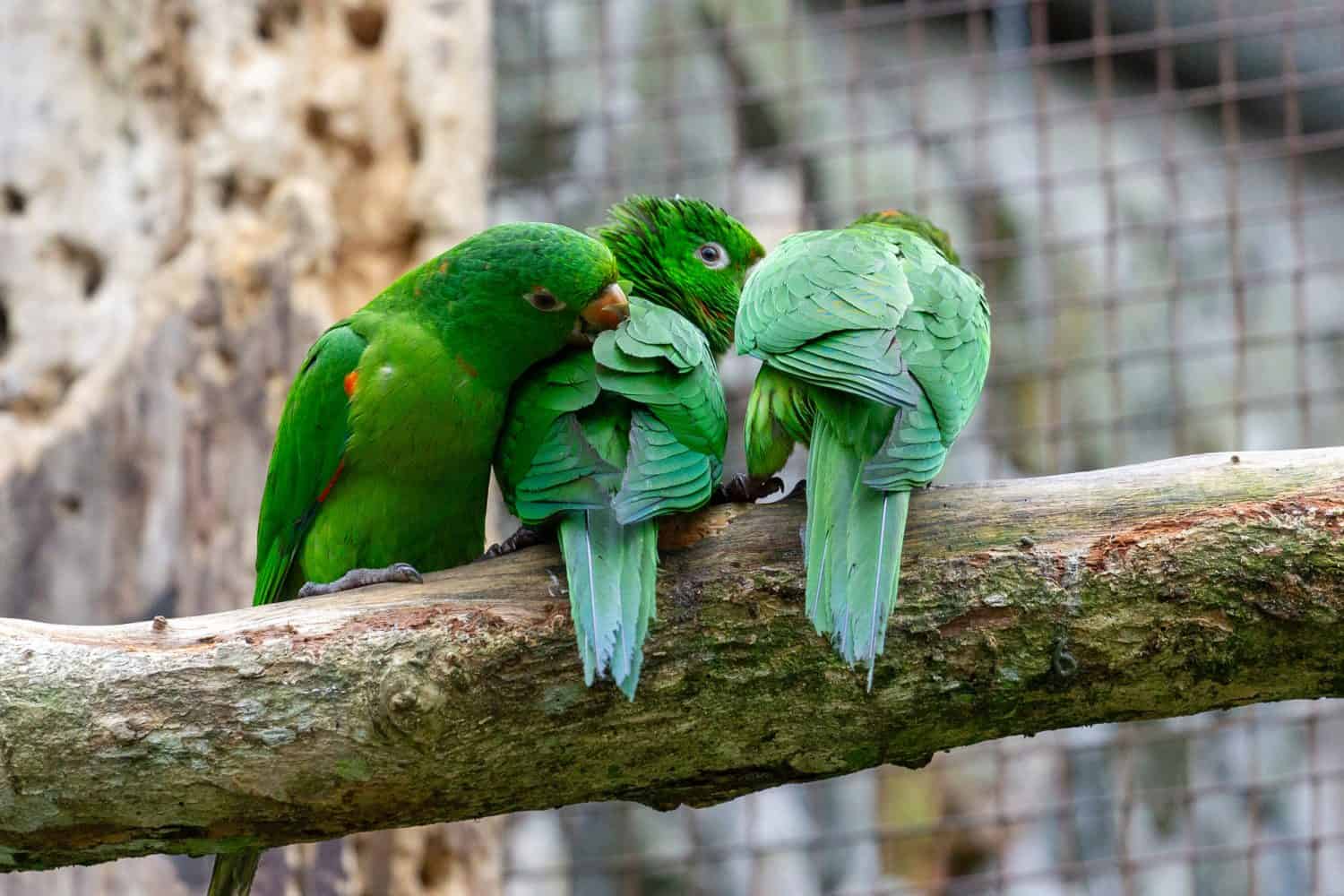
Allopreening isn’t just for feather health, but is also a form of social bonding.
©NILTON E. MAIA/Shutterstock.com
Why Do Birds Allopreen?
Allopreening literally means one animal preening another and is mostly seen in birds. Using their beaks, one bird cleans and straightens the feathers of another. It’s important for many different reasons, especially for accessing hard-to-reach areas. Since there are many spots that birds can’t reach when preening themselves, helping a friend provides a valid purpose. Many different bird species allopreen. Some examples include parrots, penguins, finches, crows, and doves, but there are many more examples. The wide range of birds that engage in this behavior highlights the importance of allopreening. While mammals do not allopreen like birds, they do partake in similar hygiene-helping behavior. For example, monkeys often pull ticks off each other.
Though there are many reasons why birds preen each other, the most important factor is feather maintenance and hygiene. Like normal preening, allopreening helps remove dirt and parasites such as ticks from the body. It also helps straighten feathers. If feathers aren’t preened, it can cause issues with flight, waterproofing, and insulation. Since allopreening helps reach difficult spots, it prevents birds from becoming unwell due to parasites.
Allopreening is also important in forming social bonds. Because it involves care and attention, preening each other helps reduce tension and aggression within colonies, promoting harmony. It also helps to strengthen social bonds, especially for mates, reinforcing trust and cooperation. Similar to how social grooming in mammals can influence bonding hormones, allopreening in birds is thought to help form connections and reduce stress. Whether it’s between mates, parents and children, or simply two birds in the same flock, allopreening is an important form of communication and connection.