
Quick Take
- Scientists have spent decades trying to eliminate the mosquito, but a new approach flips that logic entirely by turning the bite itself into the solution. See the new approach →
- There's a narrow window after a malaria bite where the parasite is vulnerable, and hitting it at exactly that moment does something researchers have never managed before. See how timing matters →
- After a single treatment, every future infected mosquito bite may do the opposite of what you'd expect. Discover the lasting effect →
- The dose of parasites needed to trigger lasting protection surprised even the researchers who built the drug. See the surprising dose details →
For scientists studying malaria, the mosquito has always been viewed as the enemy. But recent research has turned that view upside down.
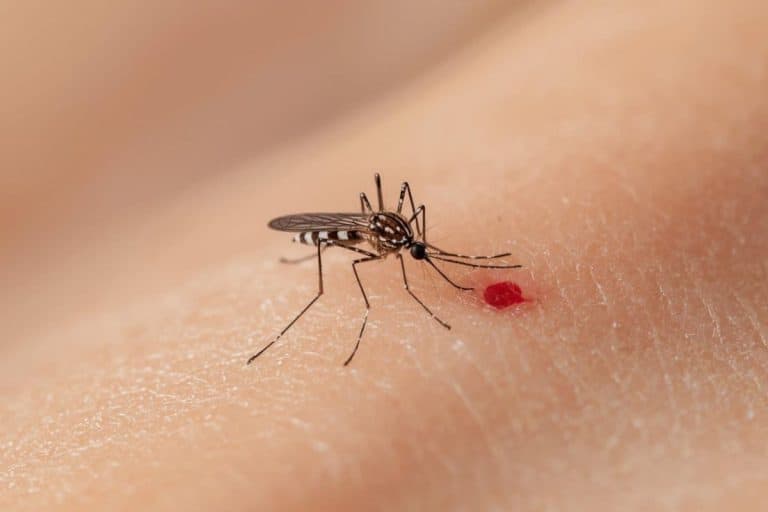
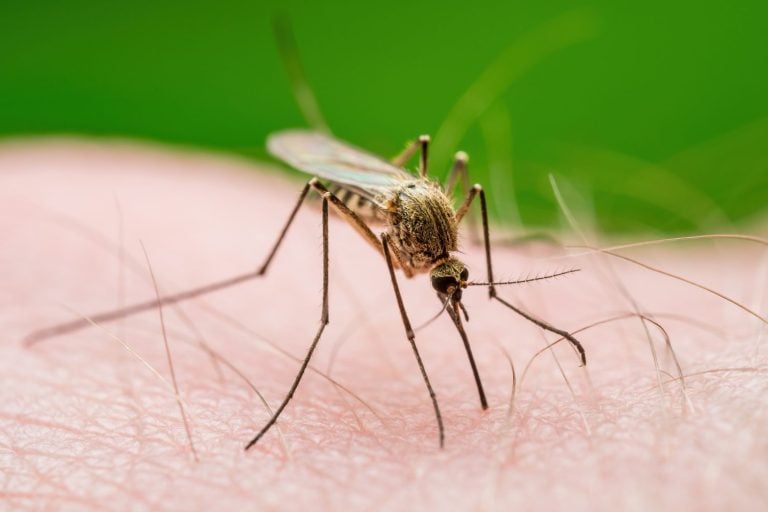
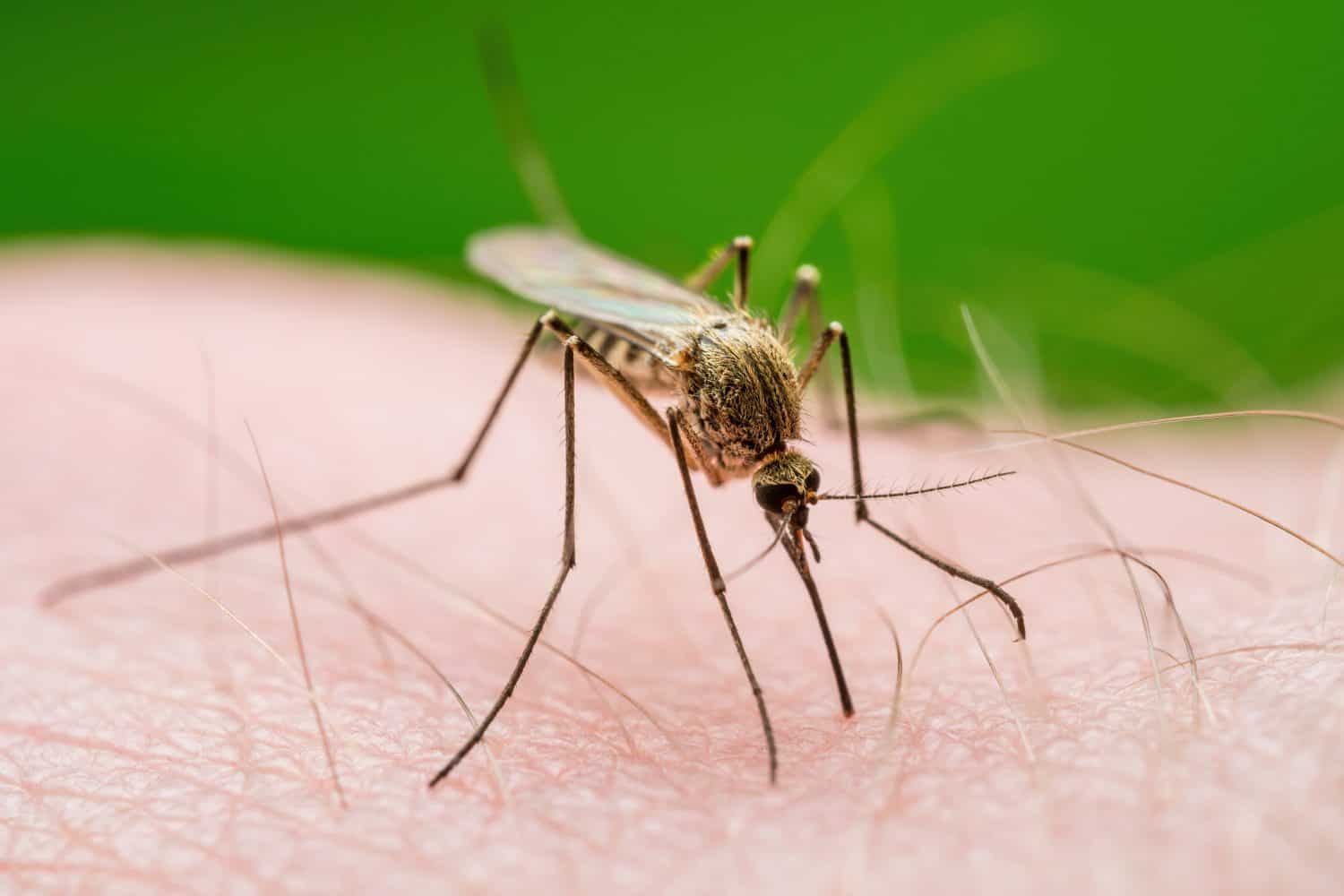
Researchers in Australia have found a way to turn bites from the malaria-carrying Anopheles species of mosquito into a potential immunity-boosting vaccination. The discovery may solve a problem that kills hundreds of thousands of people each year.
Continue reading
The Bite That Turns Deadly
In 2024, malaria transmitted by mosquitoes killed more than 600,000 people worldwide. Most of the deaths were young children in Africa. In fact, according to the World Health Organization (WHO), 95 percent of malaria-related deaths happened on the African continent. Children under five years of age made up about 76 percent of those deaths.
The data gets even grimmer. Historically, WHO has said that a child dies every minute from malaria in Africa, a statistic that has only recently been revised to every two minutes globally.
Malaria infections are on the increase as the parasite responsible for the deadliest form of malaria, Plasmodium falciparum, becomes more and more resistant to anti-malarial drugs. Mosquitoes carry the parasite, making transmission through a bite easy.
It’s one of the reasons scientists are working urgently to find new prevention strategies.
An Unexpected Solution
Researchers at the Walter and Eliza Hall Institute (WEHI) in Melbourne, Australia, turned to mice for a solution to preventing malaria. In the new study, just published in the journal Science, researchers let malaria-infected mosquitoes bite the mice, but then quickly infused the mice with an experimental anti-malarial drug.
The treatment actually consists of two compounds, WM382 and MK-7602, which were developed by the researchers in partnership with the pharmaceutical company MSD. The compounds were the result of a decade-long joint research project. Both compounds work in the same way — they block the chemicals that malaria parasites need to survive.
The new treatment is called a chemovaccination, a scientific term that refers to using a drug in combination with natural exposure to a parasite to train the immune system. In this case, the chemovaccination causes new mosquito bites to act as immunity boosters for the mice. This helped protect the mice in the study from getting malaria again for up to two years.
How the New Approach Works
Malaria patients don’t get sick immediately after getting bitten by an infected mosquito. The process is more drawn out.
It begins with the parasites traveling to the bite victim’s liver, where they settle in and grow before entering the bloodstream. The liver stage takes about five to seven days, and during that time the victim doesn’t feel sick at all, though the full period before symptoms appear can stretch from one to four weeks. It’s only after the parasites get into the victim’s bloodstream that signs of the disease, like headache, fever, and chills, begin to show.
The new chemovaccination approach stops the parasites from leaving the liver, preventing the victim from ever exhibiting signs of the disease. Scientists call this the immune system’s “sweet spot,” the point where the parasite has been around long enough for the victim’s body to prepare for the threat without having to actually battle it.
That gives the body time to build up immunity for future malaria infections. This chemovaccination is the first time researchers have been able to stop the parasite at this exact point.
The treatment starts with an injection of the chemovaccination. After that, future mosquito bites act like natural immunity booster shots. Each bite strengthens the mice’s existing immunity rather than making them sick.
Researchers hope the same behavior can be replicated in humans. That would allow for a vaccinate-once, then-let-nature-do-the-boosting approach. It would ideally allow people living in malaria-prone regions to build stronger immunity to the disease over time as they are repeatedly bitten by infected mosquitoes.
How Long Does Immunity Protection Last?
In the study, researchers found that the mice were protected from malaria for up to two years. In practical terms, that ensures protection for two full malaria seasons in the real world.
It works by triggering two different responses in the mice’s immune systems. First, it boosts the production of antibodies and special immune cells that attack infected cells. Second, it generates specific liver-based “memory” immune cells that can respond quickly to future infections.
One surprising result during the study was just how small a dose of parasites was required to trigger this response. In older vaccines, the amount of parasites required was much larger.
“The immune response generated required only a very small dose of parasites but was broader and longer lasting than most current vaccine approaches. This is because our approach allowed parasites to amplify and then triggered both antibodies and CD8+ T cells to protect against reinfection. Importantly, this included liver‑resident memory T cells, which have the potential to respond rapidly to future infections and eliminate them before disease develops,” said Associate Professor Justin Boddey, a co-author of the study and head of the WEHI laboratory, in a press release announcing the findings.
What’s Next?
This initial research has only been conducted in mice so far. There is no guarantee human bodies will respond in the same way. However, a long-acting injectable version of the drug is in early development. The compounds used in the injection are still in the investigative stage and not approved for human use yet.
But scientists are optimistic that what has worked in mice in the lab may someday be applied on a larger scale in regions affected by malaria.