
If you’re a pet owner, you likely know that every animal has its own personality. Some might be timid and withdrawn, while others might be energetic and outgoing. However, recent studies indicate that animals may show brain and behavior patterns once thought to be uniquely human, including traits akin to ADHD or hypersocial behaviors.
In other words, your pet could have a “neurodivergent” brain. Here’s what you should know about neurodivergence in animals—and how to care for your impacted furry friends.
Signs of Neurodivergence in Pets
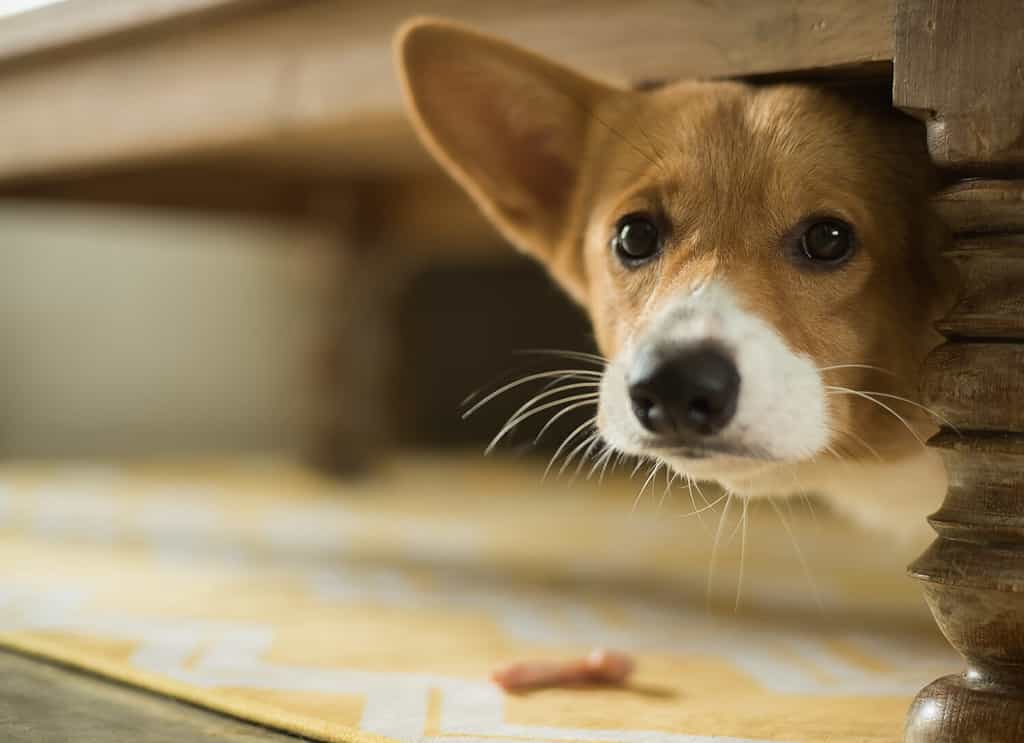
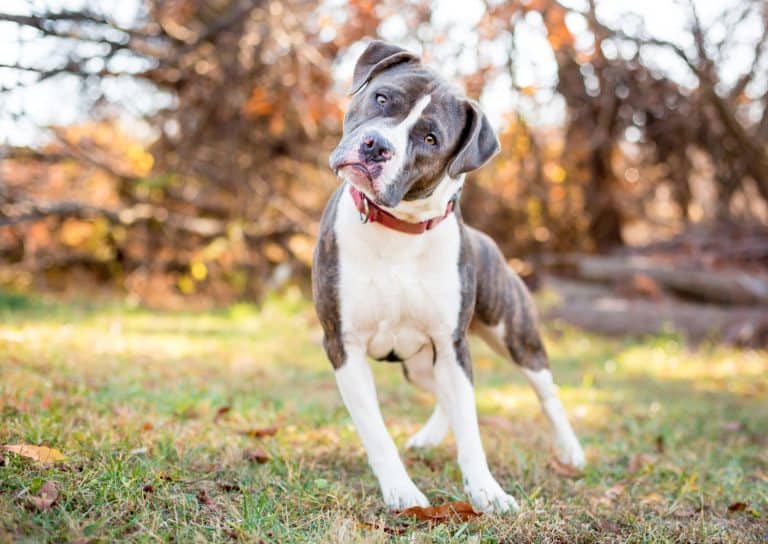
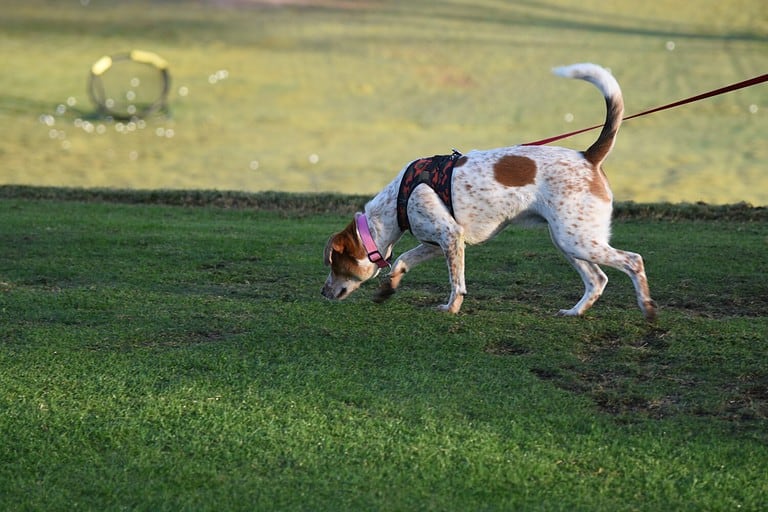
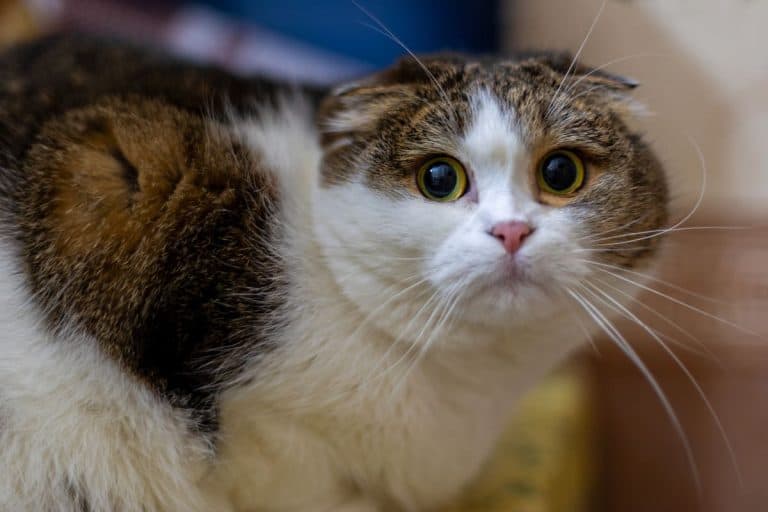
Signs of neurodivergence in pets can be similar to those in humans.
©Paul's Lady/Shutterstock.com
Neurodivergence presents similarly in animals as it does in humans, through signs like a lack of focus, hypersensitivity, and repetitive behaviors. However, while experts might have previously referred to such issues, like fear, anxiety, aggression, and obsessive behavior, as “behavior problems” in animals, these symptoms are typically associated with neurodivergence in humans.
“We all know that pets have their own personalities. They are absolutely individuals who possess their own unique set of traits that govern their behavior,” says Dr. Chyrle Bonk, DVM, Veterinary Consultant at Embrace Pet Insurance. “With this in mind, a neurodivergent animal may possess signs such as inattention. They want to focus on you, what you’re trying to teach them, or on behaving themselves when company comes over, but they just can’t.”
Naturally, this can make training your pet particularly difficult. For example, one study on autism in dogs found that these pups often display social withdrawal, reduced interaction with humans, and increased anxiety, all of which are sure to inhibit proper learning.
“All of their learning goes out the window, and they may impulsively act out, such as jumping up on people, showing aggression, or an inability to share their resources or space with other animals/people,” Bonk explains.
According to additional research, some dogs even suffer from an ADHD-like syndrome that presents as behavioral issues. Signs and symptoms include “impulsivity, attention problems, hyperactivity, and sometimes aggression.” Similar to humans, this form of neurodivergence is linked to disruptions in neurotransmitters like serotonin and dopamine, resulting from a mix of genetics and environmental factors, the research reports.
The Impact of Neurodivergence in Animals

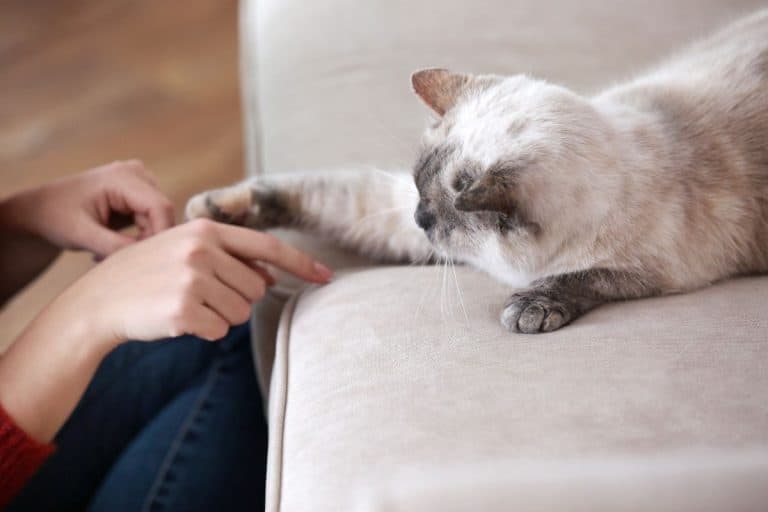
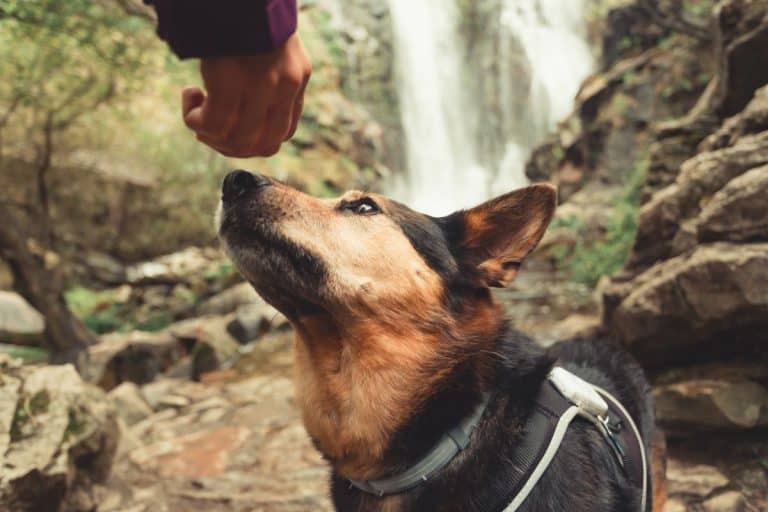
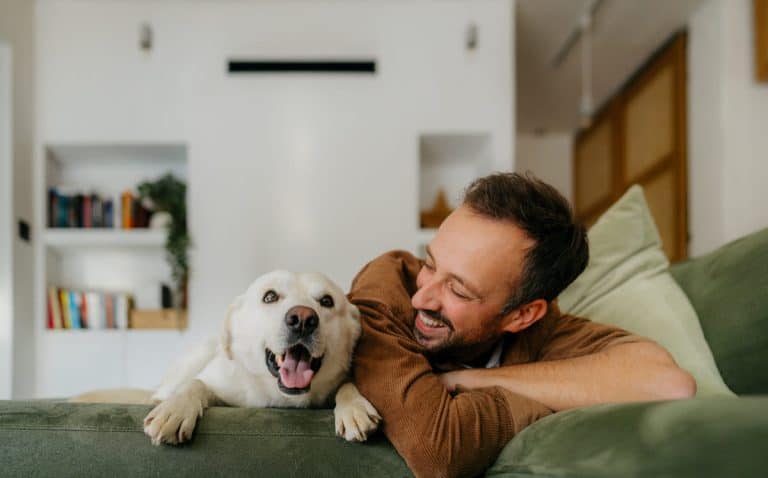
Neurodivergence in pets can make training and obedience more difficult.
©Sergeleazar/Shutterstock.com
It’s clear that neurodivergence in animals—as in humans—can directly impact their welfare.
“Neurodivergent animals may … show compulsive behaviors that can lead to health issues,” Bonk says. “This may be eating non-edible objects, obsessively licking an area, tail chasing, or hyper focus on an object or activity. These compulsive behaviors may be more evident when an animal is stressed, such as with visitors, changes in their schedule, or the addition of a family member.”
Not only does neurodivergence impact the animal itself, but it can also affect their training and connection to humans. Thankfully, experts are making strides in understanding such behaviors and how to accommodate neurodivergent animals.
“Neurodivergence in animals, especially dogs, is very similar to what it is in people. Since we are understanding more and more about neurodivergence in people, we are understanding more and more about what these animals need from us as far as changes in training or schedule to accommodate them,” says Bonk. “This typically means sticking to a consistent schedule so that your pet knows when and where they can expect their next meal, walk, play session, etc.”
You’ll also want to ensure these animals receive the proper amount of physical and mental stimulation, Bonk adds. However, perhaps most importantly, make any necessary lifestyle changes as gradually as possible, since adapting can be difficult for them.
Neurodivergence in animals, especially dogs, is very similar to what it is in people.
Dr. Chyrle Bonk, DVM, Veterinary Consultant at Embrace Pet Insurance
Tips for Owners of Neurodivergent Pets
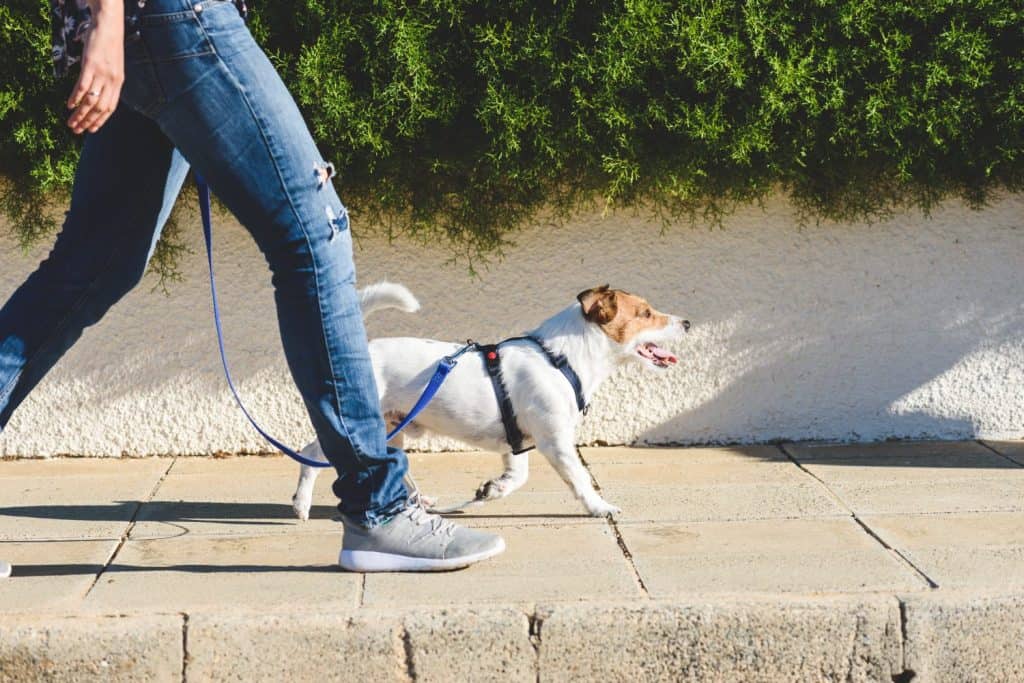
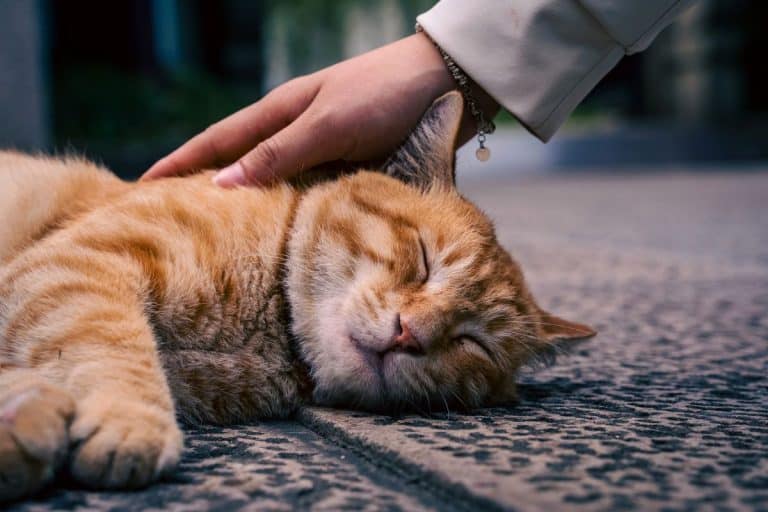
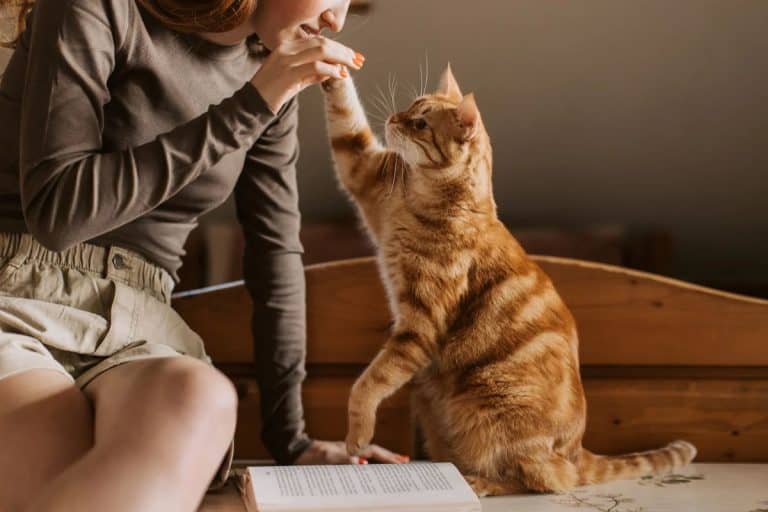
Getting your pet into a good routine can help its neurodivergence.
©alexei_tm/Shutterstock.com
If you suspect atypical behavior in your pet, understand that there’s no one-size-fits-all approach to addressing neurodivergence. Instead, observe your animal’s unique symptoms and challenges to determine how to support them best.
“There’s no catch-all ‘treatment’ or way to best manage a neurodivergent pet,” Bonk says. “Each one will be unique in what works best for them and what works for you and your family.”
However, there are some best practices to keep in mind. For example, just as neurodivergent humans benefit from routines and structure, so do animals.
“In general, neurodivergent pets need well-defined boundaries, consistent training, and a firm schedule,” Bonk says. “They need to know what acceptable behavior is and what isn’t.”
Rather than punishing your pet for “unacceptable behavior,” simply redirect them and reward positive behaviors.
“Allow these pets to have a safe space where they can decompress and feel comfortable,” she adds. “If you’re having difficulty keeping your neurodivergent pet comfortable or are unable to get a handle on unwanted behaviors, talk to your veterinarian. Some pets may benefit from medications that help balance serotonin and dopamine levels.”