
Quick Take
- Desert tortoises are famously absent parents, so what made this one turn bodyguard? See the rare behavior →
- The real reason tortoise mothers abandon their eggs is not indifference, and the truth is more counterintuitive than you'd think. Discover the real reason →
- A lizard digging into a sandy burrow set off a chain reaction that defied everything normal about this species. Watch the chain reaction →
- The instinct that drove this tortoise to protect her eggs is the same force that usually keeps her far away from them. Explore the protective instinct →
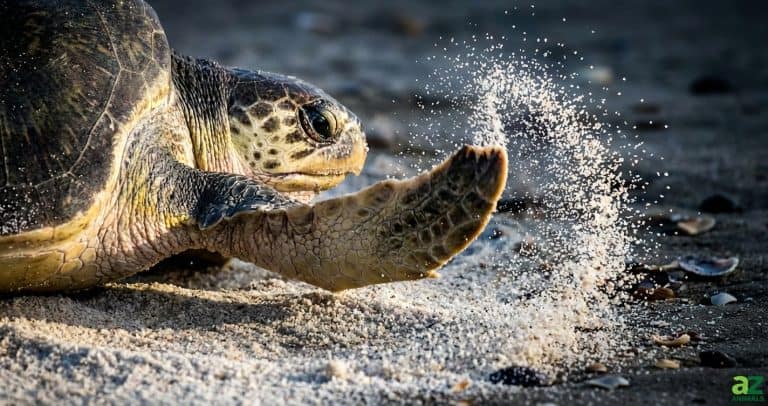
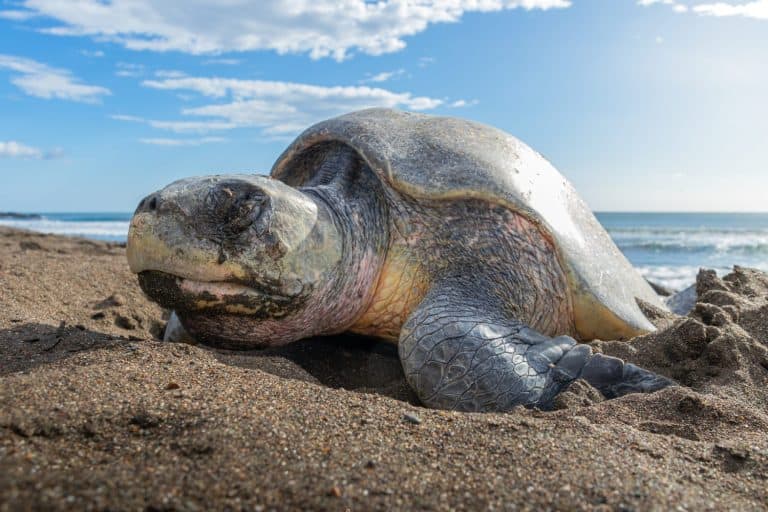
Tortoises can be surprisingly protective of their unborn babies. While they typically don’t stick around long after laying their eggs, if they are still nearby shortly after, they are quick to step in if danger approaches. This Instagram post by @firstmoon.photography shows a tortoise physically covering its eggs when a lizard attempts to dig them up.
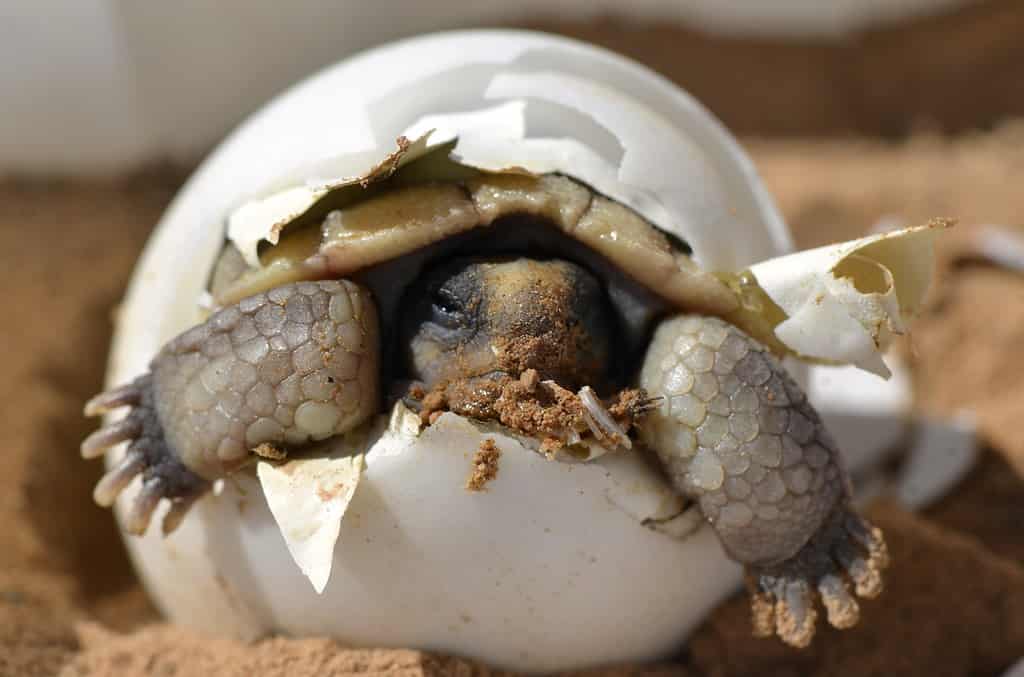
Desert tortoises leave their eggs after laying, meaning babies survive on their own immediately after hatching.
©U.S. Geological Survey from Reston, VA, USA / CC0 – Original / License
How Desert Tortoises Parent
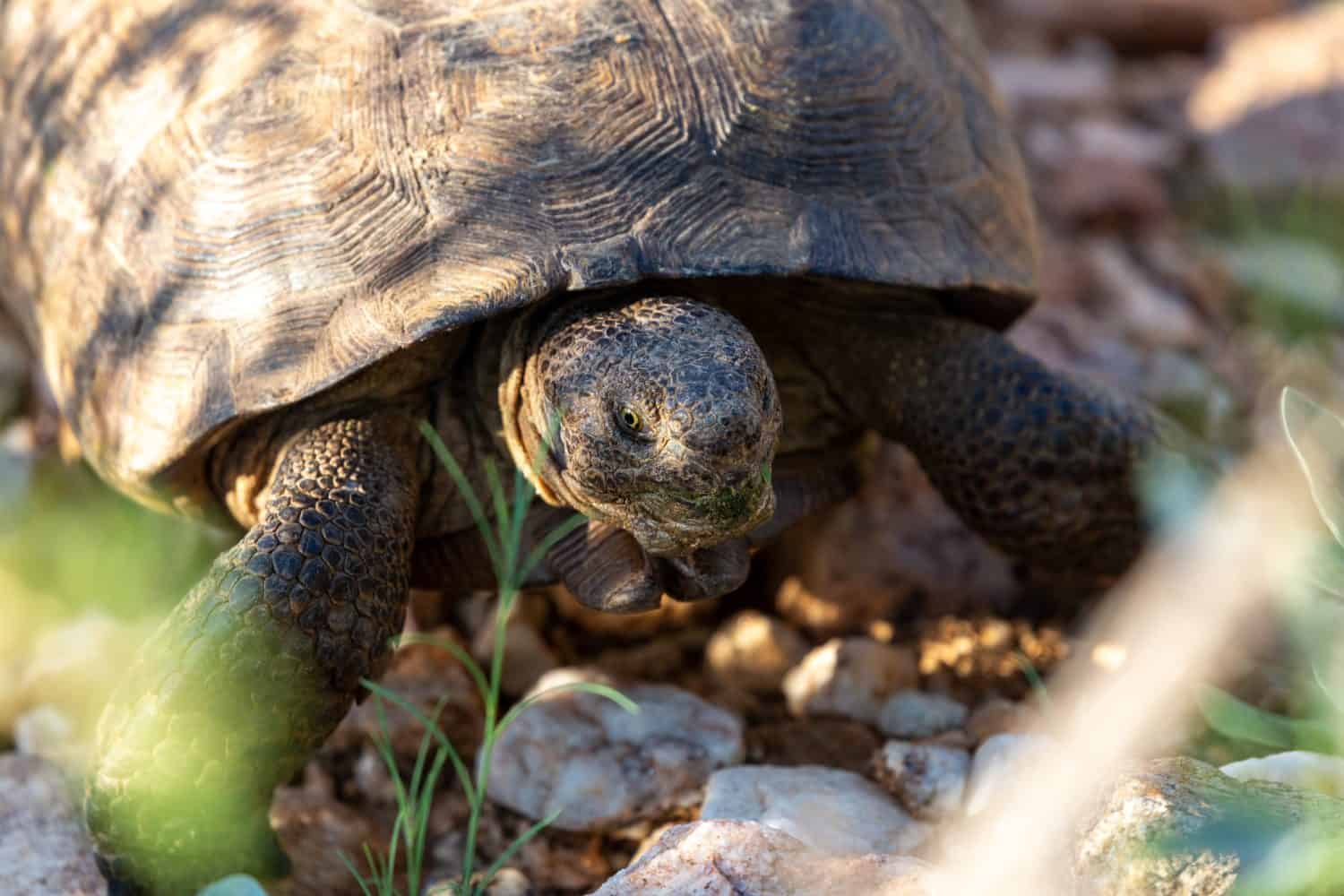
Desert tortoises, like most other tortoise species, have a pretty hands-off approach to parenting. However, the video above shows a whole different side to the animals. In the footage, a female who had most likely just laid her eggs is seen defending the clutch from a lizard. As the lizard continues to dig into the sandy burrow covering the eggs, the female quickly uses her hard shell as a shield and blocks the entrance. Luckily, her efforts were not in vain, and the eggs were safe. This remarkable event is not common in nature. Most desert tortoises do not provide parental care after laying their eggs. Instead, most simply leave the area after laying, allowing the hatchlings to fend for themselves. This harsh reality is simply how these animals have evolved to behave, so why might the tortoise in the video step in?
While a mother protecting her eggs is unusual, there are a few reasons why she might have done so. The most likely reason is that she simply happened to still be in the area. Just like with many other animal species, the female most likely acted on pure protective instinct. This unique and strange behavior raises questions about why they don’t stick around to protect their eggs. The reasons are multifactorial, including the energetic costs of defending a nest, the risks of predation, and the fact that, unlike birds and mammals, reptiles cannot use their own body heat to incubate eggs (making environmental incubation the norm rather than the exception). Desert tortoises lay multiple eggs, making it difficult to protect and care for them all. Given the harsh climate of the desert, trying to care for each egg would negatively affect the mother. After seeking a suitable nesting site, the mother’s job is done, and she leaves the eggs to develop on their own.