
Quick Take
- Shrinking a skull sounds like science fiction, yet for one tiny mammal it is a precisely engineered survival strategy that challenges everything we thought we knew about adult mammal anatomy. Discover Dehnel's phenomenon →
- When spring arrives, the skull grows back, but calling this process 'reversible' turns out to be a dangerous oversimplification of what's really happening inside these animals. Explore the partial reversal →
- Researchers studying these animals have stumbled onto something that could reshape how scientists investigate certain neurological processes in humans. See the medical relevance →
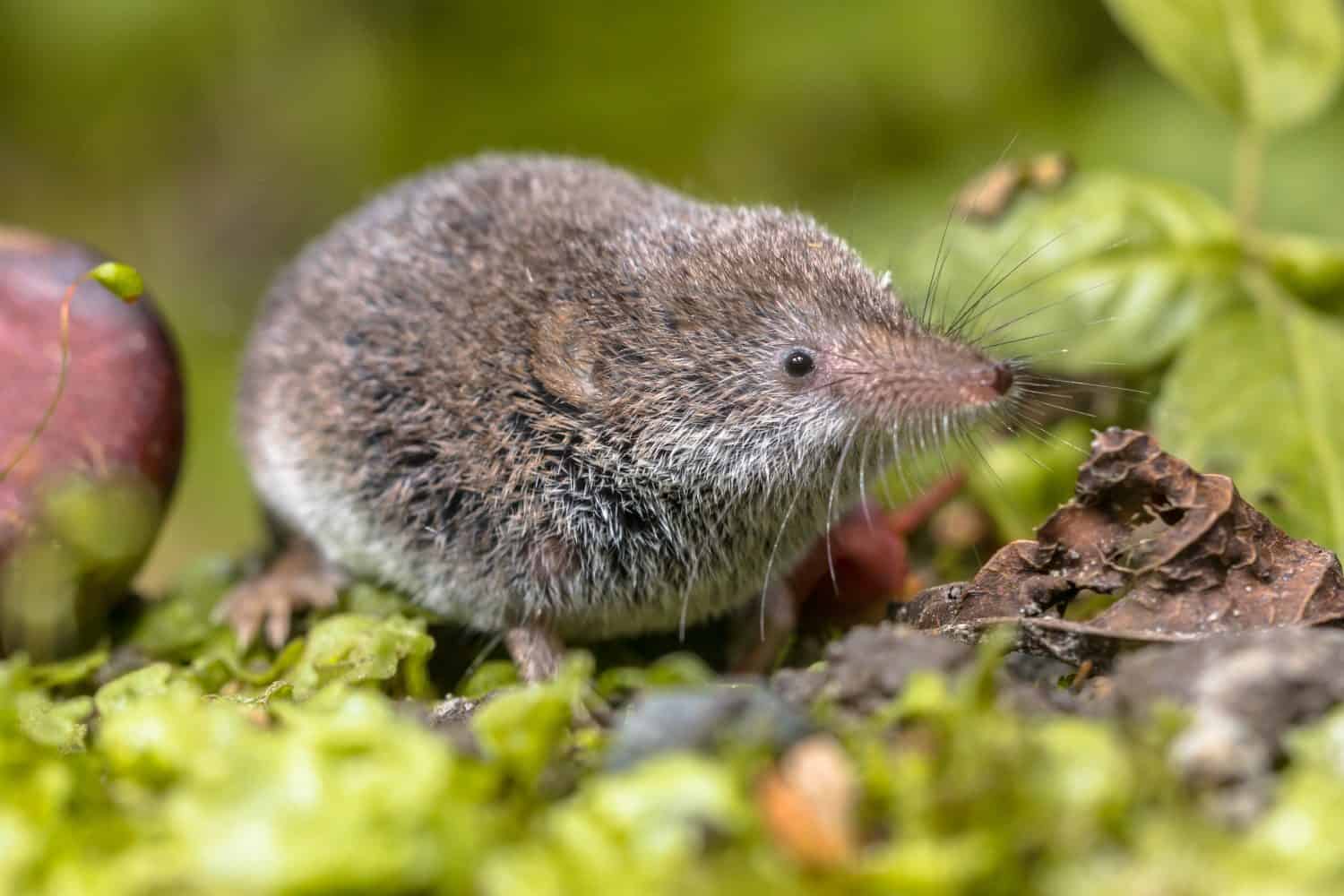
The animal kingdom is amazing, with species constantly adapting to survive the harsh realities of changing seasons. Animals will do incredible things to persevere, from growing thicker coats to seeking shelter from the cold. However, some species take a more dramatic approach to seasonal changes, like the long-clawed shrew, which remodels its skull to survive. The ability sounds like fiction, but it’s true.
Because shrews have extremely high metabolic rates, they must eat frequently to stay alive. Unlike many other mammals, they cannot rely strictly on fat reserves to get them through colder periods. Instead, they undergo an incredible seasonal transformation known as Dehnel’s phenomenon to shrink their brain and skull. The astonishing ability is even more incredible than first believed, according to new discoveries from scientists at Hokkaido University. Let’s look deeper at the findings and learn more about the amazing long-clawed shrew.
A Mammal That Changes with the Seasons
Researchers at Hokkaido University analyzed over 100 shrew specimens to expand their findings.
©Richie Chan/Shutterstock.com
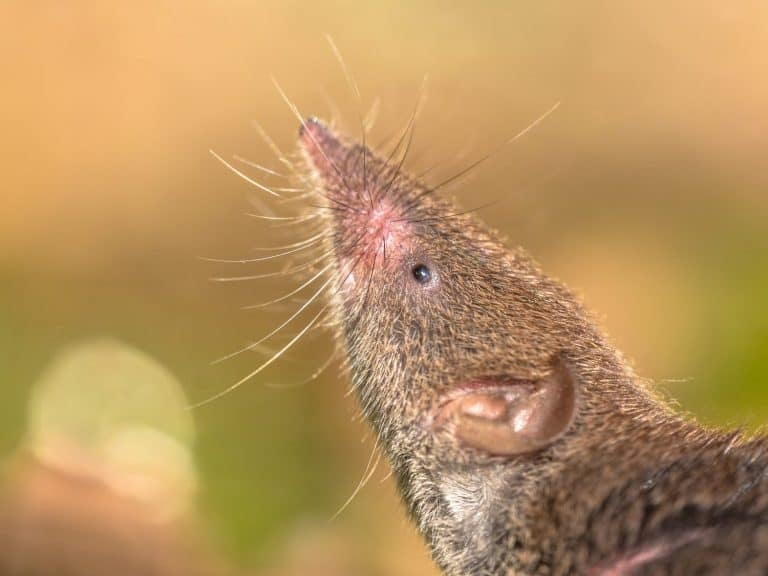
You’ll find the long-clawed shrew in parts of northeastern Asia, including Hokkaido, Japan. Like other shrews, this critter is a voracious predator that spends much of its life searching for insects, worms, and other small prey. However, the shrew is quite small, and that’s a major disadvantage in winter. Small animals have a large surface area relative to their body size, meaning they can lose heat quickly. At the same time, maintaining warmth requires a tremendous amount of energy. So, what is a shrew to do when it gets cold outside?
This is where Dehnel’s phenomenon comes in. It was first discovered in the 1940s, when scientists noted that the skulls of shrews become smaller during winter, particularly in the area surrounding the brain, before growing again in spring. Researchers also found that the brain, braincase, and even certain internal organs may participate in this seasonal restructuring. Some tissues shrink considerably; some regrow only partially. Others may grow during one part of the cycle without subsequently shrinking.
The Purpose of Resizing
At first glance, the fact that shrews essentially remodel their skulls may seem downright puzzling, but there’s a reason behind the odd occurrence.
The brain is an energy-hungry organ. Maintaining nervous tissue requires substantial amounts of energy, and shrews already live with extraordinarily high metabolic demands. If food becomes harder to find in winter, reducing the size of metabolically expensive tissues could lower the animal’s energy requirements.
Scientists believe the winter reduction of body size and certain organs helps shrews cope with seasonal energy shortages. Rather than maintaining the same large, energy-demanding body year-round, the animals temporarily reduce their biological “operating costs.”
That doesn’t mean the shrew becomes less capable or stops using its brain. The animal remains active and continues hunting and navigating its environment. Instead, the winter brain appears to be part of a carefully regulated physiological trade-off.
Analyzing 136 Shrew Specimens
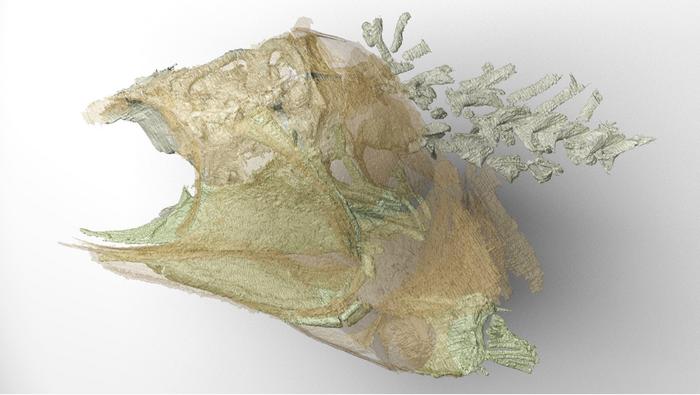
Scientists at Hokkaido University were able to see how shrews remodel their skulls by analyzing 136 skulls collected in Hokkaido between 1948 and 1988. The specimens are preserved in the University’s collections, giving researchers a rare opportunity to examine animals representing different points in the year.
The specimens were especially useful because long-clawed shrews generally have a short lifespan. Many are born during the warmer months and do not survive to experience a second winter. That means a collection containing animals from different months can provide a remarkably detailed picture of the species’ seasonal trajectory. Rather than seeing the skull as one fixed structure, scientists could reconstruct its changing shape throughout the year.
The discovery suggests that the winter skull isn’t simply a smaller version of the summer skull. Instead, it appears to be reorganized. The braincase becomes shorter. At the same time, the snout becomes taller and wider. After winter, the skull begins changing again as the animal enters spring and, for those that survive, continues toward its warmer-season form.
The enlarged snout is particularly interesting because it keeps the brain warm. When a shrew breathes in freezing winter air, that air eventually travels toward the lungs. The nasal passages can play an important role in warming incoming air before it reaches deeper parts of the respiratory system.
What Happens When Winter Ends?
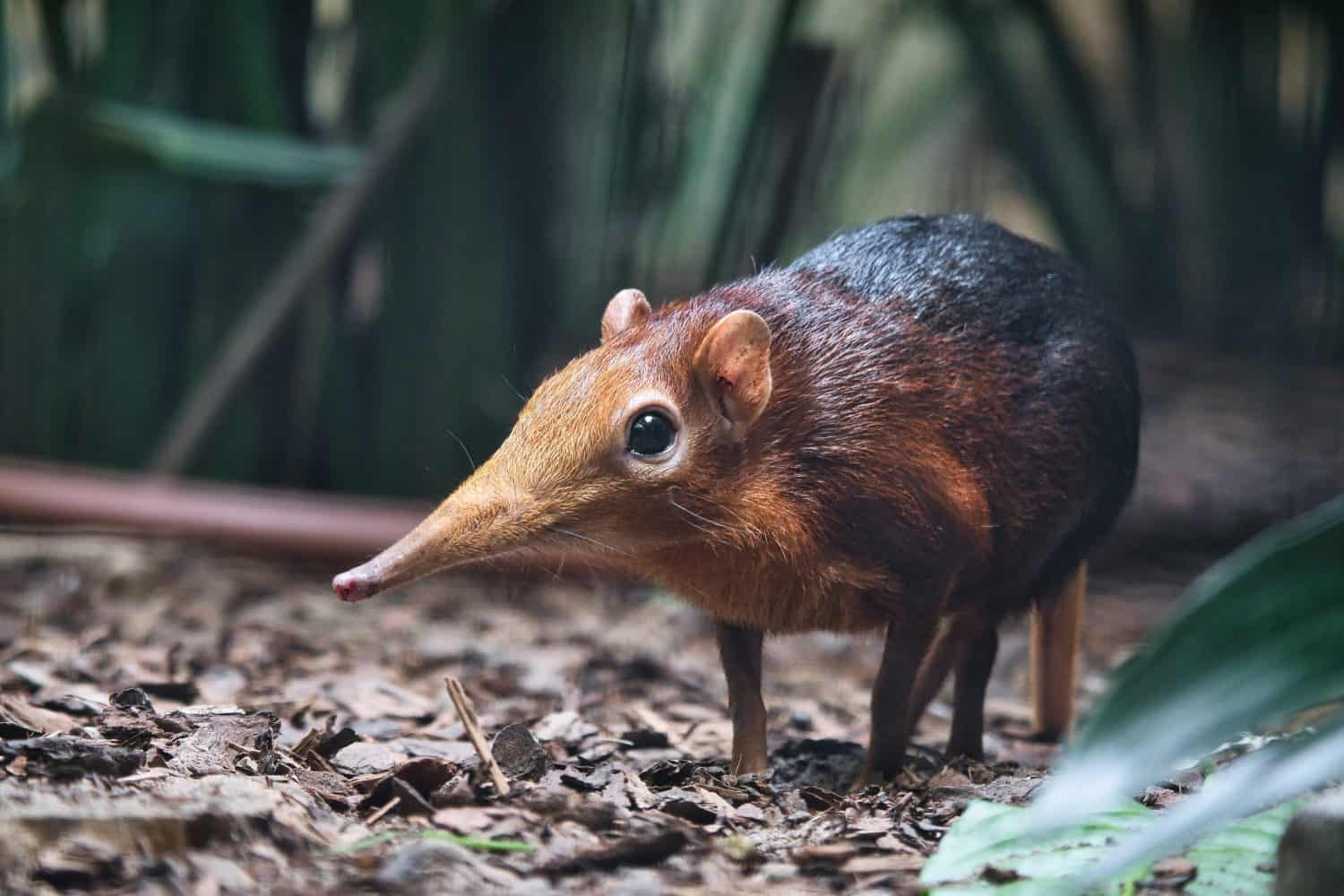
Scientists are now actively researching to learn if other shrew species, such as the red-backed elephant shrew, may have the same survival skills.
©Martin Koebsch/Shutterstock.com
A remarkable aspect of this process is that the transformation isn’t permanent. As conditions improve, the shrew’s anatomy changes again. The braincase begins to regain size in spring, although the process isn’t necessarily a perfect return to the animal’s previous dimensions. Dehnel’s phenomenon is often called reversible, but scientists now recognize that “reversible” can be an oversimplification. Different tissues follow different trajectories, and regrowth doesn’t necessarily restore everything to the exact state it was in before winter. However, it’s clear that the skull changes size again in the spring.
Still, the question is: how do the shrews remodel their skulls and change their bones and tissues so dramatically, before changing them once again? Scientists don’t yet have a complete answer, but they’re still on the case. Future research could investigate which genes become active during winter remodeling, how bone tissue responds to seasonal signals, and how neural tissue is lost and rebuilt. It could also help scientists understand how environmental factors such as temperature and day length interact with the body’s biological clock.
A 2026 review of Dehnel’s phenomenon notes that modern approaches—including imaging, metabolomics, and genomics—are opening new avenues for understanding these seasonal transformations and their potential relevance to medical research. That doesn’t mean shrews are about to provide a cure for neurological disease. But they could serve as valuable natural models for studying processes that are difficult to investigate in other mammals.
A Tiny Creature with a Huge Survival History
In the end, realizing that these creatures can truly remodel their skulls is nothing short of extraordinary. It’s an incredible example of just how flexible mammalian bodies can be.
Dehnel’s phenomenon already challenged the assumption that an adult mammal’s body is relatively fixed. The discovery of reverse Dehnel’s phenomenon pushes that idea even further. The shrew doesn’t simply shrink for winter. Instead, different parts of its skull follow different seasonal instructions. All of this happens in an animal small enough to fit comfortably in a human hand. It’s a true lesson in the marvels of the animal kingdom and what the world’s amazing creatures do to survive.