
Quick Take
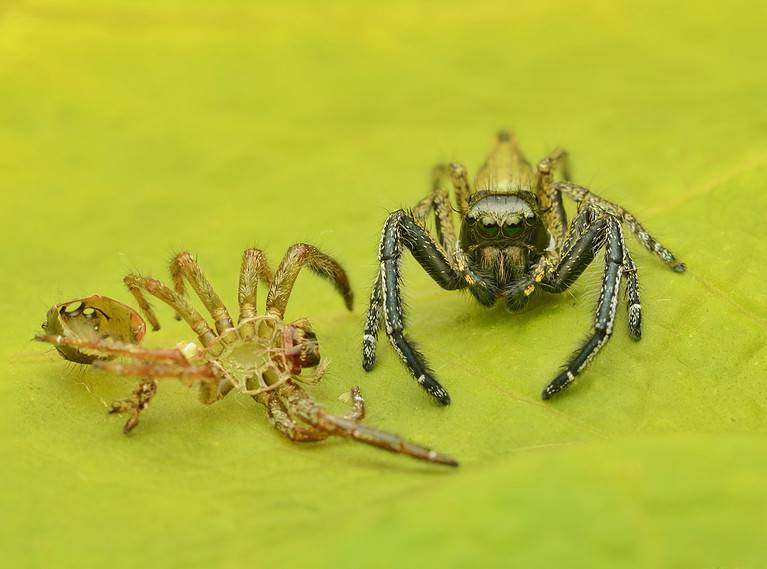
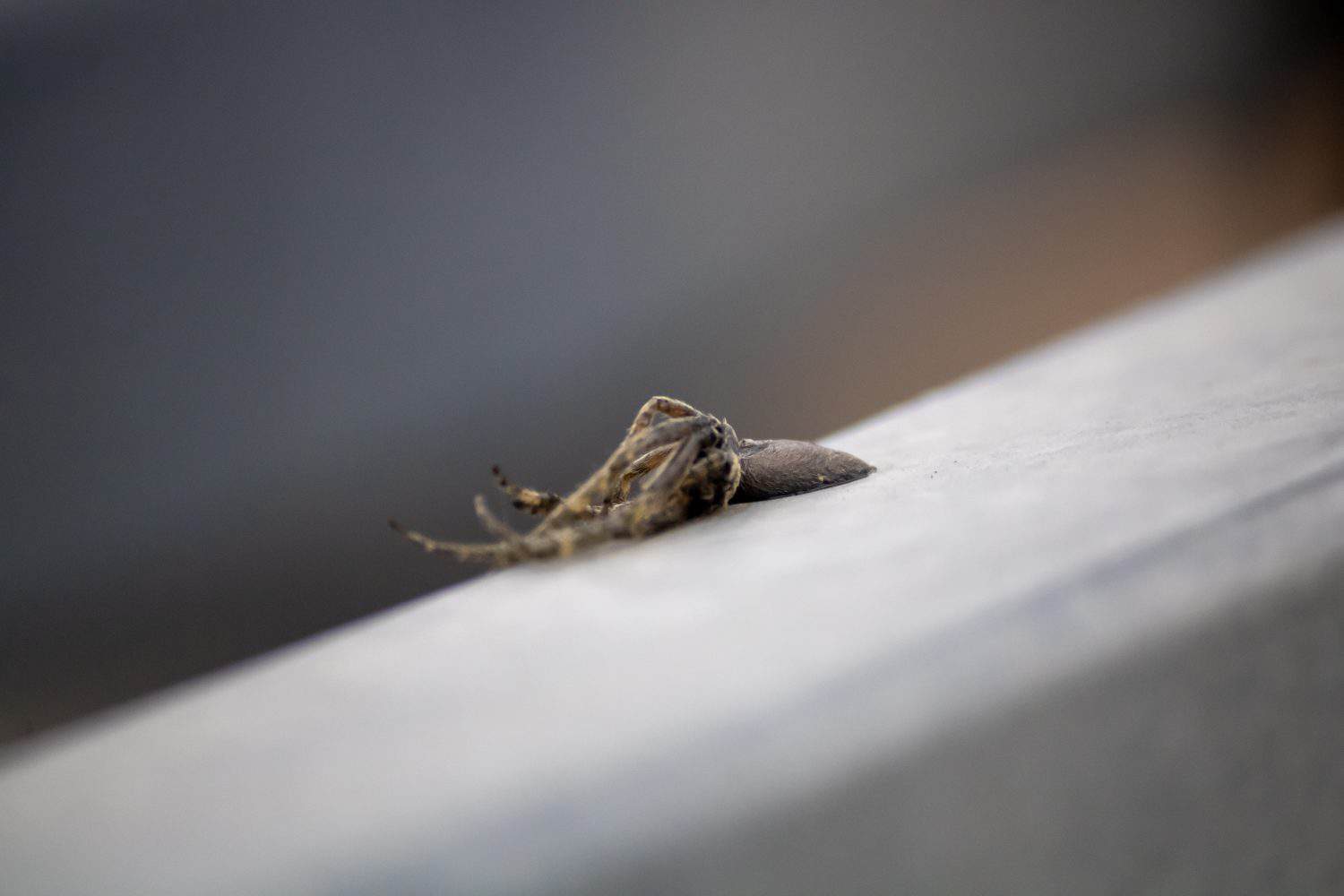
- Spiders tend to curl up when they die, with their limbs pulled inward toward their body.
- These critters rely on pressurized internal fluid (hemolymph) to push their legs outward. Once they pass away, the pressure dissipates.
- While alive, many spiders will defensively play dead by curling their legs into their bodies.
Have you ever noticed that spiders curl up when they die? There’s a scientific reason for that.
While humans use muscles for both extension and contraction, spiders use muscles to pull legs in but rely on pressurized internal fluid (hemolymph) to push them out. This is why, upon death, their legs instinctively curl back into their body.
We spoke with a certified entomologist about this phenomenon. Keep reading to learn more about why spiders’ limbs pull back after death.
Why Spiders Curl Up When They Die
Spiders “curl up” when they die because they suddenly lose the pressure needed to pump hemolymph to their limbs.
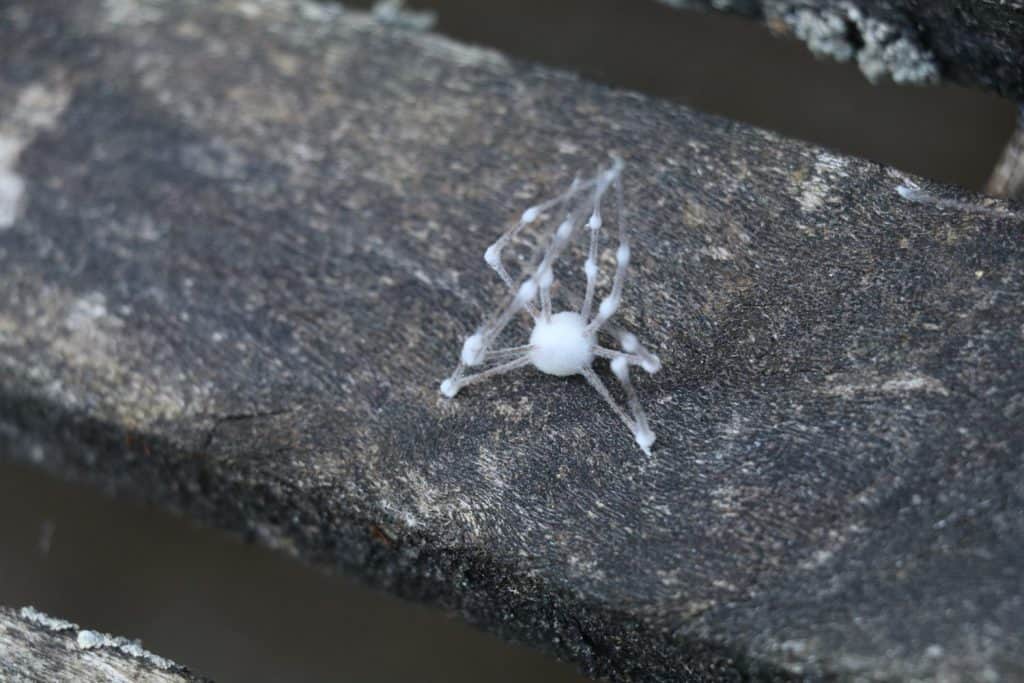
This dead, fungus-covered zombie spider is curled up on its back.
©Niki Florin/Shutterstock.com
“In mammals, limb movement is controlled by muscles used to both extend and retract our limbs,” says James Agardy, Associate Certified Entomologist at Viking Pest Control. “In contrast, spiders use their blood (hemolymph) under pressure to force their limbs to extend because they lack extensor muscles. The blood is pumped into the limbs to extend them, and [the] flexor muscles are used to retract them.”
Of course, once they die, spiders don’t have the pressure used to circulate hemolymph. As such, their limbs curl inward, unable to flex outward any longer.
“When the spider dies, the heart is obviously no longer pumping the blood, and the pressure required to extend the limbs dissipates,” Agardy explains. “The flexor muscles then contract, causing the legs to curl … Loss of hydraulic pressure allows the flexor muscles to contract unopposed, causing the limbs to curl in towards the body.”
Spiders use their blood (hemolymph) under pressure to force their limbs to extend because they lack extensor muscles. The blood is pumped into the limbs to extend them, and [the] flexor muscles are used to retract them.
James Agardy, Associate Certified Entomologist at Viking Pest Control
Do Spiders Ever ‘Play Dead’?
You might have noticed that spiders will sometimes curl up when touched or seemingly in danger. Some will even flip on their backs to really sell the lie. According to Agardy, they do this “as a defense mechanism against predation.”
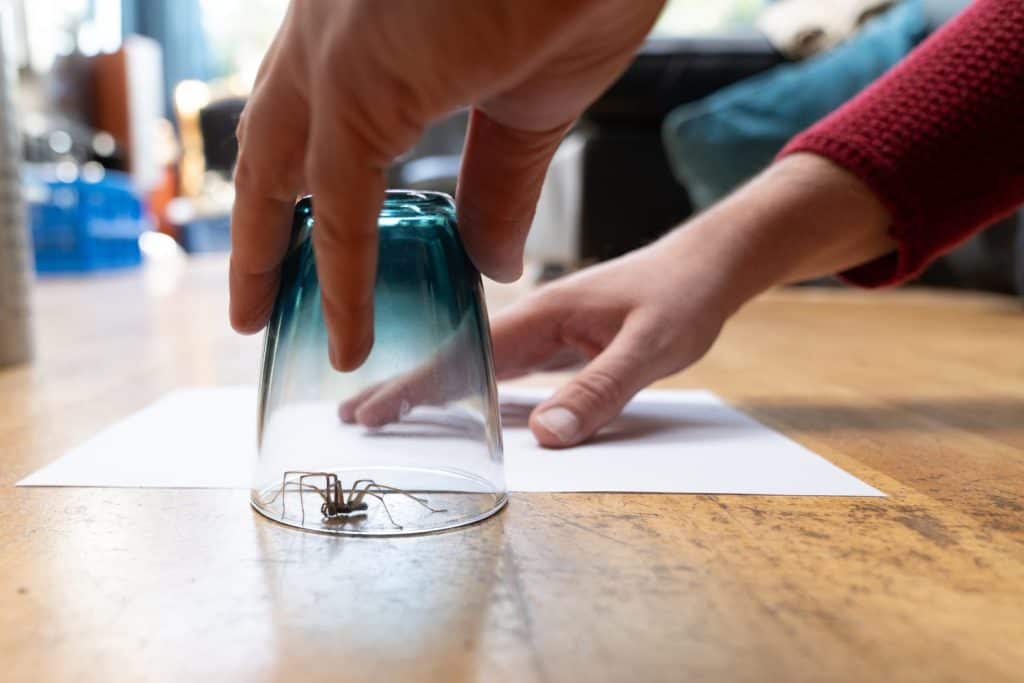
Sometimes, if you trap a spider under a glass, it will play dead to avoid being killed.
©Leoniek van der Vliet/Shutterstock.com
“Some species will curl up and play dead,” he explains. “This behavior is called thanatosis and is used to deter predators.”
However, self-protection isn’t the only reason they play dead.
“In some species, playing dead is also tied to mating behavior,” Agardy adds. “This is especially true in species where the female is larger than the male and will often consume the male during or after copulation.”
To achieve this, spiders must release internal hemolymph pressure and use their flexor muscles to pull their legs inward.