
Quick Take
- Science finally settled whether lobsters feel pain, and the answer changed a century-old kitchen practice. See the rule change →
- The UK isn't a pioneer here. Several countries beat them to this ban, and their experience hints at what comes next. Countries that went first →
- Every 'humane' alternative to boiling crustaceans alive has its challenges, and that includes the one experts most recommend. Review the alternatives →
- The method considered most effective for humanely killing crustaceans may be out of reach for most businesses, and there is one specific reason why. See why it's inaccessible →
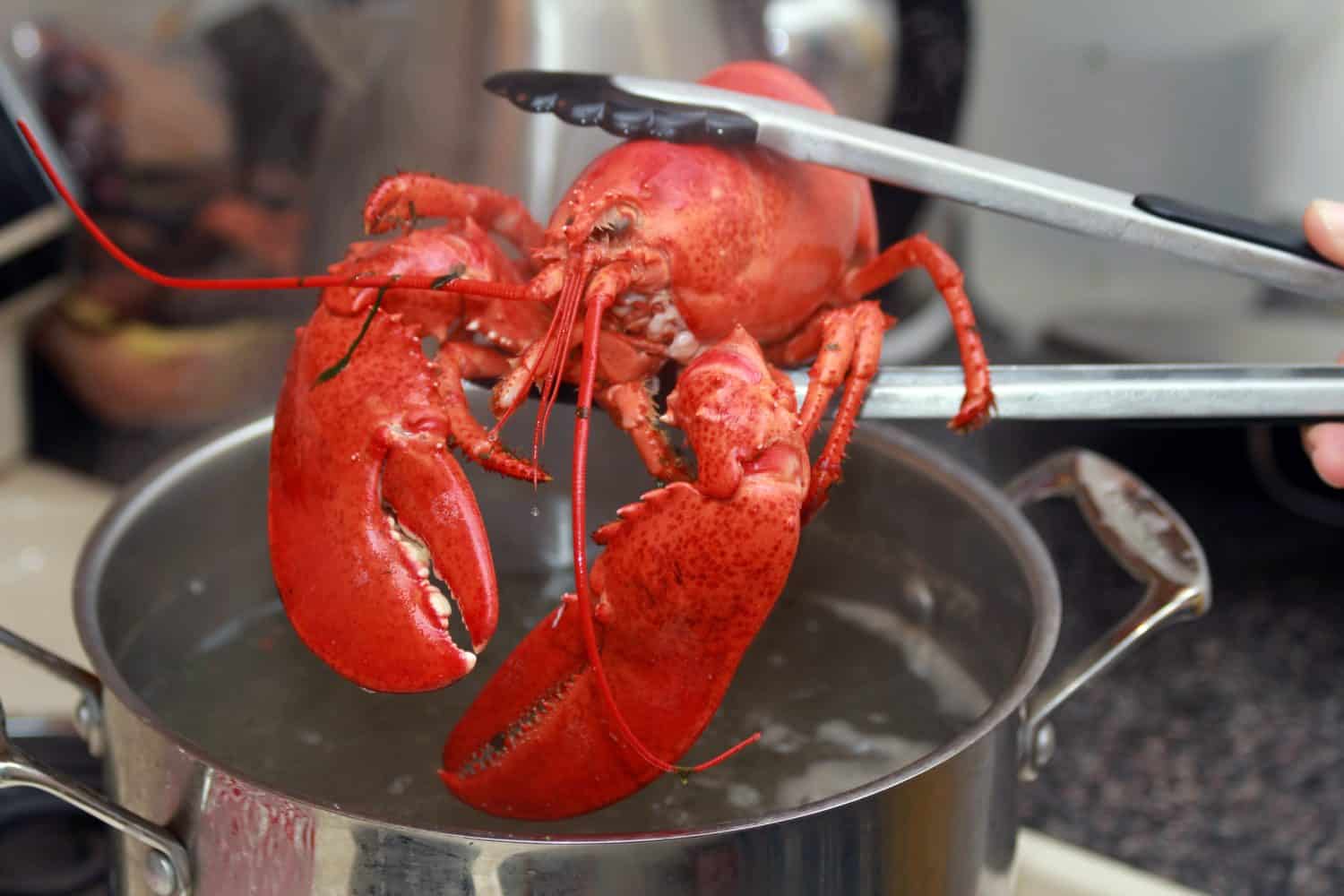
As human knowledge of animal wellness grows each year, so do the standards we hold ourselves to. One such standard is how we treat animals before consumption. Lobsters and crabs have been boiled alive for centuries, a method seen as standard for cooking these creatures. However, the UK government has taken a stricter stance on the practice, as discussed in this Instagram post by @morbidtruth. Read below to learn more about the ban and the reasoning behind it.
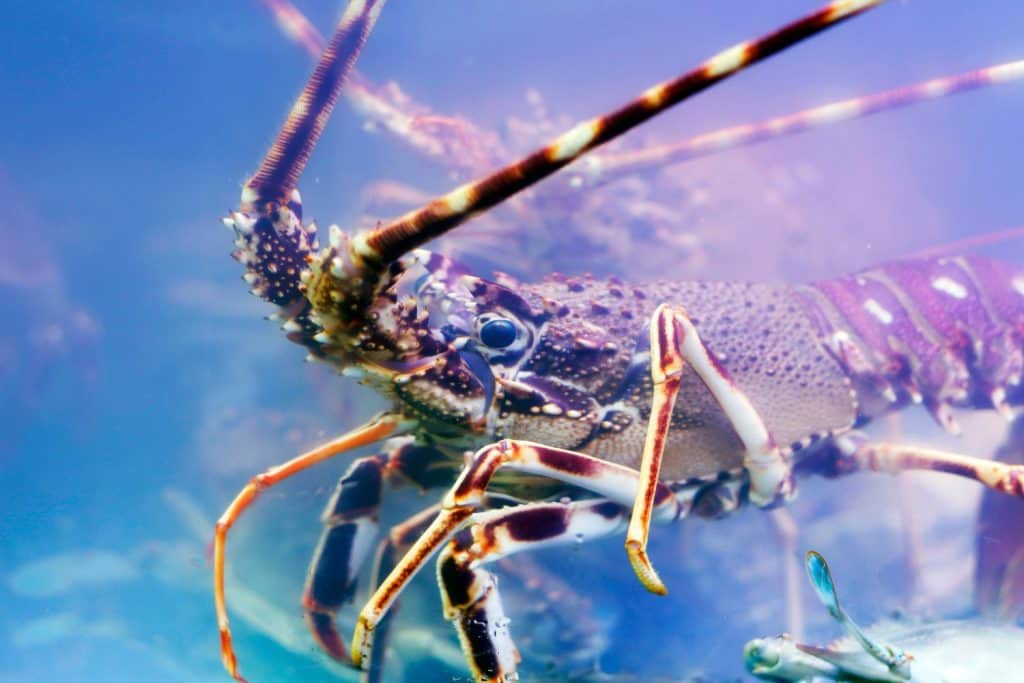
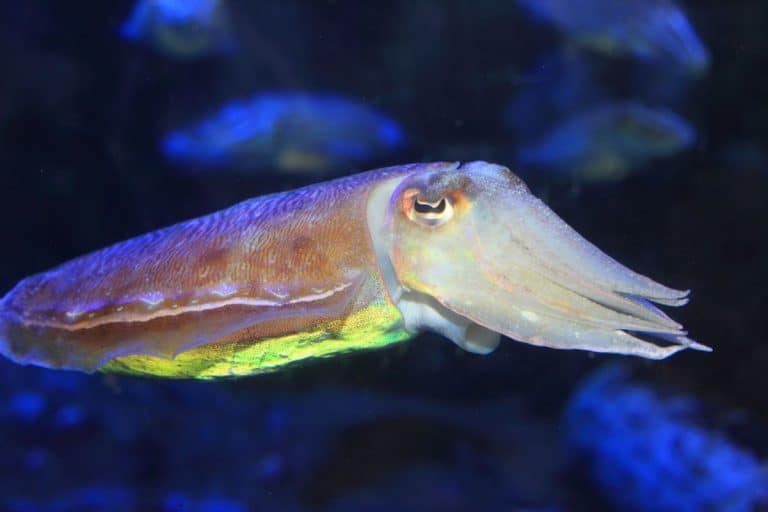
To determine if crustaceans are sentient, researchers looked for avoidance of painful experiences.
©Libin Jose/Shutterstock.com
Boiling Alive Rule Change
The ethics of boiling lobsters and crabs alive have been debated for years. Since the practice is centuries old and standard in the kitchen, changes in both social attitudes and policy have been slow. However, the UK seems to have taken a strict stance on humane ways to kill lobsters and crabs. The change comes from the UK government’s Department for Environment, Food, and Rural Affairs. The policy paper Animal Welfare Strategy for England lists the potential changes. Published in December 2025, the government plans to improve the standard of welfare and care for crustaceans, prioritizing the treatment of crabs and lobsters. Back in 2022, the UK’s Animal Welfare (Sentience) Act determined that lobsters and crabs are capable of experiencing pain. Through this ruling, boiling animals alive will be considered an unacceptable killing method.
England isn’t the first country to adopt this strict standard, as Norway, Switzerland, and New Zealand already ban the practice. This ban would change cooking practices to focus on the well-being of crustaceans. The London School of Economics and Political Science was commissioned by the government to research whether crustaceans can feel pain and distress. Their findings indicated that such feelings do occur through signs like avoidance of learned painful experiences, such as electrical shocks. Such data has been extremely influential on the ruling. While the policy was published in 2025, a final framework of enforcement and implementation has not been released.
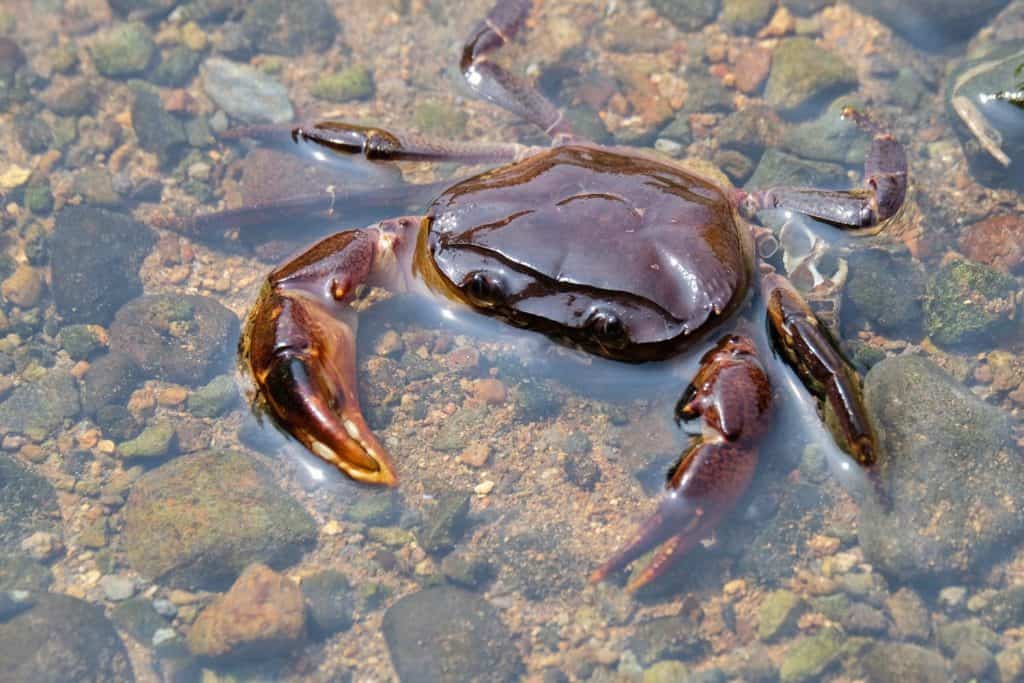
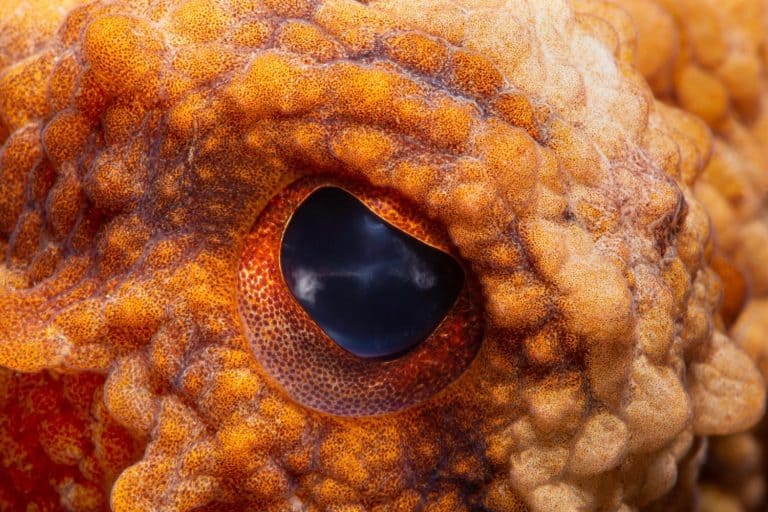
Crustaceans have shown long-term behavior changes after injury and distress.
©Hary Purwanto/Shutterstock.com
Humane Ways to Kill Crustaceans
Humane alternatives are still a source of debate amongst animal rights activists. One common alternative is spiking or splitting. This involves splitting lobsters lengthwise or spiking a crab’s nerve centers. When done correctly, this effectively kills the crustacean before boiling. However, improper performance can cause suffering rather than reduce it. Another controversial method is freezing. This practice involves lowering the temperature of the animals to sedate them before boiling. However, this method is criticized as the animals may still be conscious even after sedation.
One of the more humane and expensive methods is electrical stunning, which involves using an electrical shock to render the crustacean unconscious practically instantly before cooking. Though often seen as the quickest way to humanely prepare the animals, the machinery can be expensive and difficult for smaller businesses to obtain. The debate over humane methods extends beyond crustaceans to all animals. Animal welfare has increasingly become a concern throughout society, with many questioning the ethics of their food sources. With welfare laws such as the proposed changes in the UK, both activists and the government can work together to change how we treat animals.