
Quick Take
- Scientists expected a "sacrifice zone" of displaced wildlife, but what their cameras actually captured across 1.9 million images was far stranger. See what cameras revealed →
- Of all the ways people use trails, the most disruptive one isn't the activity you'd guess. Find the surprising disruptor →
- Wildlife-human coexistence sounds like a conservation win, but researchers warn that a hidden condition makes it fragile. Understand the hidden condition →
The 21st century has seen a worldwide reappraisal of the relationship between human beings and the animal kingdom. Human progress has encroached upon the natural world to a destructive degree, and it shows no sign of slowing. The scientific consensus is that we are in an ongoing extinction event, with extinction rates 100 to 1,000 times higher than natural background rates. In one corner of the globe, however, a strange sort of co-existence seems to be taking place. Indeed, a multi-year study in Jackson Hole, Wyoming, found that humans have not displaced wild animals as they have in other places.
Even with the thousands of visitors who come to Jackson Hole each year and use its trails, animals seem to have figured out a way of living with them side-by-side. While some aspects of the research suggest that Jackson Hole is something of an anomaly when it comes to animal displacement, others point to unexpected insights that very well might help shape future conservation. Let’s learn more about this landmark study and what it tells us about ecology, adaptation, and conservation management.
The Shape of the Study
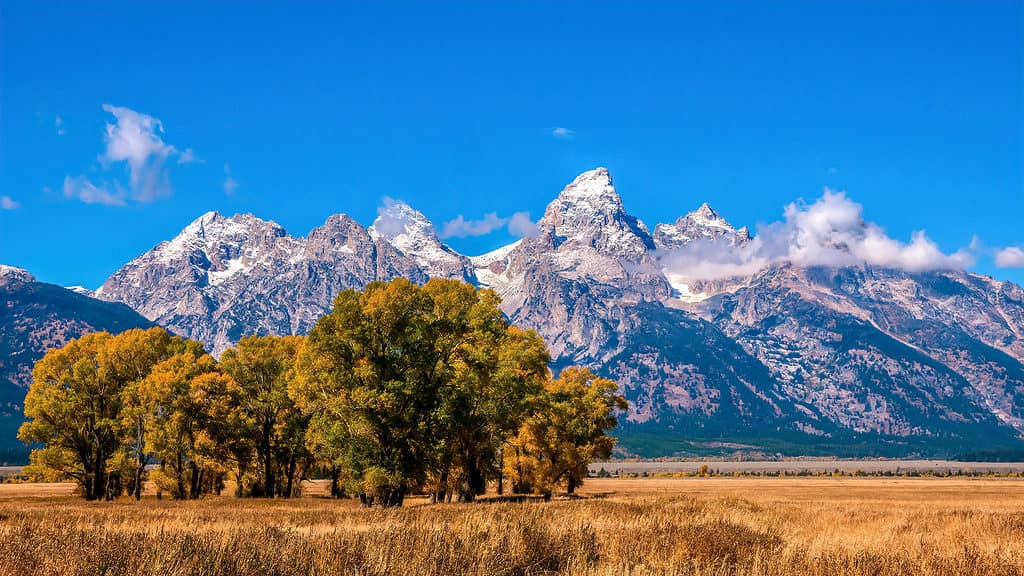
Thousands of people visit Jackson Hole, Wyoming, every year, so scientists set out to track just how much human activity was affecting local wildlife.
©CherylRamalho/Shutterstock.com
It’s hard to deny that human activity has a measurable effect on wildlife. Even a candy wrapper or two alongside a hiking trail can alert even the most uninformed hiker to the disastrous effects humans can have on the environment. The exact amount of destruction that human hikers cause in places like Jackson Hole, Wyoming, however, remained to be seen. Such questions prompted Courtney Larson, a conservation scientist with The Nature Conservancy, to run some tests.
She wanted to see just what kind of effects humans were having on the local wildlife population. As Larson explained to Wyofile, “People think of that [Jackson Hole] as like a sacrifice zone. There’s super heavy recreational use and you’re probably not expecting (much) wildlife. We wanted to test that.”
Larson and the research team focused on the Bridger-Teton National Forest, extending out from Snow King Mountain, as well as 50-plus miles of trails from Game Creek to U.S. Highway 89. The team analyzed years of footage from 27 remote cameras placed near nonmotorized trails in the 36-square-mile area. This resulted in the analysis of approximately 1.9 million images, including around 310,000 photos of humans, 54,000 records of dogs, and 8,300 photos of wild mammals. The results, suffice it to say, were surprising, even to the research team.
Counterintuitive Insights
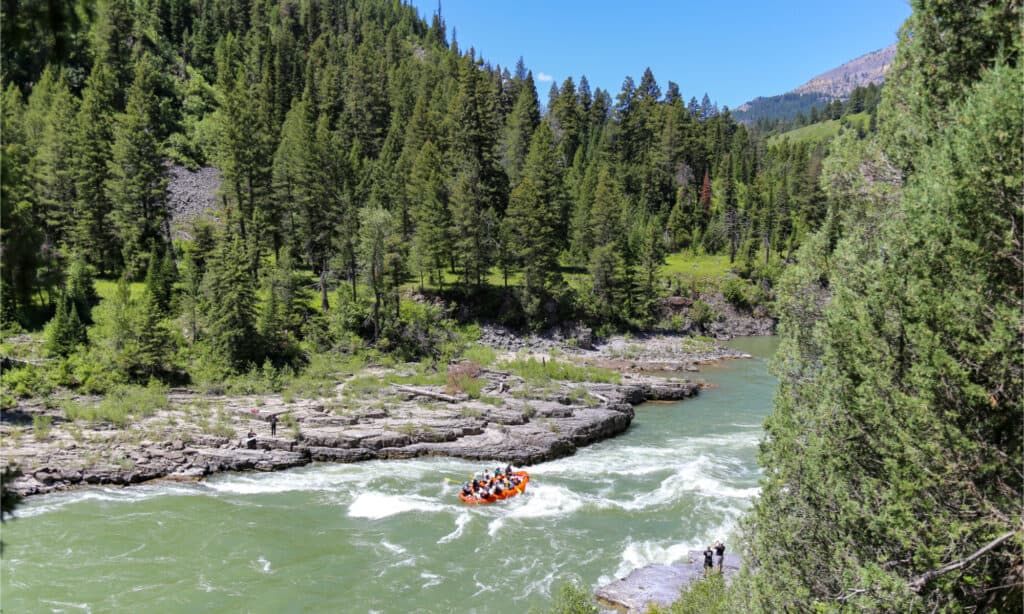
The study found that the majority of mammals in the Jackson Hole area did not change their behavior much in response to human activity.
©CSNafzger/Shutterstock.com
Published in the May 2026 issue of the journal Conservation Science and Practice, the study produced some unexpected results. Entitled “Neighbors to nature: A case study of recreation-wildlife co-existence in the Greater Yellowstone Ecosystem,” the study found that most wildlife seemed to handle human intrusion just fine. As Larson explained to Wyofile, “Overall, we didn’t find a lot of significant avoidance. We really do have all these different wildlife species using the area, despite really high recreation.”
The study compared how different species responded to human activity. It also tracked the time of day animals were active and cross-referenced this information with behavior. According to the findings, elk were the most sensitive to human activity. They were more active during the mornings and evenings and tended to avoid areas with large amounts of human recreation.
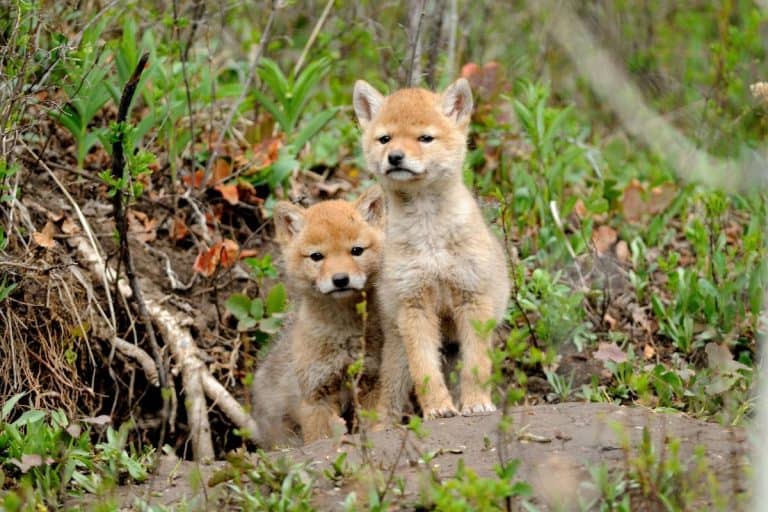
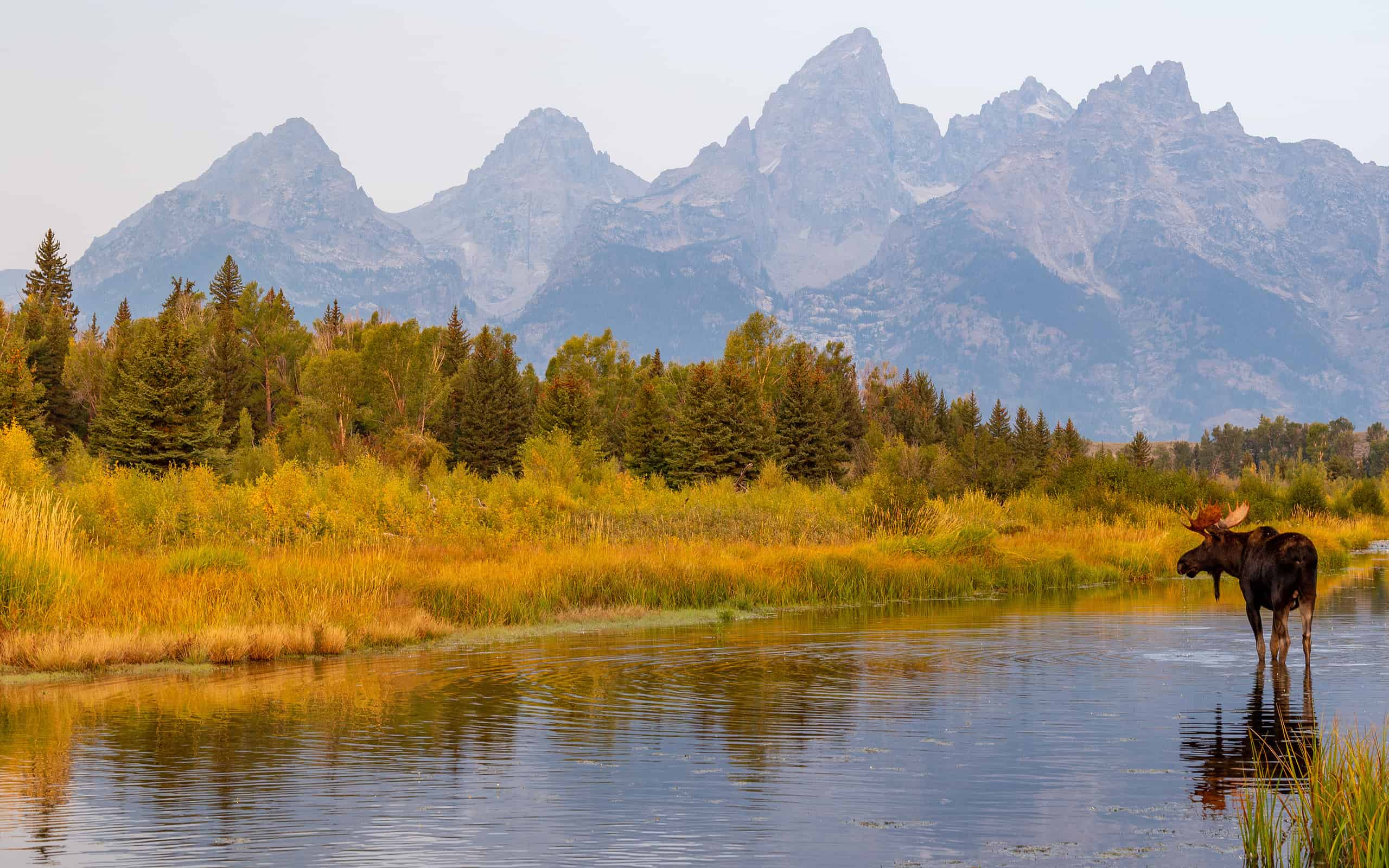
Moose, however, did not avoid habitats with human activity, opting to adjust the time of day they used them instead. Surprisingly, other mammals like mule deer, coyotes, skunks, black bears, and mountain lions did not change their behavior or habitat use much, regardless of human activity level.
Types of Traffic

The research team analyzed thousands of trail camera photos to produce their startling insights.
©
Remarkably, the research team also found that foot traffic, including hiking, skiing, and snowshoeing, was far more disruptive to wildlife than other activities. Foot traffic produced “more negative wildlife responses than did cycling or the presence of domestic dogs.” While Larson is quick to caution that the results should not be construed to mean that humans have no impact on wildlife, just that the overall picture is more nuanced.
As she explained to Wyofile, “The results on that were mixed, and kind of confusing. It’s nuanced, because there are greater numbers of hikers. We also aren’t able to look at distance. The average person going out hiking is probably going a couple miles, but the average person going out for a mountain bike ride is going to go much further.”
Ecological Implications
Notably, the study’s publication coincides with the Bridger-Teton National Forest’s revision of its forest plan, one in which human recreation remains a central issue. Retired Bridger-Teton recreation specialist and study collaborator Linda Merigliano believes the trailcam study’s results could help inform the national forest’s stance. She also believes it can help build new metrics regarding the coexistence of wildlife and recreation. Even so, like Larson, Merigliano cautions that coexistence does not mean anarchy.
As Merigliano said, “If Snow King was completely surrounded by development, we wouldn’t have the kind of critters that we have there. There can be coexistence, but it’s not like anything goes. It requires active management, having season closures, and trails that people primarily stay on.”