One wonders what would happen if humans collaborated like ants. While humans have strong individual streaks, ants seem to almost operate as one. Like several types of bees, ants are eusocial, cooperative, and remarkably methodical. This collective, single-entity-like behavior lends itself to impressive feats, so much so that most ant colonies can be considered superorganisms. Ant colonies may range from small to large, but one ant colony is undoubtedly the largest on Earth.
Humans feel pretty mighty with their sprawling cities, but even those seem tiny in comparison to one ant supercolony in Europe; it stretches over thousands of miles, crosses multiple countries, and contains tens of millions, billions, or even trillions of individual ants.
It’s so big that scientists think it could even cross oceans. This colony might very well run the length of the entire globe, rivaling human society for its size and complexity. Let’s learn more about this colossal colony, how it came to be, and fascinating facts about ant colonies in general. Some of these facts are truly hard to believe.
Ant Colonies
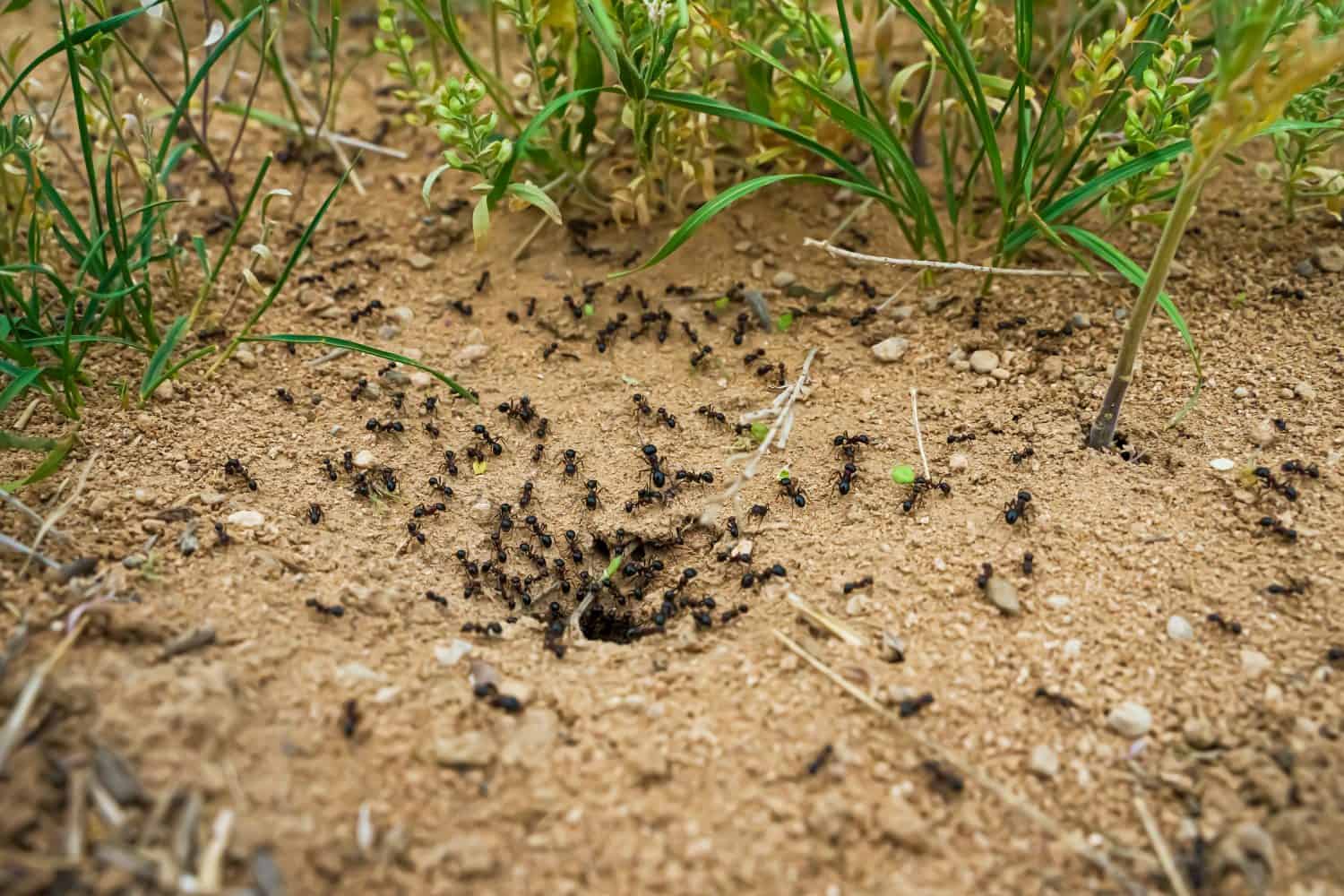
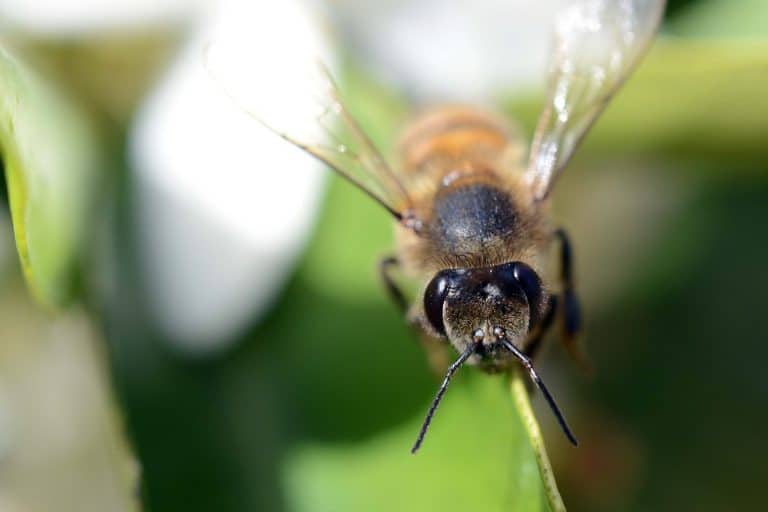
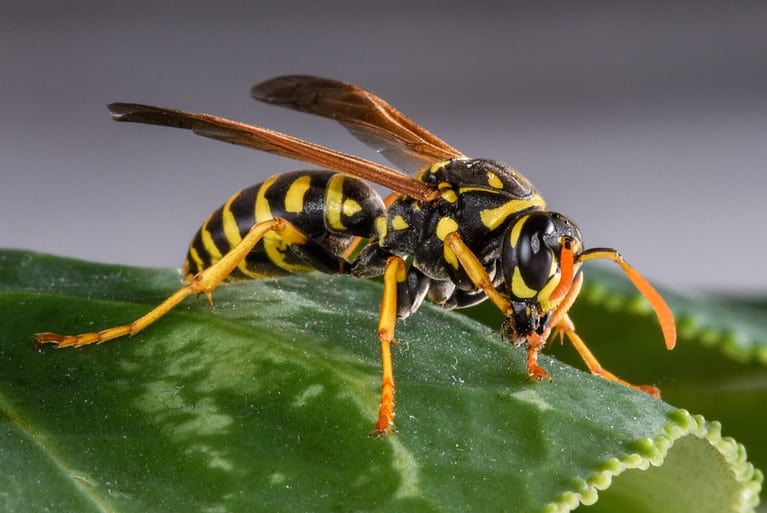
Ant nests function similarly to beehives; both are part of the Hymenoptera order of insects.
©Elvira Tursynbayeva/Shutterstock.com
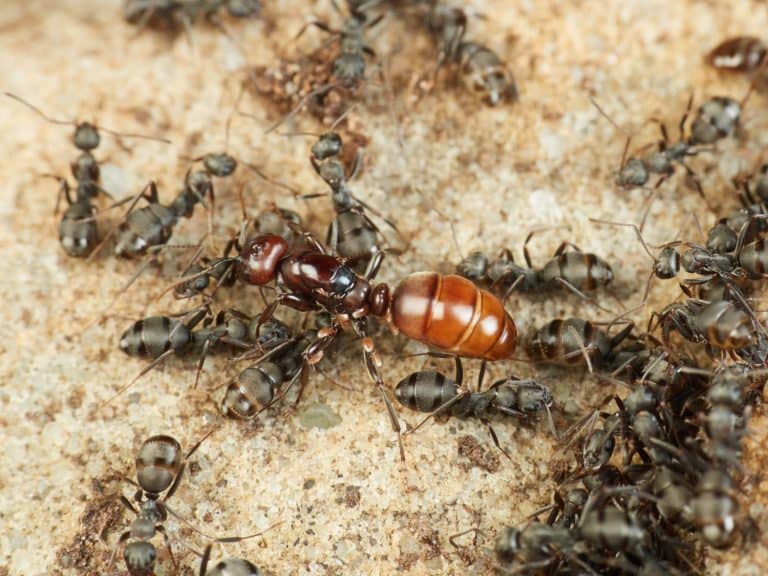
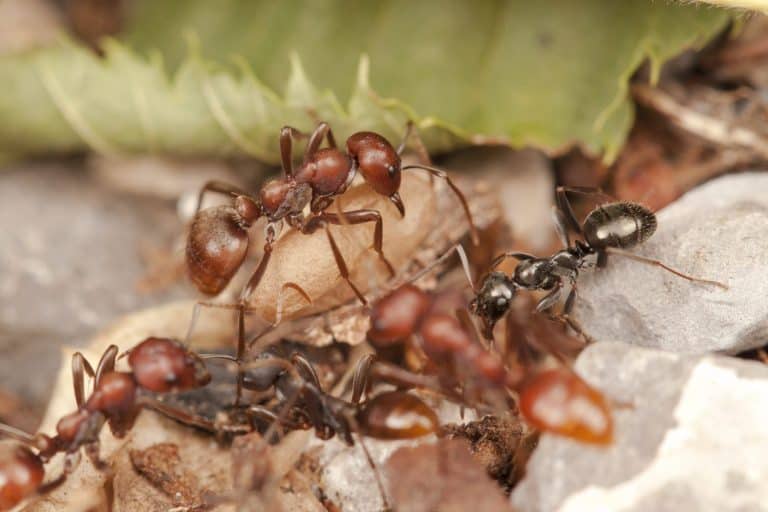
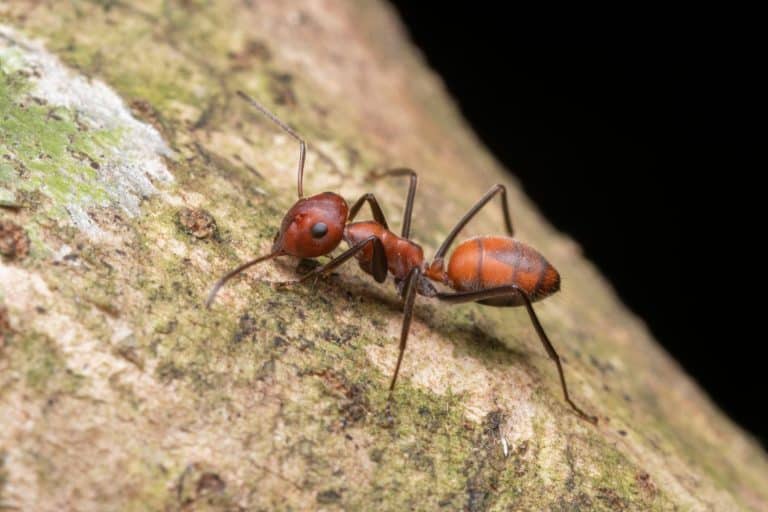
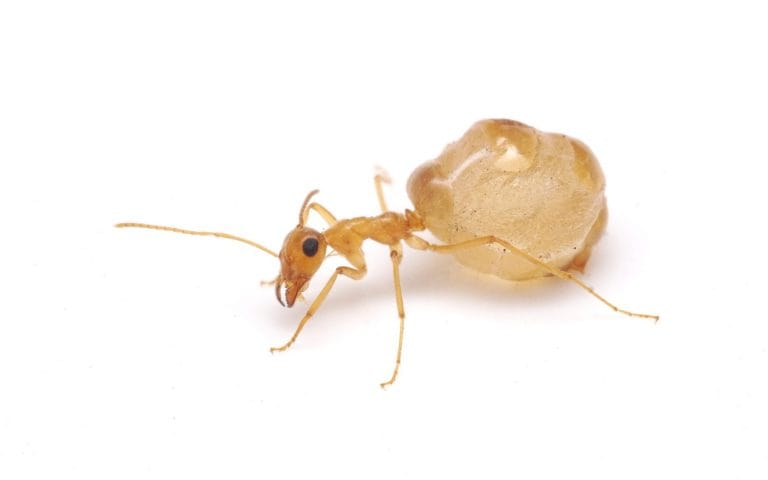
The term ant colony refers to a collection of ants, usually from the same species, that are capable of perpetuating a complete lifecycle. Like other creatures in the Hymenoptera order of insects, such as bees and wasps, ants construct colonies with pretty strict divisions of labor. Colonies consist of at least one egg-laying queen, a large selection of sterile female workers and soldiers, and, depending on the season, winged reproductive males and females.
We think of ants as being stuck on the ground, but winged ants—called alates—serve an important purpose. Their rare presence marks the movement of an ant colony into a new nest. However, they don’t last long. A few females survive to get a new nest going while the rest of the males and most females die.
Colony Communication
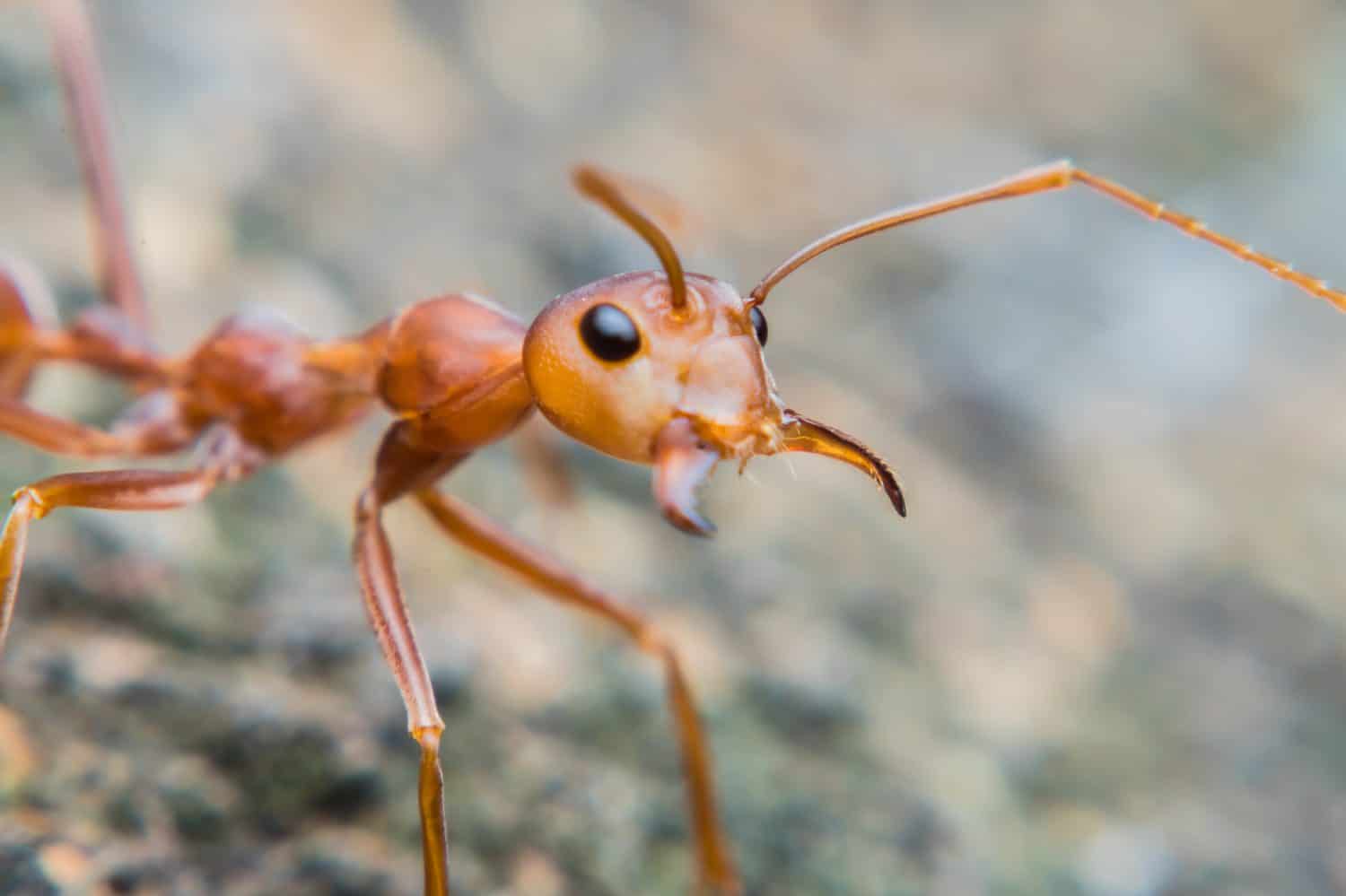
While ants mostly use pheromones to communicate, they also do so by rubbing their body parts together to create sound.
©B A N K E R D/Shutterstock.com
Once a nest is established, ants use complex communication systems to keep the colony functioning and to delegate duties. Most of the time, they use pheromones and chemical signals to organize defense, foraging, and logistics. A trail of pheromones laid by scouts helps the other ants find food, while defense pheromones are released when the colony is threatened. On a more subtle level, some ants communicate by rubbing their body parts together to create acoustic vibrations. Interestingly, this type of communication plays a sizable role in the largest colony on Earth.
Adaptation
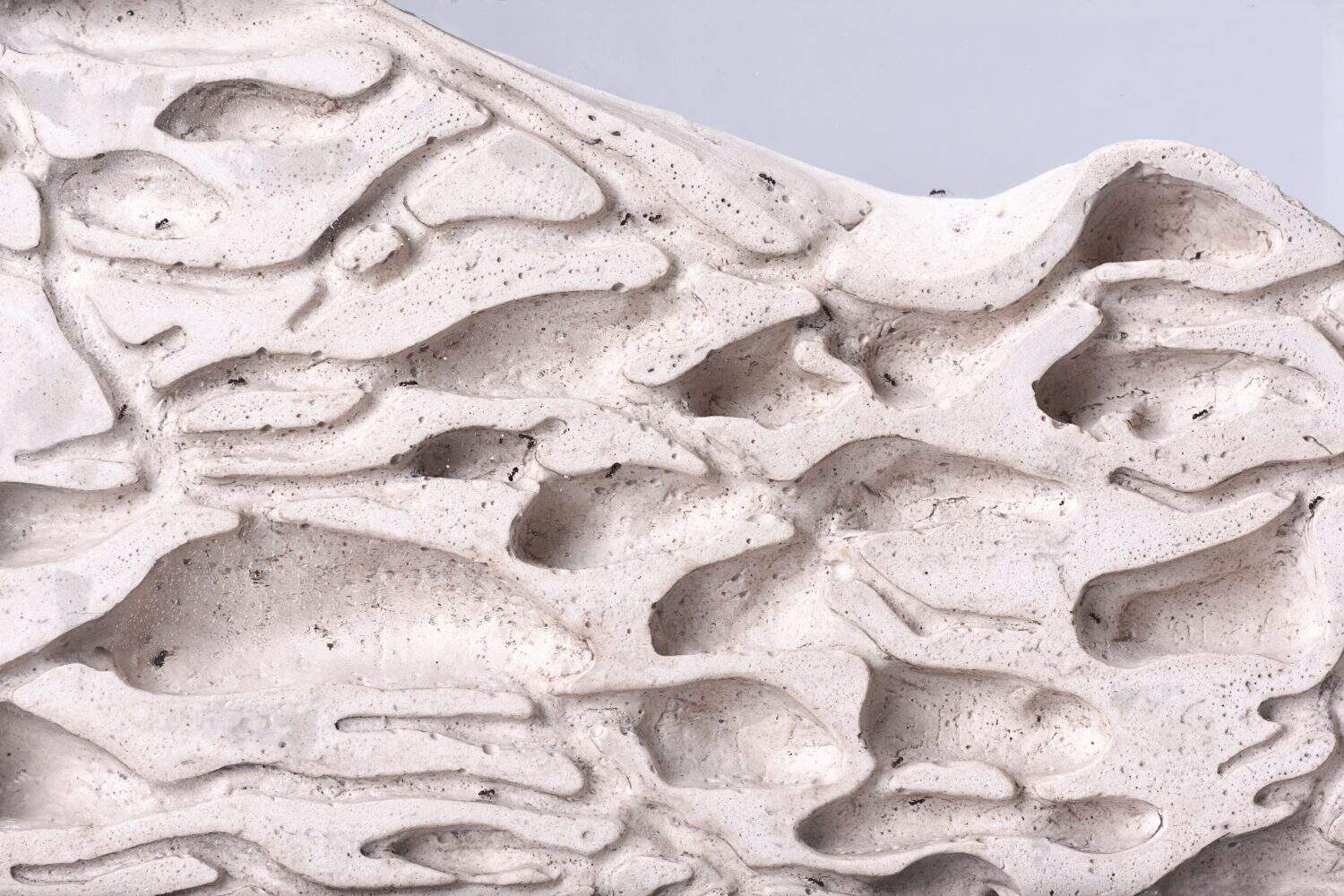
Like human cities, ant colonies employ seasonal workers; worker numbers typically peak in the summer, when ants are most active, and decrease in the winter as colony activity slows.
©2happy/Shutterstock.com
Ants are remarkably resourceful and improvisational, able to respond to sudden shifts in environment and circumstance on a large scale. When a split-second storm hits or a predator unexpectedly attacks the nest, the ants inside can respond just as quickly. Furthermore, colony workers are kind of like jacks of all trades; they will switch up their roles, from foraging to defense, depending on the situation.
You may think ant colonies are all of a similar build, but they can range in size and shape drastically. Some colonies consist of no more than a few individual ants living inside a single branch, while others can easily rival human cities in depth, population, and complexity. Some colonies are truly dynamic, shifting from a few hundred individuals in the winter to thousands of seasonal workers in the summer. As you’ll soon see, some colonies are so big that they almost defy description.
Supercolonies

Less than one percent of the thousands of ant species build supercolonies.
©Dariusz Majgier/Shutterstock.com
Depending on the species of ant and the amount of resources available in an area, a supercolony can form. Like all ant colonies, supercolonies may appear small from the outside, but inside they are sprawling, labyrinthine complexes of tunnels, chambers, and caverns, housing millions of ants. In one sense, supercolonies are pretty rare: less than one percent of the 14,000 described ant species construct supercolonies. In another sense, however, supercolonies sometimes grow so big they put human infrastructure to shame. As we’ll soon see, one colony is undoubtedly the largest on Earth.
While not all supercolony builders are invasive, there is a strong association between environmental harm and supercolony-building ant species. These species include tropical fire ants (Solenopsis geminata), red imported fire ants (Solenopsis invicta), and Argentine ants (Linepithema humile). Oddly, these supercolony builders will also sometimes set up shop in their native habitats. They aren’t always invading new lands. As with any aspect of the Hymenoptera order of insects, hard and fast rules quickly fall by the wayside upon closer inspection.
Evolving Classification
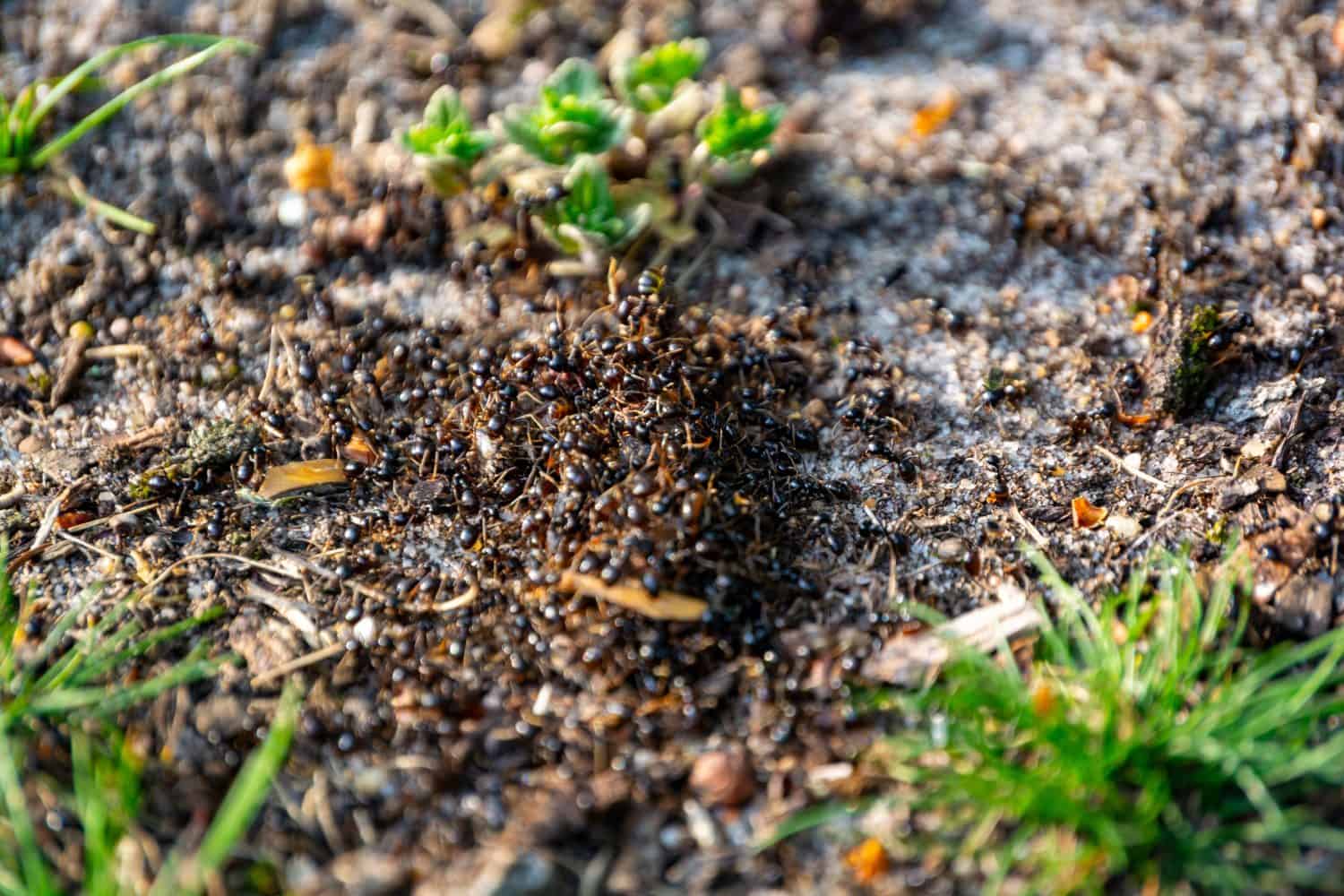
Ant supercolony types exist on a spectrum, with aggressive and peaceful behavior at each end.
©Andrei Al/Shutterstock.com
Multicoloniality is common in ants: the same species in different nests show aggression to each other when crossing paths. Initially, scientists thought that some species also showed unicoloniality behavior, where workers got along with each other as a rule, no matter their respective nest distinction or separation distance.
The supercolony classification came about after scientists discovered sprawling networks of nests containing ants that were usually multicolonial. As we will see later in this article, the most formidable supercolony builder, the Argentine Ant, seemed to exemplify this trait. However, it bears repeating that scientific understanding is always evolving.
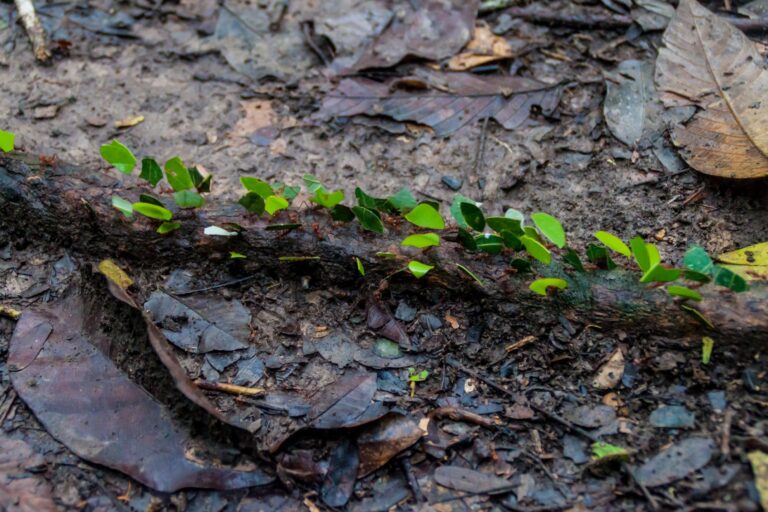
By the early 2000s, new research showed that the tendency toward supercolony building involved a spectrum of behavior. Some colonies fight with each other, others may temporarily join forces without forming lasting alliances, and some live together peacefully. Texas leafcutter ants (Atta texana) may create large, complex nests covering over 4,000 square feet, but no ant species is better equipped for extraordinary engineering than the Argentine ant.
Argentine Ants
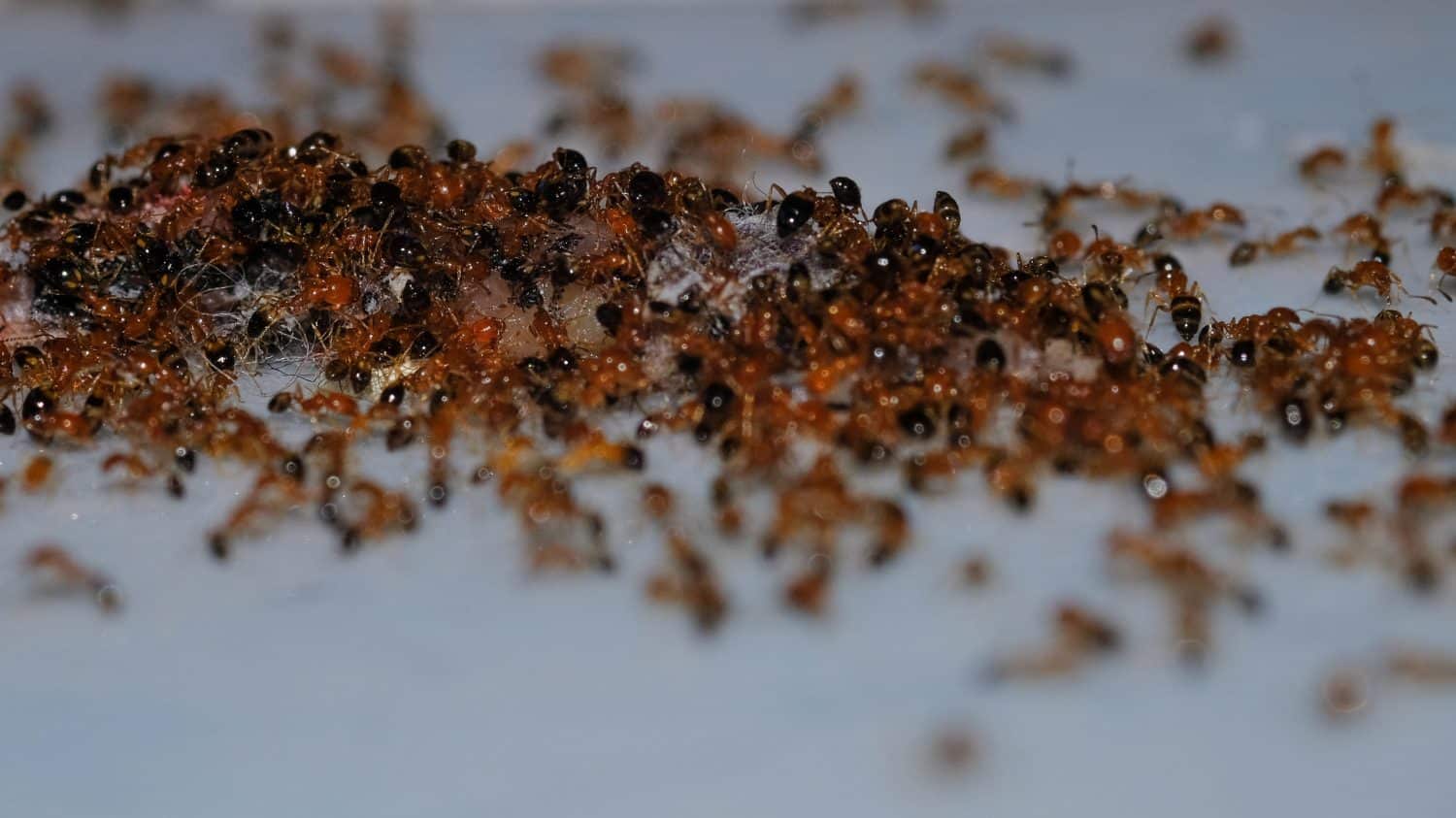
These ants are invasive but incredibly adept at colony building.
©Creative Stock Studio/Shutterstock.com
Argentine Ants (Linepithema humile) are native to South America, but they’ve spread all over the world thanks to the growth of human civilization. They are a scourge on other creatures and environments, but they have some things going for them: they aren’t aggressive with each other and share remarkably similar genetic makeups.
This innate trait has helped Argentine ants spread worldwide, often hitching rides with humans or in cargo shipments. Wherever they end up, they displace native ant populations, which impacts ecosystems. Their spread through California, for example, has led to a considerable decline in horned lizards along the Pacific Coast.
The Largest Ant Colony on Earth
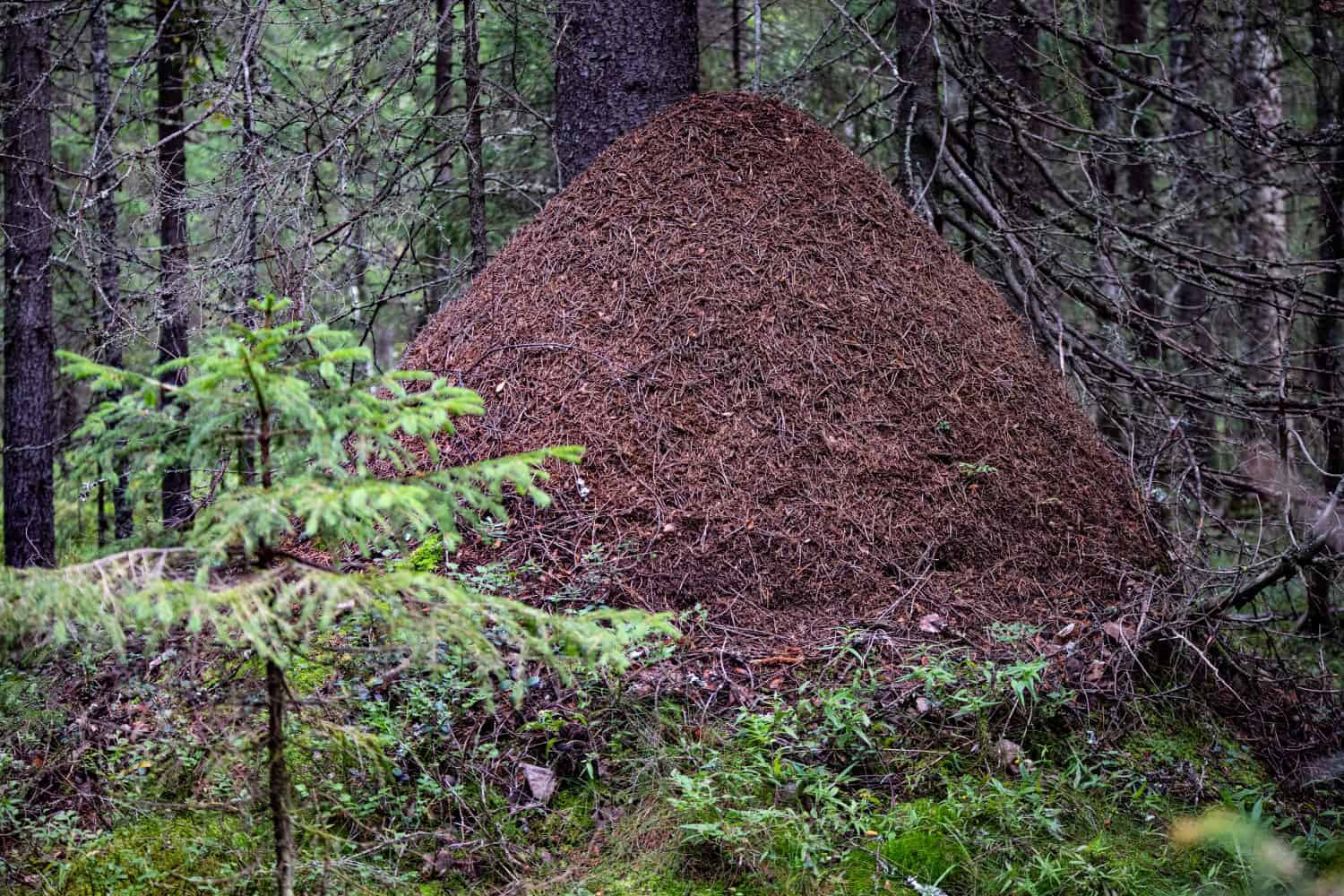
Scientists now believe that Argentine ant supercolonies across the world are part of one mega-colony.
©Apatic0/Shutterstock.com
Even with all the damage, it’s hard to argue that Argentine ants are some of the most impressive engineers on Earth. Their usual lack of intraspecies aggression and similar genetic makeup across colonies has allowed them to create the largest known ant colony. Argentine ants were introduced to Europe just over 100 years ago, but they’ve managed to build a colony so big it crosses most European countries.
Despite being no more than two to three millimeters in length each, a veritable army of these Argentine ants built a colony stretching 3,700 miles from northern Italy through the south of France and down into the Iberian coast of Spain. It’s so big that it even earned a Guinness World Record back in 2002.
Just as the classification of ant colonies has evolved, so has scientists’ understanding of the Argentine ant supercolony. Now, they believe that all the other Argentine Ant supercolonies across the world are linked. These include the “California large” colony, ranging over 500 miles along the California Coast, and a third colony on the west coast of Japan. Some of the largest Argentine ant supercolonies in Europe, California, and Japan are genetically similar and behave as if they are part of a single mega-colony.
Despite being separated by oceans, these invasive ants act like old friends if put into contact with each other. The great irony is that, without the spread of human society, the Argentine Ant supercolony would have remained confined to South America. Now, almost like a shadow to civilization, Argentine ants have established invasive populations on multiple continents.