
Quick Take
- Some honeypot ants are fed so aggressively by their colony that they permanently lose the ability to walk, and this outcome is entirely by design. How repletes become immobile →
- Honeypot ant colonies hide their most critical survival resource in the last place you'd think to look inside their nest. Where colonies hide food →
- A single chamber of these living storage vessels can sustain thousands of ants for a shockingly long stretch of time, a number that is genuinely hard to believe. Half a year on one chamber →
Extreme climate and environmental conditions require equally extreme survival strategies. Take, for example, honeypot ants. Whereas other insects gather food and distribute it in one process, honeypot ants divide their colonies so that a portion of the workers serve as living nectar vats. Instead of storing food in underground chambers, which are prone to spoiling or theft by scavengers, certain honeypot ant workers store large amounts of food in their own bodies.
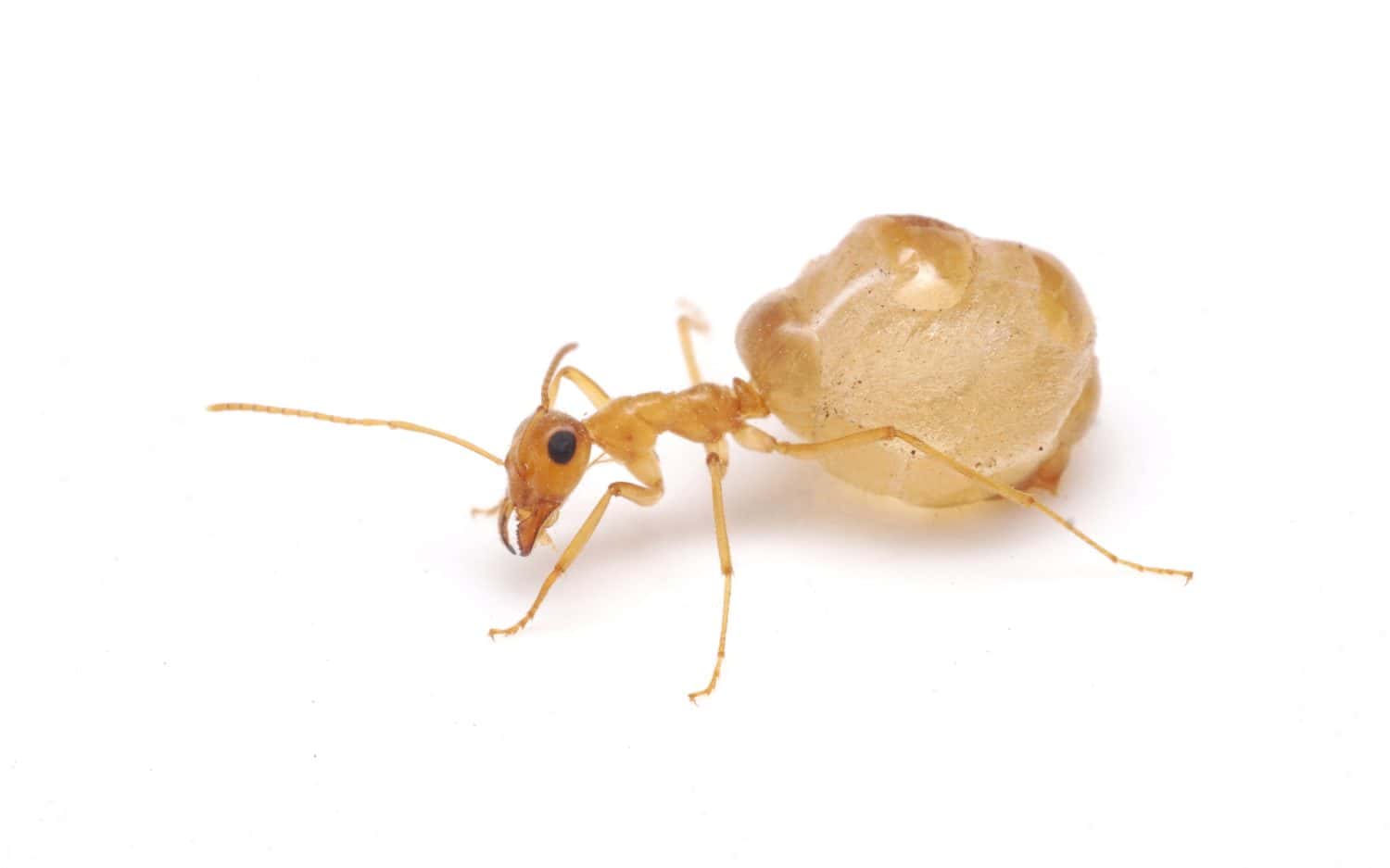
These living food vessels become so full of nectar, water, and other plant fluids that their abdomens swell to incredible sizes. Their appearance changes from that of normal ants to resembling living grapes. When the dry season hits, they remain in a state of stasis for weeks or even months, waiting to regurgitate fluids to feed other members of the colony. Let’s explore how honeypot ants use this adaptation—how certain workers forage for food, store it in their bodies, and help the rest of the colony survive during the harshest months of the year.
Food Storage
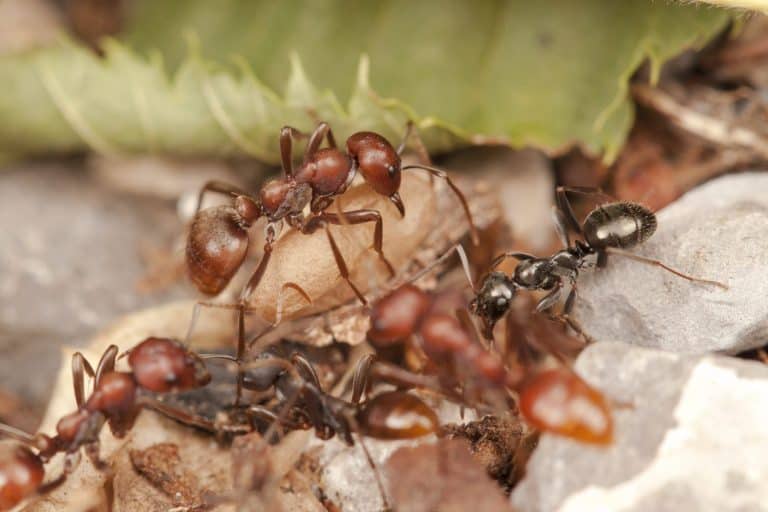
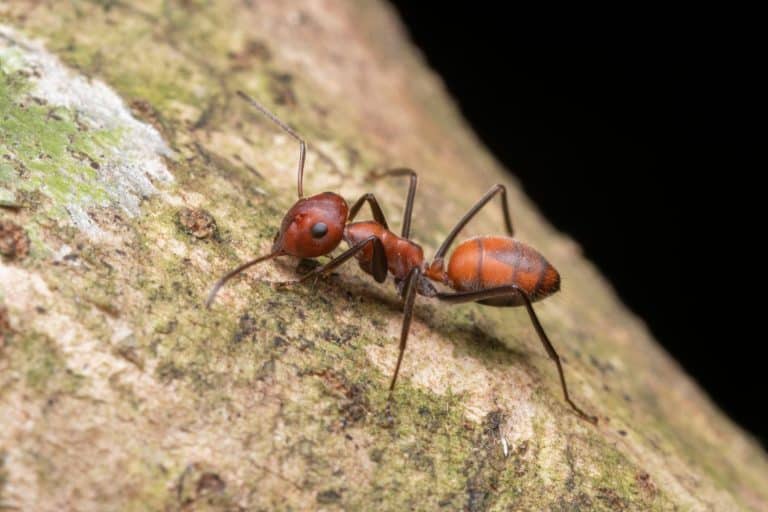
The desert-dwelling Myrmecocystus ant, one of several genera collectively known as honeypot ants, is unique in its food storage strategy. Many insects, including bees and wasps, forage for food and store it for later use. Honeypot ants, however, take it one step further; they use their own bodies as food containers. Like other ants, honeypot ants live in colonies with strict divisions of labor.
A typical colony consists of workers, soldiers, and a queen. Unlike other ant species, honeypot ants designate a specific group of workers as food storers. These specialized ants, called “repletes,” remain stationary and are fed by other workers. Over time, they are fed so much that their abdomens swell to several times their normal size.
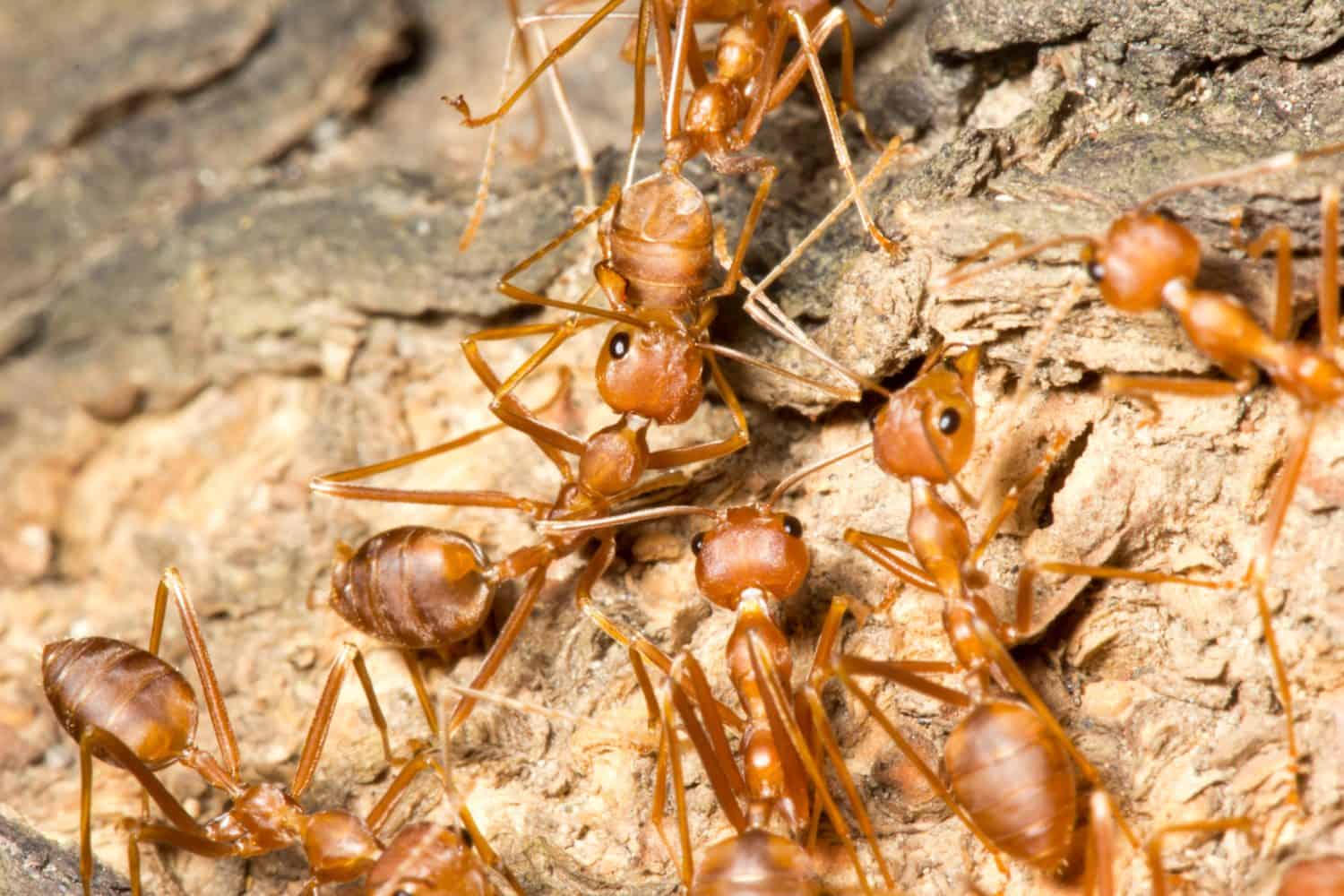
When conditions are harsh, honeypot ants tap the living food containers in their colonies to ensure survival.
©pun483/Shutterstock.com
Repletes, also known as plerergates, become living food containers, with abdomens swollen like miniature grapes. This division of labor is evident even at the biological level. Repletes have highly elastic stomachs located beneath armored abdominal plates, which are connected only by thin membranes. Although alive, repletes with engorged stomachs become too heavy to walk. As a result, they climb onto the ceilings of the colony’s chambers and anchor themselves there with their clawed feet. There, they enter a state similar to hibernation, hanging motionless for months at a time.
Surviving Dry Season
Other honeypot ants continue to forage year-round, or at least until extreme heat dries up their environment completely. During these challenging periods, the colony relies on the resources stored in the replete workers’ abdomens. After remaining motionless for weeks or even months, repletes become the most vital members of the colony.
Workers that would normally forage outside during wetter conditions instead seek out repletes for nourishment during the dry season. To access the stored food, they tap a replete’s head and antennae with their own. This action triggers the replete to contract its abdominal muscles, pushing a drop of nectar from its stomach to its mouth. The waiting worker then drinks the droplet and may share it with other ants, including larvae, nurse ants, and the queen. Many honeypot ant colonies have several, or even a dozen or more, replete chambers per nest.
Remarkably, a single chamber of repletes can contain enough stored nectar to feed a colony of thousands for over half the year.