
Quick Take
- Corvids must harvest deer fur to meet specific nesting performance standards.
- The August shedding cycle creates a critical timing constraint for crows seeking insulation.
- The scouting of human leftovers is a necessary step for maintaining long-term food caches.
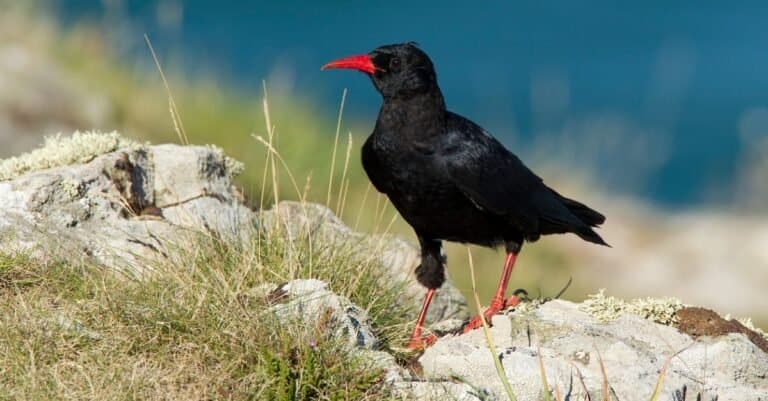
Crows are some of the smartest birds on the planet. They boast great memories, complex social lives, and are extremely opportunistic. One way they take advantage of their surroundings is by using available materials. Crows use a variety of materials from their environment, such as twigs and animal fur, to build their nests, as shown in this Instagram post by @discover.animal. Continue reading to learn more about these resourceful birds.
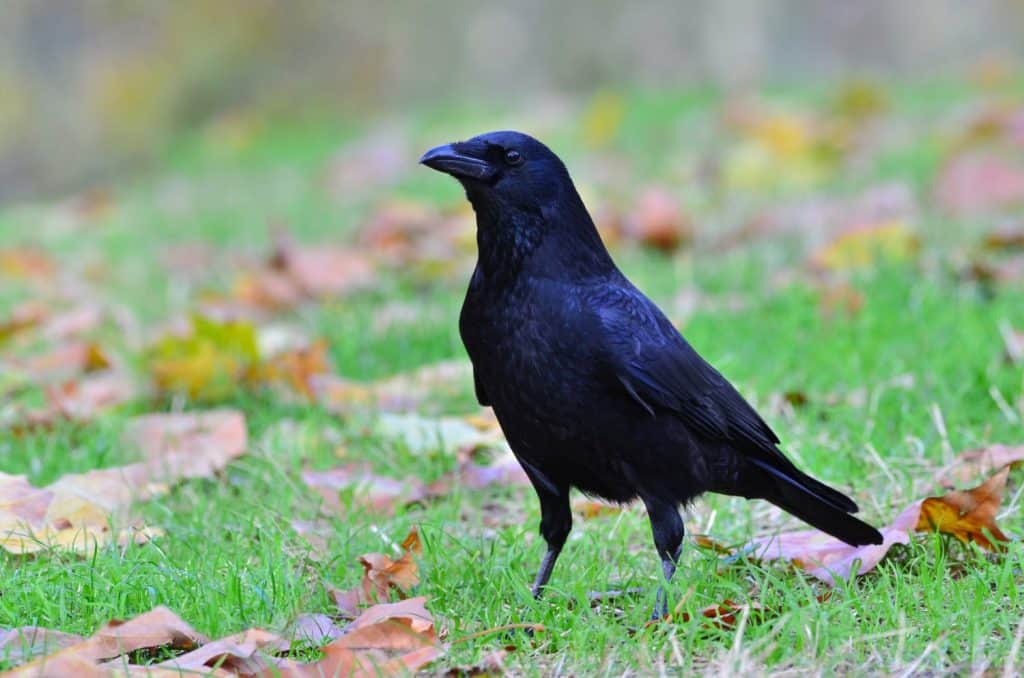
Crows make the most of their environment by using the available resources in a variety of ways.
©Cristian Gusa/Shutterstock.com
Crow Nest Building
In the video above, a crow can be seen taking fur from a deer and a cat. This may seem like strange behavior, but it’s quite common among corvids. Pulling fur from animals, or simply finding shed fur, is all done for building their nests. Fur is excellent for insulating nests and is extremely soft. This makes it perfect for creating a warm winter nest for the crows. This also coincides perfectly with the deer’s natural shedding season. Deer shed their fur between August and September to grow a winter coat. Crows can use this shed fur to prepare for the cold months ahead. That’s why the crow in the video appears so eager to pluck fur from the deer.
Opportunistic Crows
Crows are extremely opportunistic birds. Using their intelligence, they make the most of their environment to survive. One example, shown in the video above, is their use of fur for nest building—a clever way to utilize the resources available in their environment. However, there are many other examples of this behavior. Corvids are famous for using objects like sticks as tools for various purposes. For example, they may use a stick to extract insects or solve human-made puzzles in research studies. Crows are also known to bury their food items and remember their location to eat later on. They even hide human food scraps, taking advantage of waste left behind by people. This highlights the amazing adaptability of these birds.