
Sunlight is critical to life on Earth, but excessive exposure to sunlight can cause serious harm. Infrared rays can cause burns, and ultraviolet (UV) radiation damages the DNA of cells. So, as you reach for the sunscreen on the beach this summer to protect your skin, spare a thought for animals living in the sunniest parts of the world. These creatures have no artificial sun protection to rely on. Yet, they have evolved to protect themselves from the heat and damaging effects of the sun in several different ways. Some have physiological adaptations, but others have developed behaviors that help protect their skin. Here are some of the most ingenious we have discovered.
Elephants
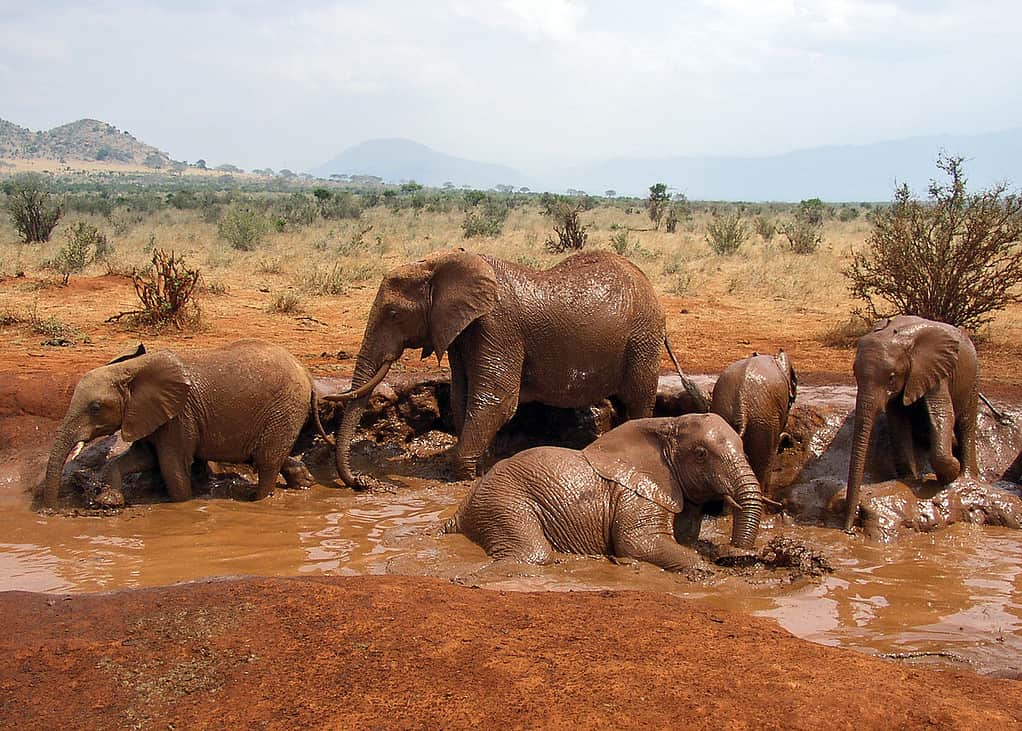
African Bush Elephants take mud baths for sun protection.
©I, Mgiganteus, CC BY-SA 3.0, via Wikimedia Commons – Original / License
Scientists have discovered that elephants have special genes that reduce their cancer risk. Therefore, they do not have to worry about getting skin cancer in the way that humans do. Nevertheless, the heat of the sun can make them feel uncomfortable. They will seek out shade if possible. Additionally, they create their own sunscreen by using their trunks to spread mud or dust on their backs, or by bathing in muddy water or dust. Elephants also spray themselves with trunks full of water to keep cool. Mother elephants have also been observed spraying their calves with sand to protect them from the sun.
Warthogs and Wild Boars
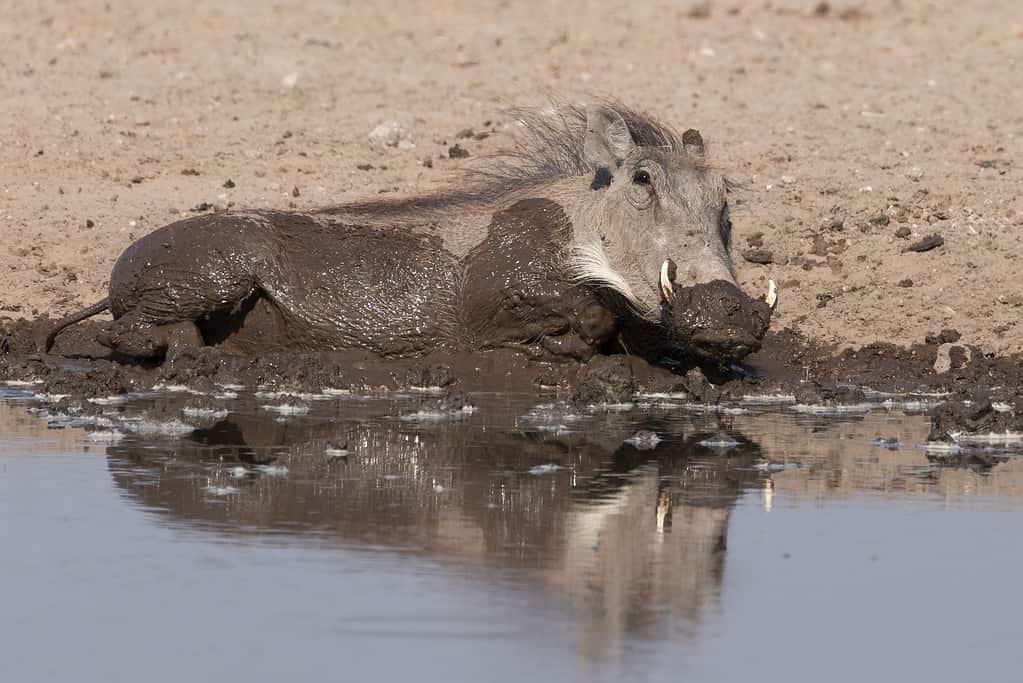
Pigs and warthogs use mud for skin protection.
©John Ceulemans/Shutterstock.com
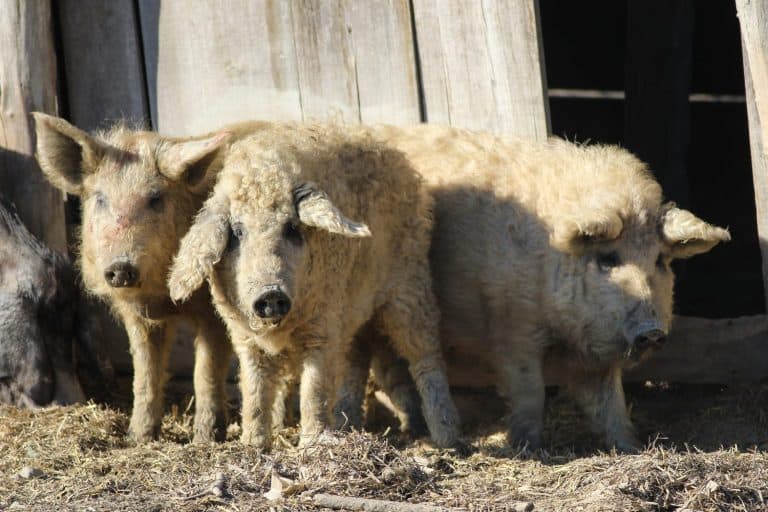
Because they have very little fur and cannot sweat, finding protection from the sun is a priority for warthogs and other members of the pig family (including domestic pigs). Sunburn is very dangerous and painful for domestic and pet pigs. They wallow in mud, allowing it to coat their bodies. This provides a protective coating to prevent burning and also helps to keep biting insects at bay.
Hippopotamuses
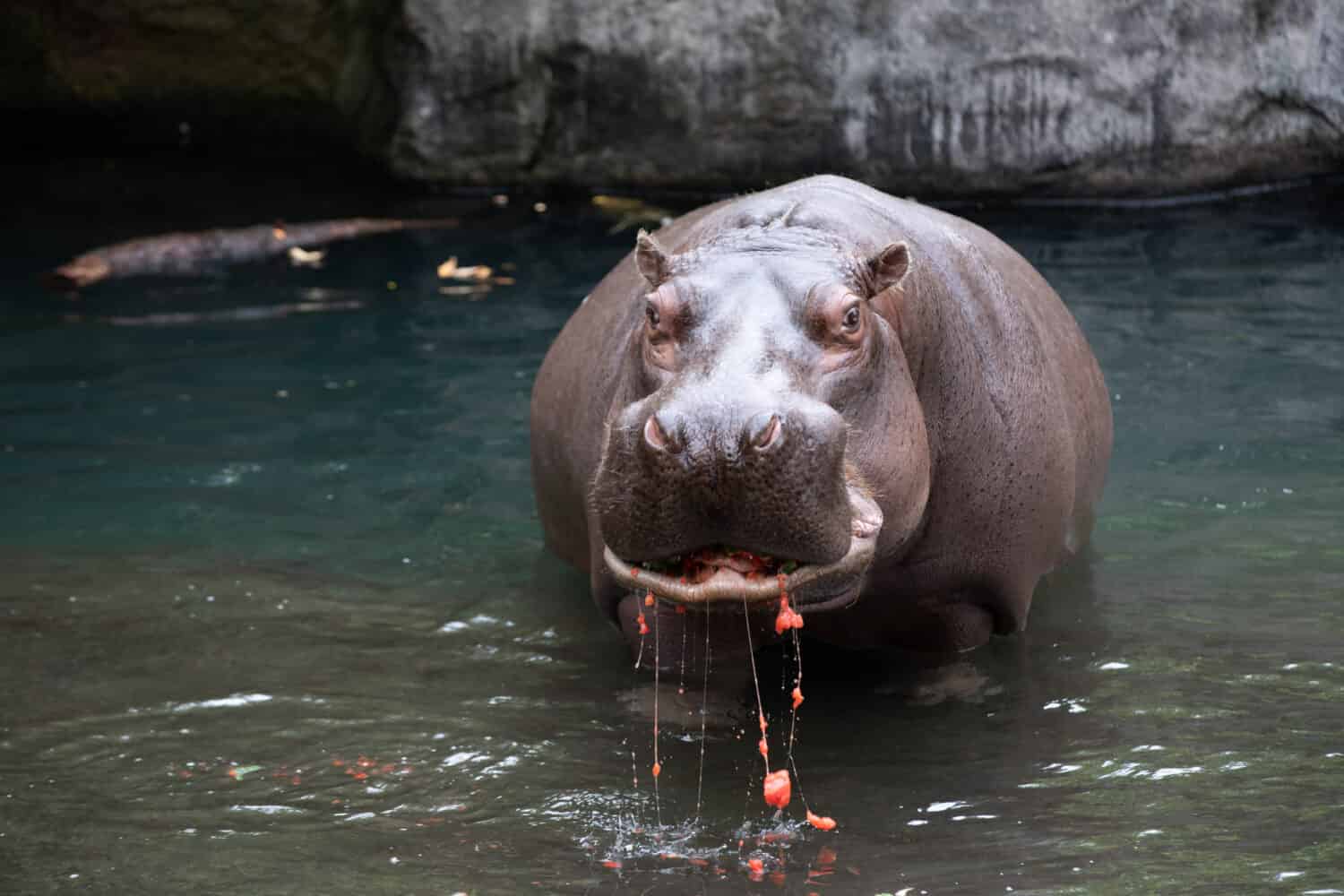
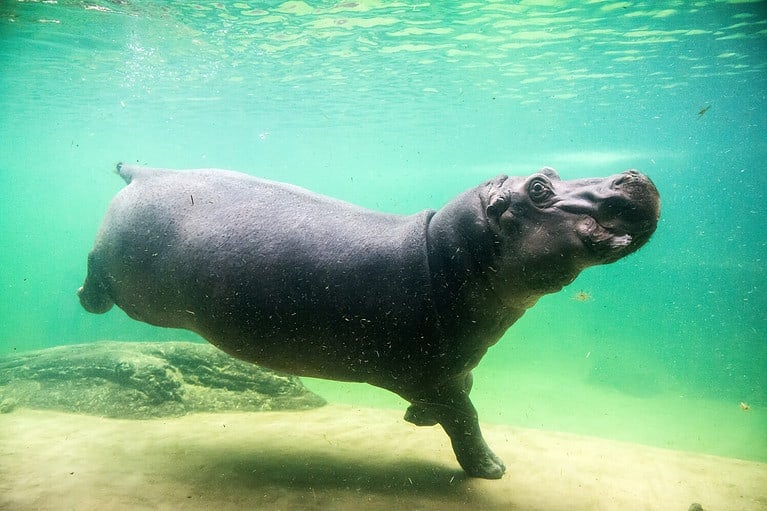
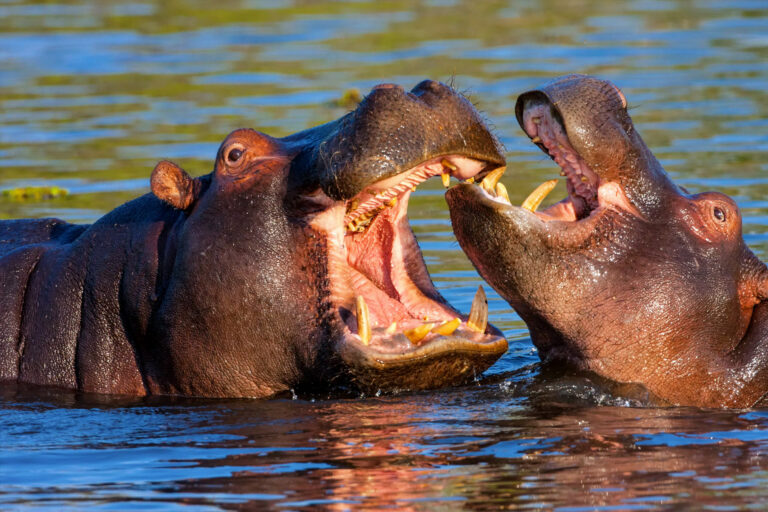
Hippos can sweat when they get hot.
©Alexander Oganezov/Shutterstock.com
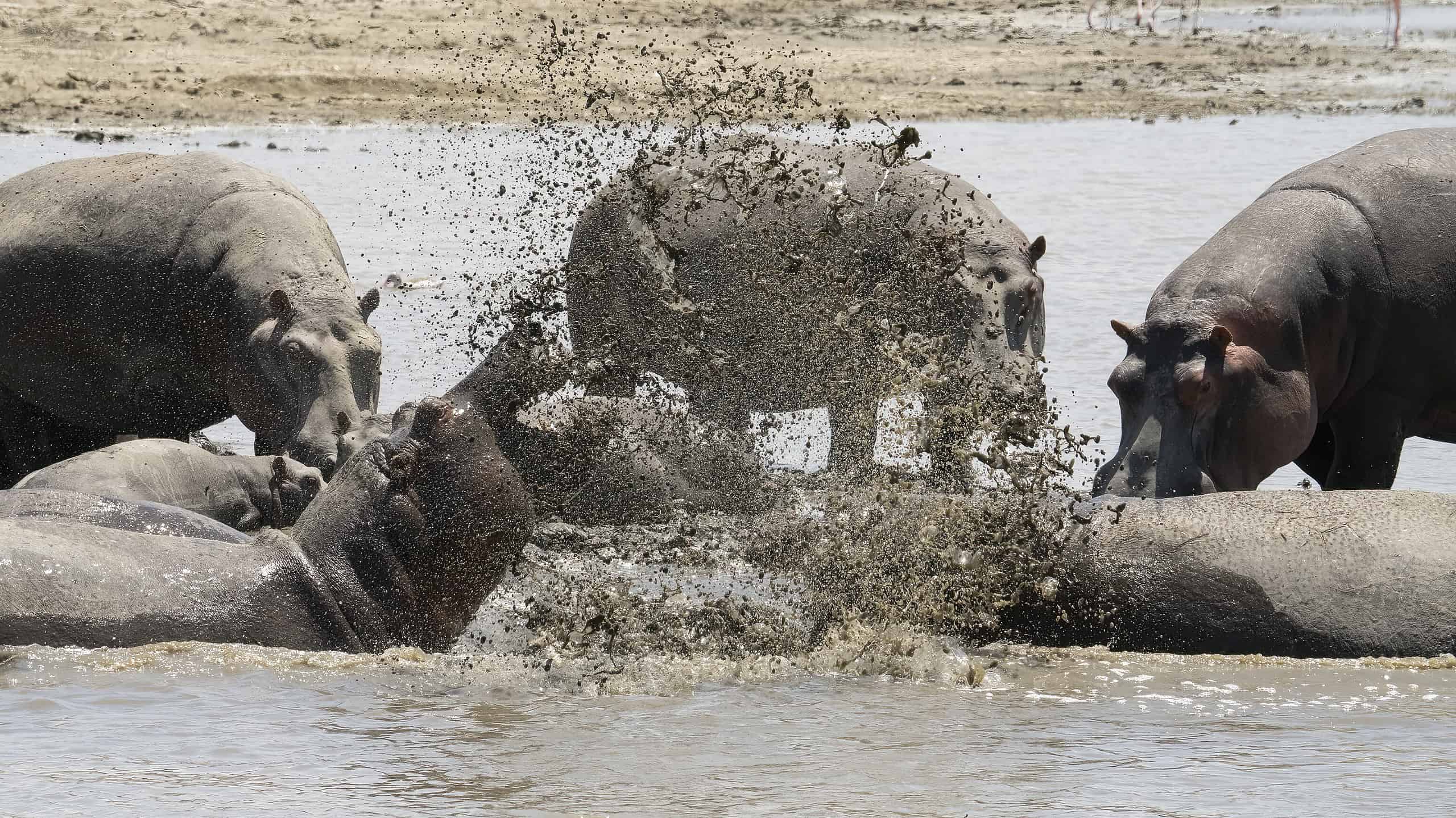
It’s not unusual to see hippos wallowing in mud at the edges of rivers. The mud provides them with protection from the sun. However, they have another clever mechanism to provide protection. Hippos secrete a special substance that acts like sweat!
Strictly speaking, the liquid produced by hippos is not sweat because it is secreted by subdermal glands rather than sweat glands. Nevertheless, it helps to keep them cool. Also, hippo sweat contains both a red and an orange pigment, which may act as sunscreens. The startling color can make it look as if hippos are sweating blood.
Whales
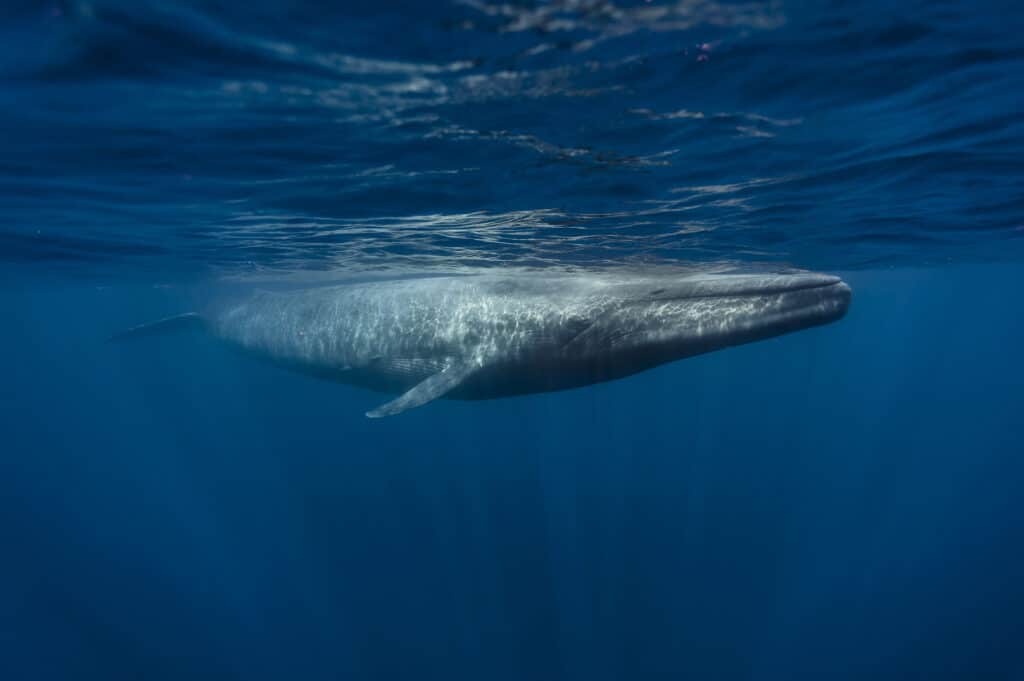
The skin of blue whales can suffer sun damage.
©Andrew Sutton/Shutterstock.com
Some ocean creatures can also suffer from sunburn. Don’t forget that animals like whales have to come to the surface to breathe. Anyone who has ever been on a boat trip will know how easy it is to get sunburned at sea! Recent research has confirmed that whales, including blue whales, develop skin lesions caused by UV radiation. Humans have a natural sunscreen: when their skin is exposed to UV, it responds by producing more pigmented cells. Blue whales do the same and the increased pigment in their skin protects them from further UV damage.
Marine Microorganisms
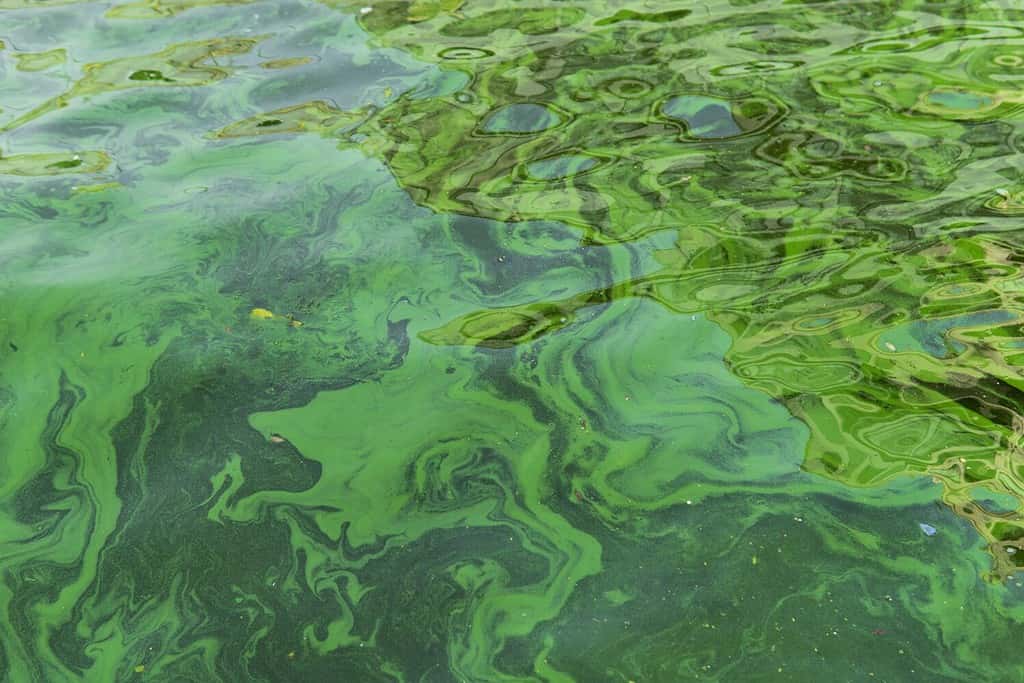
Cyanobacteria produce their own sunscreen.
©Aleksandrkozak/Shutterstock.com
Tiny organisms living in the upper layers of the ocean and on reefs are constantly exposed to sunlight. However, this level of exposure to UV radiation is potentially deadly. To cope, they produce their own UV-protective compounds. For example, cyanobacteria produce scytonemin (a lipid-soluble and yellow-brown pigment) and mycosporine-like amino acids (MAAs). Some algae and fungi also produce MAAs. Additionally, some fungi, bacteria, and cyanobacteria produce melanins.
Zebrafish
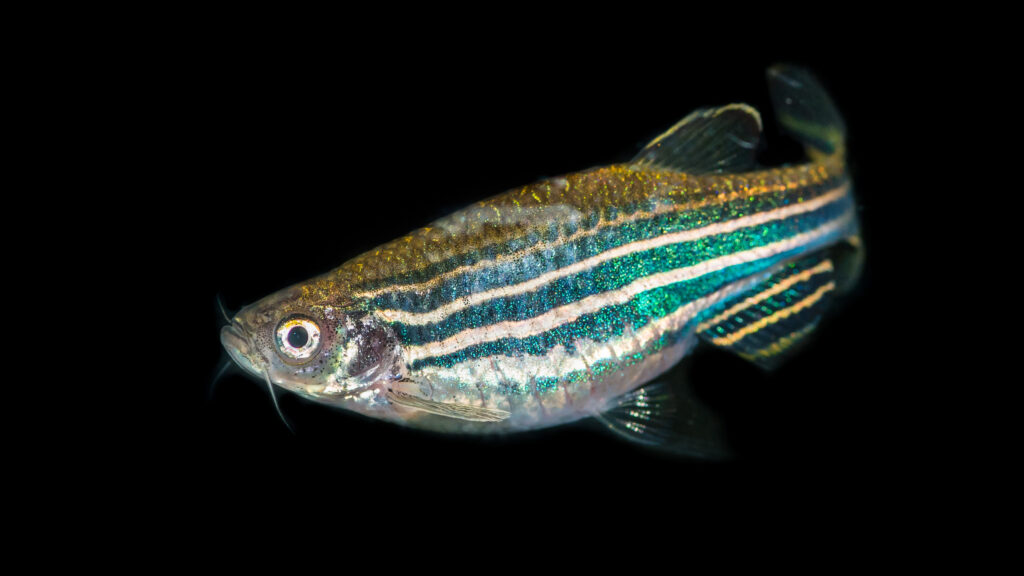
Zebrafish have special genes that allow them to make gadusol.
©Ian Grainger/Shutterstock.com
Gadusol is a compound that absorbs UV radiation, particularly UVB. Zebrafish have the genes to produce gadusol and may use it as a sunscreen. These fish like to live at shallow depths and are therefore constantly exposed to sunlight. Interestingly, the genes to produce gadusol have been found in many fish species, and recent research has shown that gadusol acts as a maternally provided sunscreen in zebrafish. Its functional significance in birds, amphibians, and reptiles remains under investigation.
West African Lungfish

The West African lungfish coats itself in mucus for sun protection.
©belizar/Shutterstock.com
Just when you thought the world of animal sun protection could not get any weirder, along comes the West African lungfish. Rather than using a sunscreen, they make a cocoon from mucus. As the sun intensifies and water levels drop, they remain inside the cocoon, using a small opening for respiration. In this state, they drastically reduce their metabolism and excretion, and breathe air through a small opening in the cocoon, allowing them to survive for several years until water returns.
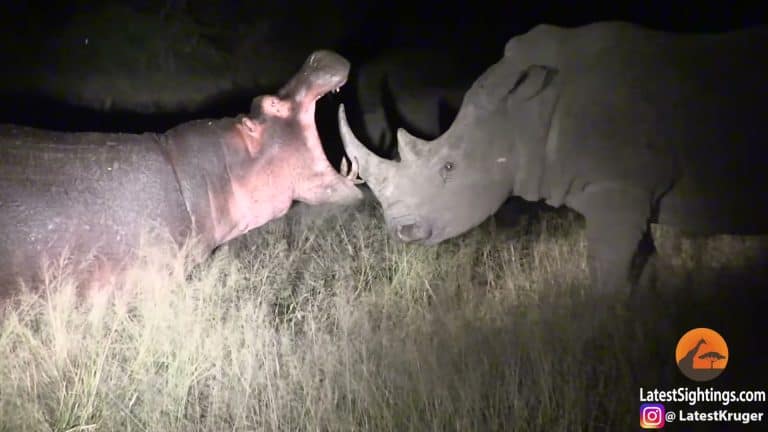
Rhinoceros
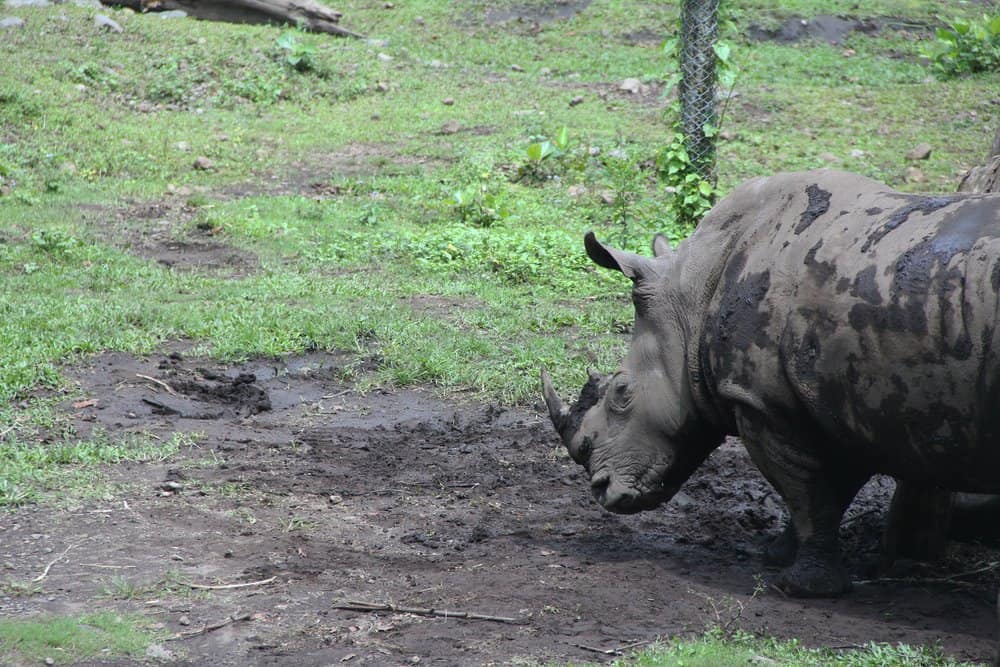
Mud is an excellent sunscreen for rhinos.
©Novena Assen/Shutterstock.com
All members of the family Rhinocerotidae create their own sunscreen from mud. Despite the fact that they have a tough hide, rhinos need to cover themselves in thick mud to prevent damage from the sun. At the same time, the mud removes ectoparasites and helps with thermoregulation. The mud stops them from overheating.
Research has shown that Javan rhinos construct their own wallows and prefer sites that have a shade cover of 75 percent. As well as using the walls for mud application, they also act as a place for interaction and communication. Thus, applying mud as sunscreen can also serve as a social activity for rhinos.