
Quick Take
- An elephant seal was temporarily stained purple by pigments from red algae. See the real explanation →
- The algae only stained the seal's fur and was not eaten or absorbed into its body.
- The purple coloration is harmless and gradually washes off when the seal returns to the ocean. Read about the outbreak →
One of the most unusual sights of the year appeared on a California shore recently when a bright purple elephant seal was spotted on the beach. Although it might look like something out of a cartoon, there’s actually a surprisingly simple explanation behind its unusual color. Keep reading to find out why this seal turned purple and whether there’s any cause for concern.
Why Did the Seal Turn Purple?
The seal was spotted on Bight Beach in California and instantly gained attention due to its purple appearance. The source of the purple coloration was not immediately clear, and understandably, some people initially thought the seal might be sick. However, the purple coloration is actually from red algae that have washed ashore and stained the seal’s fur purple.
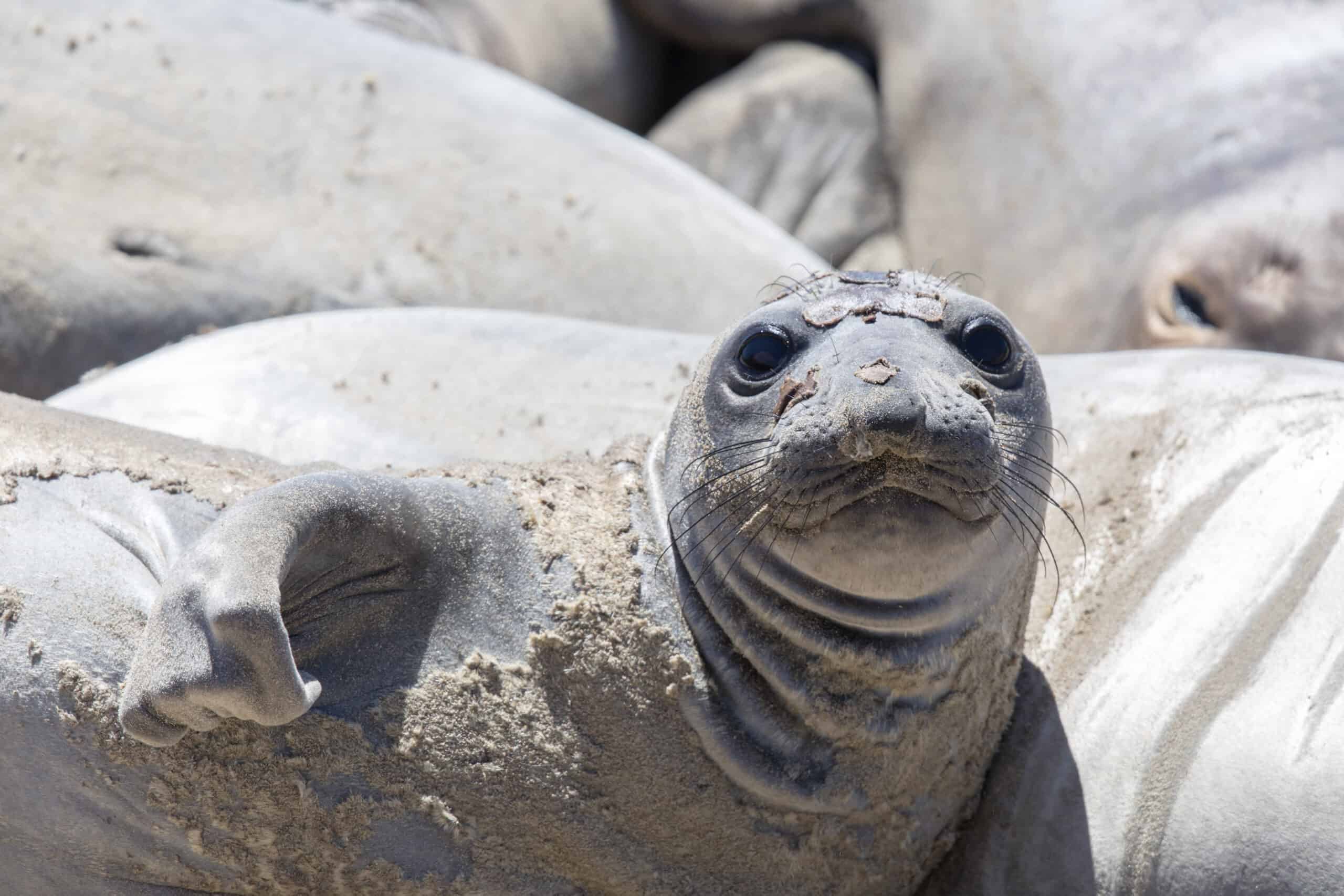
Red algae are a group of marine seaweeds found in oceans around the world. Despite their name, they aren’t always bright red; different species can range from deep crimson to purple, depending on their pigments and how light interacts with them. When an elephant seal lies on the algae for any length of time, some of these pigments rub off onto its fur. This causes a distinctive purple or reddish tint. In this case, the elephant seal lay on the algae when it came ashore to molt. Lying on it for an extended period of time then caused the purple pigments to cover the seal’s entire body.
The pigments remain only on the seal’s fur and are not absorbed into its body. It isn’t permanent, as it will eventually fade and wash off when the seal returns to the water. Elephant seals are currently spending more time ashore as it is their annual molting season, which occurs between April and August. However, elephant seals aren’t the only animals to have been colored purple due to red algae; this has also been observed on sea otters off the Monterey coast.
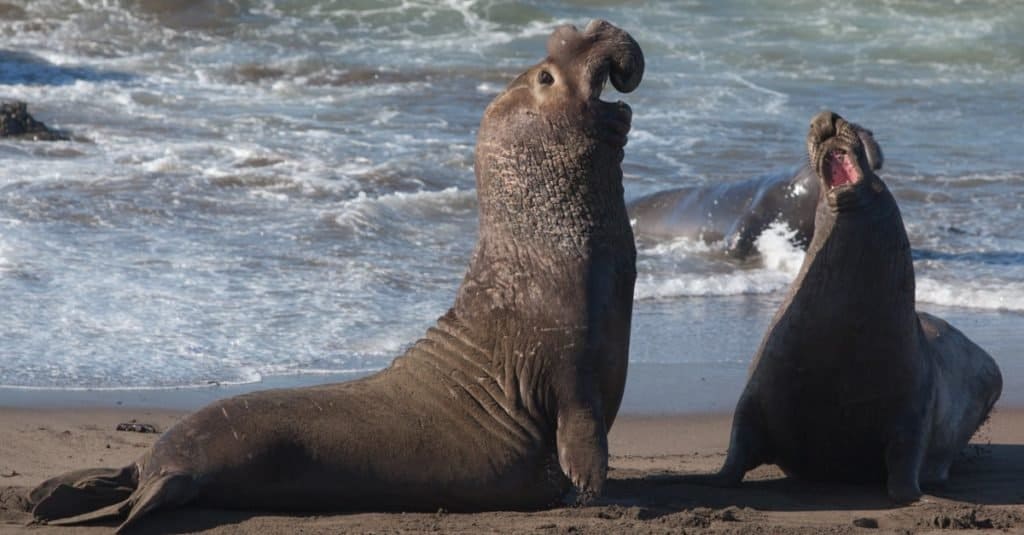
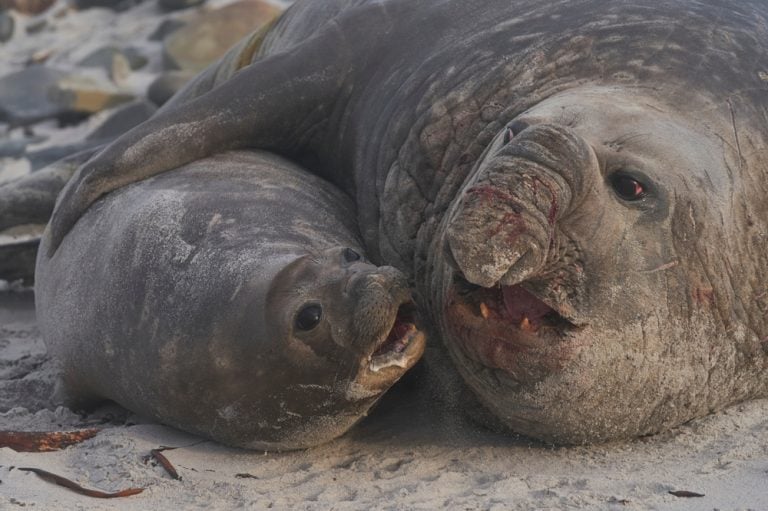
Elephant seals come ashore when they are molting as the water is too cold for them.
©FiledIMAGE/Shutterstock.com
Is the Seal Healthy?
When the seal was first spotted, some people thought the unusual color might be a sign of internal bleeding or be caused by something the seal had eaten. However, the red algae in the surrounding area soon revealed the cause. As the purple coloration only affected the seal’s fur and matched the algae it had been resting on, it was soon determined that the seal was not ill or injured. Although a purple seal looks alarming, the algae are harmless, and the stain gradually disappears once the seal spends time back in the ocean.
The timing of the sighting raised additional concern because Año Nuevo had recently experienced an outbreak of avian influenza (H5N1) in elephant seals and sea lions earlier in the year. Although it’s more commonly associated with birds, the virus can occasionally spread to mammals. The recent outbreak was devastating and caused the death of around 30 elephant seals. However, the purple coloration was completely unrelated to avian flu and was instead simply the result of a temporary natural stain.