
Quick Take
- The moment a dog stops trying alone and looks to you for help reveals something researchers didn't expect to find there. See how dogs were tested →
- The breed most people would bet on as the smartest didn't take the top spot, and the real winner challenges what 'intelligent dog' even means. Meet the top-ranked breed →
- One beloved breed aced reading human signals yet failed a basic spatial puzzle, exposing a split in canine cognition that most owners never consider. See the Labrador's split results →
- A trait dog owners often celebrate as charm or independence has a scientific label, and researchers rank it dead last. See who ranked last →
Researchers have been looking for ways to measure how smart different dog breeds can be. In recent studies, scientists put dozens of breeds through a series of cognitive and behavioral tests. Their goal: to see which breeds stand out, and which ones lag behind, when it comes to canine intelligence.
Continue reading
Inside the Dog Intelligence Lab
Dogs in the study were asked to do more than just sit and stay. Each animal faced challenges designed to test their ability to understand human gestures. One test involved a transparent, V-shaped fence hiding a visible treat, forcing the dogs to figure out how to reach it without being able to go straight ahead.
Another task forced dogs to reckon with independence. They were given an impossible mission, accessing food locked inside a sealed container. Observers noted how quickly each dog turned to a human for help. The time it took revealed not only their problem-solving skills, but also their willingness to collaborate with people when stumped.
How Different Breeds Performed
Saara Junttila, a scientist specializing in canine cognition at the University of Helsinki, pointed out that nearly every breed revealed a unique cognitive profile. “Most breeds had their own strengths and weaknesses,” Junttila explained in an interview. She described how Labrador Retrievers excelled at interpreting human signals, yet struggled with spatial puzzles. By contrast, Shetland Sheepdogs performed consistently across most tests, avoiding dramatic highs or lows.
The Surprising Winners and Losers
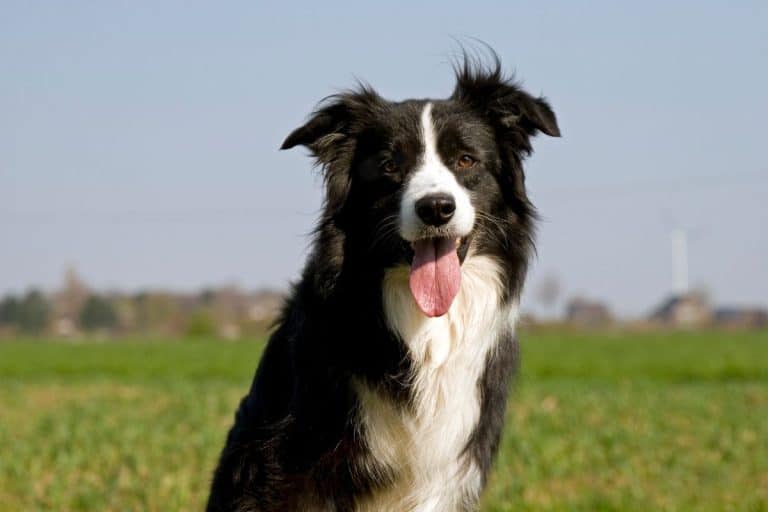
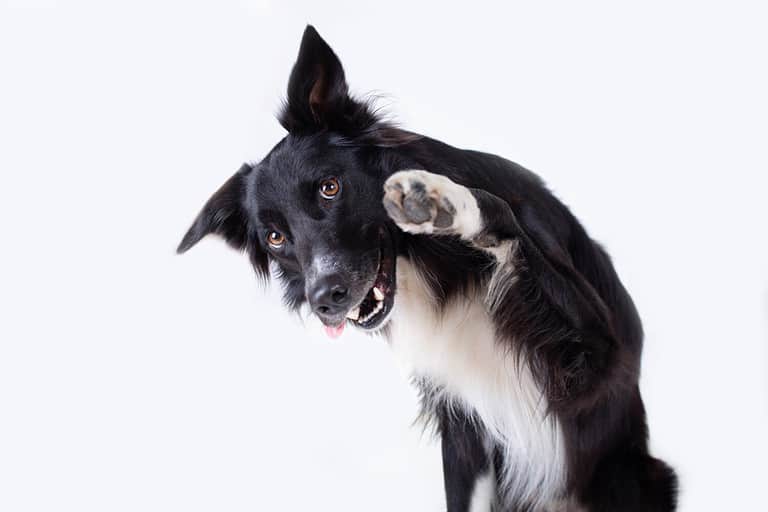
When the scores were tallied, Belgian Malinois took the top spot, earning 35 out of a possible 39 points. Next came Border Collies with 26 points, followed closely by Hovawarts at 25. These results challenged common perceptions, shining new light on what it means for a dog breed to be considered “intelligent.”
This wasn’t the only effort to rank dog intelligence. Professor Stanley Coren, who wrote “The Intelligence of Dogs,” took a different approach, surveying over 200 obedience judges from across the United States and Canada and considering feedback on 130 distinct breeds.
According to Coren, not all breeds are as quick to learn as the Malinois. Afghan Hounds landed at the bottom of his list. Trainers reported that Afghans could require more than 80 repetitions to grasp a new command. Even then, they obeyed the first request less than a quarter of the time. While some owners cherish the breed’s independent spirit, Coren’s research suggests it comes with a price: a reputation as the least trainable dog in the kennel.
What the Rankings Mean for Dogs and Owners
For those choosing a canine companion, these studies highlight the wide variety of strengths that different breeds offer. Some dogs are eager collaborators, while others prize self-reliance or need a little extra patience to learn new tricks. Far from simply labeling breeds as smart or not, this research reminds us that intelligence in dogs, like in people, has many faces.