
Quick Take
- Reindeer are considered a keystone species.
- During the winter, herds of reindeer attract smaller animals like ptarmigans due to the holes created by foraging patterns.
- Ptarmigans eat whatever is left from these holes and use them to hide from predators.
- Reindeer keep Arctic ecosystems healthy and biodiverse.
On this side of the Atlantic, people mostly associate reindeer with Christmas and Santa’s sleigh. However, people who live in areas like Norway, Finland, Siberia, and even Alaska know that reindeer play a vital role in ecosystems. Reindeer grazing habits are also a boon for ptarmigans, one of the few bird species that don’t migrate south for the winter.
It’s actually remarkable how much reindeer benefit other animals, as well as their environments overall. Whether it’s dispersing seeds through poop, creating hiding spots for smaller creatures, or serving as a food source for larger predators, reindeer keep their ecosystems afloat. Let’s learn more about their role as gardeners of the tundra, and how they keep ptarmigans fed through even the most inhospitable of winters.
Snowfield Saviors
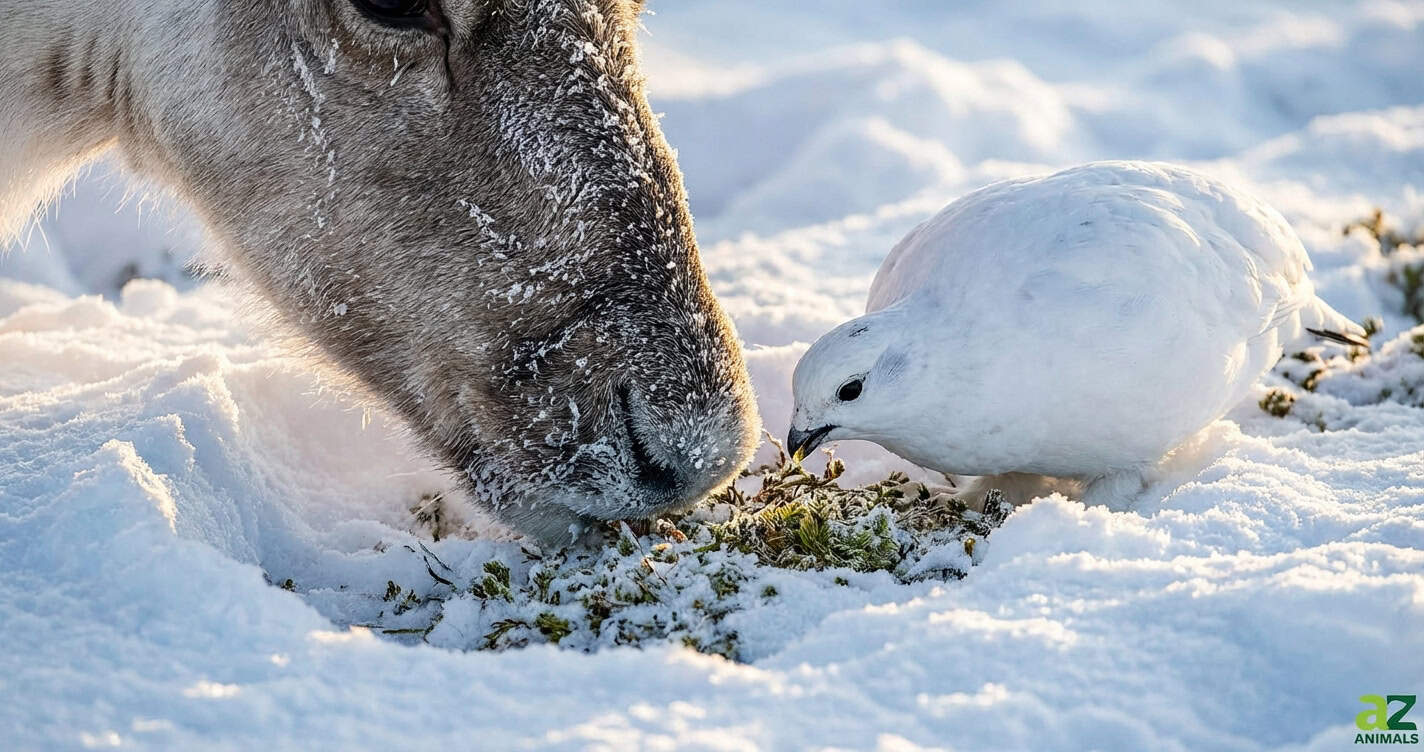
Reindeer unwittingly help birds like ptarmigans reach food sources under compact snow.
©Dmitry Chulov/Shutterstock.com
By the time winter comes, most birds in tundra-like environments read the writing on the wall and head for warmer climates until spring. However, ptarmigans—particularly rock ptarmigans—are largely sedentary. At most, they exhibit limited altitudinal migration. Because these birds stay in tough winter conditions, they need all the help they can get finding food and staying hidden from predators. That’s where reindeer come in.
Since ptarmigans struggle to dig up food from under thick, compact snow, they wait around for reindeer to do the digging first. Ptarmigans loiter around reindeer herds and wait for them to dig foraging holes. Once reindeer finish eating, ptarmigans follow suit and take whatever food is left. Roe deer—along with hares—are also known to look for food in spots previously dug up by reindeer.
Hiding Spots
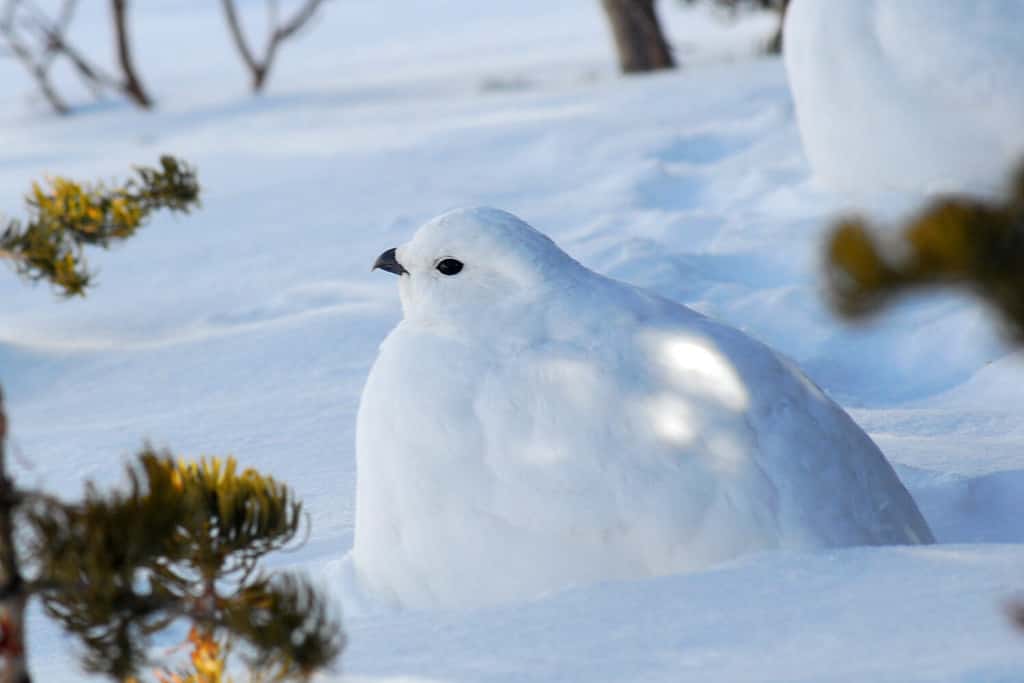
Once reindeer dig their foraging holes, small creatures like ptarmigans use them as hiding spots.
©Carrie Olson/Shutterstock.com
A herd of reindeer moving through the tundra attracts a lot of attention on either end of the food chain. Small creatures like ptarmigans follow along to get a better shot at winter foraging, but so do predators. Birds of prey like owls and hawks, as well as scavengers like ravens, are a common sight in areas with roving reindeer herds. They wait around for reindeer grazing patterns to flush out small rodents and other animals hiding under vegetation. In response, ptarmigans use the excavated holes as hiding spots, their white winter coats blending in seamlessly with the holes in the snow.
This type of behavioral exchange between ptarmigans and reindeer is called commensalism. This notion, more generally known as co-feeding, refers to dynamics where one animal (the ptarmigan) benefits from another’s labor (the reindeer), without helping or harming them.
Keystone Species
It bears repeating just how important reindeer are to their environments. In fact, reindeer are so important that they are called ecosystem engineers due to their outsized influence on the landscapes, the stability of climates, and the survival of other Arctic species.
As previously mentioned, reindeer are like the gardeners of the tundra. Ever-present grazers in rain, sleet, or snow, roving reindeer herds and their relentless grazing habits prevent any single plant from dominating the landscape. In warmer months, previously stifled shrubs grow taller and spread. Reindeer eat them, preventing the growth of dense thickets. They also eat wide-leaved plants, which lets sunlight reach smaller, slower-growing plants on the earth’s surface. All that plant material eventually becomes waste, which reindeer drop along their foraging paths. Not only do their droppings provide vital sources of nitrogen and phosphorus to nutrient-starved Arctic soil, but they also disperse seeds. Reindeer droppings are light enough that they can be carried by the wind, promoting plant diversity in the process.
Interestingly, reindeer also help combat climate change due to albedo. This word refers to a measure of the percentage of sunlight that the Earth’s surface reflects. Reindeer eat dark-colored shrubs that typically absorb heat from the sun. This keeps landscapes open, with a higher percentage of white snow. This sparkling white surface reflects solar radiation into space, keeping the ground frozen and local temperatures cooler.
Food of Plenty
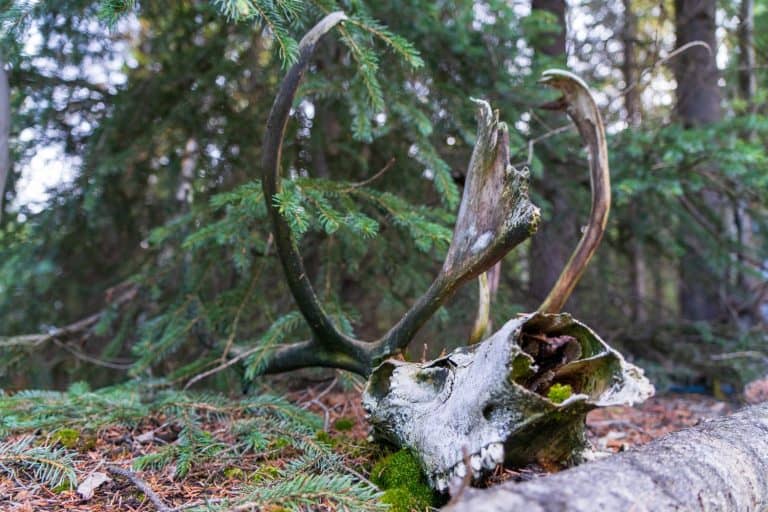
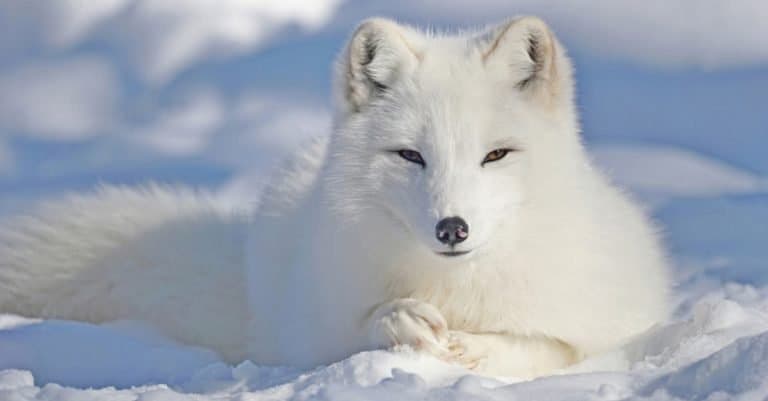
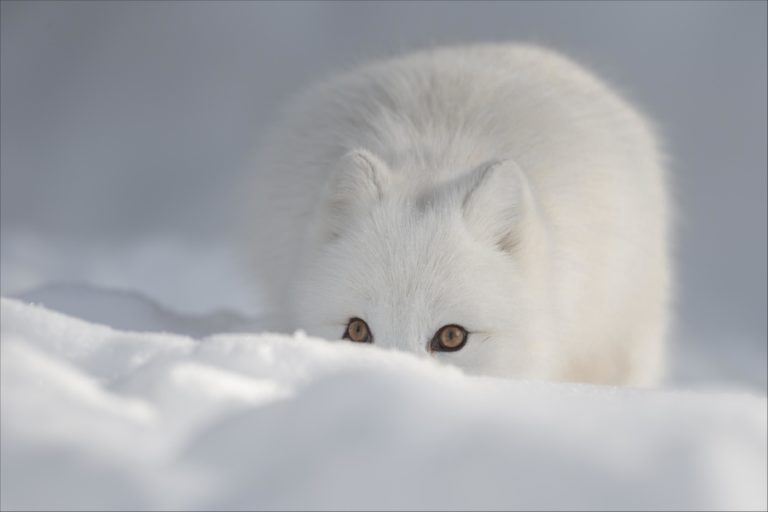
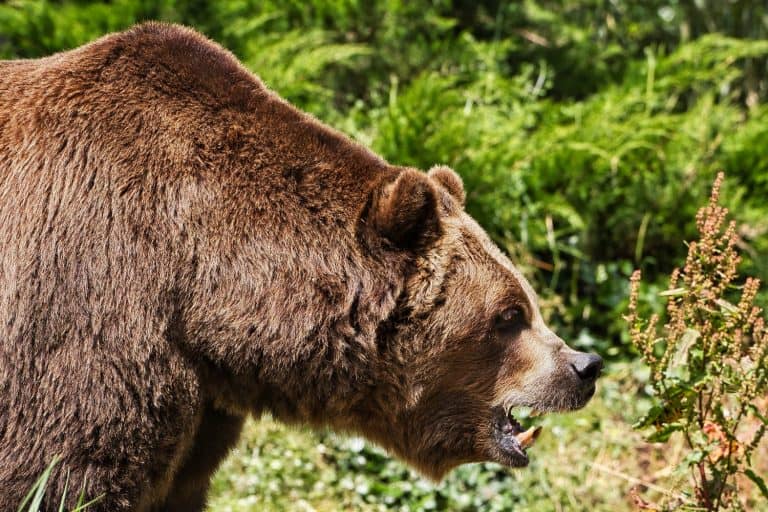
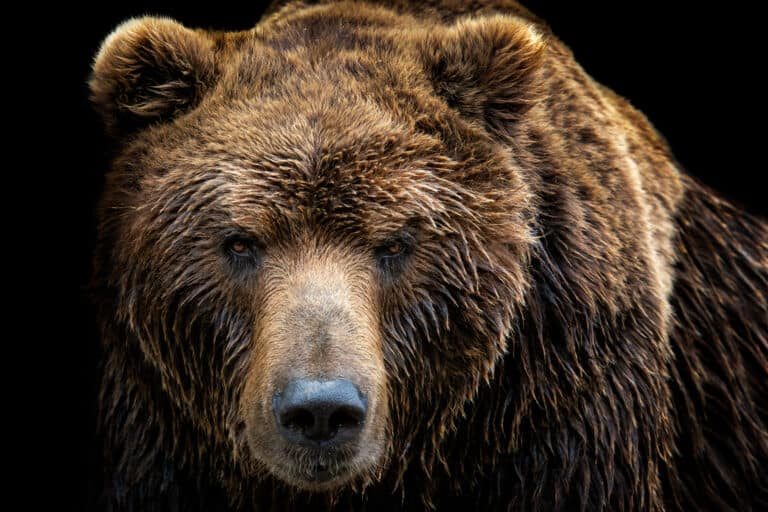
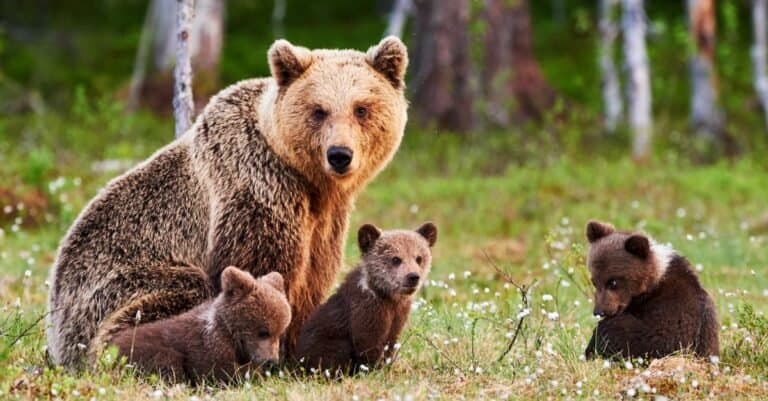
Reindeer also serve as an important food source for both predators and humans. Predators like wolves, wolverines, and brown bears eat reindeer regularly. Once dead, reindeer carcasses provide ample food sources for smaller scavenging animals like arctic foxes and ravens.
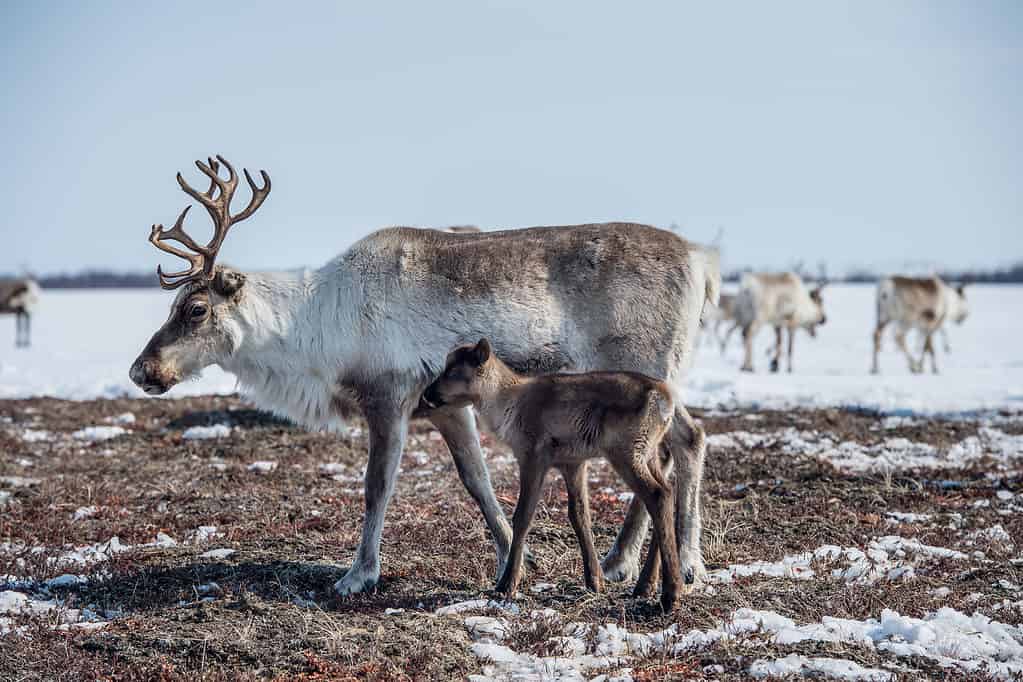
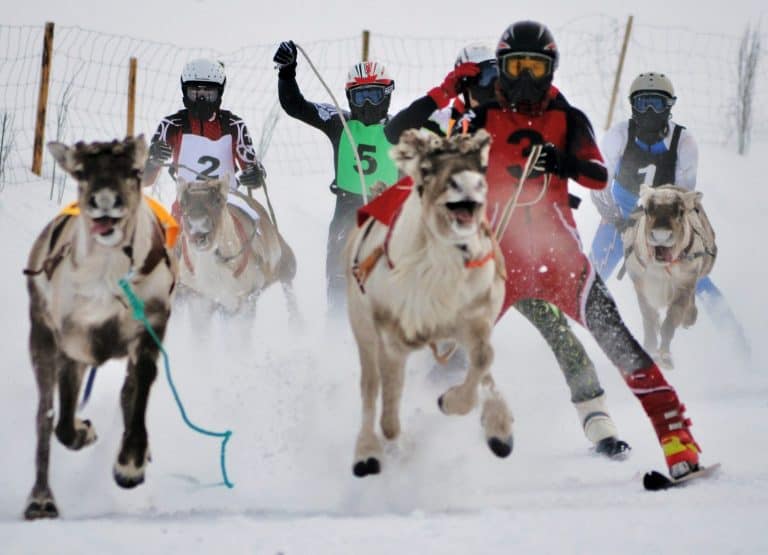
Traditional northern cultures like the Sámi and Nenets use every part of the reindeer for food, warmth, and tools.
©den-sau-pin/Shutterstock.com
Traditional cultures like the Sámi in Fennoscandia and the Nenets in Russia rely on reindeer for a variety of purposes. They use reindeer meat for food, fur for clothing and tents, and antlers for tools like needles or handles. Economically speaking, reindeer herding remains a sustainable industry in high northern altitudes.
In the same way that reindeer help ptarmigan birds survive the winter without even realizing it, they are a vital source of energy and survival for nearly all other living things that call the tundra home.