
Quick Take
- Migration flocks contain hundreds of thousands of snow geese traveling as far as Mexico back to Canada.
- The Middle Creek viewing location is one of the best to observe these “whiteout” migration forms.
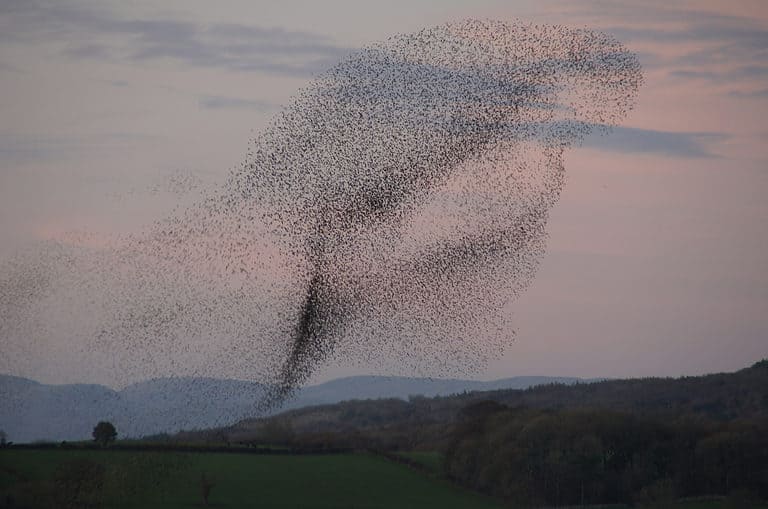
- Some migrations appear as “snowstorms” as the birds blot out the sky during flight.
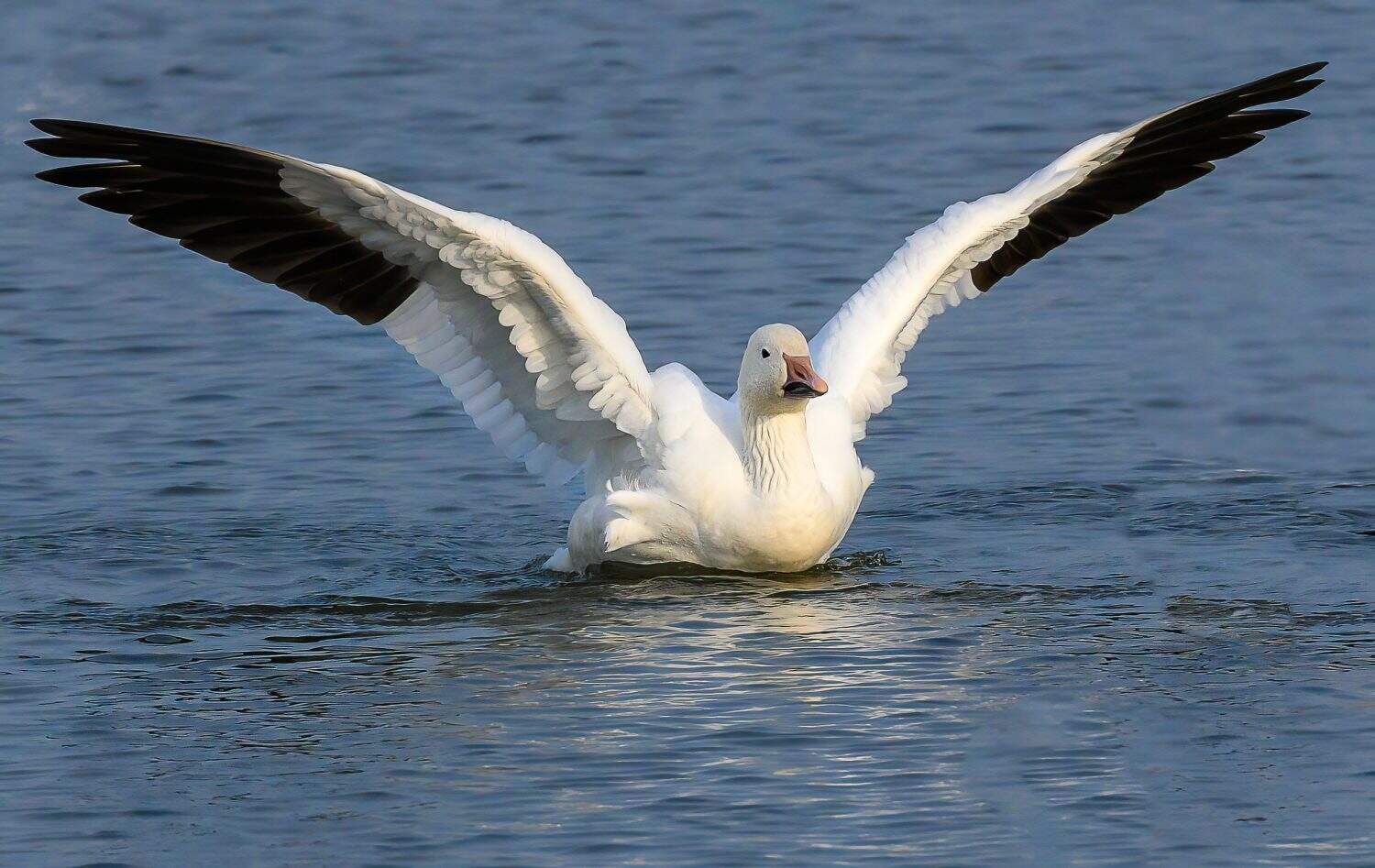
Every March, a day comes when the sun above the central U.S. becomes blotted out by white blurs. The noise is deafening, and the visual even more disorienting. As the sky seems to undulate with rapidly beating wings, it’s a sight that many call “unbelievable.” This is the annual snow goose migration, and it’s one of the most anticipated birdwatching events in the country.
Thousands of people gather at well-known viewing locations to watch waterfowl take to the skies, listening to the call of spring. The flight of these birds signals that warmer weather is approaching. As they follow the retreating snow line, their journey becomes a symbol of better days ahead.
The Annual Snow Goose Migration
The end of winter brings better spirits for humans, but a new journey for waterfowl. Toward the end of February and through the months of March and April, snow geese begin their trek back north. After a full winter of snowbirding (pun intended) in warmer places such as Mexico and the southern U.S., their seasonal instincts kick in. Their travel peaks in March, when they can be seen crowding the skies as they fly in tandem with their flocks.
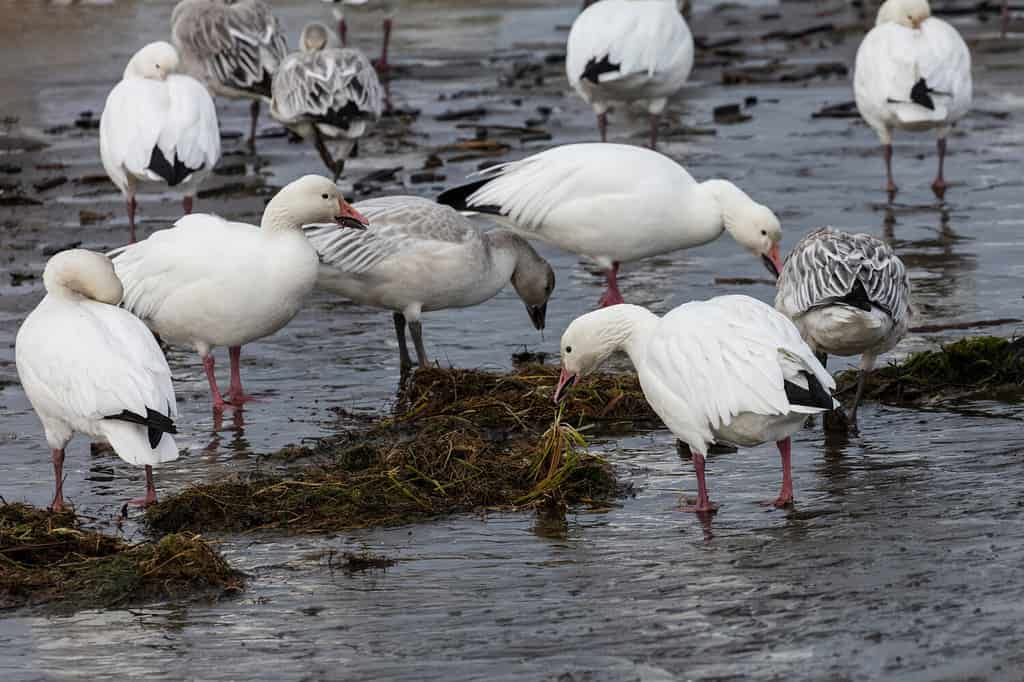
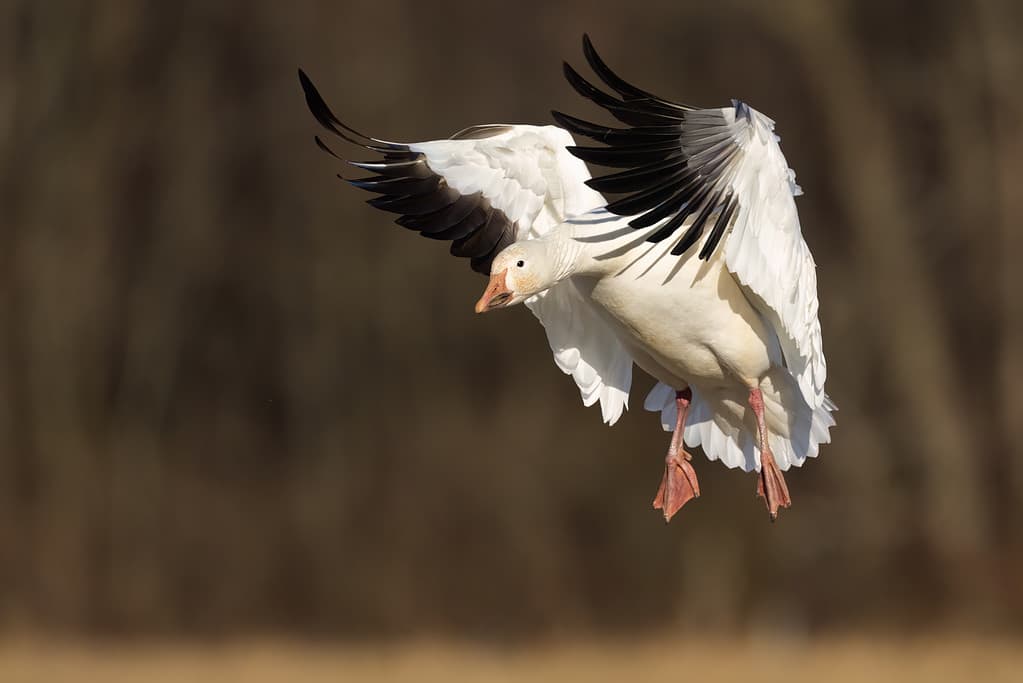
Snow geese return to the north at the end of winter in search of food, breeding grounds, and places to nest.
©Feng Yu/Shutterstock.com
Their final destination is Canada, which becomes much warmer after April compared to the middle of January. On the way north, they make pit stops in grain and wheat fields to find food. Some may stop at thawed lakes, rivers, or ponds in search of hydration and a meal. The timing of their tremendous flight depends heavily on the temperature. If waterways are still frozen and the land is barren following a long winter, waterfowl may delay their takeoff until late March or early April.
What Brings Snow Geese Back to the Polar North?
Despite the eagerness with which snow geese escape winter weather, the Arctic tundra is their true home. These birds return to the Canadian north, where they mate and continue their life cycle. This is where they breed future generations and raise their young as the weather becomes warmer. Here, they have access to an abundance of food and water for the young goslings they raise.
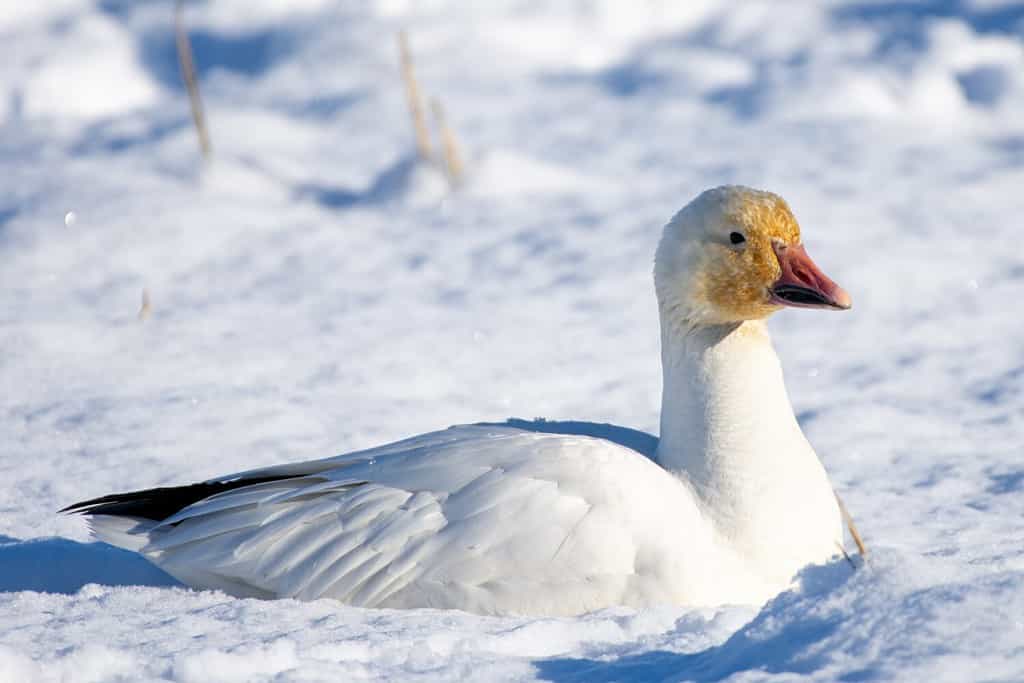
If winter lingers, snow geese may delay their migration.
©kingma photos/Shutterstock.com
As the weather warms, vegetation is easy to find, and more insects emerge from their winter slumber. This is all fodder for the returning snow geese. They pack on calories throughout the summer, then head south in the winter to start the cycle over again. The northern territory is also mostly free of predators, unlike the southern regions, where predators are more likely to prey on their young. With fewer predators and little competition for resources and food in these areas, snow geese have a better chance of survival within Canada’s borders.
Where to Watch the Snow Geese Migration
Observing the annual migration of these birds is a highly coveted event in the birding world. People flock from all over to take part in the start of the season, awaiting the return of snow geese, swans, and other waterfowl. As the birds “follow the green wave” of blooming flowers and green vegetation peaking from underneath the snow, more and more gather along the route northward. This results in a breathtaking event that is recorded and photographed by both professional and amateur birdwatchers.
One of the most popular places to watch the snow goose migration is Middle Creek, Pennsylvania. This offers some of the best views as waterfowl gather on the creek’s thawed shores. Occasionally, birds rest at this location, taking their time to glide on the water or bristle their feathers at the shore. For eager onlookers, this is the best chance to photograph the birds and watch them take a much-needed break on their way to Canada. However, visitors should check for any ongoing closures or access restrictions before planning their trip (especially in winter conditions).
Middle Creek is a well-known congregation site for snow geese during migration.
©Cavan Images/iStock via Getty Images
Birding locations throughout Illinois, Missouri, Indiana, and sometimes Iowa also offer ideal viewing conditions for the annual migration. However, since the birds can fly 1,000 miles without stopping, following their migration in real time requires careful monitoring and frequent updates. The good news is that anyone who lives in a main corridor—the East Coast, Central U.S., or West Coast—is likely to catch a glimpse of geese heading north. Just keep your eyes to the skies in March, listen for the call of hundreds of birds, and look for their iconic V-shaped formation.