
Quick Take
- The shell is made of calcium carbonate and conchiolin; by adulthood, it withstands significant pressure.
- A typical garden snail can hibernate for 4–6 months, while other species can hibernate for 3–6 years.
- Epiphragm seals the shell opening, allowing snails to slow their metabolism and retain moisture during hibernation.
- Stay with us to see why snails cannot leave their shells and how shell damage can be fatal.
Snails are curious creatures. They can be found in abundance in a garden one day, and the next, they are nonexistent. Much of this has to do with the environment around them. When the weather is hotter and drier, fewer, if any, snails are seen. When lawns are watered consistently or the cooler, wetter months approach, the population seemingly explodes. This is not done by chance. Snails are very attuned to the habitats they live in. Consequently, they will only show themselves when conditions are right. The rest of the time, they tuck themselves up in their shell. But just how long can a snail remain in its shell?
Snails have had a shell for over 500 million years. The primary function of these shells for very young snails is to protect the internal organs. While this remains important as snails grow, the shell takes on additional functions as they age. Additionally, snails retreat into their shells for protection.
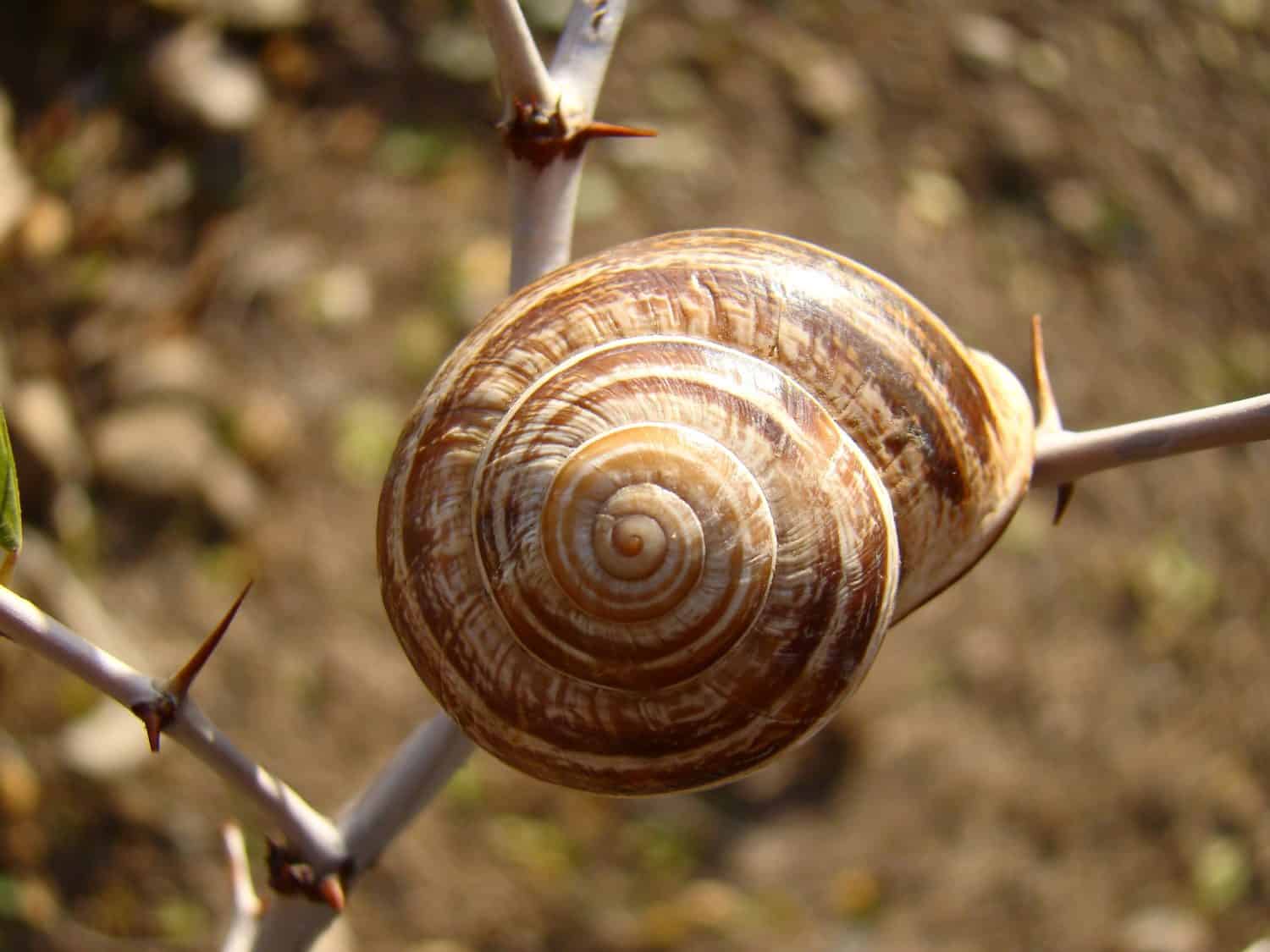
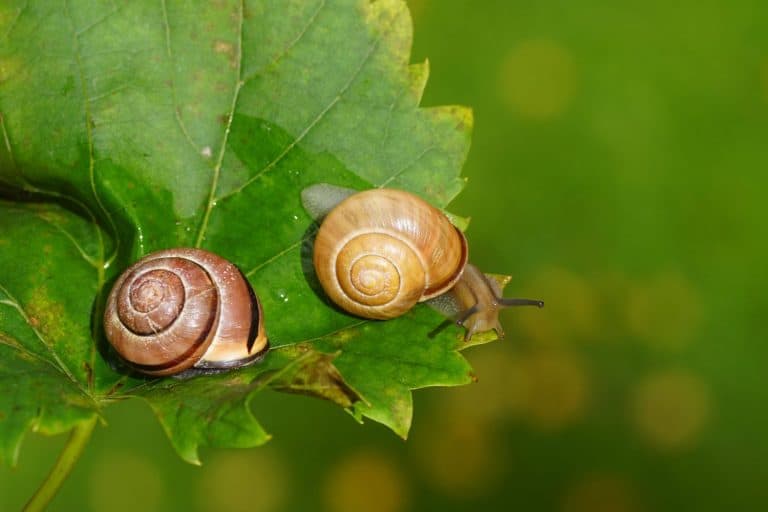
Snails will retreat into their shells when they feel threatened.
©Mohamed El Boushaki/Shutterstock.com
The hard shell that snails wear on their backs is made of calcium carbonate and conchiolin. While younger snail shells are not incredibly strong, by the time common garden snails reach adulthood, it takes some significant pressure to break the shell. Because of this, snails will retreat into their shells when they feel threatened.
Some of the biggest predatory threats to snails include:
- Reptiles
- Birds
- Rodents
- Amphibians
If threatened by any of these animals, a snail will pull its body into its shell. Additionally, some snails possess an operculum. This acts like a door to the shell, ensuring none of these creatures are able to access the snail, allowing it to live another day.
Snails’ shells protect them from predators. But this is not the only reason snails hide in their shells. Snails also find refuge in their shells to survive challenging environmental conditions. Typically, snails are seen when the weather is damp and moisture is on the ground. This type of environment is the most beneficial for snails as it keeps them hydrated. Snails absorb moisture from the ground, surrounding plants, or even the soil via osmosis. When snails are properly hydrated, they can perform necessary body functions, such as digestion and respiration, but they also have the best mobility thanks to mucus secretion.
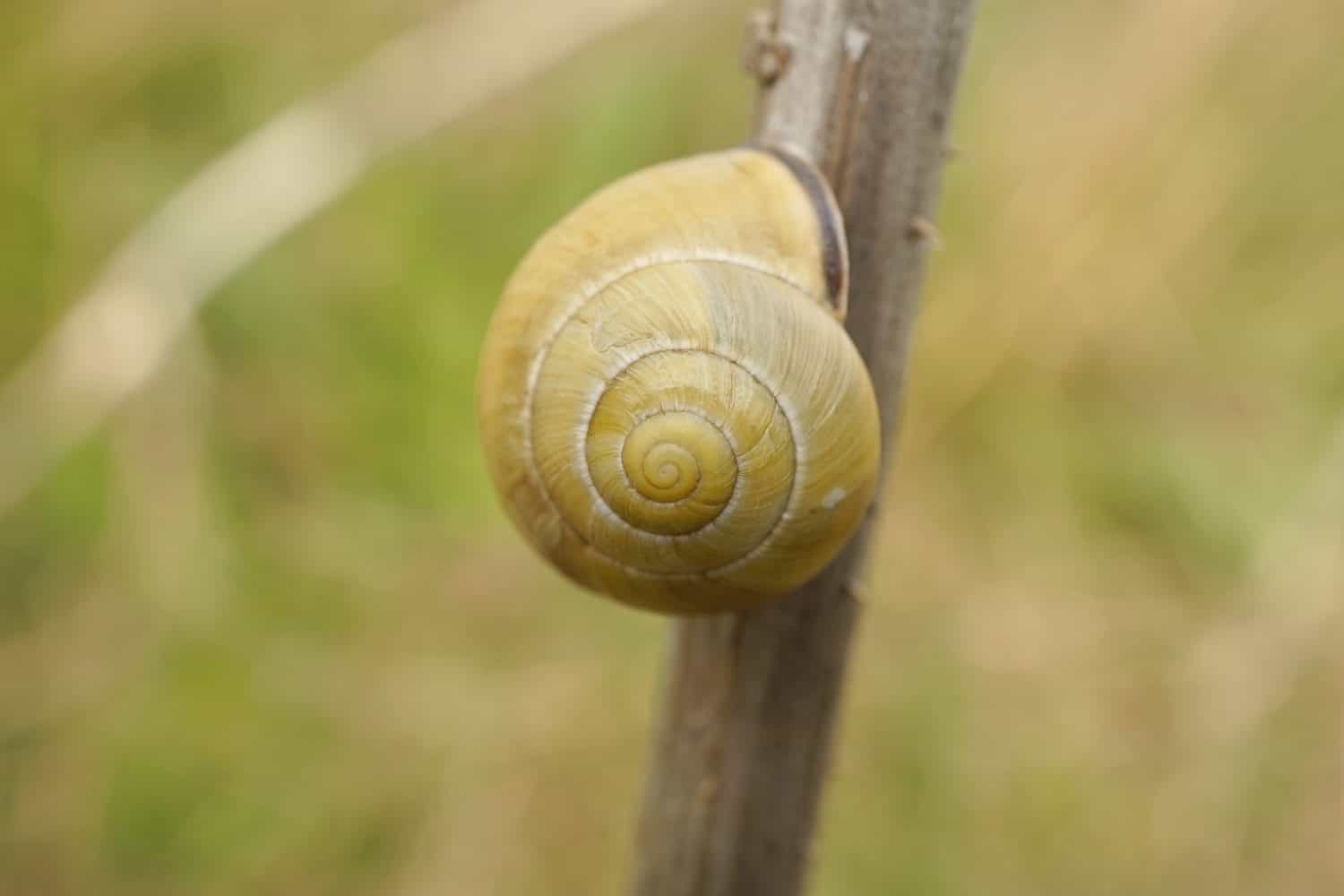
Snails will tuck into their shells when there is not enough moisture and the temperatures are cold.
©Revilo Lessen/Shutterstock.com
Habitats are not always moisture-rich, however. When snails sense that temperatures are rising and their access to water is limited, they will hide in their shells. Doing this allows snails to retain the water they do have in their bodies. The better hydrated snails are, the better they thermoregulate, or keep their bodies at a constant, comfortable temperature.
Interestingly, snails can tuck themselves away in their shells until conditions improve. The length of time each species of snail can successfully hibernate varies, but their ability to remain in their shells for extended periods is impressive nonetheless.
Snails are very observant of changes in their habitat. When water sources begin to dry up and the temperatures are no longer comfortable, snails will retreat to the interior of their shells. This is not just for a short while in some cases. Many snail species can remain in their shells for long periods thanks to their ability to hibernate.
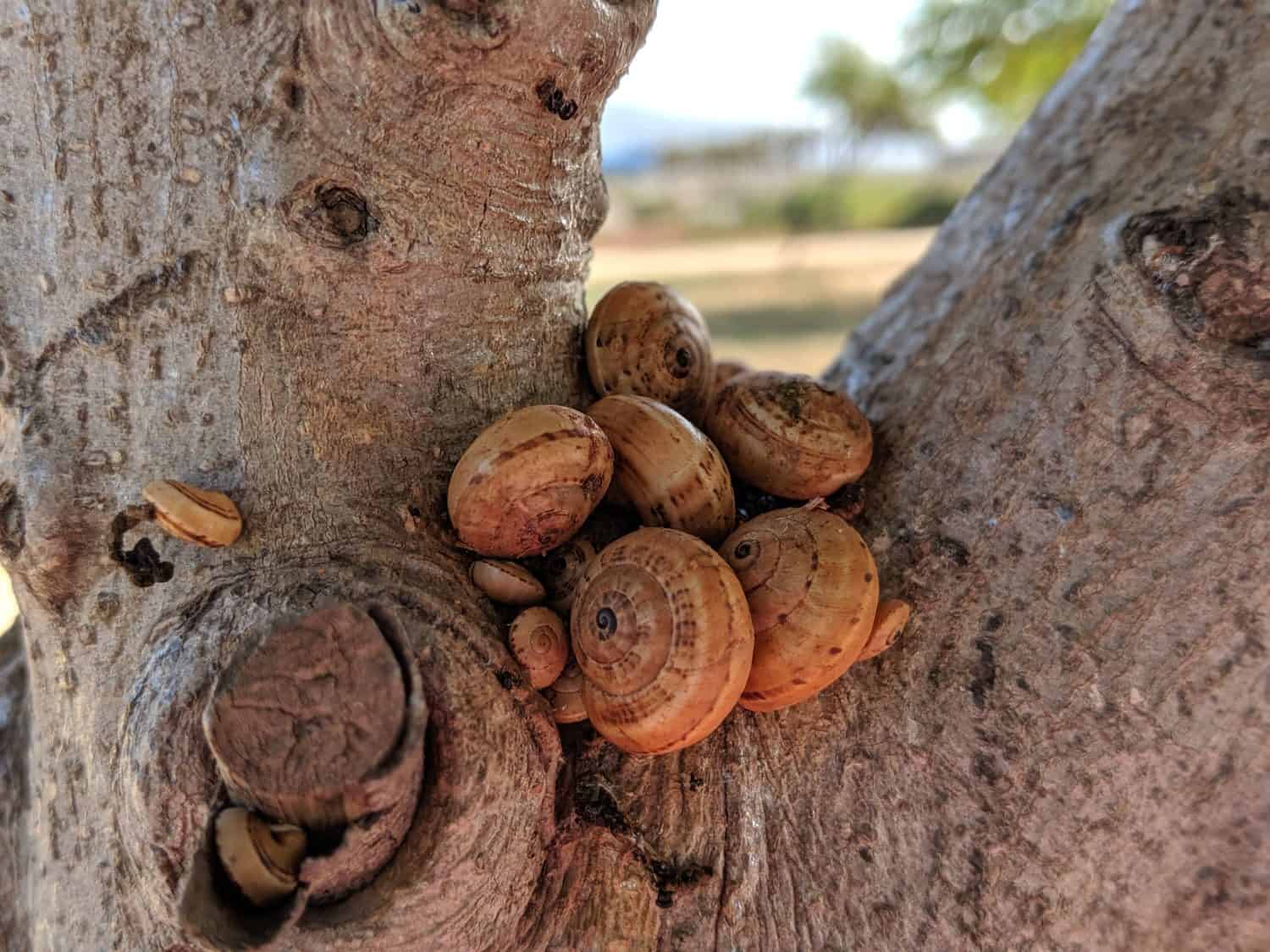
Snails will hibernate when weather conditions are not favorable, lasting between four and six months.
©Beniit/Shutterstock.com
There is a reason snails are not seen in the snow. The climate is unfavorable to their survival, given that snails are cold-blooded creatures. To survive these swings in temperatures, snails will go into a state of hibernation. This differs from when temperatures get too warm, in which case snails will tuck into their shells for a few weeks until conditions change. For the typical garden snail, a 2020 study found that it can hibernate for four to six months at a time. Other snails have successfully hibernated for three to six years. While these are extreme examples, they show that snails are well-equipped to withstand far more than they are given credit for.
Snails will go into hibernation for the following reasons:
- Lack of water
- Cold weather
- No food
- Habitat earth is of poor quality
- Health problems
To go into hibernation mode, snails will tuck into their shells. They will then create a protective layer over the opening of their shell, called the epiphragm. Once the epiphragm is in place, snails will begin to slow their body functions. This includes heart rate, breathing, and body temperature. By doing this, snails do not have to eat during hibernation and can maintain body moisture.
Snails will not break the epiphragm until temperatures rise, moisture returns, and food becomes abundant. When they do, they will need to eat and find sources of water to increase body moisture and allow body systems to perform at peak levels.
Snails can tuck themselves into their shells in short order if they feel threatened. This capability allows them to survive predatory attacks by protecting any exposed body parts within the shell.
The process of a snail pulling itself into the shell includes:
- Threat detected – Be it a predator or a change in environment, snails will sense it is not safe and will start to pull themselves into their shells.
- Muscles engage the body – Muscles found in the foot and in the region of the body attached to the shell will begin to retract the body into the shell.
- Body parts enter the shell – Every bit of the snail is drawn into the shell, leaving nothing exposed.
- Sealing the shell – Some snails have the option to seal the opening of the shell, providing further protection.
It is because of the shell that snails can live for two to 15 years in some cases. However, unlike slugs, which do not need a shell to survive, snails cannot leave their shells. Being separated from their shell is fatal.
Some animals use a shell as a home. As they grow larger and their shells become too small, they search for a new one. When a suitable shell is found, the older, smaller one is left behind for another animal to use. Snails are not creatures that hunt for new shells. Their shells are attached to their bodies via the columellar muscle on the upper portion of a snail’s body. As the snail grows, the shell does as well to accommodate the snail when it needs to retreat inside.
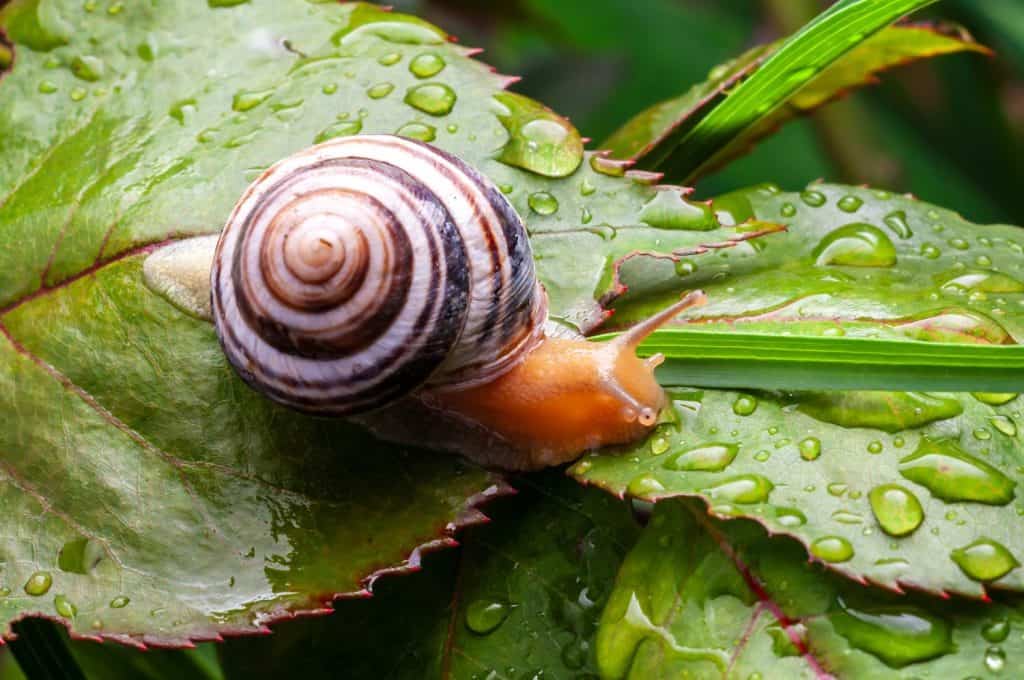
Snails cannot leave their shells. If they do, they will die.
©Andrey Abryutin/Shutterstock.com
If a snail were to be removed from its shell, it would die. The attachment to the shell protects all vital organs and aids in respiration. This is why if a snail’s shell is damaged, it is usually fatal. In some cases, where the damage is minor, snails will secrete material to rebuild their shells. To do this, snails will need a calcium-rich diet and time to repair their shells fully.
Snails may be seen as fragile creatures. However, given how long they have existed, they are not quite as delicate as they appear. Thanks to millions of years of minimal evolution, snails of all varieties have found ways to protect themselves from both the environment and predators. For most, this means retreating into their shells long enough for danger to pass, which could range from hours to years. Therefore, the next time a snail is seen in the same location for an extended period, it is best to let it be. It could simply be hibernating and waiting for the environment to become more habitable, allowing the snail to thrive once again.