
Quick Take
- Two seasoned backcountry experts followed every rule in the book, yet a grizzly attacked them anyway. Read the 2023 incident →
- The real reason behind Banff's most recent fatal grizzly attack had nothing to do with the hikers. It had everything to do with something happening to the bear itself. Discover what drove the bear →
- Millions of people visit Banff every year, and almost none of them ever see a grizzly. So why does the fear of attack feel so unavoidable? Explore the real risk numbers →
In 2010, the Government of Alberta estimated it had a population of 700 grizzly bears. By 2023, that number had risen to nearly 1,000. Many of these grizzlies reside in national parks, with 65 living in Banff National Park and 109 in nearby Jasper.
By comparison, the Greater Yellowstone Ecosystem is home to an estimated 1,000 grizzly bears as of 2024. Despite Yellowstone having a higher bear density, many hikers worry about bear attacks when visiting Banff’s glacial landscape. Is this fear misplaced, or does Banff actually have a higher potential for human-bear encounters? Wildlife safety is crucial, but bear sightings aren’t as frequent as you might think.
Continue reading
Yellowstone Has Seen More Fatal Bear Attacks Than Banff
Bear attacks are extremely rare in both national parks, but exceptionally so in Banff. In North America as a whole, there are roughly 11-12 bear attacks annually. In Canada, specifically, 17 bear attacks have been recorded since 1990. Of those, eight attacks occurred in Alberta, and nine resulted in fatalities. Over the 36-year span, this averages to fewer than one attack per year in Banff National Park.
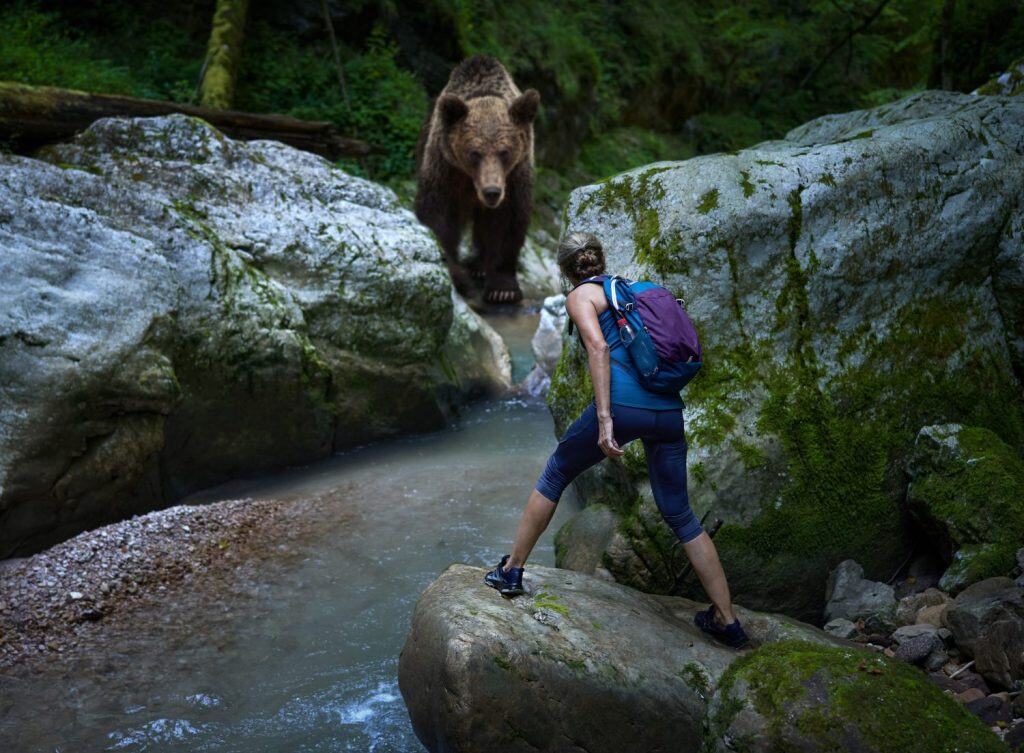
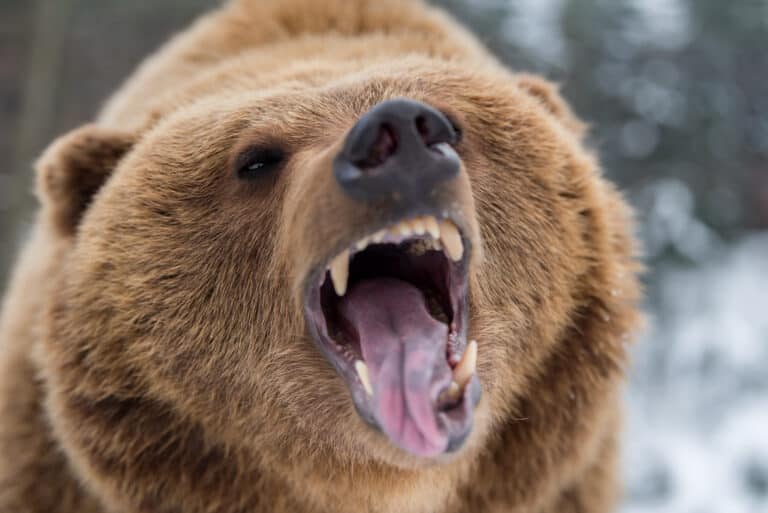
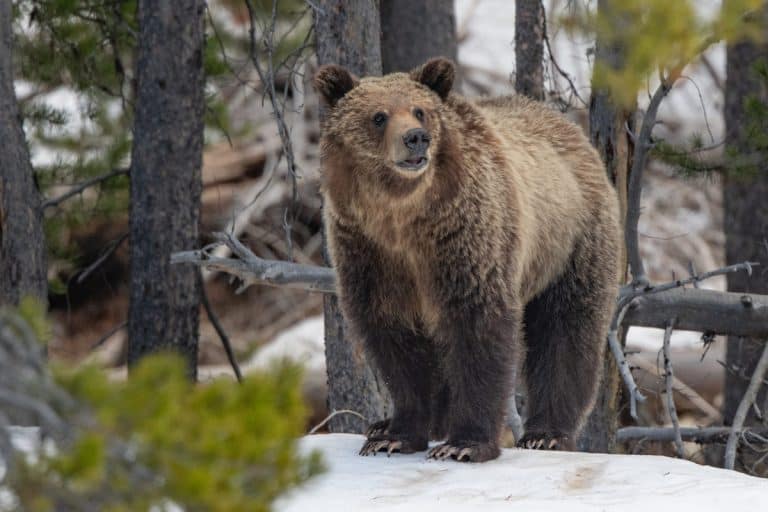
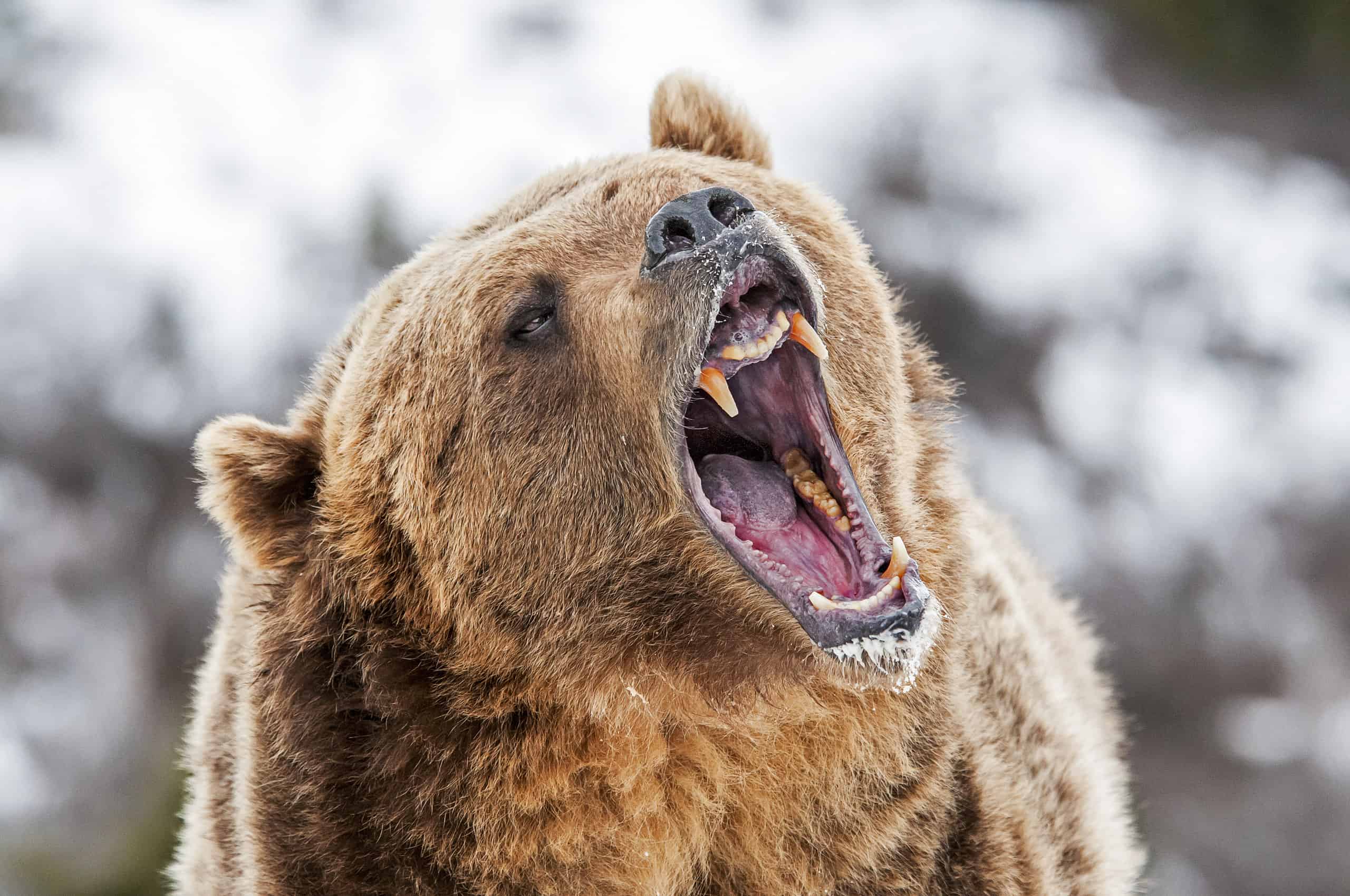
If you run into a grizzly on a trail, stay calm, back away slowly, and do not run.
©Slatan/Shutterstock.com
Even so, bear attacks have become more frequent in Alberta over the last decade. From 2020 to 2023, there were six documented attacks. From 2010 to 2019, there were nine bear attacks. The crucial difference is that this applies to all of Alberta, not specifically to Banff National Park. However, these stats could fuel a hiker’s fears as they head into the region’s wilderness.
Of the six recorded attacks in the province, only three occurred in Banff National Park. Of those three, only one was fatal. And as jarring as this is, it still does not mean that Banff sees more grizzly attacks–or fatalities–than any other park. This is evident from the details of the attack itself and the circumstances that led up to the grizzly attacking a group of hikers.
Banff’s Most Recent Fatal Grizzly Attack
In September 2023, Parks Canada dispatchers received an SOS from a Garmin GPS device. The message read, “bear attack bad,” but contained no further details. The signal came from deep in the backwoods of Banff National Park, which was inaccessible by road. First responders began the trek on foot as a storm moved into the area. By the time they reached the campsite at 1 AM, no one knew what to expect, how badly the victims were hurt, or what the site looked like.
It was soon determined that Doug Inglis, 62, and Jenny Gusse, 62, had sent the SOS. They were also the victims of the bear attack, along with their seven-year-old border collie. The two were well-versed in the backcountry, particularly that of Banff. They were also no strangers to surviving in remote wilderness areas, which made this attack even more of a mystery.
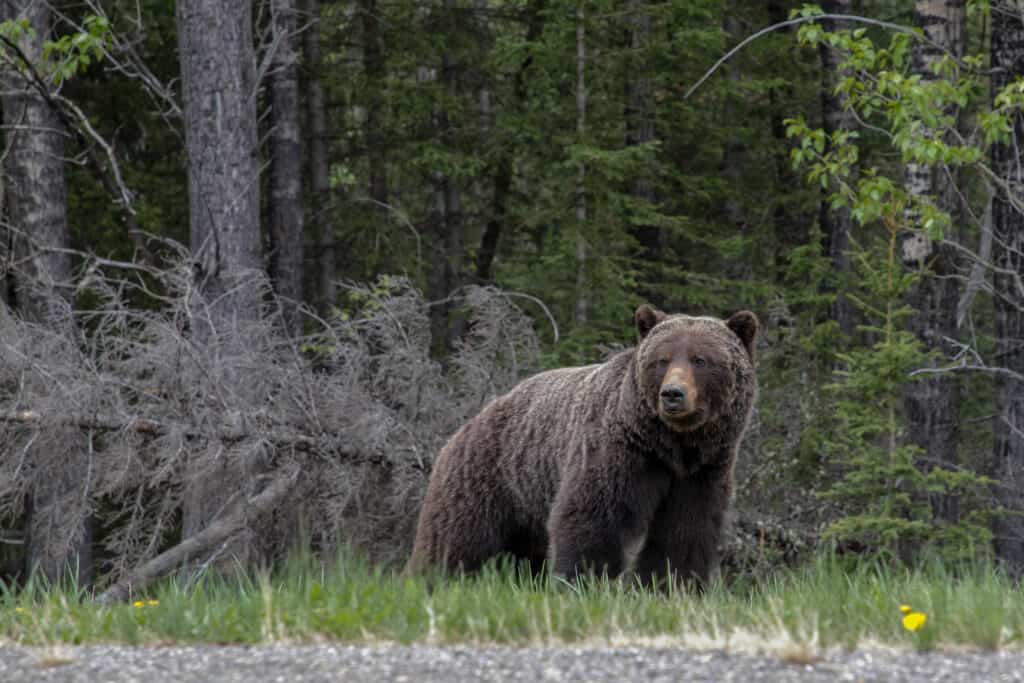
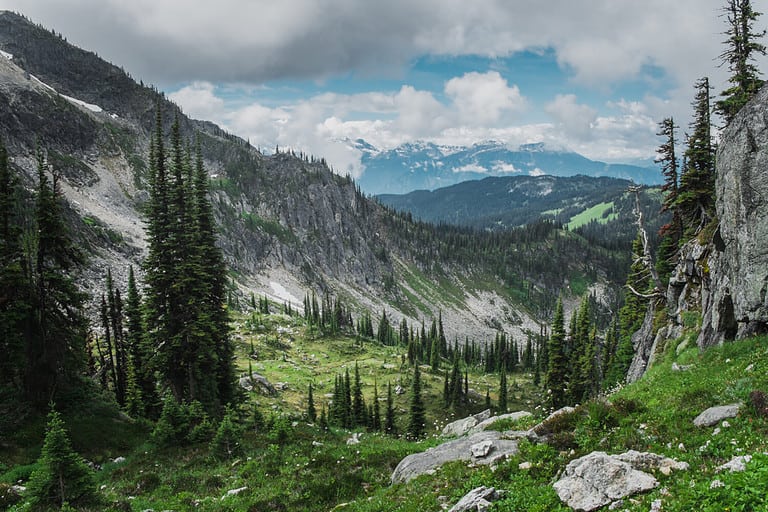
Banff is home to roughly 64 grizzlies, many of which are tagged and known by Parks Canada.
©iStock.com/Matthew James Ferguson
The GPS brought first responders to an extremely remote location in the Red Deer River Valley, just west of Ya Ha Tinda Ranch. The couple hadn’t reached their intended campsite but had set up camp in a permitted location. Clues from the scene told responders that the couple had made dinner and were reading in their tents when the grizzly attacked.
A discharged bear spray canister, signs of a struggle, and a crushed tent indicated the grizzly was extremely aggressive. When Parks Canada later found the bear responsible, it also charged at them. In this case, the Inglises did everything right. So, why did a grizzly attack them in the first place?
A Starving Bear, Timing, and An Opportunity
The Inglises’ tragic story is not a cautionary tale about negligence; the experienced backcountry hikers did everything correctly, including hanging their food in bear-safe bags. According to Parks Canada, it was a tragic case of being in the wrong place at the wrong time. Compounding this was the bear’s physical health, which park rangers determined was in decline.
When they found the bear, it was underweight and had bad teeth. The grizzly was also estimated to be at least 25 years old. For an aging bear, these two things undoubtedly affected its ability to hunt and eat. This resulted in below-average weight heading into a season when torpor, or hibernation, means packing on fat for the winter. Being in the wrong place at the wrong time of year, combined with encountering a starving bear, contributed to this rare tragedy.
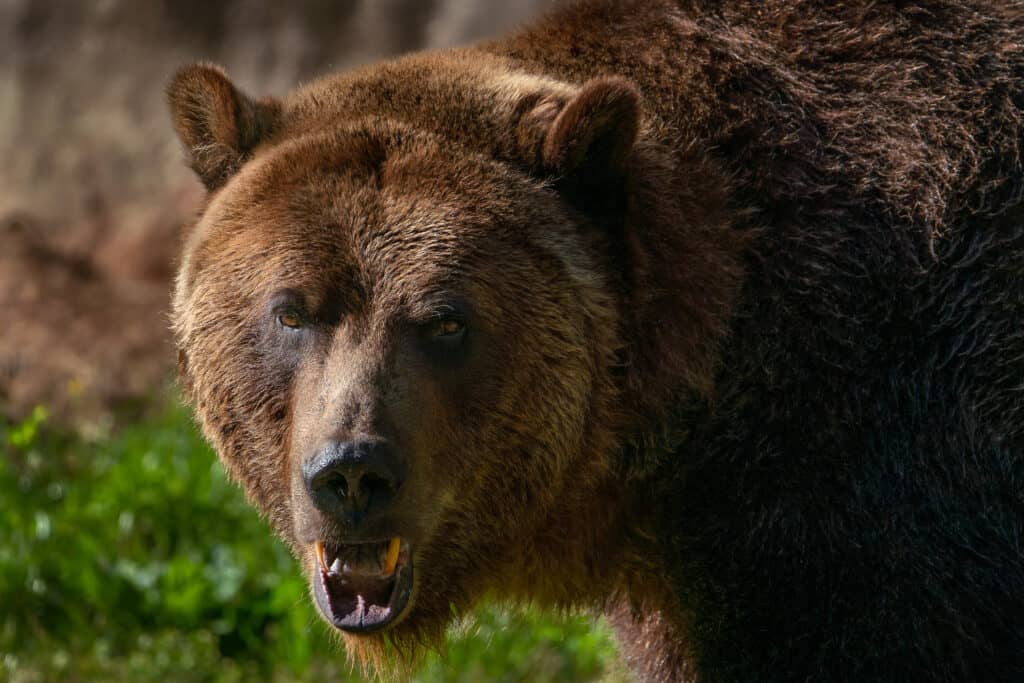
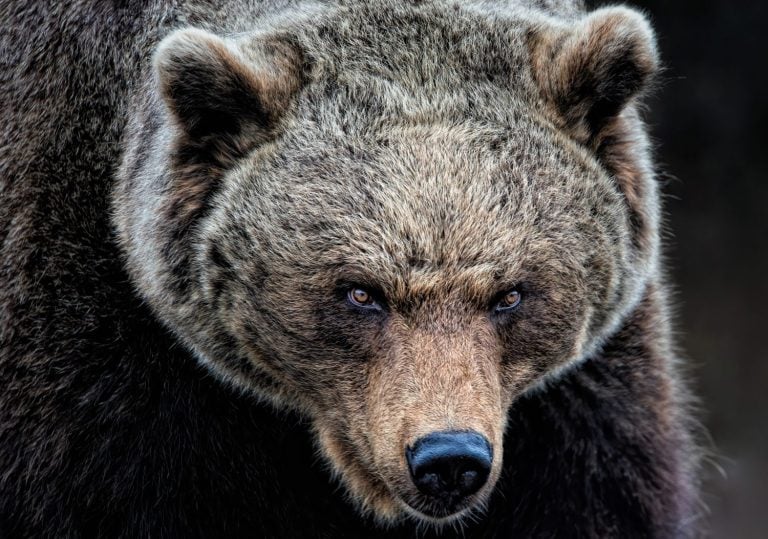
An unhealthy or aging grizzly may become aggressive out of desperation.
©MattCuda/Shutterstock.com
In a desperate act of hunger, this grizzly became increasingly aggressive. But this case speaks to the rarity of such an event. Banff is an ideal landscape for a grizzly with plenty of food, shelter, and space to roam. Most visiting hikers to the park never see the backcountry, let alone go near it. The park sees roughly 4.28 million visitors, and very few—if any—report grizzly encounters.
In Banff’s backcountry, the risk of encountering a bear is no higher than in any other national park where grizzlies live. Hikers are always advised to carry bear spray and practice bear safety. Stay alert and maintain a distance of 50 yards while in bear country; it can make all the difference.