
Quick Take
- Fawns are usually nearby mothers, who protect them.
- Interfering risks the mother abandoning the fawn or triggering an attack.
- If a fawn is on a road, call local wildlife authorities. Otherwise, leave it alone.
When I was younger, my brother and I went for a hike through the back woods in our neighborhood. At the time, we were just teenagers building forts and hopping over streams. You know, typical kid stuff.
However, as we walked through a particularly secluded area, we spotted a baby deer lying completely alone. It looked vulnerable resting on a patch of grass under a tree. Immediately, we assumed something must be wrong. Perhaps the fawn was sick, abandoned, and in need of help. After all, its mother was nowhere to be seen—at least, not from where we stood.
So, as any ignorant yet pure-hearted child would do, we stayed with the fawn for what seemed like hours, ensuring it wasn’t attacked by another animal or seriously injured. I even ran home and grabbed a blanket, as it was shivering. We wanted to make the animal as comfortable as possible.
As time passed and the evening began to set in, we knew we had to either leave the poor deer or take it home for further support. Desperate to do the right thing, we called our parents and explained the situation. They immediately told us to leave the fawn alone and come home.
Dangers of Helping a ‘Lost’ Fawn
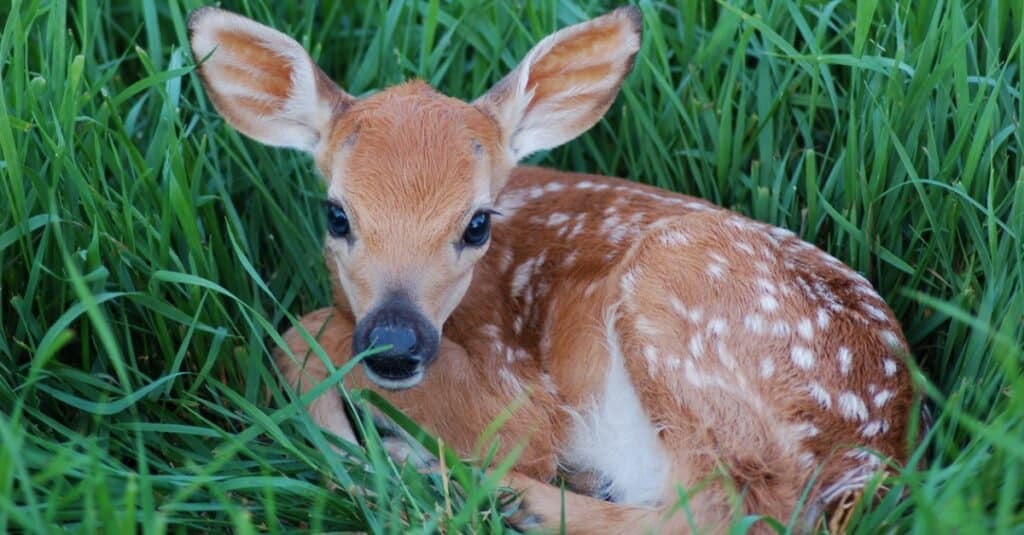
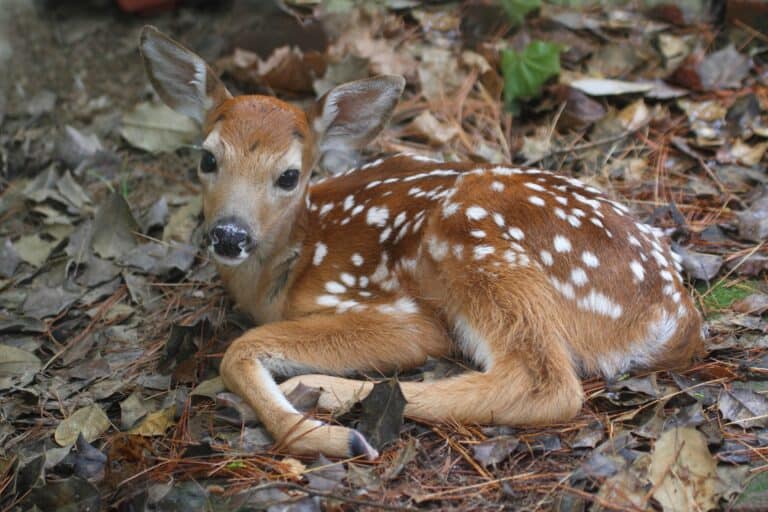
Similar to the fawn in this photo, the baby deer my brother and I spotted appeared scared and helpless.
©iStock.com/nearandfar
My brother and I had assumed we were doing a good deed. However, as we looked up and saw the baby deer’s mom lurking nearby, seemingly ready to attack, we knew we’d messed up—and we worried what might happen if we lingered any longer.
Once we got home—thankfully in one piece—our parents explained the risks of helping a baby deer. While we’d assumed the fawn had been abandoned and essentially left for dead, it actually was perfectly safe. In fact, our presence and attempts to help posed the greatest risk to the animal. We also put ourselves in danger by interfering with a protective doe and her fawn.
Why You Should Never ‘Help’ a Lost Fawn
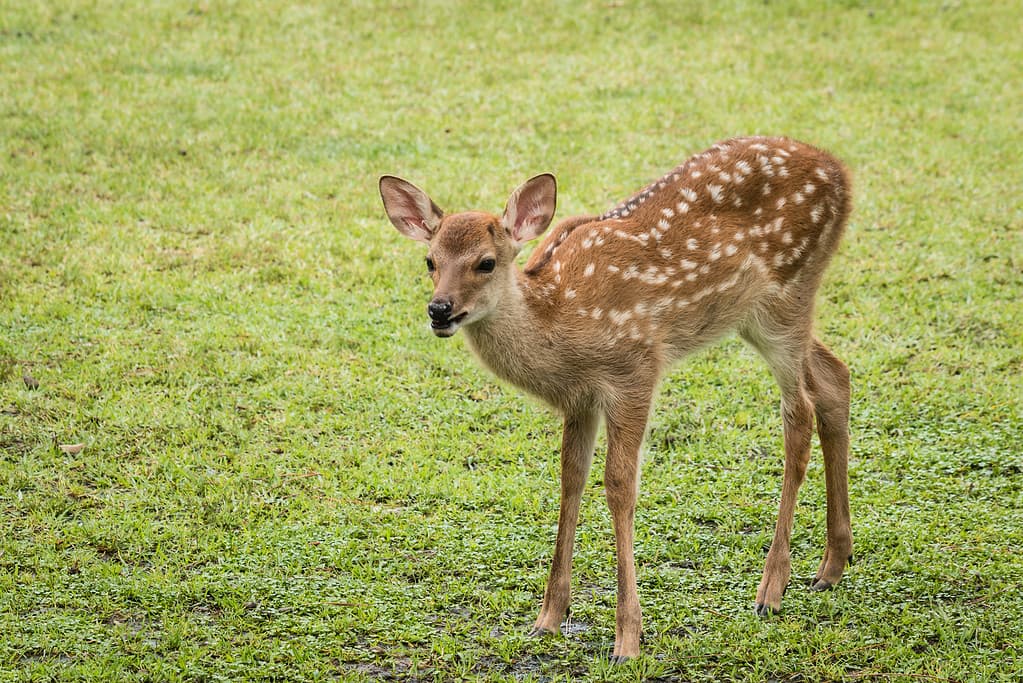
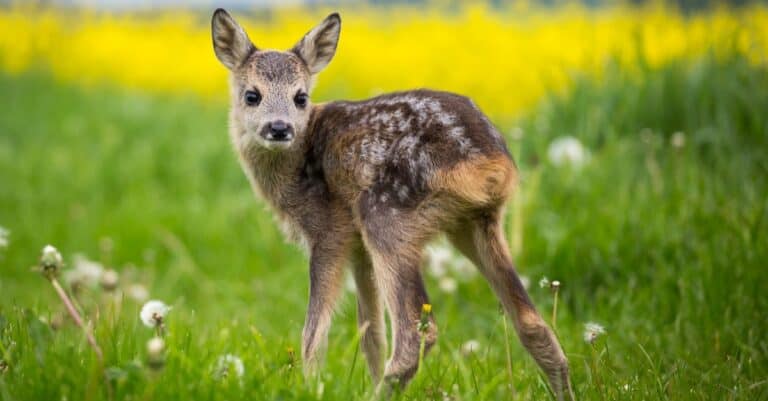
Fawns might seem defenseless, but their mothers are usually nearby and ready to protect them.
©PatrikStedrak/iStock via Getty Images
Contrary to what you might believe, baby deer are rarely ever abandoned. If you spot one alone, most of the time, it’s because the mother is out foraging for food. Of course, the mother deer will choose a secluded spot—like the middle of the woods, as in our experience above—to keep the baby safe.
That being said, attempting to “help” a baby deer can actually cause more harm than good.
Recently, I spoke with Marcus E. Blum, Ph.D., Assistant Professor and Extension Wildlife Specialist for the Department of Rangeland, Wildlife, and Fisheries Management at Texas A&M University, about this common occurrence. He explained two reasons not to “rescue” a “lost” fawn.
The Mother Might Never Return
“The primary risk is the mother abandoning the fawn or the fawn being unable to reconnect with its mother due to the removal from the area,” says Blum. “In each of these instances, the fawn will not survive. Female deer often leave their offspring hidden in cover for hours at a time, while they go off and feed. We don’t want to disrupt this process.”
When a fawn is that young, it still relies on its mother for milk, food, and security. If a deer were to abandon its baby after human involvement, it could be deadly to the fawn. Unfortunately, helping the baby deer might prevent the mother from returning, causing the exact issue you were originally trying to solve.
“This is certainly a possibility and is the primary reason we ask the public to leave baby animals alone,” says Blum. “Just because the mother isn’t in sight doesn’t mean that the baby is in trouble.”
Female deer often leave their offspring hidden in cover for hours at a time, while they go off and feed. We don’t want to disrupt this process.
Marcus E. Blum, Assistant Professor and Extension Wildlife Specialist at Texas A&M University
The Doe Might Attack
Of course, there’s also the risk of the mother attacking you. Maternal instincts are strong in animals like deer, and their protectiveness can make them aggressive.
“Every mother has different instincts, and you don’t want to mess with the baby of that doe that is set on protecting her offspring,” Blum explains. “Species like moose, bison, and elk are far more protective than white-tailed deer or mule deer mothers.”
What to Do If You Spot a Fawn Alone
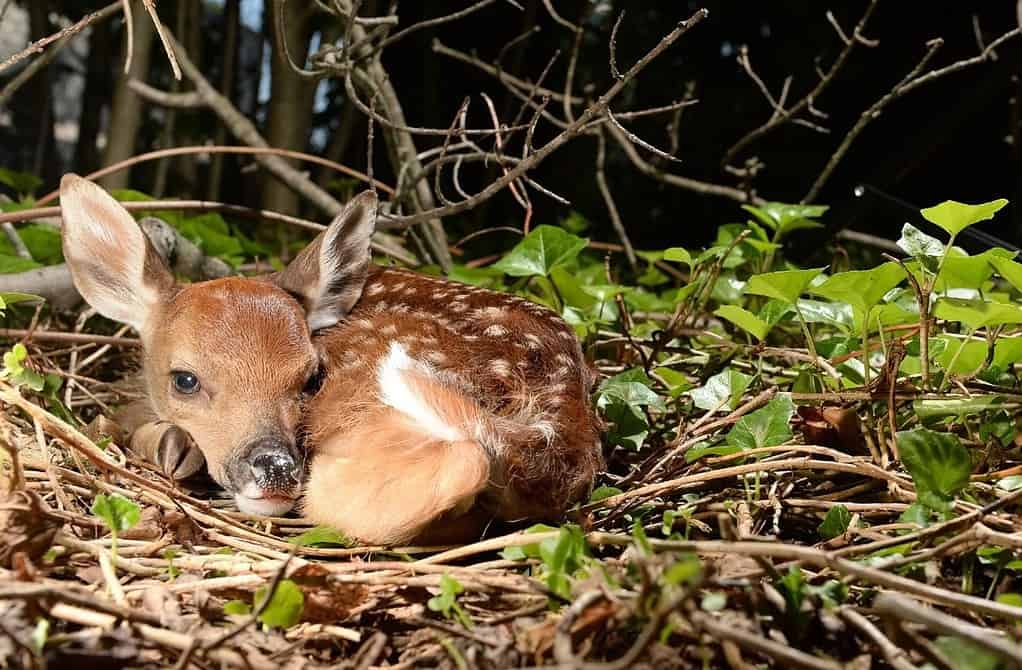
If you spot a baby deer, the most helpful thing you can do is leave it alone.
©L.E.MORMILE/Shutterstock.com
While spotting a baby deer all by itself might be alarming, they’re typically safe, with the doe somewhere nearby on the lookout.
“Your best move is to leave the deer where it lies,” says Blum. “It is highly likely that the mother will return within a few hours and nurse the fawn.”
Of course, there are exceptions to every rule.
“If you were to find a fawn on the side of the road in proximity to a recently hit doe, I would recommend calling your local game warden or wildlife biologist,” Blum continues. “Most states have directories for these individuals.”
Moral of the story? Do not take matters into your own hands. Even the most well-intentioned actions—like those of my brother and me—can be harmful to the fawn.