
Quick Take
- One of the world's largest marine protected areas suffered a devastating blow.
- A UNESCO designation can stop bulldozers and tourists, but there is one force it has almost no power against. Discover the unstoppable threat →
- Protecting a UNESCO site doesn't always require a government budget or a conservation degree. Even so, most people overlook the most effective thing they can actually do. Find out what works →
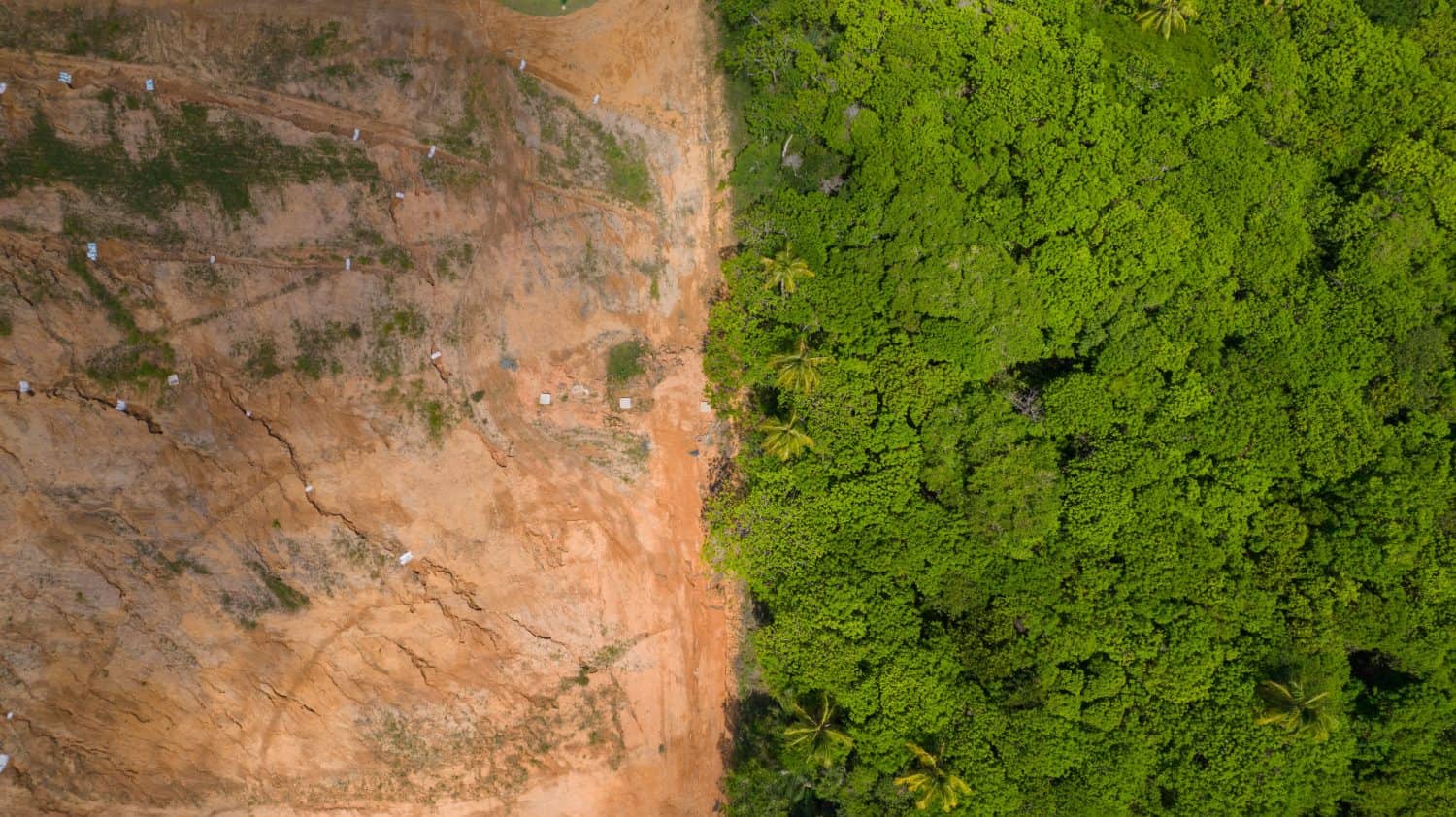
More than 489 million hectares of forest land have been lost since 1990 due to deforestation. Human activities have significantly altered about 75% of land and 66% of marine environments, with climate change contributing to ongoing degradation. We lose approximately 27,000 acres of forested land daily, each one a home to thousands of species. If land loss continues on this path, scientists predict that we’ll lose at least 23% of Earth’s natural habitats by 2100. And that timeline is far shorter than you think.
UNESCO-protected sites are no longer just preventative measures; they are now crucial. These sites serve as sentinel guardians for species that would otherwise be at risk. Their historic and protected status is often the only barrier against deforestation, climate change, and development. In today’s world, they are the only lifeline for some wildlife. For the people who live within or near these sites, they are a haven from the horrors of habitat loss.
While the World Suffers, UNESCO Survives
An article published by UNESCO brings good news amid so much bad news. Amid many changing landscapes, studies show that wildlife—and human life—at UNESCO sites are thriving. This includes just over 2,000 World Heritage sites, Biosphere Reserves, and Global Geoparks. These sites protect more than 13 million square kilometers (over 3.2 billion acres) and are home to roughly 10% of the global population, approximately 900 million people. For both the people and the wildlife who share this land, it is much more than just a protected tourist site.
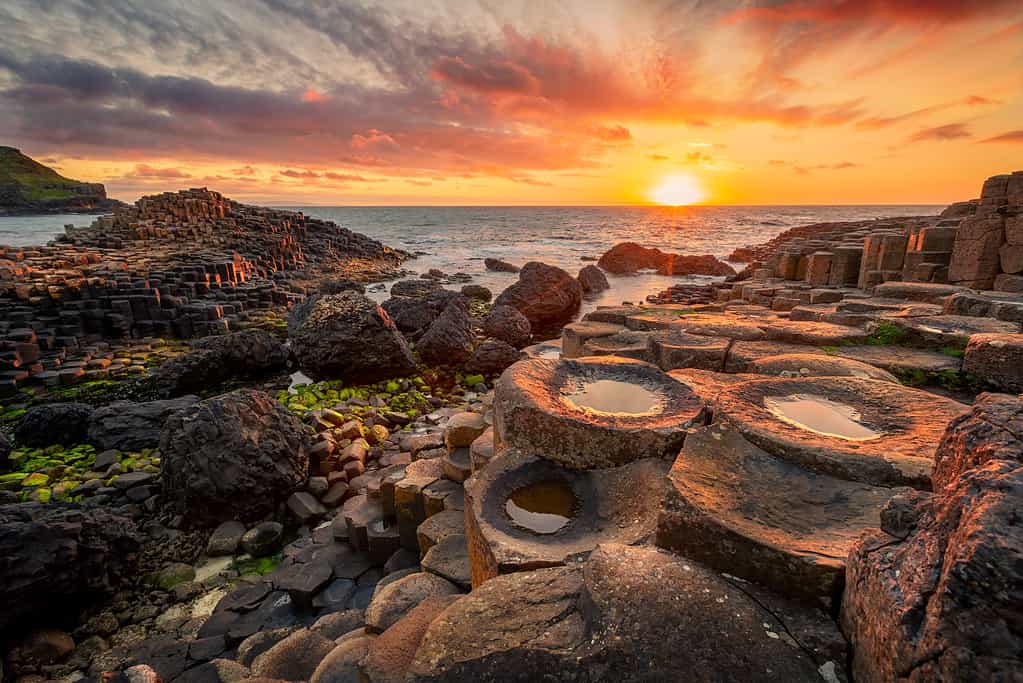
The basalt columns at Giant’s Causeway are a well-known UNESCO World Heritage Site, protected for their historic significance.
©zhuzhu/iStock via Getty Images
One of the co-authors of the UNESCO article, Tales Carvalho Resende, called these sites incredibly resilient. This is proof that land can be protected with enough time, attention, and effort. The laws that protect these locations may have altered their historical trajectory for the better. The Phoenix Islands Protected Area, located in the Pacific, is one of the largest marine UNESCO sites in the world. It’s home to many essential marine ecosystems, including coral reefs and a unique underwater mountain range. This site has also faced bleaching events, but some areas have shown signs of recovery.
This is only one of many success stories from UNESCO. Sadly, not all stories have happy endings. While many UNESCO-protected sites are thriving, some face threats from climate change and human activity that go beyond overtourism.
But Climate Change and Human Recklessness Add Pressure
The warnings about climate change have echoed throughout the world for decades. Yet not enough has been done to stop it, let alone slow it down. UNESCO-protected sites may limit foot traffic and pollution, but they can’t stop rising temperatures. As biomes continue to warm, protected ecosystems are not shielded by a title. The Great Barrier Reef is perhaps the greatest example of how quickly climate change devastates our landscapes. More than half of the reef has been lost due to coral bleaching and extreme weather. Intense heatwaves have killed many polyps that populate the reef, while extreme weather causes unpredictable storm damage.
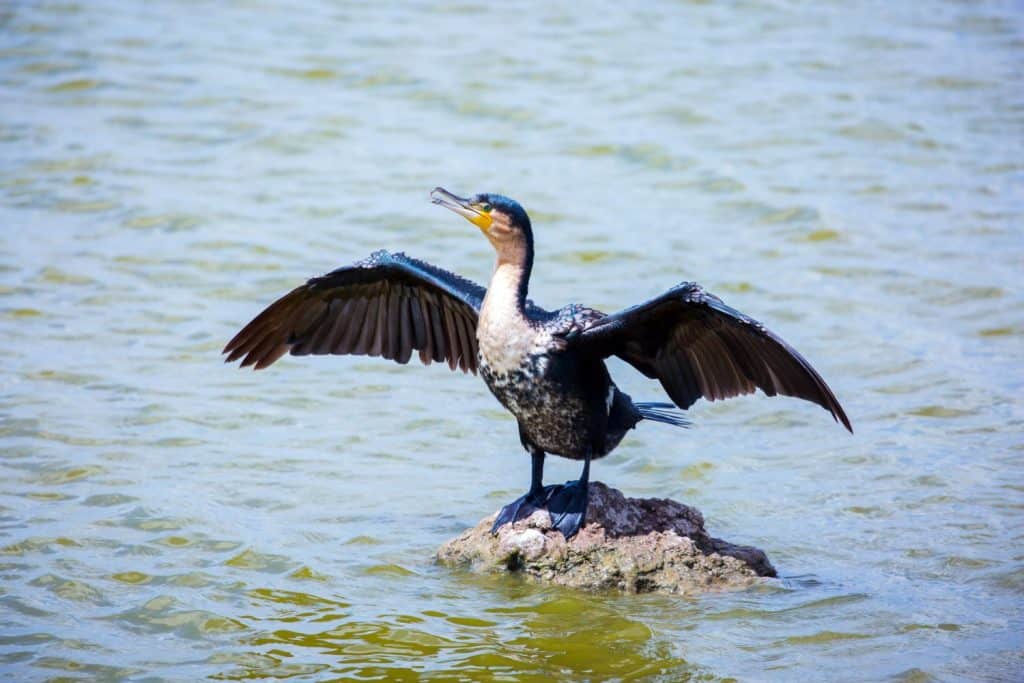
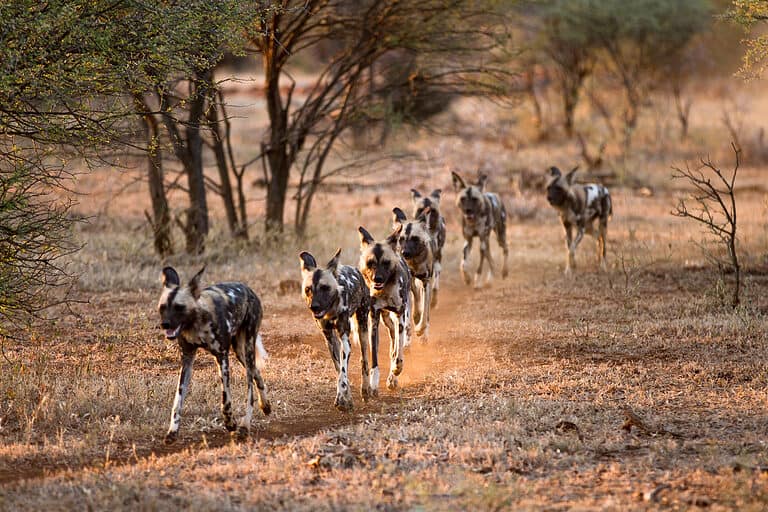
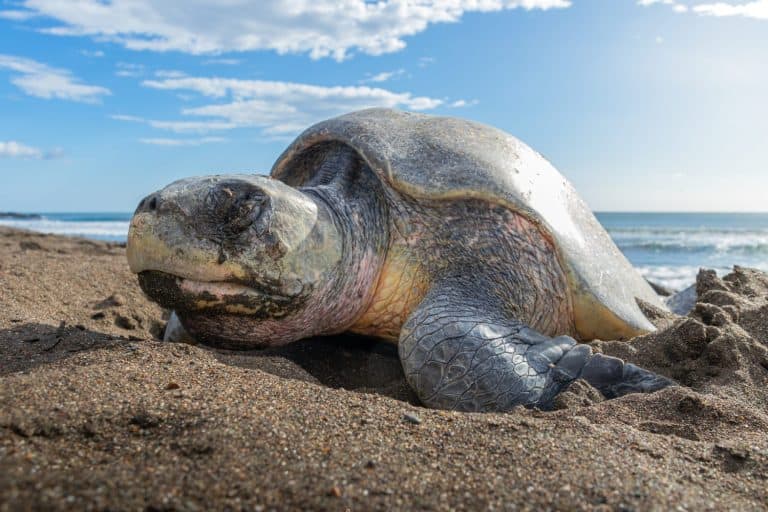
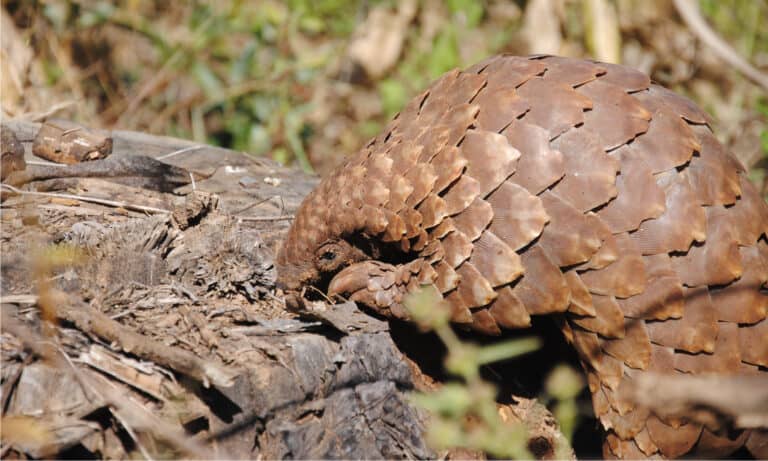
Wildlife faces just as many threats as the environment within UNESCO’s most vulnerable sites.
©kavram/Shutterstock.com
However, climate change isn’t the only factor behind UNESCO’s most threatened sites. Human activity is, at times, even more responsible for the destruction of these ecosystems. The casualties of war do not end at human life, and wars in Ukraine, Syria, and Yemen have caused damage to UNESCO cultural sites.
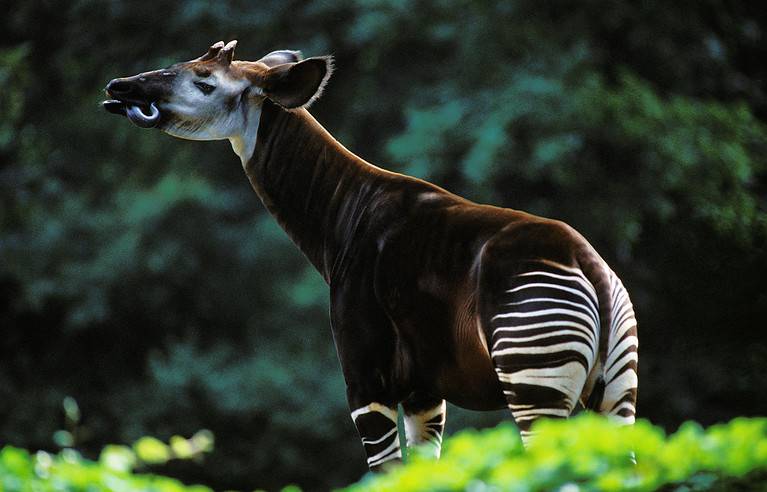
Agriculture, logging, and poaching are also responsible. In the Democratic Republic of the Congo, illegal activities such as mining and poaching threaten Virunga National Park and Okapi Wildlife Reserve. Deforestation also threatens many habitats, driving out native wildlife and destroying their homes and breeding grounds. In Sumatra, logging is the biggest issue. Deforestation continues to threaten the protected lands of Tropical Rainforest Heritage, which is home to Indonesia’s most vulnerable species. Even historic cities, such as Vienna, are not safe from human activity. Urban development continues to expand, encroaching on protected land.
How You Can Help Protect UNESCO Sites
UNESCO has several measures in place as the first defense for its protected sites. These include the Urban Heritage Climate Observatory, which monitors natural threats via satellite. By doing this, it can swiftly react to floods, wildfires, storms, and other natural disasters. The Rapid Response Facility provides swift funding when needed, working in tandem with the Hague Convention during periods of instability and unrest.
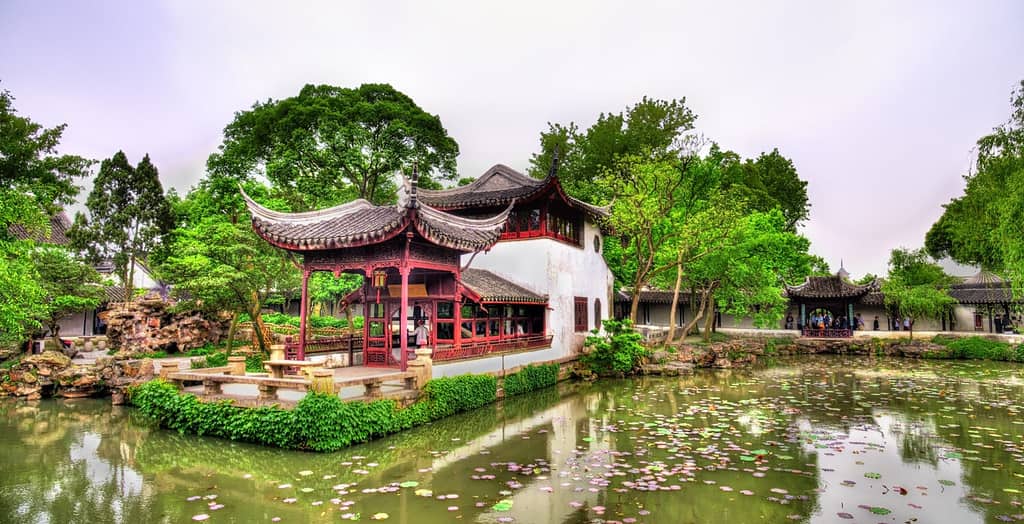
Sustainable tourism can significantly affect how long a UNESCO site endures.
©Leonid Andronov/Shutterstock.com
At home, you can also play a role in the future of UNESCO sites. Word of mouth is a strong tool for environmental activism. Sharing news of at-risk sites and helping to educate others is valuable and costs nothing. Eco-friendly and sustainable tourism are also excellent ways to ensure the future of UNESCO sites. Even small actions, such as avoiding vulnerable sites or reducing your carbon footprint when visiting, can make a difference.