
Oysters are natural engineers, working hard to save our seas, whether we realize it or not. In fact, despite being often overlooked and known mainly for their pearly appearance, oysters support life throughout the oceanic food web. Their presence is vital to protecting our waters and feeding many valuable species around the world. But just how big of an impact do oysters have on biodiversity?
Today, we take a clear look at how oysters boost ocean biodiversity, along with the people invested in the overall health and population of this unique mollusk. Let’s dive into the details of oyster reefs, the secret structures behind the biodiversity of our seas.
What Is An Oyster Reef?
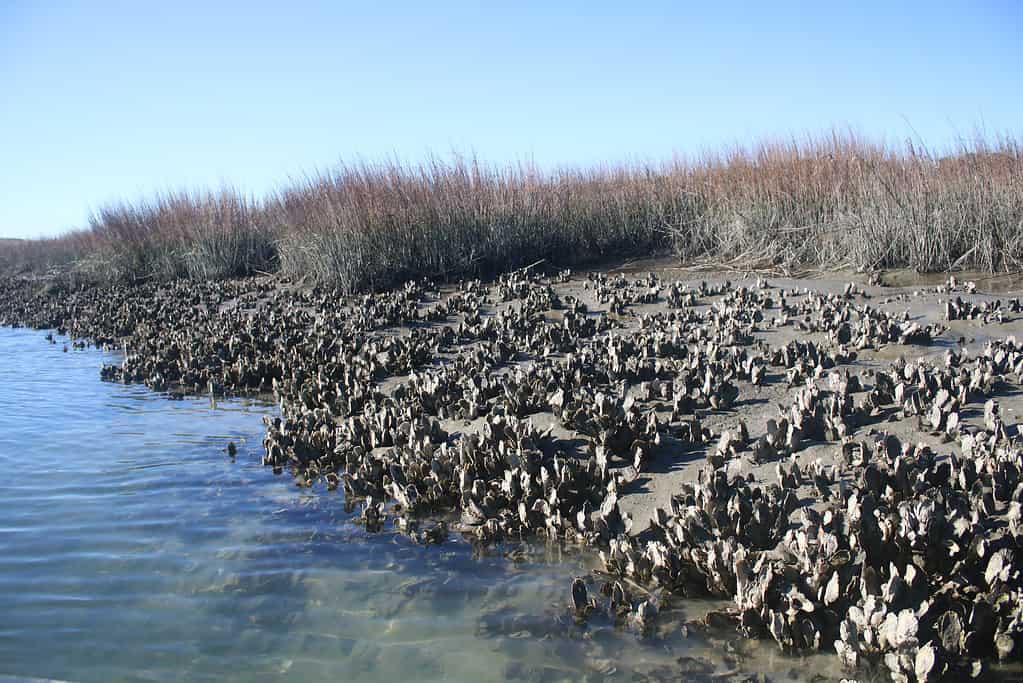
An oyster reef is a sort of biological neighborhood.
©Amanda Cooke/iStock via Getty Images
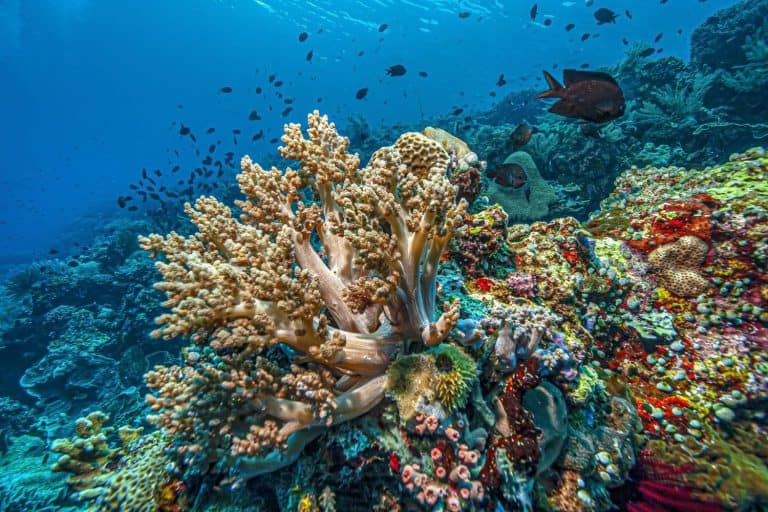
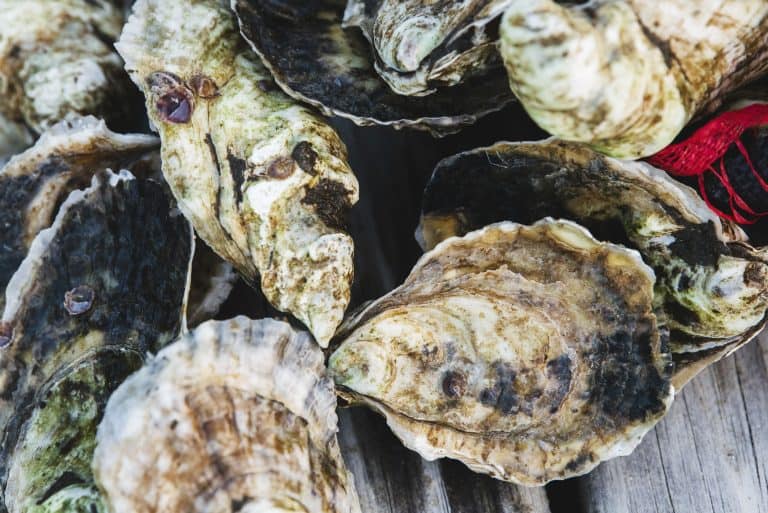
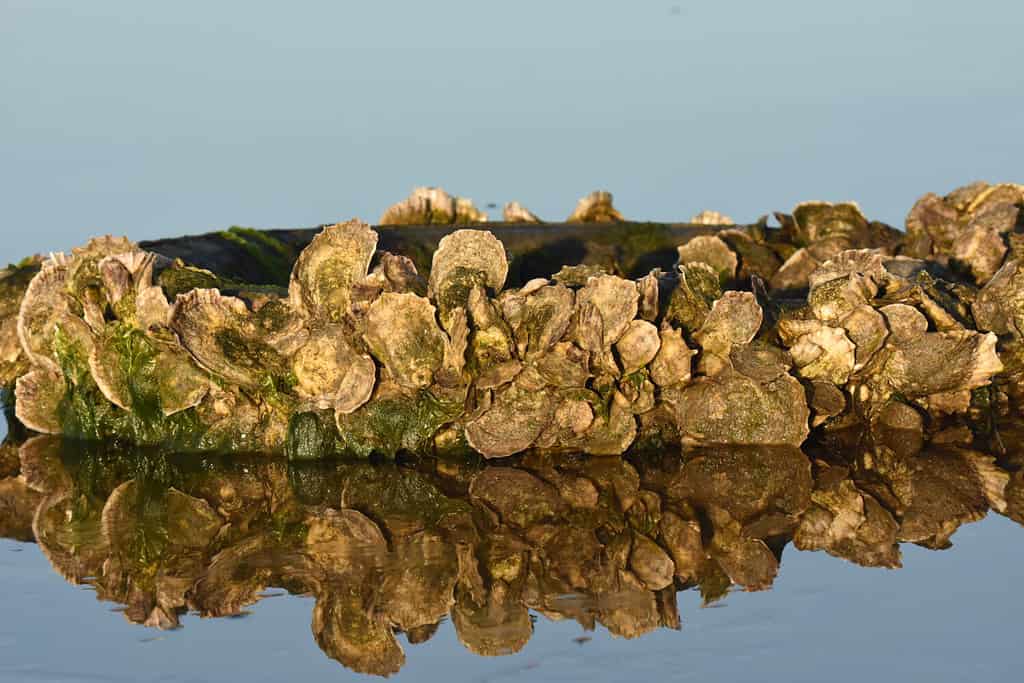
An oyster reef is technically a living structure. Made from generations of oysters cementing to one another and to shell or rocks, these reefs build habitats full of crevices where small creatures can hide and feed. These reefs also tend to create breaks in the ocean’s current and tiny micro-zones that host a myriad of different species. As the reef grows, it becomes a biological neighborhood, much like coral reefs found in warmer seas.
How Do Oysters Clean Water?
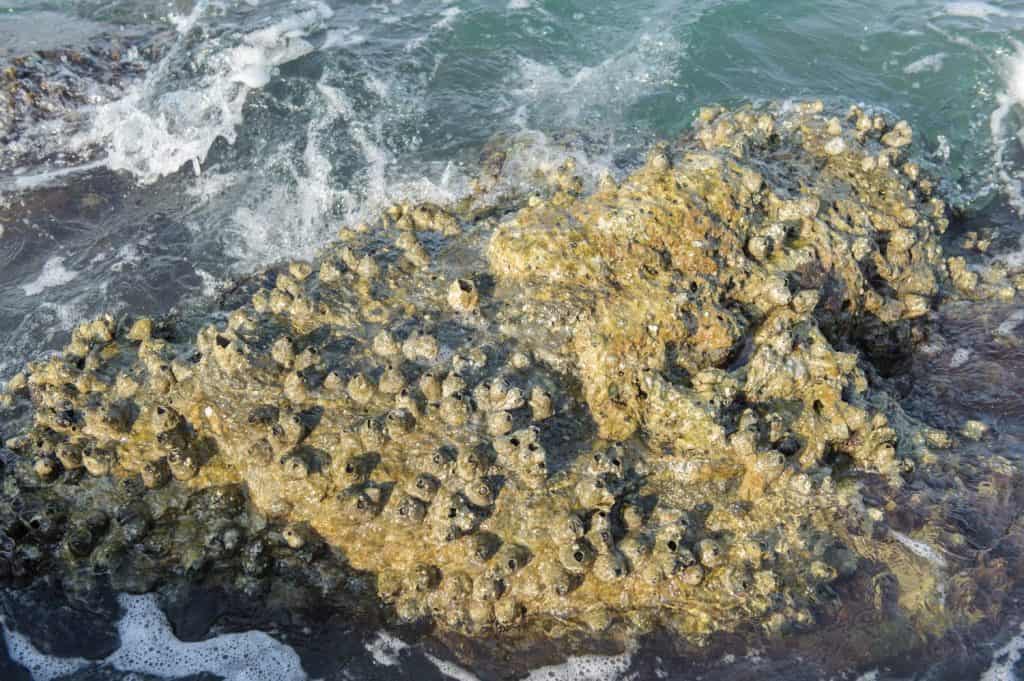
Oyster reefs filter water.
©SONGPAN JANTHONG/Shutterstock.com
Oyster reefs do so much more than provide shelter for the smallest ocean creature. Many people don’t realize that adult oysters pump water through their bodies and sieve out plankton, silt, and organic particles.
This steady filtration clears and cleans the surrounding water, allowing sunlight to penetrate deeper. As a result, underwater plants and various species have a better chance to thrive. Cleaner water also benefits visual hunters such as juvenile fish and stabilizes local oxygen levels, allowing more life to take hold as time goes on.
Why Do Reefs Supercharge Biodiversity?
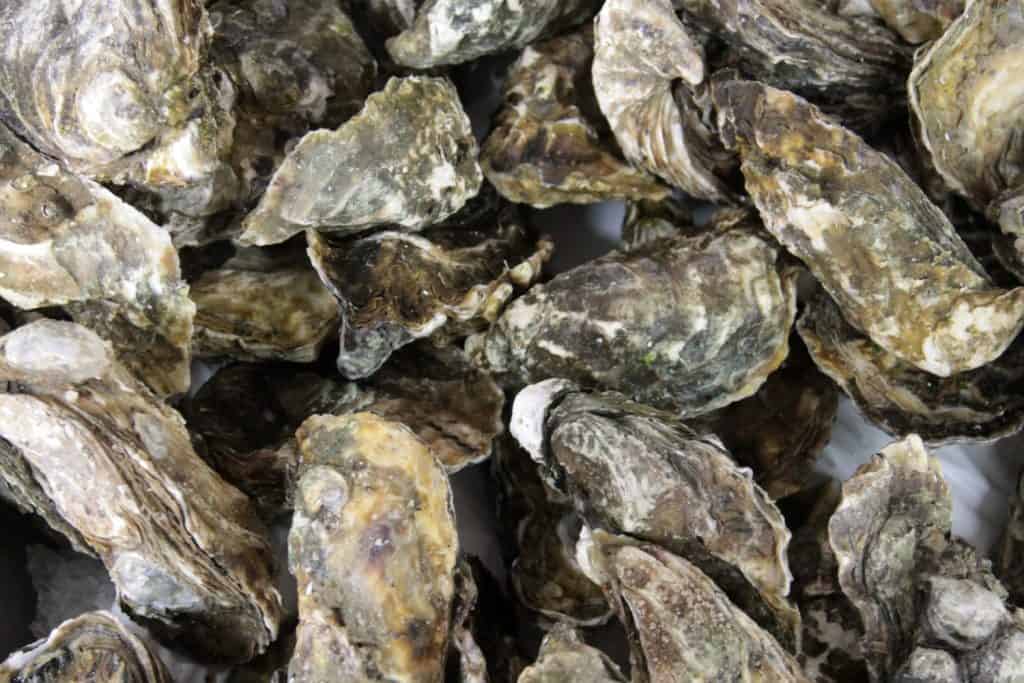
Food chains rely on oyster reefs.
©mikeledray/Shutterstock.com
Regardless of its materials, the structure attracts life in the ocean. The nooks and crannies of an oyster reef shelter tiny invertebrates, egg masses adhere to it, algae grazers and predators patrol it, and countless larvae find stable places to settle. On a healthy reef, dozens of food chains can be traced from oysters to birds and mammals on the shoreline, connecting the entire ecosystem.
What Role Do Oysters Play in Shoreline Protection?
Living reefs can recover from storm damage.
©Mikhaylovskiy/Shutterstock.com
It isn’t just underwater life that’s altered by oyster reefs. Living reefs also act as natural breakwaters that lessen waves and reduce land erosion. In bays and estuaries, strategically placed shell or reef modules help stabilize shorelines and create new habitats for marine life, which can support the recovery of other vital coastal ecosystems we’ve lost in recent decades.
Unlike concrete, a living reef grows as sea levels rise and can even recover after storms or damage. This resilience helps keep coastal edges and nursery habitats intact, allowing for further growth and prosperity among a variety of species.
Do Oysters Help with Nutrient Cycling and Blue Carbon?

Oysters store mineral carbon in their shells.
©Wonderful Nature/Shutterstock.com
By filtering particles, oysters transfer nutrients from the water column to the seabed through their waste. On the seafloor, microbes and worms process this material, turning excess nutrients into fuel. Oysters also store mineral carbon in their shells, which is vital for the ecosystem. More importantly, this process helps habitats accumulate much larger blue carbon stocks, contributing to healthier air, vegetation, and water well beyond the areas where oysters live.
How Does Oyster Aquaculture Support Wild Biodiversity?

©Artur Begel/Shutterstock.com
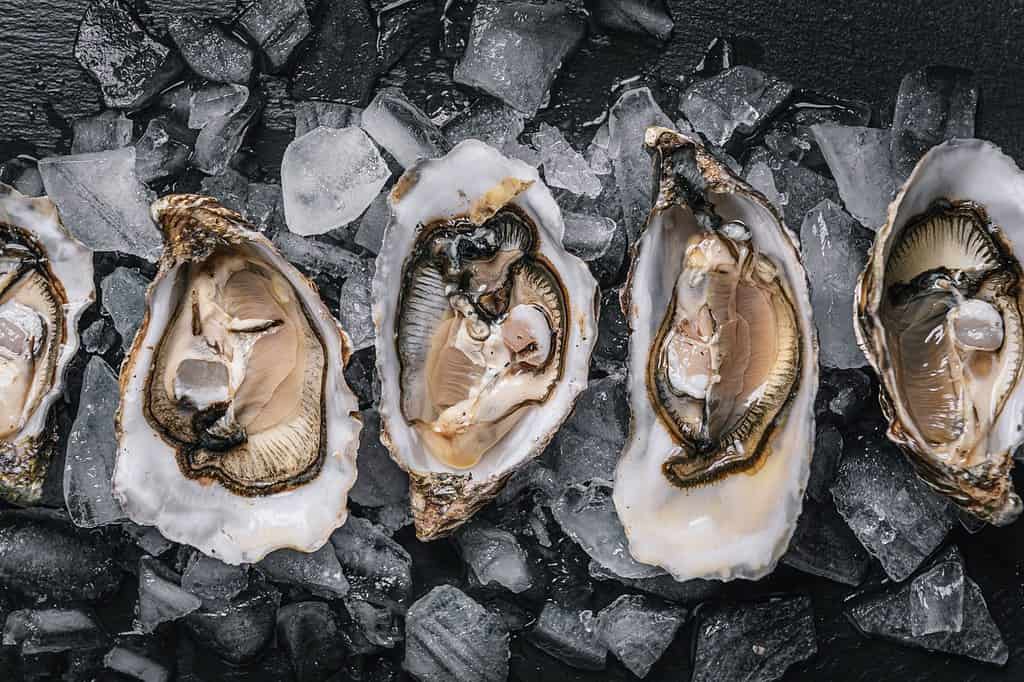
There are certain businesses studying oysters, eager to replicate their unique cleansing capabilities. Thoughtful, low-impact farmers are utilizing floating cages and bottom racks in their controlled waters, providing temporary refuge for small fish and invertebrates. Routine farm maintenance keeps water moving through these mini-habitats. Because farmed oysters don’t require food, their footprint can be comparatively light while delivering high water quality and restored habitats.
What Do Farmers At Oyster Farms Emphasize?

Healthy bays are important for healthy oysters.
©ChameleonsEye/Shutterstock.com
Most modern oyster farms have their priorities clear because they understand how these mollusks operate. Healthy oysters demand healthy bays, so farmers become fierce advocates for clean water, salinity balance, and habitat restoration.
Gear also matters when building an oyster farm. Everything from spacing, depth, and alignment can make racks of oysters function like miniature reefs. Finally, shell recycling is key to keeping these ecosystems thriving. Sending spent shells back into the bay creates the hard substrate baby oysters need, which contributes to more habitat space and sustainable farming options.
Oyster Farm Risks and Responsible Practices
There is always the risk of overharvesting.
©Gilbert S. Grant/Shutterstock.com
There are many factors at play at these facilities, more so than simply gathering oysters. Farms should avoid sensitive seagrass beds, maintain navigation safety, and follow biosecurity measures to prevent disease transfer between species or within the oyster colony.
Harvest plans need to respect oyster spawning seasons and local carrying capacity so that filtration benefits aren’t completely overwhelmed by overharvesting. When these practices are followed, the net ecological effect is strongly positive, and many oyster farmers are working to spread the word about the importance of oysters to our ocean ecosystems.
How Do We Measure Biodiversity Gains?
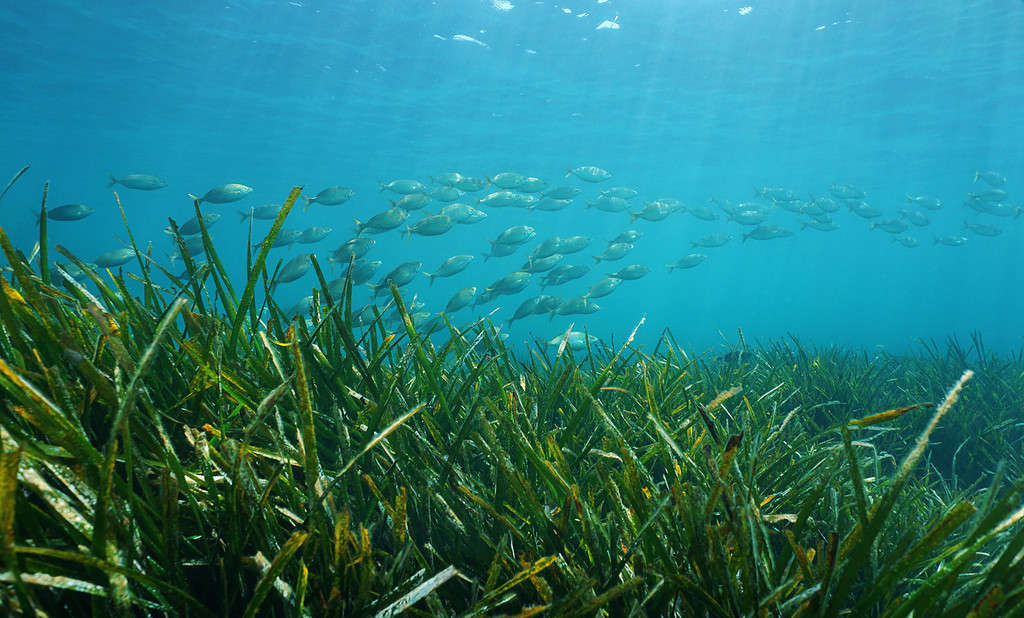
Technological advances help us measure biodiversity.
©Damocean/iStock via Getty Images
Scientists and managers track several key factors to measure biodiversity: water clarity, oxygen levels, seagrass coverage, and species counts among these oyster reefs, whether natural or man-made. Divers, remote cameras, and many other technological advances help scientists quantify what creatures are living on the structure. Catch-and-release surveys around farms often reveal higher numbers of juvenile fish, while shorebird populations tend to increase where reefs and marsh edges are stable and healthy.
Why Do Communities Benefit From Oyster Farms?
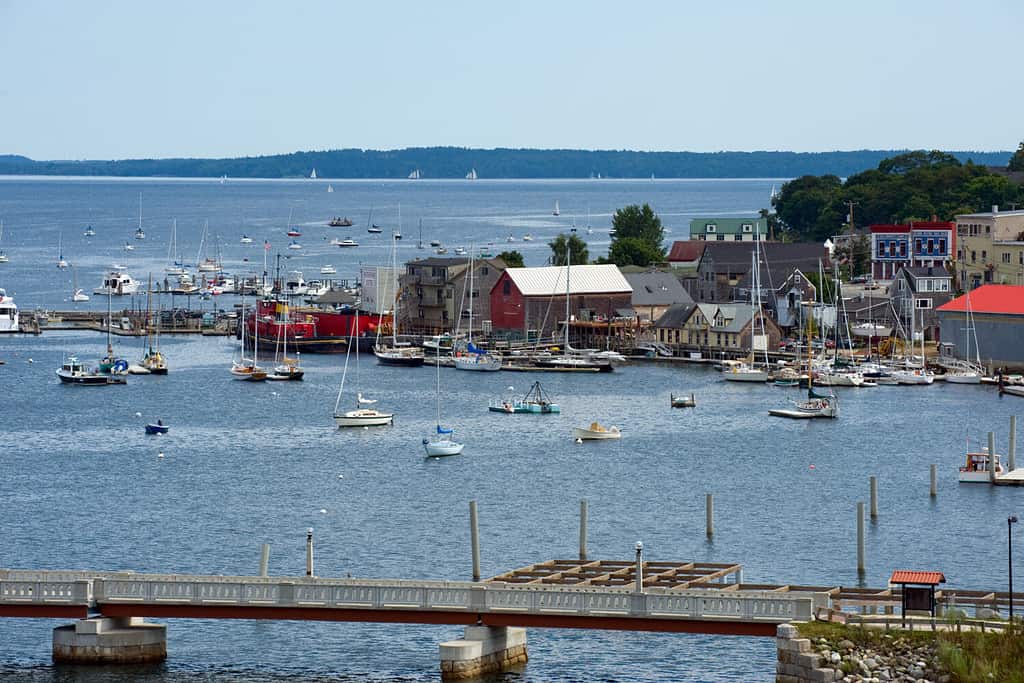
Oyster farms support local economies.
©Natalia Bratslavsky/Shutterstock.com
A thriving oyster farm supports year-round jobs, local culinary programs, and a surprising amount of coastal tourism. More importantly, resilient reefs and marshes help shorelines stay protected against storm surges and safeguard working waterfronts—benefits valued by any coastal community.
What Can Consumers and Cities Do to Support Oyster Biodiversity?
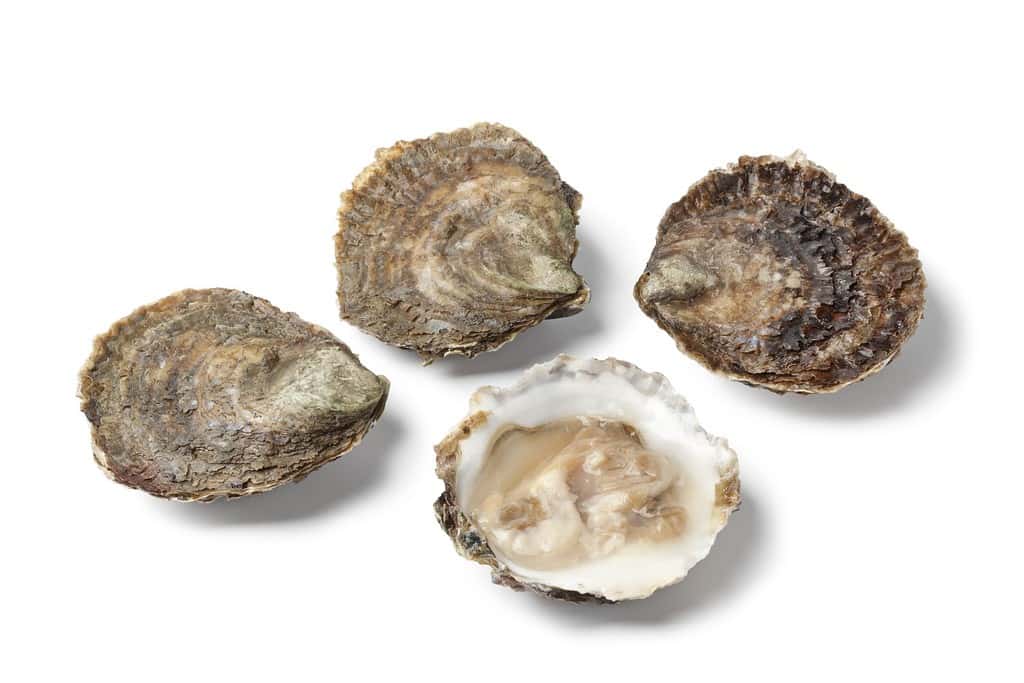
Oysters are vital to coastal biodiversity.
©Picture Partners/Shutterstock.com
When it comes to your own ethical consumption of oysters, choose farmed oysters from growers who recycle their shells and support local oceanic restoration. Ask seafood markets about bay stewardship and seasonal sourcing, if they’re willing to discuss. Ultimately, oysters transform empty seas into bustling habitats, clarify the water that sustains them, and shield shorelines that can nurture the next generation of coastal life. Oyster farms demonstrate how smart aquaculture can enhance all of these ecosystem services in real time. When we invest in oyster reefs, we do more than expand local oyster populations—we help repair the essential scaffolding that holds coastal biodiversity together.