
Quick Take
- This grasshopper breaks the one rule that almost every other grasshopper follows, and its alternative strategy works even better. See the color strategy →
- It looks identical to a stickbug, but the two insects share almost no evolutionary history, and the reason behind that mix-up is stranger than it seems. Explore the taxonomy mix-up →
- Its camouflage should fall apart the moment it moves, yet predators still miss it entirely. See how stillness helps →
- Researchers still can't pin down exactly how much this insect eats, and the reason behind that gap reveals more about its lifestyle than any number would. Check the diet details →
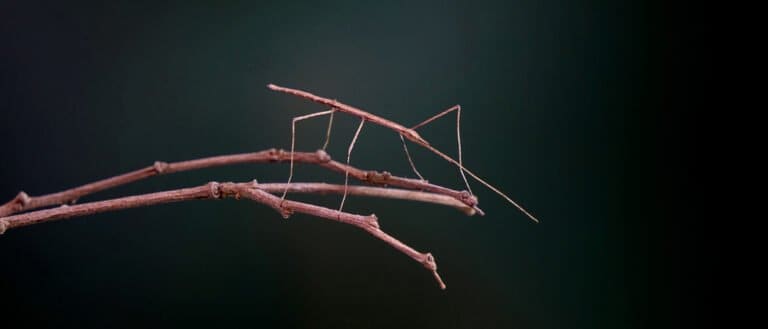
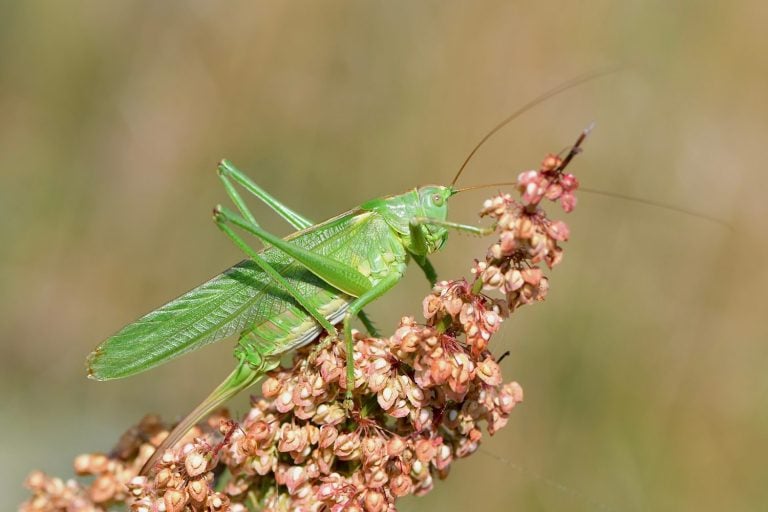
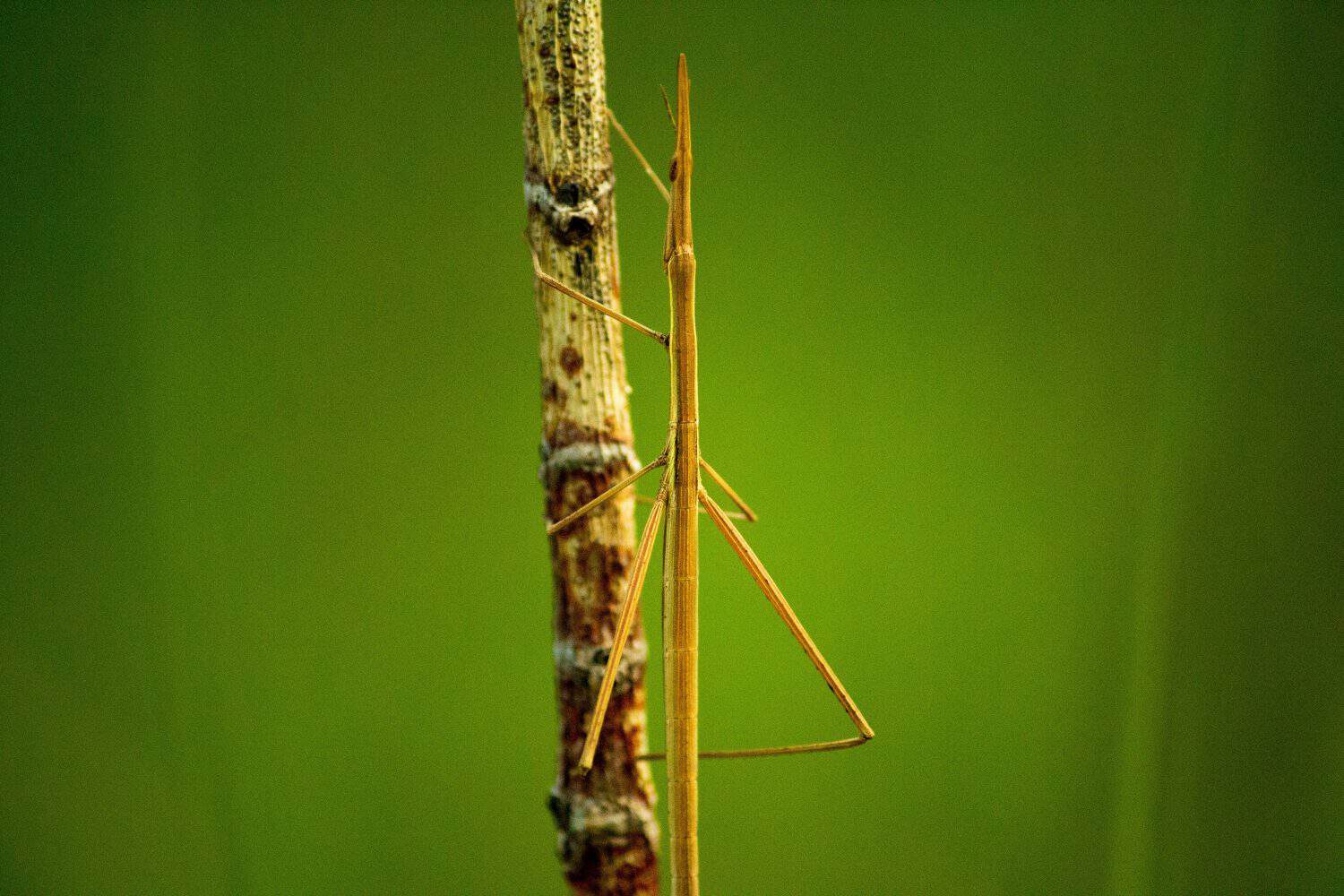
Grasshoppers come in all sorts of shapes and sizes. These fascinating creatures are typically green to blend in with the plants they live on, but there are other unique variations. One example is the stick grasshopper. This Instagram post by @bealeriderman shows one of these grasshoppers feeding on some plants, and its camouflage is extremely good. Read here to learn more.
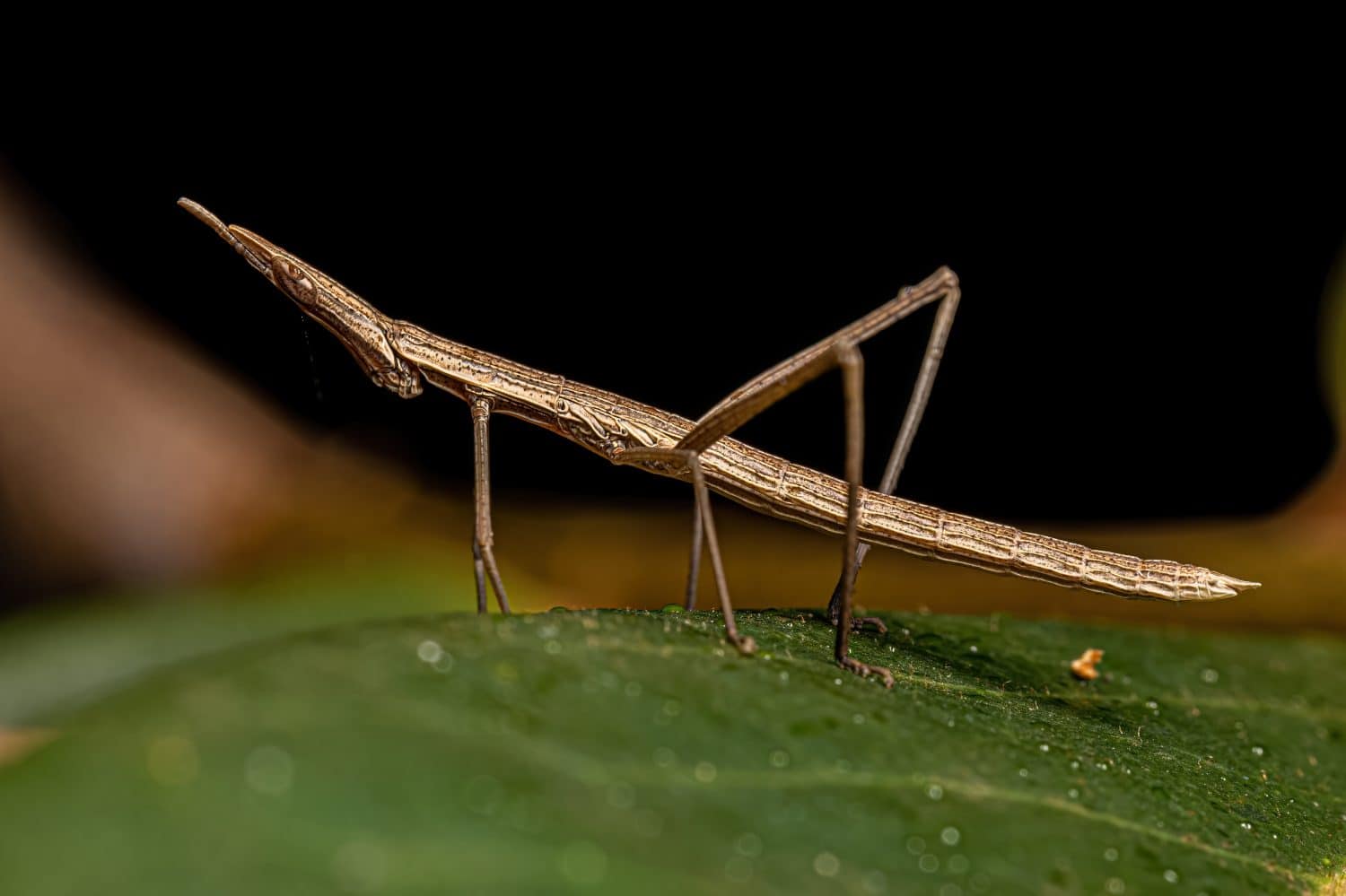
This is a stick grasshopper, not a stickbug.
©Vinicius R. Souza/Shutterstock.com
About the Stick Grasshopper
The stick grasshopper is one of the best examples of camouflage in nature and truly adapts to its environment. These insects are native to South and Central America in countries like Brazil, Peru, Colombia, and more. They live in tropical forests with dense vegetation that helps them hide from their predators. Some predators include birds, lizards, frogs, and spiders. As shown in the video above, stick grasshoppers love feeding throughout the day. A stick grasshopper’s diet consists mostly of leaves, stems, and flowers. While there is no record of how much they eat, they feed steadily throughout the day to help their development. Their most noticeable feature is also what helps them hide: their remarkable camouflage.
Stick grasshoppers have such good camouflage that they are often hard to see even in photos. Part of this is thanks to their small size. Most species grow to around eight to fifteen centimeters long, and when placed in a massive tropical forest, they become very difficult to spot. Their elongated bodies and narrow heads, mixed with their dark brown and textured coloring, help them blend in with tree bark. Unlike most grasshoppers that blend in with green foliage, stick grasshoppers have evolved to be somewhat different. While it’s easy to confuse them with stick insects (stickbugs), stick grasshoppers are actually more closely related to grasshoppers. Stick grasshoppers belong to the order Orthoptera, which they share with grasshoppers and locusts. So, despite their similar appearance, stick grasshoppers and stick insects have evolved independently from each other.